

 Buy with Prime
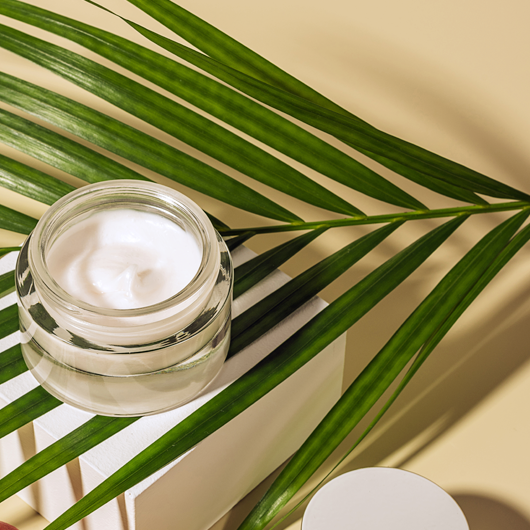


Alternatives to harsh scrubs for aging skin.
Alternatives to harsh scrubs for aging skin start with one change: let ingredients loosen dead surface cells instead of rubbing them away. As skin becomes drier and more delicate, this can help address dull patches and makeup that catches on flakes without adding unnecessary friction.
Key Takeaways
- As skin grows drier and more delicate, exfoliating ingredients can be a gentler option than abrasive scrubs.
- Loosening dead surface cells may help soften the look of dull patches without vigorous rubbing.
- Gentle exfoliation can help makeup sit more smoothly when flakes make application uneven.
Gentle exfoliation respects the skin barrier while supporting a smoother-looking surface. Understanding how physical scrubs and exfoliating acids work can help you choose an approach that suits your skin.
The Delicate Dance: Why Aging Skin Needs Gentle Exfoliation
Understanding Epidermal Thinning and Sebum Reduction
Skin changes gradually, though dryness or sensitivity can seem to appear overnight during perimenopause or other life transitions. With age, the epidermis can become thinner, oil production may decline, and natural cell turnover tends to slow. Dead cells may linger at the surface, contributing to rough texture and a lackluster look. This does not mean skin needs more force. It means exfoliation should account for a more delicate barrier and less natural cushioning from sebum.
The Micro-Tear Menace: How Harsh Scrubs Damage Mature Skin
Coarse particles and vigorous circular rubbing can create friction that irritates fragile skin. Jagged granules may contribute to tiny surface injuries, redness, stinging, and discomfort; areas with visible broken capillaries can appear more flushed after abrasion. A scrub can leave skin feeling tight rather than smooth, especially when its barrier is already dry. If foundation clings to flaky patches, adding pressure may worsen irritation instead of helping makeup sit evenly.
Beyond the Buff: Recognizing Signs of Over-Exfoliation
Persistent tightness, tenderness, burning with familiar products, increased redness, and peeling can signal that exfoliation is too frequent or abrasive. Pause exfoliating products if these symptoms develop, and keep the rest of your routine simple and comfortable. If skin feels raw or remains irritated, speak with a dermatologist, particularly if symptoms do not settle.
Skin Perfection's Philosophy: Science-Backed Gentleness
At Skin Perfection, cosmetic science should be understandable and ingredient choices should serve a clear purpose. Alternatives to harsh scrubs for aging skin can include exfoliating acids that act at the surface, rather than gritty products that depend on rubbing. Look for clear ingredient names and directions, and introduce one exfoliating active at a time. A moisturizer is a separate step, not an exfoliant: Clear Skin Oil-Free Moisturizer is a lightweight gel formulated for normal to oily skin prone to breakouts. It is not presented as a dry-skin solution.
Molecular Maestros: Chemical Exfoliation for Smoother Radiance

Understanding Acids: AHAs, BHAs, and PHAs
Acids exfoliate through chemical action rather than physical friction. Alpha hydroxy acids (AHAs), including lactic and mandelic acids, work mainly at the skin’s surface, helping loosen the bonds between dead cells. Beta hydroxy acid (BHA), commonly salicylic acid, is oil-soluble and can move into pores, making it more associated with oily or congested skin. Polyhydroxy acids (PHAs) also exfoliate at the surface, and their humectant qualities can make them an option for skin that needs a gentler-feeling approach.
Polyhydroxy Acids (PHAs): The Ultra-Gentle Humectant Exfoliants (Gluconolactone, Lactobionic Acid)
Gluconolactone and lactobionic acid are PHAs. Their multiple hydroxyl groups attract water, giving them humectant properties alongside surface exfoliation. Their larger molecular structures are associated with slower penetration than smaller acids, which may suit some sensitive routines. “Gentle” does not guarantee zero irritation: concentration, formula, frequency, and individual tolerance all matter. Check product directions, and avoid layering several exfoliating actives when you are beginning.
Alpha Hydroxy Acids (AHAs) with Larger Molecular Weight: Lactic and Mandelic Acids
Lactic acid is an AHA with humectant properties, while mandelic acid has a larger molecular size than glycolic acid. These characteristics can make both worth considering for a measured exfoliation routine, especially when coarse scrubs feel uncomfortable. The gentlest acid for fine lines varies by person; the best starting point depends on your skin’s condition, the formula, and how often you use it. A low-strength, clearly labeled product is a more cautious starting place than an aggressive peel.
The Science of Dissolution: How Acids Work Without Friction
Acid exfoliants loosen connections between cells in the outermost layer, helping dead cells shed without granules scraping across the surface. This can improve the appearance of uneven texture over time, but stronger or more frequent use will not necessarily produce better results. Alternatives to harsh scrubs for aging skin work best when the product suits your tolerance and is used according to its directions. Stop if you experience persistent stinging, burning, or redness.
Ingredient Breakdown: Molecular Size Matters for Sensitivity
Molecular size is one useful formulation detail, not a promise of comfort. A larger molecule may penetrate more slowly, while pH, concentration, the rest of the formula, and your skin barrier also shape the experience. Use the comparison below as a starting point for reading labels, not a guarantee that one acid will suit every complexion.
| Ingredient group | Typical action | What to consider |
|---|---|---|
| PHAs, such as gluconolactone | Surface exfoliation with water-attracting properties | Consider for a gentle-feeling routine; sensitivity is still possible |
| Lactic acid | Surface exfoliation; also a humectant | Check concentration and product directions |
| Mandelic acid | Surface exfoliation with a larger molecular size than glycolic acid | Introduce gradually and assess skin response |
| Salicylic acid | Oil-soluble exfoliation associated with pore congestion | May not be the first choice for dry, easily irritated skin |
For a routine that also needs hydration, Clear Skin Oil-Free Moisturizer contains hyaluronic acid in a non-comedogenic gel and is formulated for normal to oily, breakout-prone skin. It has an EWG Verified low hazard rating. Choose moisturizer according to your skin type, and treat exfoliation as a separate decision.
Nature's Precision: Harnessing Fruit Enzymes for Gentle Renewal
The Power of Plant-Derived Enzymes: Papain, Bromelain, and Ferments
Alternatives to harsh scrubs for aging skin can include enzyme exfoliants, which loosen surface buildup without grains or rubbing. Papain, an enzyme associated with papaya, and bromelain, found in pineapple, are proteolytic enzymes that act on proteins. In a properly formulated topical product, these ingredients can help remove some dead cells from the outermost layer, leaving skin feeling smoother. Botanical ferments are a separate ingredient category. They may contain a mix of fermentation-derived compounds, but a ferment is not automatically an exfoliating enzyme. Read the ingredient list and directions to understand what the formula is designed to do.
Selective Digestion: How Enzymes Target Keratin Bonds
The outer surface of skin consists largely of flattened, dead cells held together by proteins and lipids. Enzymes can act on certain proteins in that surface layer, supporting the release of loosened cells. This is a surface-level cosmetic action, not a way to rebuild skin or remove living tissue. Enzyme activity depends on the formula, including its pH, concentration, and contact time. Use a fruit enzyme product only as directed, rather than leaving it on longer in hopes of faster results. Even plant-derived actives can cause irritation.
Enzymatic vs. Mechanical Action: A Clean Science Comparison
A scrub uses friction: particles move across the skin as you massage, and pressure affects the amount of abrasion. An enzyme exfoliant works through ingredient activity, without granules or circular rubbing. For skin prone to dryness, redness, or discomfort, avoiding physical friction may be a considered approach. Enzyme formulas still require care: their strength and supporting ingredients vary, and natural origin does not guarantee compatibility with sensitive skin.
What to Consider Before Choosing an Enzyme Exfoliant
Pros
- Exfoliation does not depend on scrubbing particles across the face.
- Papain and bromelain are recognizable plant-derived enzyme options.
- A formula can offer a smoother-feeling surface without vigorous massage.
Cons
- Plant-derived ingredients can still irritate or trigger sensitivity.
- Activity depends on formulation and directions, not just the ingredient name.
- Ferments do not all function as exfoliants.
Beyond Exfoliation: Antioxidant Benefits of Botanical Ferments
Some botanical ingredients and fermentation-derived materials are included in skin care for purposes beyond exfoliation, including as antioxidant-containing components. Antioxidants can help defend against oxidative stress at the skin surface, though the effect depends on the specific ingredient and finished formula. Not every ferment provides the same benefit, and an antioxidant claim does not mean a product will repair a damaged barrier. Look for clear ingredient names and a formula suited to your skin’s needs, then assess how your skin responds.
Integrating Enzyme Peels into Your Routine
Choose an enzyme peel with clear use directions and introduce it as your only exfoliating active at first. Avoid combining it in the same routine with other exfoliants until you know how your skin tolerates it. If your face is already stinging, tender, or visibly irritated, pause exfoliation rather than testing a new peel. After rinsing or removing the product as directed, use a moisturizer appropriate for your skin type. A product designed for oily, breakout-prone skin is not automatically right for a dry complexion.
The Foundation of Youth: Post-Exfoliation Barrier Restoration
Why Barrier Health is Paramount for Aging Skin
The skin barrier helps limit water loss and acts as a first line of defense against everyday environmental exposure. Exfoliation can leave skin feeling dry or sensitive if the product is too strong, used too often, or paired with other irritating steps. Mature skin may already feel less comfortable during hormonal change or seasonal dryness, so post-exfoliation care should prioritize comfort over adding actives. If burning, persistent redness, or peeling develops, stop exfoliating and simplify your routine. Ongoing or severe irritation warrants advice from a dermatologist.
The Role of Peptides in Collagen Support and Firmness
Peptides are short chains of amino acids used in cosmetic formulas for their potential to support the appearance of smoother, firmer skin. Their role depends on the peptide type, concentration, and finished formula. They are not a substitute for barrier care, and cosmetic products should not be described as rebuilding the skin’s deeper structure. Skin Perfection centers its cosmetic science on precision peptide blends, with ingredient choices intended to support a healthy-looking complexion. After exfoliation, consider peptide products only if your skin feels calm and the product directions fit your routine.
Superfruit Antioxidants: Shielding Against Environmental Stress
Antioxidants in skin care can help address oxidative stress associated with environmental exposure. Botanical and fruit-derived ingredients may contribute antioxidant compounds, but benefits depend on the particular ingredient and its formulation. A “superfruit” label alone does not establish how well a product performs or whether it will suit sensitive skin. Choose a formula with ingredients you recognize and introduce new products gradually. For daytime routines, broad-spectrum sunscreen remains a separate step for protecting skin from ultraviolet exposure.
Hydration Heroes: Replenishing Moisture After Exfoliation
After exfoliation, hydration can help reduce tightness and support a more comfortable skin surface. Humectants such as hyaluronic acid attract water, while a moisturizer’s overall formula determines how it feels and which skin types it suits. Clear Skin Oil-Free Moisturizer is a lightweight, non-greasy gel moisturizer formulated for normal to oily skin prone to breakouts. It uses hyaluronic acid in a non-comedogenic gel to hydrate without clogging pores. It is a targeted option for that skin profile, not a recommendation for dry skin.
Skin Perfection's Clean Science Approach to Skin Recovery
Skin Perfection pairs ingredient-focused cosmetic formulation with a practical principle: use an active for a defined purpose, then choose follow-up care according to your skin type. Clear Skin Oil-Free Moisturizer has an EWG verified low hazard rating and includes organic Aloe Vera to soothe and hydrate the skin. It also contains ocean minerals, including sea minerals and Irish moss, which firm the skin, improve elasticity, and reduce the appearance of large pores. These product attributes do not make it a universal post-exfoliation moisturizer. If your skin is dry or reactive, select care intended for your needs and seek professional guidance when irritation persists.
Crafting Your Gentle Exfoliation Ritual: Frequency and Best Practices
A good routine should leave your skin comfortable, not tight or raw. Start with your current skin condition, not a target schedule: dryness, sensitivity, and hormonal changes can affect tolerance from week to week. Choose one exfoliating product, follow its directions, and give your skin time to respond before changing frequency. If you are unsure which moisturizer fits your skin type, the Clear Skin Oil-Free Moisturizer is formulated for normal to oily skin prone to breakouts, not dry skin.
Assessing Your Skin's Tolerance: Dry, Sensitive, Mature Skin
Notice whether your face feels comfortable after cleansing and whether familiar products cause stinging. If dryness, flaking, or sensitivity is already present, pause exfoliation until your skin feels settled. Mature skin is not one skin type, so select a formula according to your needs rather than age alone.
Recommended Frequency: When and How Often
There is no single schedule that suits everyone. Begin less often than the product’s maximum directions allow, especially if your skin is dry or reactive. Increase only if your skin remains calm. Do not use multiple exfoliants together when starting, and skip an application if irritation develops.
Evening Routine Integration: Step-by-Step
In the evening, cleanse gently and apply the exfoliant exactly as directed, including any rinse-off timing. Follow with moisturizer suited to your skin. The Clear Skin Oil-Free Moisturizer is a lightweight gel option for its stated skin profile, not a universal choice for dry or sensitive skin. Keep other active ingredients out of the routine until you know how the exfoliant feels.
Patch Testing and Listening to Your Skin
Test a new formula on a small area according to its directions before applying it across your face. Watch for persistent burning, redness, tenderness, or peeling. If symptoms appear, stop use and simplify your routine rather than exfoliating through discomfort.
When to Consult a Professional
Ask a dermatologist for guidance if irritation persists, your skin becomes painful, or you have a condition that affects your skin barrier. A professional can help you decide whether exfoliation is appropriate and how to adapt your routine.
Frequently Asked Questions
What is the best exfoliant for older skin?
A low-strength exfoliating acid may be a gentler starting point for older skin than a coarse scrub. PHAs such as gluconolactone, or AHAs such as lactic and mandelic acid, loosen surface cells without granules rubbing against delicate skin. The best choice depends on the formula and your skin’s tolerance.
What can I use instead of a scrub on aging skin?
Exfoliating acids are an alternative to harsh scrubs for aging skin because they loosen dead surface cells with less friction. Consider a product with a clearly labeled, low strength PHA or AHA, follow its directions, and introduce just one exfoliating active at a time.
Should mature skin be exfoliated?
Mature skin can be exfoliated gently if it tolerates the product. Slower cell turnover may contribute to rough texture and dullness, while dryness and a delicate barrier make forceful scrubbing more irritating. Start gradually and pause exfoliation if persistent tightness, burning, redness, or peeling develops.
What is a good exfoliator for older skin that feels dry or sensitive?
A PHA exfoliant, such as one containing gluconolactone or lactobionic acid, may be a gentle-feeling option for older skin that is dry or sensitive. PHAs attract water and exfoliate at the surface, but they can still irritate. Formula, concentration, and use frequency all affect tolerance.
Should a 70-year-old woman exfoliate her face?
A 70-year-old woman may exfoliate her face if her skin tolerates a gentle product, but age alone does not determine the right routine. A low-strength acid used according to its directions can avoid scrub-related friction. Stop exfoliating if burning, persistent redness, tenderness, or peeling appears.
How often should older skin use an exfoliating acid?
Older skin should follow the exfoliant’s directions and begin cautiously rather than using acids frequently by default. Concentration and individual tolerance differ, so add only one exfoliating active at a time and assess how skin responds. Pause use if irritation persists.