

 Buy with Prime
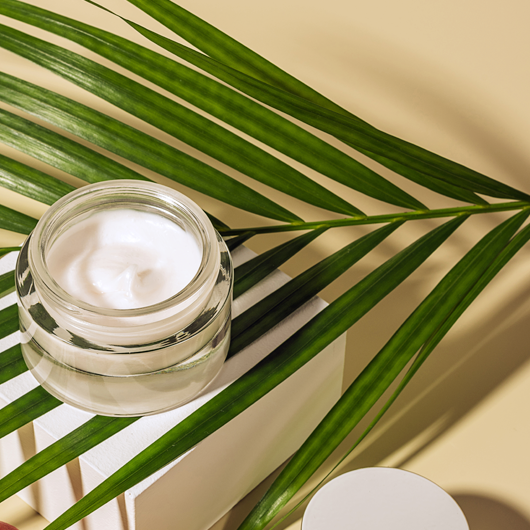


You're standing in front of a shelf, or scrolling through page after page online, looking at creams that all seem to promise the same thing. Gentle. Clean. Natural. For sensitive skin. Then you try one, and by evening your face feels hot, tight, or just uncomfortable.
That experience is common, and it doesn't mean you're doing skincare “wrong.” It usually means the label on the front of the jar told you less than the ingredient list on the back.
At Skin Perfection, we make skincare products and lotion-making supplies that beautify the skin. We also stay within FDA and Etsy rules for cosmetic listings, which means we don't describe products as fixing, repairing, healing, diagnosing, treating, or curing skin or medical conditions. That matters because clear, honest language helps you shop with better expectations.
This guide takes the confusion out of the search for the best face creams for sensitive skin. You'll learn how to judge a formula by what's inside it, how to avoid common trigger categories, and how to test new products carefully before they ever touch your full face.
Table of Contents
- The Search for a Gentle Face Cream
- Understanding What Sensitive Skin Really Is
- How to Decode Face Cream Ingredient Labels
- Testing and Introducing a New Face Cream Safely
- Examples of Well-Formulated Creams
- The DIY Path to Your Perfect Face Cream
- Your Path to Calm and Confident Skin
The Search for a Gentle Face Cream
A reader once described her routine this way: she bought a cream labeled for delicate skin, used it for two nights, and couldn't figure out why her face felt more uncomfortable than before she started. The jar looked reassuring. The marketing sounded soft and minimal. The formula still didn't agree with her skin.
That disconnect is a big reason so many people feel stuck. A product can be popular, expensive, beautifully packaged, and still include ingredients that reactive skin doesn't enjoy.
One of the most useful facts to know is this: only 12% of best-selling moisturizer products are free of NACDG allergens, which means up to 88% of top-tier products contain common allergens that can trigger reactions according to this published review of moisturizer allergens. Suddenly, that “why does everything sting?” feeling makes a lot more sense.
Many people with sensitive skin aren't failing skincare. They're trying products from a market where common irritants still appear in a large share of popular formulas.
The good news is that finding the best face creams for sensitive skin gets easier once you stop shopping by front-label language alone. Instead of chasing words like “clean” or “luxury,” you start looking for a calmer formula structure: fewer likely triggers, more supportive basics, and a texture that matches your environment.
If you want a broader look at ingredient-minimal approaches, Skin Perfection's reading on organic skincare for sensitive skin is a helpful companion. The key is not to assume a product is gentle because it sounds gentle. You need to know what to look for.
Understanding What Sensitive Skin Really Is
Sensitive skin often gets talked about as if it's a fixed skin type, like oily or dry. In practice, it's usually better to think of it as skin that reacts more easily when something throws it off balance.
Why skin starts reacting
A simple way to picture it is a fortress wall. When the wall is solid, it helps keep water in and keeps outside irritants from getting through easily. When the wall has weak spots, more things can bother the skin and moisture escapes faster.

That's why sensitive skin often feels contradictory. It can look shiny but feel tight. It can seem dry in spots and reactive all over. It can dislike a product one week, then tolerate it better when the weather changes or the rest of the routine gets simpler.
If you want extra background on what can set off visible irritation, this article on what causes skin inflammation gives useful context. Readers who want treatment-adjacent education on product categories often also look at resources about professional skin barrier support to understand how barrier-focused formulas are selected in practice.
Three common patterns of sensitivity
Not all sensitive skin behaves the same way. I usually see people fall into one of these broad patterns:
-
Naturally reactive skin
Some people seem to have a lower tolerance from the start. Their skin is quick to flush, quick to sting, and often prefers short ingredient lists. -
Environmentally stressed skin
Wind, cold air, dry indoor heat, over-cleansing, and frequent exfoliation can make skin act more sensitive than usual. In these cases, the routine often needs simplification before the skin feels comfortable again. -
Ingredient-reactive skin
This is the group that does fine until one specific category shows up. Fragrance, essential oils, some preservatives, or certain plant extracts are common examples.
Practical rule: Sensitive skin isn't one story. It's a pattern of reactivity, and the trigger can be your environment, your routine, or the formula itself.
Hydration can still play an important role in a routine built for comfort. For example, Sodium Hyaluronate Powder Pure Hyaluronic Acid is a cosmetic-grade single ingredient used by DIY formulators to make water-based serums and creams, with a stated molecular weight of 800-1500 Daltons and typical use levels of 0.1–2%. A single-ingredient format can be useful for people who want tighter control over what goes into a hydrating step.
How to Decode Face Cream Ingredient Labels
A face cream should be judged by its ingredient list first, not by the calming words printed on the carton. All too often, many shoppers get tripped up.
Why front-label promises can mislead
The U.S. FDA does not require manufacturers to provide scientific support for cosmetic claims such as “hypoallergenic” or “for sensitive skin,” though they must list all ingredients according to this overview of cosmetic safety and moisturizer labeling. That means the strongest evidence on the package is usually the INCI list, not the headline claim.
If INCI names feel intimidating, this guide on how to read a skincare label INCI helps decode the format. Once you know how to scan a label, shopping gets much less emotional and much more practical.
A useful shortcut is to break ingredients into two buckets: ingredients that generally support comfort and moisture appearance, and ingredients that commonly make reactive skin uneasy.
Sensitive Skin Ingredient Cheat Sheet
| Ingredient Category | Look For (Supports Skin Appearance) | Approach with Caution (Potential Irritants) |
|---|---|---|
| Barrier-supporting lipids | Ceramides, squalane, triglycerides | Strongly fragranced oil blends |
| Humectants | Glycerin, hyaluronic acid, sodium hyaluronate, polyglutamic acid | Overly complex formulas with many added scent components |
| Soothing ingredients | Aloe vera, chamomile | Essential oils, heavily perfumed botanical blends |
| Texture support | Simple creams and lotions with a short ingredient list | Harsh alcohol-heavy formulas that feel sharp or drying |
| Cleansing residue awareness | Creams paired with gentle cleansers tend to be easier to assess | Harsh sulfates in surrounding routine products can make any cream feel worse |
A well-constructed formula doesn't need to be fancy. It usually needs to be predictable.
Consider HydroGlow Anti-Aging Night Mask as a formula example rather than a claim-heavy recommendation. Its snapshot lists three types of hyaluronic acid, polyglutamic acid, jojoba, squalane, aloe, glycerin, and triglycerides, while also noting that it is paraben free, sulfate free, vegan, and cruelty free. For a sensitive-skin reader, what matters most is understanding why those categories are often easier to work with than highly fragranced or heavily botanical formulas.
Natural does not always mean gentle
This is one of the biggest sources of confusion in skincare. People often assume that natural ingredients are automatically softer on reactive skin. Dermatologists warn otherwise. The American Academy of Dermatology states that “all natural in no way means hypoallergenic” in its guidance on how to pick a moisturizer.
That line matters because many face creams marketed as wholesome or botanical rely on fragrant extracts, essential oils, and plant blends that smell appealing but may not be ideal for a reactive complexion.
When you're choosing among the best face creams for sensitive skin, ask:
-
What is this formula using for hydration?
Glycerin, ceramides, squalane, and hyaluronic acid are easier to evaluate than a vague “botanical complex.” -
What is creating the scent?
If the pleasant smell comes from fragrance or essential oils, your skin may not share your enthusiasm. -
Is the ingredient list focused or crowded?
A shorter, more functional formula is often easier to tolerate and easier to troubleshoot.
If a cream sounds calming but its ingredient list reads like perfume, your skin may read it very differently.
Testing and Introducing a New Face Cream Safely
The right formula can still disappoint if you introduce it too fast. Sensitive skin does better with patience and clean testing.
A simple patch test routine
Use this sequence anytime you buy a new face cream:
-
Choose a small test area
Behind the ear or along the jawline works well because the skin is still facial skin, but a problem stays contained. -
Apply a small amount
Don't layer it with several new products. You want a clean read on that one formula. -
Wait and observe
Notice heat, stinging, itching, unusual tightness, or visible irritation. -
Repeat before full-face use
If the area stays comfortable, test again before using it widely. -
Add only one new product at a time
If you launch a cleanser, serum, and cream together, you won't know which one caused the issue.
This slow approach saves time in the long run because you stop guessing.
Adjusting your cream with the seasons
Texture matters, but climate matters too. Dermatology data shows that glycerin is often recommended over hyaluronic acid for dry patches in winter because of its stronger humectant behavior in low-humidity conditions in this dermatologist-led discussion of the best face moisturizer for every skin type.
That gives you a practical seasonal rule:
-
In winter
Look for creams with glycerin and richer cushioning ingredients if your skin starts feeling tight, rough, or easily bothered. -
In summer
A lighter gel-cream or lotion texture may feel more comfortable, especially if your skin gets shiny but still reacts easily. -
During transitions
Don't force one cream to do every job year-round. Sensitive skin often prefers a wardrobe over a single uniform.
If your skin tends to get unsettled when the weather changes, this resource on how to strengthen skin barrier can help you simplify your routine around those shifts.
Examples of Well-Formulated Creams
Looking for the best face creams for sensitive skin gets easier when you compare formulas by function instead of by hype.

For straightforward barrier-friendly moisture
Some readers do best with creams that keep the formula simple and focus on classic support ingredients. According to this NCBI overview of moisturizer selection, the most effective moisturizers for sensitive skin are fragrance-free and hypoallergenic, with soothing ingredients such as aloe vera or chamomile, while avoiding harsh chemicals, preservatives, and dyes. The same source also notes that products with ceramides are particularly valued for hydration support while omitting common irritants.
That gives you a reliable checklist for evaluation:
- Fragrance-free structure helps you remove one of the most common trouble categories.
- Ceramides and glycerin are often worth prioritizing when skin feels dry and delicate.
- Aloe or chamomile can make sense when you want a cream that feels more comforting on application.
- Minimal extras often beat novelty ingredients for reactive skin.
For overnight cushioning and hydration
Some formulas are built less like a daytime lotion and more like a comfort layer. The Skin Perfection product mentioned earlier, HydroGlow Anti-Aging Night Mask, fits this category because its listed components combine multiple forms of hyaluronic acid with polyglutamic acid, jojoba, squalane, aloe, glycerin, and triglycerides. Read that as a formulation pattern: humectants plus emollients plus soothing support.
That combination can suit readers who want a cream-mask texture at night without stepping into heavily scented territory.
The most useful recommendation is not “buy this.” It's “recognize this formula pattern when you shop.”
For readers who prefer a richer texture
Some people enjoy a denser cream, especially in dry weather. If that's you, it can be useful to compare richer options that keep the scent profile restrained and the ingredient logic clear. For example, some shoppers explore a grass-fed tallow face cream when they want a heavier feel and a more occlusive finish.
The important part isn't the trend itself. It's asking whether the formula avoids the common categories your skin dislikes and whether the texture matches your climate, routine, and tolerance.
The DIY Path to Your Perfect Face Cream
For some people, the easiest way to avoid problem ingredients is to stop buying mystery blends and start with a tiny set of chosen materials.

Why DIY can make sense for reactive skin
The American Academy of Dermatology warns that many natural ingredients can trigger allergies and states that “all natural in no way means hypoallergenic” in its moisturizer guidance discussed earlier. That's one reason DIY skincare appeals to highly reactive users. You choose every ingredient yourself, and nothing enters the formula by marketing accident.
If you've been curious about making your own products, Skin Perfection has a useful primer on how to make face cream. A DIY path doesn't need to be elaborate. In fact, sensitive skin usually benefits when it isn't.
A beginner framework for a simple formula
Start with a very basic structure:
-
Water phase
This is the hydration base. If your formula contains water, hygiene and preservation matter. -
Humectant
Glycerin or sodium hyaluronate can help attract water and give the formula a more hydrated skin feel. -
Emollient
A simple oil or ester can improve slip and softness. -
Thickener or emulsifier
If you're making a true cream rather than a serum, this is what creates a stable texture. -
Preservative
Any water-based formula needs one. This isn't optional.
For highly reactive skin, the smartest first formula is usually not a complex cream. It's a simple hydrating gel or serum with as few moving parts as possible. That lets you evaluate tolerance one ingredient at a time.
A practical DIY approach might look like this:
-
Make a plain hydrating serum first
Use a small batch so you can monitor freshness and comfort. -
Skip fragrance and essential oils
Even if they sound botanical, they add risk for many sensitive users. -
Keep notes
Write down the ingredient names, percentages, and how your skin responded. -
Only add one new variable at a time
If the base works, then you can decide whether to add another supportive ingredient.
DIY is appealing because it gives you control, not because it's automatically better. A simple, well-preserved formula you understand is often more useful than a complicated one that sounds impressive.
Your Path to Calm and Confident Skin
The search for the best face creams for sensitive skin gets much easier once you stop asking, “What's the most popular cream?” and start asking, “What kind of formula does my skin usually tolerate?”
That shift changes everything. You learn to be skeptical of front-label promises, to scan ingredient lists for hydration and barrier-supporting categories, and to be cautious with fragrance-heavy or overly botanical formulas. You stop expecting one trendy word like “natural” or “hypoallergenic” to do all the work for you.
You also start testing products like a formulator would. Small area first. One new product at a time. Seasonal adjustments when the air changes. A simpler routine when your skin starts feeling overloaded.
Sensitive skin often responds best to consistency, restraint, and observation. Not more products. Not louder marketing. Better decisions.
If your current cream leaves your face looking unsettled or feeling uncomfortable, that doesn't mean you're hard to shop for. It means your skin is asking for clarity. Once you know how to read formulas, compare textures, and control variables, you can build a routine that feels much more predictable.
If you'd like ready-made skincare and DIY lotion-making supplies with transparent cosmetic-focused language, explore Skin Perfection for products and ingredients designed to beautify the skin while helping you build a more informed routine.