

 Buy with Prime
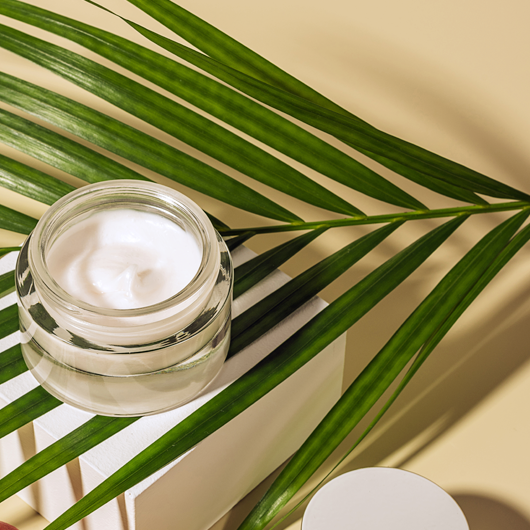


hair care organic products
“Organic” on a hair-care label does not automatically mean a formula is gentle, effective, or right for your scalp. Check what a certification covers, read the ingredient list, and assess whether the formula matches your goal. These steps help distinguish useful hair care organic products from vague marketing claims.
Key Takeaways
- An organic label alone does not guarantee that a hair product will be gentle, effective, or suitable for your scalp and hair type.
- Checking the scope of a certification helps you understand exactly what the organic claim actually covers.
- Reading the full ingredient list reveals whether a formula truly supports your goals, such as hair growth or curl definition.
- Matching the formula to your specific concern is the most reliable way to separate genuine organic hair care from vague marketing.
One note on product categories: Organic Skin Care Kits - Lip Balm is a certified organic skin-care item, not a hair-growth treatment. Its label illustrates how ingredient transparency and certification differ from broad “natural” wording.
What Does 'Organic' Really Mean in Hair Care? (And How to Read Labels Like a Formulator)
“Organic,” “natural,” and “clean” are not interchangeable guarantees. Organic typically refers to agricultural ingredients produced under defined standards; natural is a broad descriptor; clean has no single universal legal definition for cosmetics. Check the certifier, the scope of its claim, and the full ingredient list. A certified ingredient does not necessarily mean every part of a finished formula is certified organic.
Organic vs. Natural vs. Clean: Definitions That Actually Matter
These terms offer different kinds of information, not proof of performance. “Natural” may describe a botanical source, while “clean” often signals a company’s ingredient preferences. Neither term alone tells you how a shampoo cleanses, whether a conditioner reduces friction, or whether a scalp oil suits your skin. For hair care organic products, ask which ingredients are certified, what the formula is meant to do, and whether a verifiable standard supports the claim.
Certifications Compared: USDA Organic, EWG VERIFIED, COSMOS, and NSF
Certifications differ in purpose and scope. USDA Organic applies to qualifying agricultural products and ingredients under USDA rules. EWG VERIFIED evaluates products against its health standards and ingredient criteria. COSMOS is a standard for organic and natural cosmetics, while NSF offers standards that may apply to personal-care product categories. Check the seal and its scope: it does not necessarily confirm every ingredient or prove a product will work for your hair.
| Label or standard | What to check | What it does not establish by itself |
|---|---|---|
| USDA Organic | Which ingredients or finished-product claims qualify | Hair-growth efficacy |
| EWG VERIFIED | Whether the product meets EWG health criteria | Suitability for every scalp |
| COSMOS | Certification scope and permitted ingredient standards | Results for a specific hair concern |
| NSF | The exact NSF standard and product category | Universal organic status |
Organic Skin Care Kits - Lip Balm is USDA organic certified and EWG Verified. Those credentials apply to that lip balm, not to hair products or hair-growth outcomes.
Red-Flag Ingredients Hiding Behind 'Green' Marketing (Sulfates, Parabens, Silicones, Phthalates)
Ingredient names need context. Some sulfates cleanse strongly and may leave a dry-feeling scalp or strands; others may suit a rinse-off formula. Parabens are preservatives. Silicones can add slip and reduce friction, though some users prefer to avoid them. Phthalate disclosure and rules vary by product and region. Consider an ingredient’s function, concentration when disclosed, rinse-off versus leave-in use, and your own sensitivity rather than treating every ingredient in these groups as automatically harmful.
How to Evaluate a Product Label in 60 Seconds
Read the front label, then turn the bottle around. Identify the product type and intended use, scan for known irritants or ingredients you avoid, and confirm certification in the certifier’s own directory. Check fragrance wording if your scalp is sensitive, and look for clear directions. A quick scan cannot predict results, but it can help you avoid buying based only on a leaf graphic or an undefined “clean” claim.
Can Organic Hair Products Really Support Hair Growth? The Science of Scalp Health

Why Your Scalp Is the Foundation of Hair Growth
Hair grows from follicles in the scalp, so scalp comfort and routine care matter. Cleansing away excess oil and product buildup can support a comfortable scalp. Persistent itching, scaling, or sudden shedding deserves attention from a dermatologist. A shampoo or oil cannot guarantee faster growth, and “organic” describes sourcing or standards rather than a proven treatment effect. The best natural hair products for growth support a healthy routine without irritating the scalp or making unsupported promises.
Evidence-Backed Organic Ingredients for Growth: Rosemary, Peppermint, Castor Oil, and Biotin
Evidence varies by ingredient. A study indexed by the National Center for Biotechnology Information reported rosemary oil outcomes comparable to minoxidil in a specific study context; that does not establish that every rosemary product works equally well. Peppermint oil has limited evidence, including preclinical research, and needs cautious use because essential oils can irritate skin. Castor oil can coat and condition strands, but strong evidence that it stimulates growth is lacking. Biotin supports normal bodily functions, yet supplements are not a universal answer to shedding.
Ingredient Synergy: Why Formulation Quality Matters More Than Single 'Hero' Ingredients
A botanical name alone does not reveal an ingredient’s concentration, stability, delivery, or compatibility with the rest of the formula. A scalp product should account for its carrier, preservation, fragrance, and time on skin. Judge hair care organic products by the whole formula and intended use, not a single “hero” ingredient. Follow directions for leave-on products containing essential oils, and stop use if burning, redness, or itching develops.
Are Organic Products Effective for Damaged Hair? What Repair Really Means
Conditioners and oils can improve softness, detangling, shine, and manageability by coating the hair shaft and reducing friction. This may help limit breakage during styling, but cannot permanently restore a split end or reverse chemical changes inside a damaged strand. Choose cleansing and conditioning steps according to dryness, breakage, and styling habits; reduce heat and tension where possible. Organic Skin Care Kits - Lip Balm is designed for dry lips, not hair repair, so keep product claims within their stated use.
The Best Organic Hair Products by Hair Type: Curly, Coily, Black Hair, and Color-Treated
Choose hair care organic products according to your hair’s needs, not a label promising one formula can do everything. Curl pattern, strand thickness, scalp condition, chemical services, and styling habits affect which cleanser, conditioner, or leave-in makes sense. Moisture and slip can ease detangling for curls; a lighter conditioner may prevent a coated feeling on fine hair. Use the guide below to narrow your choices, then check the formula’s ingredients and directions.
Curly and Wavy Hair: Moisture, Definition, and the Best Organic Ingredients
Bends and coils can make it harder for scalp oils to travel down the hair shaft, leaving curly and wavy strands more prone to tangling. Look for a conditioner with emollients such as plant oils or butters, plus ingredients that provide slip for easier combing. Aloe and glycerin can attract or hold water in a formula, while oils soften strands and reduce friction. Climate and styling routine matter: humectants may feel different in very dry or humid conditions. Choose a leave-in or styling cream that defines curls without buildup, and adjust the amount to your strand thickness.
Coily and Black Hair: Building Strength and Length Retention With Natural Care
Gentle handling and reduced breakage help retain length in coily textures. A moisturizing cleanser, rich rinse-out conditioner, and leave-in with enough slip can support detangling. Work in sections and use your fingers or a wide-tooth comb. Oils and butters can help seal in softness, but do not replace water-based conditioning. Choose products suited to your wash frequency and protective styling habits. A product labeled for natural hair will not suit everyone; scalp sensitivity, density, porosity, and personal preference all shape a suitable routine.
| Hair type or concern | Product qualities to seek | Buying consideration |
|---|---|---|
| Curly or wavy | Slip, moisture, flexible curl definition | Choose a finish that does not leave curls coated |
| Coily or tightly textured | Rich conditioning and easier detangling | Check whether the formula suits sectioned styling |
| Straight or fine | Lightweight conditioning and easy rinsing | Start with a small amount to avoid a weighed-down feel |
| Color-treated | Gentle cleansing and conditioning support | Follow color-service guidance and product directions |
Straight and Fine Hair: Lightweight Organic Options That Won't Weigh Hair Down
Rich creams or heavy oils can collect on fine strands and reduce movement. Choose a lightweight conditioner, applying it mainly from mid-length to ends, where dryness and tangling are more likely. A gentle shampoo can remove styling residue without leaving the scalp tight. Start with a small amount of leave-in and assess your hair after it dries. “Organic” does not automatically mean lightweight; consider the full formula, texture, rinseability, and directions.
Color-Treated Hair: Are Organic Products Safe? What to Look For
Organic products can suit color-treated hair, but the label alone cannot confirm color compatibility. Look for products described for color-treated hair, and consider shampoo frequency, your color service, and your stylist’s aftercare advice. A conditioning mask may soften hair and improve manageability, but cannot restore faded pigment or reverse chemical changes. If your hair is newly colored or sensitized, patch-test unfamiliar leave-ins and stop if irritation occurs.
How to Match a Product to Your Hair's Porosity and Needs
Porosity describes how readily hair takes up and releases moisture, but it is only one factor in choosing a formula. Hair that feels dry soon after conditioning may need a richer conditioner or less frequent cleansing; hair that stays coated may need lighter products or more thorough rinsing. Notice how strands respond across several washes rather than relying on a single porosity test. Compare texture, intended use, fragrance, and directions, then change one product at a time to identify what helps.
Your Step-by-Step Organic Hair Growth Routine (Plus How to Survive the Transition Phase)
A steady routine is more useful than a shelf full of new formulas. Hair care organic products can support scalp comfort, reduce avoidable breakage, and make cleansing and conditioning manageable for your texture. Choose products by purpose, follow label directions, and introduce changes gradually. This makes it easier to assess how your scalp and strands respond without mistaking a temporary change in feel for proof that a formula is working or failing.
A Simple 5-Step Weekly Routine for Growth and Scalp Health
Use this flexible sequence, adjusting wash frequency and conditioning depth to your scalp, texture, and styling habits:
- Cleanse: Wash when your scalp needs it, focusing shampoo at the roots rather than scrubbing the lengths.
- Condition: Apply conditioner through the lengths and ends, then detangle gently with fingers or a wide-tooth comb.
- Protect: Use a leave-in conditioner if your hair needs extra slip or moisture. Apply sparingly and follow directions.
- Style gently: Limit high heat and tight styles that pull on the hairline. Choose a routine that keeps strands manageable between washes.
- Check your scalp: Notice itching, redness, flakes, or changes in shedding. Pause a new leave-on product if irritation appears.
Consistency matters more than adding multiple oils or treatments at once. Change one step at a time to identify which formula works well for your hair.
The 'Detox' Phase: Why Your Hair May Feel Different at First and What to Expect
There is no universal detox process that hair must undergo after a product switch. A new cleanser, conditioner, or styling formula may leave strands less slippery, more coated, or simply unfamiliar. Changes in buildup, cleansing strength, and conditioning agents can affect how hair behaves after washing. Give the routine a few wash days and assess comfort, manageability, and residue rather than expecting a dramatic change. Stop use and seek medical advice if persistent burning, swelling, or scalp irritation develops.
DIY Organic Treatments vs. Commercially Formulated Products: Honest Trade-Offs
Kitchen ingredients may be inexpensive and familiar, but homemade mixtures may lack tested preservation, consistent concentration, and clear directions. A professionally formulated product is designed for a specific purpose and can include preservatives to help maintain product quality. Neither “DIY” nor “formulated” guarantees suitability. Dilute essential oils properly, avoid applying irritating mixtures to broken skin, and patch-test unfamiliar leave-in products.
Trade-Offs to Consider
Pros
- DIY treatments may use familiar ingredients and allow small-batch preparation.
- Formulated products provide defined directions and are made for a stated hair-care use.
Cons
- Homemade mixtures can vary from batch to batch and may spoil without suitable preservation.
- Packaged formulas still require ingredient checks, especially for fragrance or scalp sensitivities.
Smart Ways to Get Quality Organic Products on Any Budget
Start with essentials: a cleanser suited to your scalp, a conditioner that helps detangling, and a leave-in only if needed. Compare cost per ounce, check how much to use, and avoid buying products with overlapping jobs. A smaller size can help you test texture and scent before choosing a full-size bottle. The Organic Skin Care Kits - Lip Balm is a separate certified organic lip-care item, not a hair product or growth treatment. Use it for dry lips, and choose hair products for their stated purpose.
FAQs: Your Top Organic Hair Care Questions, Answered

Are Organic Hair Products Effective for Hair Growth?
They may support a healthy hair-care routine by cleansing the scalp, conditioning strands, and helping reduce breakage during handling. Organic status alone does not prove that a product stimulates follicle growth or treats hair loss. Look for clear directions and realistic claims; consult a dermatologist about sudden shedding or persistent scalp symptoms.
How Long Does It Take to See Results After Switching to Organic Products?
There is no single timeline: results depend on the formula, your hair’s condition, and what you mean by results. Softness or manageability may change after a wash, while reduced breakage requires consistent care and time. Track scalp comfort, tangling, and breakage across several wash days rather than judging after one use.
Can Organic Products Repair Chemically Damaged Hair?
Conditioners and oils can soften damaged hair, improve slip, and reduce friction during detangling. They cannot permanently mend split ends or reverse chemical changes within a strand. A careful routine may limit further breakage; a stylist can advise on trimming and aftercare for heavily processed hair.
What Should I Do If a 'Natural' Product Irritates My Scalp?
Stop using the product and rinse your scalp gently with water. Do not reapply it to test the reaction. If irritation persists, worsens, or includes swelling, contact a healthcare professional. Natural ingredients, including essential oils and fragrance components, can still trigger sensitivity.
Frequently Asked Questions
Which organic products are good for hair?
Hair care organic products worth choosing are those with clear certification, such as USDA Organic or COSMOS, and a formula matched to your goal, whether cleansing, conditioning, or scalp care. Look past the front label to the ingredient list, since a certified ingredient does not mean the whole formula is certified. Rosemary oil, peppermint oil, and castor oil are popular choices, though results vary by formula and individual.
What is the healthiest product for your hair?
The healthiest product for your hair is one that supports a comfortable, clean scalp without irritation and matches your specific hair concern. Because hair grows from follicles in the scalp, gentle cleansing that removes excess oil and buildup matters more than any single ingredient claim. If you notice persistent itching, scaling, or sudden shedding, consult a dermatologist.
Can organic hair products really support hair growth?
Organic describes sourcing standards, not a proven treatment effect, so no shampoo or oil can guarantee faster growth. Some ingredients show promise: a study indexed by the NCBI reported rosemary oil outcomes comparable to minoxidil in a specific context, while peppermint oil evidence remains limited and mostly preclinical. The best support for growth is a healthy scalp routine without irritating ingredients.
Is rosemary oil effective for hair growth?
Rosemary oil has promising but limited evidence: one NCBI-indexed study reported outcomes comparable to minoxidil in that specific study context. That does not establish that every rosemary product works equally well, since concentration, carrier, and formulation quality all affect performance. Follow product directions for leave-on use and stop if irritation develops.
What are the cleanest hair care products?
The cleanest hair care products are those backed by verifiable standards rather than vague marketing wording. Check the certifier's seal, confirm it in the certifier's own directory, and read the full ingredient list to identify anything you prefer to avoid. Keep in mind that certifications confirm standards compliance, not suitability for every scalp or proven results.
Are organic products effective for damaged hair?
Conditioners and oils can help damaged hair feel smoother by coating strands, reducing friction, and adding slip. What repair really means is temporary cosmetic improvement, since hair strands cannot regenerate themselves. Judge any formula by its whole composition and intended use rather than a single hero ingredient.
What should I look for on an organic hair care label?
Read the front label first, then turn the bottle around to identify the product type, intended use, and any ingredients you avoid. Confirm the certification in the certifier's own directory, and check fragrance wording if your scalp is sensitive. This quick scan helps you avoid buying based only on a leaf graphic or an undefined clean claim.