

 Buy with Prime
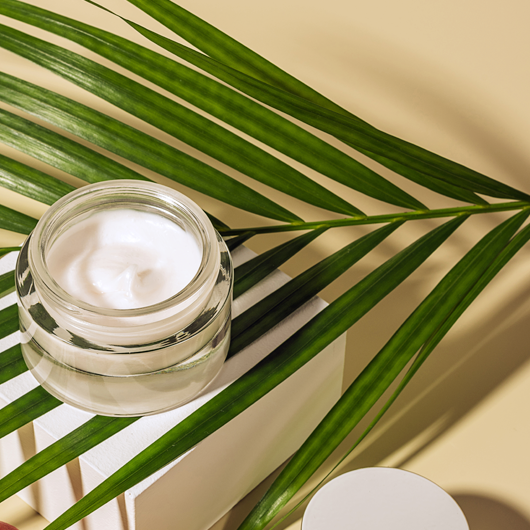


facial sunscreen zinc oxide
Choosing a facial sunscreen zinc oxide formula means choosing a mineral filter that protects against both UVA and UVB rays. The right formula can support daily skin protection, but texture, tint, and other ingredients matter as much as the active ingredient.
Key Takeaways
- Zinc oxide is a mineral sunscreen filter that shields your skin from both aging UVA rays and burning UVB rays.
- The best facial sunscreen feels good on your skin, because texture and finish determine whether you will actually reapply it every day.
- Tinted zinc oxide formulas can help neutralize white cast and offer extra defense against visible light for uneven skin tone.
- Supporting ingredients like antioxidants and hydrators work alongside zinc oxide to nourish your skin while it stays protected.
- Choosing a clean, well-formulated mineral sunscreen is one of the simplest daily habits for preserving a youthful, healthy glow.
Here’s how zinc oxide works, how it differs from other sunscreen filters, and what to consider if you have sensitive or acne-prone skin.
What Is Zinc Oxide and How Does It Protect Your Facial Skin?
Zinc oxide is a mineral sunscreen active ingredient that helps protect skin from ultraviolet radiation. It provides broad-spectrum coverage against UVA and UVB rays, and the FDA recognizes zinc oxide as a sunscreen active ingredient in its GRASE category. For a facial sunscreen zinc oxide formula, check the label for “broad spectrum” and an SPF level suited to everyday use.
The Science of Mineral Sun Protection: UVA, UVB, and Broad-Spectrum Coverage
UVA rays contribute to premature skin aging, while UVB rays are a primary cause of sunburn. Zinc oxide helps protect against both by absorbing and scattering UV radiation before it can damage skin. A broad-spectrum label indicates coverage across UVA and UVB ranges; it does not mean complete protection. Shade, clothing, and regular reapplication still matter.
The American Academy of Dermatology recommends broad-spectrum sunscreen with SPF 30 or higher. SPF primarily indicates protection against sunburn-causing UVB, so it does not replace broad-spectrum coverage. Apply a facial sunscreen zinc oxide product as directed on its label.
Is Zinc Oxide Sunscreen Better Than Chemical Sunscreen?
Neither type is automatically better for everyone. Mineral formulas use zinc oxide, titanium dioxide, or both; chemical formulas use other UV filters that absorb UV radiation. Zinc oxide is often chosen for its low irritation potential. Some people prefer chemical formulas because they can feel lighter or leave less visible residue. Personal tolerance, application habits, and consistent use all matter.
If you are evaluating facial sunscreen zinc oxide options, focus on broad-spectrum protection and a texture you will wear comfortably. Skin Perfection’s Liquid Peptide Facial Mist is a separate skincare product, not a sunscreen. It should not replace sun protection.
Zinc Oxide vs. Titanium Dioxide: What’s the Difference?
Both are mineral UV filters, and both can appear in sunscreen with zinc oxide and titanium dioxide. Zinc oxide provides broad-spectrum UVA and UVB protection. Titanium dioxide also protects against UV radiation, with coverage generally stronger in the UVB and shorter UVA ranges. Combining them can contribute to broad-spectrum protection, but the finished product’s label and testing. Not the ingredient list alone. Tell you whether it meets that standard.
| Feature | Zinc Oxide | Titanium Dioxide |
|---|---|---|
| Filter type | Mineral | Mineral |
| UV coverage | UVA and UVB | Primarily UVB and shorter UVA ranges |
| Common consideration | May leave a visible white cast | May also leave visible residue |
The Honest Downsides of Zinc Oxide (and Why They’re Fixable)
The most familiar drawback is white cast, which can be more noticeable on deeper skin tones or with thicker, untinted formulas. Some mineral sunscreens also feel dense, dry, or hard to spread. These are formulation and cosmetic concerns, not signs that the active ingredient is failing. Tinted options, finely dispersed mineral formulas, and careful blending may improve the finish. Test a formula in daylight before relying on it under makeup.
Why Zinc Oxide Deserves a Spot in Your Anti-Aging Routine

Daily sun protection is a practical part of caring for skin over time. UV exposure contributes to visible signs of photoaging, including uneven tone and fine lines. A facial sunscreen zinc oxide formula can help limit exposure when you apply enough and reapply as directed. Sunscreen does not erase existing changes, but consistent protection supports a routine focused on maintaining a smoother-looking complexion.
Gentle Enough for Sensitive and Acne-Prone Skin
Zinc oxide is often recommended for sensitive skin because it has a low irritation potential. That does not guarantee that every formula will suit everyone: fragrance, preservatives, oils, and overall texture can affect comfort. If you are acne-prone, look for a lightweight formula labeled noncomedogenic, introduce it gradually, and monitor your skin’s response. Stop use if irritation develops.
How Daily Mineral Protection Supports Smoother, Firmer-Looking Skin
Sun exposure can contribute to collagen breakdown and visible changes in skin texture. Broad-spectrum sunscreen helps reduce ongoing UV damage, making it a useful partner to a thoughtful skincare routine. At Skin Perfection, ingredient transparency and cosmetic science guide our approach. The Liquid Peptide Facial Mist is not sun protection; use a labeled broad-spectrum sunscreen for that role.
Reef-Safe and Clean: What EWG Verification Means for Your Sunscreen
“Reef-safe” is not a universal guarantee of environmental safety. Sunscreens with zinc oxide are often selected by people seeking formulas that exclude certain chemical filters, but environmental effects depend on ingredients, use, and local conditions. Follow destination-specific guidance when swimming in sensitive habitats.
EWG verification refers to an organization’s ingredient and product criteria; it does not replace checking the active ingredients, broad-spectrum label, and SPF. Skin Perfection values ingredient transparency, and shoppers can use certification details on a specific product to understand what has been reviewed.
How to Choose the Best Facial Sunscreen with Zinc Oxide for Your Skin Type
The best facial sunscreen zinc oxide formula offers broad-spectrum protection, an SPF you’ll use consistently, and a finish that feels comfortable. Start with the Drug Facts label, then consider texture, tint, and supporting ingredients. A high zinc oxide percentage alone does not show whether a sunscreen offers the right protection or suits your routine. The finished product’s tested SPF and broad-spectrum designation are more useful buying criteria.
Decoding SPF Levels: What the Numbers Actually Mean
SPF measures protection against sunburn-causing UVB rays under test conditions. The American Academy of Dermatology recommends a broad-spectrum sunscreen with SPF 30 or higher. Broad-spectrum labeling matters because SPF does not describe UVA coverage by itself. For everyday errands, outdoor activities, or time near windows, choose a broad-spectrum formula with an SPF level that fits your exposure and follow its label directions. No SPF blocks every UV ray, so clothing, shade, and reapplication remain part of sun protection.
Matching Formulas to Skin Types: Oily, Dry, Combination, and Sensitive
For oily or acne-prone skin, look for a lightweight lotion or fluid labeled noncomedogenic, then check whether the finish feels comfortable rather than greasy. Dry skin may feel better with a creamier formula; ingredients such as glycerin can help support moisture. If your skin is combination, a lighter texture may feel more comfortable across areas that become oily, while a moisturizer underneath can address drier patches. Sensitive skin may benefit from a simple formula with minimal fragrance, but any ingredient can cause an individual reaction. Patch-test a new sunscreen and stop use if irritation appears.
Tinted, Untinted, Lotion, or Stick: Finding Your Format
Tinted mineral sunscreens can make visible residue less noticeable and may blend more naturally with your complexion. Check the shade in daylight, since a tint that looks subtle indoors can appear different outside. Untinted versions avoid added pigment, though they may leave a white cast. Lotions are practical for covering larger facial areas, while sticks can make targeted application convenient around the nose or along the hairline. Choose a format you can apply evenly; a comfortable texture is more useful than one that stays unused in a drawer.
Is 100% Zinc Oxide Sunscreen Actually Better?
A “100% zinc oxide sunscreen” label can be misleading if it suggests the entire product consists of zinc oxide. It may mean zinc oxide is the sole active sunscreen ingredient, while inactive ingredients create the product’s texture and spread. A zinc oxide only sunscreen is not automatically more protective or more suitable for your face than a formula that combines mineral filters. Compare the broad-spectrum claim, tested SPF, directions, and overall feel rather than choosing by active ingredient percentage alone.
Clean Formulation Checklist: Ingredients to Look For (and Avoid)
Ingredient transparency helps you assess sun protection and skin comfort. Read the active and inactive ingredient lists, and consider whether the formula suits your preferences and known sensitivities. “Clean” is not a standardized measure of sunscreen performance, so it should not replace label checks. Use this checklist when assessing a facial sunscreen zinc oxide option:
- Confirm “broad spectrum” and the SPF on the Drug Facts label.
- Review the active ingredients to see whether the product uses zinc oxide alone or combines it with titanium dioxide.
- Check for fragrance or other ingredients you already know your skin does not tolerate.
- Choose a texture and tint you can apply evenly as directed.
- Look for clear manufacturer directions and a water-resistance statement if you need protection during swimming or sweating.
How to Apply Facial Sunscreen with Zinc Oxide (Without the White Cast)
A facial sunscreen zinc oxide formula can protect your skin and fit your daily routine. Apply it evenly, give it time to settle, and choose a finish that suits your complexion and makeup. Care around the hairline, brows, and sides of the nose can prevent missed spots and visible buildup. Skin Perfection’s Liquid Peptide Facial Mist is a separate skincare product, not sun protection. Keep a labeled sunscreen as the last step of your morning skin-care routine.
Step-by-Step Application: The Right Amount, Timing, and Reapplication
Follow your sunscreen label’s directions and apply enough to cover the face and exposed areas evenly. Rushing or spreading a thin layer can leave gaps. Apply before makeup and allow the formula to set according to its directions. Reapply as directed, especially after swimming, sweating, or toweling off. Keep sunscreen accessible during extended outdoor activities so reapplication is practical.
- Apply sunscreen after your skin-care products have absorbed.
- Dot it across the forehead, cheeks, nose, chin, ears, and hairline.
- Spread gently and evenly, including around the jaw and sides of the nose.
- Let the sunscreen settle before applying foundation or concealer.
- Follow the label’s reapplication directions, refreshing coverage after water exposure or heavy perspiration.
5 Tricks to Minimize White Cast and Wear It Under Makeup
White cast can depend on a formula’s texture, tint, and how it is spread. These adjustments can make the finish more comfortable without reducing the amount you apply:
- Try a tinted formula, checking the shade in natural light.
- Apply in small sections, then blend each area before moving on.
- Use gentle pressing motions around the nose and hairline instead of rubbing repeatedly.
- Choose a lightweight texture that settles well on your skin.
- Apply foundation with a sponge or brush using light pats, rather than dragging it across the sunscreen layer.
Test the full routine before an important event. If makeup pills, allow more time between layers or try a different combination of textures.
Layering Sunscreen with Serums and Moisturizers
Apply serums first, moisturizer next if your skin needs it, then sunscreen. Let each layer settle before adding another to reduce pilling and patchiness. Liquid Peptide Facial Mist can be part of a skin-care routine, but it does not replace moisturizer or sunscreen. If you use it, follow its product directions and finish with a broad-spectrum sunscreen labeled with an SPF. A facial sunscreen zinc oxide formula should remain an even, uninterrupted layer on top of your other morning products.
Frequently Asked Questions About Zinc Oxide Facial Sunscreen
Can I Use Zinc Oxide Sunscreen Every Day?
Yes. You can use zinc oxide sunscreen daily if the formula feels comfortable and its directions suit your routine. Choose a broad-spectrum product and apply it as labeled. Regular use helps protect exposed skin during everyday outdoor activities, not only on sunny vacation days.
Does Zinc Oxide Sunscreen Clog Pores?
Zinc oxide itself does not determine whether a sunscreen will clog pores. The full formula, including its base and emollients, affects how it feels on your skin. If you are acne-prone, consider a product labeled noncomedogenic, remove sunscreen thoroughly at night, and watch for changes in your skin.
Can I Skip Moisturizer and Use Zinc Oxide Sunscreen Alone?
That depends on your skin and the sunscreen’s texture. If your skin feels comfortable and the formula provides enough moisture, you may not need a separate moisturizer. If your face feels tight or dry, apply moisturizer first and let it settle before sunscreen.
How Much Zinc Oxide Should Be in a Facial Sunscreen?
There is no single zinc oxide percentage that tells you whether a product is best for your face. Protection depends on the finished formula and its tested SPF and broad-spectrum labeling. Check the Drug Facts panel and use the product as directed rather than choosing by active-ingredient percentage alone.
Frequently Asked Questions
Is zinc oxide sunscreen good for your face?
Yes, facial sunscreen with zinc oxide is a solid choice because it offers broad-spectrum protection against both UVA and UVB rays. The FDA recognizes zinc oxide as a sunscreen active ingredient in its GRASE category, and mineral filters like this one are often chosen for their low irritation potential, especially on sensitive facial skin.
Is it good to use zinc oxide on your face every day?
Daily use of zinc oxide sunscreen is a practical way to care for your skin over time. UV exposure contributes to visible signs of photoaging like uneven tone and fine lines, so applying a broad-spectrum formula with an SPF of 30 or higher, and reapplying as directed, supports a smoother-looking complexion.
What are the disadvantages of zinc oxide in sunscreen?
The most common drawback is white cast, which can be more noticeable on deeper skin tones or with thicker, untinted formulas. Some mineral sunscreens also feel dense, dry, or hard to spread. These are cosmetic concerns, not signs the ingredient is failing, and tinted options or finely dispersed formulas can improve the finish.
Is zinc oxide sunscreen safe for pregnancy?
Zinc oxide is a mineral filter often selected by those who prefer gentler options, and it has a low irritation potential. That said, skin needs change during pregnancy, so it is always wise to consult your healthcare provider before adding or continuing any skincare product.
Which zinc oxide sunscreen is best for the face?
The best facial sunscreen zinc oxide formula offers broad-spectrum protection, an SPF you will use consistently, and a finish that feels comfortable on your skin. Start with the Drug Facts label, then consider texture, tint, and supporting ingredients like fragrance or oils that may affect sensitive or acne-prone skin.
Is zinc oxide sunscreen better than chemical sunscreen?
Neither type is automatically better for everyone. Mineral formulas use zinc oxide or titanium dioxide, while chemical formulas use UV filters that absorb radiation, and some people find those feel lighter with less residue. Focus on broad-spectrum protection and a texture you will actually wear every day.
What should acne-prone skin look for in a zinc oxide sunscreen?
If you are acne-prone, look for a lightweight zinc oxide formula labeled noncomedogenic, introduce it gradually, and monitor how your skin responds. Keep in mind that other ingredients like fragrance, preservatives, and oils can affect comfort, so stop use if irritation develops.