

 Buy with Prime
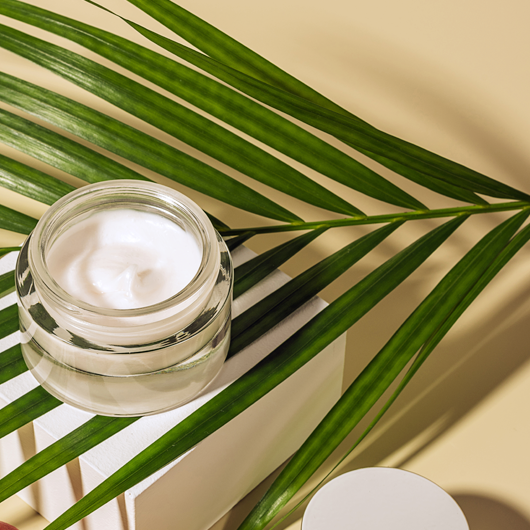


Vitamin C exfoliant vs niacinamide for pigmentation.
Choosing between these actives starts with one useful distinction: “Vitamin C exfoliant vs niacinamide for pigmentation” compares a low-pH form of Vitamin C that may exfoliate with an ingredient that works without exfoliating. That difference can shape how you address sun spots or post-acne marks, especially if your skin is easily irritated.
Key Takeaways
- Some forms of Vitamin C work at a low pH, which means they can offer gentle exfoliation alongside their brightening benefits.
- Niacinamide fades dark spots without exfoliating, making it a smart pick for sensitive or easily irritated skin.
- Knowing whether an ingredient exfoliates helps you decide the right approach for sun spots and post-acne marks.
- The best choice depends on your skin's tolerance, and many people see results by understanding how each active works differently.
Niacinamide is a gentler starting point for many sensitive or blemish-prone complexions. A low-pH L-ascorbic acid formula may suit more resilient skin seeking support for visible discoloration. The best choice depends on the formula, the type of pigmentation, and your skin’s tolerance, not just the ingredient name.
The 30-Second Verdict for Dark Spots
For skin that gets red or stings easily, niacinamide is often the more comfortable first choice. Vitamin C can be a strong option for uneven tone, especially in a well-formulated antioxidant serum.
Why the “Exfoliant” Label Changes Everything (and Why Competitors Get It Wrong)
Vitamin C is a family of ingredients, not a guarantee of exfoliation. Low-pH L-ascorbic acid can contribute to exfoliation through its acidic formulation, which may increase the chance of stinging or irritation. Other Vitamin C derivatives do not automatically behave like exfoliants. Niacinamide, also called Vitamin B3, does not exfoliate: it supports the skin barrier and helps reduce the transfer of melanin within the skin.
Irritation can leave already uneven skin looking more noticeable. If “Vitamin C” appears on a label, check which form is included and whether the formula identifies itself as acidic. Compare the formula’s mechanism, strength, and fit for your skin rather than relying on the ingredient name alone.
How We Evaluated: Our Clean-Beauty Criteria for Ranking Pigmentation Ingredients

What We Looked For: Mechanism, Speed, Tolerance, and Formulation Quality
I evaluate pigmentation ingredients by asking what they do in the skin, which discoloration concerns they may suit, and how likely the formula is to fit into a routine consistently. Niacinamide supports the barrier and can help with post-inflammatory marks, while Vitamin C supports a brighter-looking complexion through antioxidant activity and effects on melanin pathways. Visible changes take time, and an ingredient’s potential matters less if irritation makes regular use difficult. Skin type, acne activity, dryness, and sensitivity all belong in the decision.
Stability, pH, and Percentage Benchmarks That Separate Good Products from Marketing
For L-ascorbic acid, percentage and pH affect both activity and tolerability. Exposure to air and light can affect Vitamin C, so packaging and stabilizing ingredients deserve attention. With niacinamide, check the stated concentration and the complete product information available to you. A clear label is more helpful than a dramatic claim about fast spot fading.
EWG VERIFIED and Think Dirty Standards: Why Clean Formulations Made Our Shortlist
Clean formulation is part of the evaluation, alongside ingredient function and skin compatibility. Skin Perfection prioritizes transparent cosmetic science and clean beauty, with EWG VERIFIED products and ingredients that meet the Whole Foods Premium List Ingredient Requirements. These standards are useful screening details, not proof that a serum will work for every person or pigmentation type. I look for a formula that pairs a clearly identified active with a practical base, without suggesting a certification alone can predict results.
Top Picks Compared: Our Ranked Choices for Fading Dark Spots
These options reflect different routes to a more even-looking complexion. The ranking considers ingredient role, likely skin fit, and available formulation information. Do not assume product-specific pH, stabilizers, or study timelines when those details are not stated.
| Rank and option | Best suited to | What to know |
|---|---|---|
| #1 Skin Perfection Vitamin C Serum with Ferulic Acid | Uneven tone and a daily antioxidant-focused routine | Ferulic acid is a complementary antioxidant; verify the Vitamin C form and product-specific directions. |
| #2 10% Niacinamide Serum | Sensitive, oily, red, or blemish-prone skin | |
| #3 Low-pH L-ascorbic acid | Resilient skin with visible sun spots | Acidic L-ascorbic acid may exfoliate and can be irritating; confirm the product’s pH and stability details. |
| #4 Niacinamide with tranexamic acid | Melasma-prone skin seeking a non-exfoliating combination | Ingredient pairing may be worth discussing with a dermatologist; individual response varies. |
#1: Skin Perfection Vitamin C Serum with Ferulic Acid: Best Overall for Pigmentation
Best for: A routine focused on uneven tone and antioxidant support. Ferulic acid is used alongside Vitamin C in skincare formulations, while Vitamin C is studied for its role in melanin pathways and oxidative stress. The specific Vitamin C form, concentration, pH, and stabilizing system determine whether this serum acts as an exfoliant; confirm those details on the product label rather than assuming every Vitamin C formula exfoliates. Regular use and sun protection are important for judging changes in the appearance of sun spots.
#2: Skin Perfection 10% Niacinamide Serum: Best for Sensitive Skin and Post-Inflammatory Hyperpigmentation
Best for: Skin prone to redness, excess shine, or blemish-related marks. The 10% Niacinamide Serum is water-based, with niacinamide as its primary active and supporting ingredients including aloe leaf juice, zinc PCA, sodium hyaluronate, glycerin, and vitamin E. It is vegan and paraben-free, and its ingredients meet Whole Foods Premium List Ingredient Requirements and include EWG-verified ingredients.
#3: The Exfoliating Contender: Low-pH L-Ascorbic Acid for Stubborn Sun Spots
Best for: Skin that tolerates acidic actives and has persistent-looking sun spots. Low-pH L-ascorbic acid is the Vitamin C form in this comparison most associated with an exfoliating effect. Sensitive skin may experience irritation, so weigh potential brightening support against comfort and formula details.
#4: Niacinamide and Tranexamic Acid: A Pairing for Melasma-Prone Skin
Best for: Those seeking a non-exfoliating approach to melasma-prone discoloration. Niacinamide supports the skin barrier; tranexamic acid is another ingredient used in formulas for uneven tone. Melasma can be persistent and influenced by factors beyond skincare, so an ingredient pairing is not a guaranteed solution. Consult a dermatologist for guidance on a suitable routine, particularly if patches are spreading or changing.
Your Personalized Decision Tree: Which Ingredient Fits Your Pigmentation Type and Skin Sensitivity?
Your choice depends on the kind of discoloration you see and how your skin responds to active ingredients. A low-pH L-ascorbic acid formula may suit skin that tolerates acidic products, while niacinamide offers a non-exfoliating option. For acne marks, redness, or a reactive skin barrier, starting gently can help you build a maintainable routine.
Decision Tree: Sensitive, Oily, Dry, or Acne-Prone: Your Best Path in Four Questions
Use these questions to narrow your options. They are a starting point, not a diagnosis; pigmentation can have more than one cause.
- Does your skin sting or flush easily? Start with niacinamide rather than a low-pH Vitamin C exfoliant, which may be less comfortable for reactive skin.
- Are the marks left by breakouts? Consider niacinamide, particularly if you also notice excess oil, redness, or blemishes.
- Is your skin dry or easily tight? Favor a routine that supports hydration and the skin barrier. Introduce acidic products cautiously, since irritation can make uneven tone look more pronounced.
- Does your skin tolerate active formulas, and are sun spots your main concern? You might consider low-pH L-ascorbic acid, checking the product’s form, pH, and use directions before adding it.
If melasma is a concern, or the discoloration is changing, spreading, or difficult to identify, consult a dermatologist before building an active-heavy routine.
Layering Guide: How to Combine Vitamin C and Niacinamide Safely (Morning vs. Night)
Many people can use Vitamin C and niacinamide in the same routine. They work through different pathways, and combining them does not automatically make either ingredient ineffective. Introduce one active at a time to identify which product causes discomfort.
- Morning: Apply a Vitamin C product according to its label, then use moisturizer and broad-spectrum sunscreen. If you are new to the formula, begin less often than the label’s maximum frequency.
- Evening: Apply niacinamide to clean skin, then moisturizer.
- Adjust: If both products feel comfortable on separate days, you may try them in one routine, applying lighter textures before heavier ones and following each label’s directions.
Do not add several new actives at once. A gradual routine makes it easier to assess tolerance and track visible changes.
Myth vs. Fact: No, They Don’t “Cancel Each Other Out,” and Other Pigmentation Myths Busted
- Myth: Vitamin C and niacinamide cancel each other out. Fact: They can be used together if your skin tolerates the formulas.
- Myth: Every Vitamin C product exfoliates. Fact: The exfoliating potential discussed here relates to low-pH L-ascorbic acid, not every Vitamin C derivative.
- Myth: Faster application means faster fading. Fact: Pigmentation changes gradually. Consistent use, comfortable products, and daily sun protection matter more than layering multiple strong actives.
When to Slow Down: Side Effects, Irritation, and When to See a Dermatologist
Persistent stinging, burning, swelling, peeling, or worsening redness are signs to pause the irritating product and simplify your routine. Irritation can compromise comfort and make discoloration appear more noticeable, so pushing through is not a reliable path to clearer-looking skin. Once your skin settles, seek professional guidance before trying the product again.
Contact a dermatologist for persistent or worsening pigmentation, a spot that changes in appearance, or irritation that does not improve after stopping an active. A clinician can help distinguish sun spots, post-inflammatory hyperpigmentation, and melasma, then recommend care suited to your skin.
The Bottom Line and Your Next Step: Building a Pigmentation Routine That Lasts
Final Verdict by Scenario: One-Line Recommendations You Can Act On Today
Choose niacinamide if your skin is sensitive, blemish-prone, or marked by post-acne discoloration; consider a Vitamin C formula if your skin tolerates it and you want antioxidant support for uneven tone. Its ingredients meet Whole Foods Premium List Ingredient Requirements and include EWG-verified ingredients. If you are unsure which type of pigmentation you have, a dermatologist can help guide your choice.
Beyond the Ingredient: Sunscreen, Retinoids, and Consistency for Visible Results
Daily broad-spectrum sunscreen helps limit the UV exposure that can deepen existing discoloration and contribute to new spots. Apply it as directed, including during cloudy weather, and reapply according to the label when you are outdoors. Without sun protection, brightening products have a harder job supporting an even-looking complexion.
Other actives, including retinoids, may have a place in some routines, but adding several at once can make it difficult to identify irritation. If you are considering a retinoid, introduce it cautiously and seek professional advice if you have sensitive skin, persistent pigmentation, or questions about compatibility. Its vegan, paraben-free formula includes ingredients selected with clean formulation standards in mind. Consistency, sunscreen, and a routine your skin accepts matter more than switching products frequently.
Your next step: Choose one active that matches your skin’s tolerance, follow its product directions, and keep up with daily sun protection. Explore Skin Perfection’s EWG VERIFIED serums to review clean formulation options. Which pigmentation concern are you working on, and what has your skin tolerated well? Share your experience in the comments.
Frequently Asked Questions
Which is better for brightening my skin, niacinamide serum or vitamin C serum?
Niacinamide is often the more comfortable choice if your skin gets red or stings easily, while vitamin C works well for uneven tone if your skin tolerates active formulas. Your skin's tolerance and the formula quality matter more than the ingredient name alone.
Does niacinamide get rid of pigmentation?
Niacinamide can help fade pigmentation by limiting melanin transfer from pigment-producing cells to surrounding skin cells. Research on 5% niacinamide found visible improvement in hyperpigmentation after eight weeks of use. Because it does not exfoliate, it is often a gentler starting point for sensitive, oily, or blemish-prone complexions, though consistent daily use and sun protection are still part of the picture.
How long does it take niacinamide to fade hyperpigmentation?
Visible changes with pigmentation ingredients take time, and regular use matters more than concentration alone. If irritation makes consistent application difficult, results will be harder to see, which is why formula fit for your skin type belongs in the decision.
What fades hyperpigmentation the fastest?
There is no guaranteed fast fade for hyperpigmentation, but well-formulated actives like low-pH L-ascorbic acid and niacinamide have research support for addressing visible discoloration. Neither ingredient replaces daily sun protection, which helps prevent new dark spots from forming.
Which vitamin is best for removing pigmentation?
Both vitamin C (as L-ascorbic acid) and niacinamide (vitamin B3) are strong candidates, but they work differently. Vitamin C supports a brighter-looking complexion through antioxidant activity and effects on melanin pathways, while niacinamide helps reduce melanin transfer within the skin without exfoliating. The best choice depends on the type of pigmentation, the formula, and how well your skin tolerates low-pH actives.
Is vitamin C always an exfoliant for dark spots?
Vitamin C is a family of ingredients, not a guarantee of exfoliation. Low-pH L-ascorbic acid can contribute to exfoliation through its acidic formulation, which may increase the chance of stinging or irritation, while other vitamin C derivatives do not automatically behave like exfoliants. Always check which form is included and whether the formula identifies itself as acidic rather than relying on the ingredient name alone.
Can I use niacinamide if I have sensitive or blemish-prone skin?
Yes, niacinamide is often the most comfortable first choice for sensitive, oily, red, or blemish-prone skin. It works without exfoliating, supports the skin barrier, and helps reduce the transfer of melanin within the skin.