

 Buy with Prime
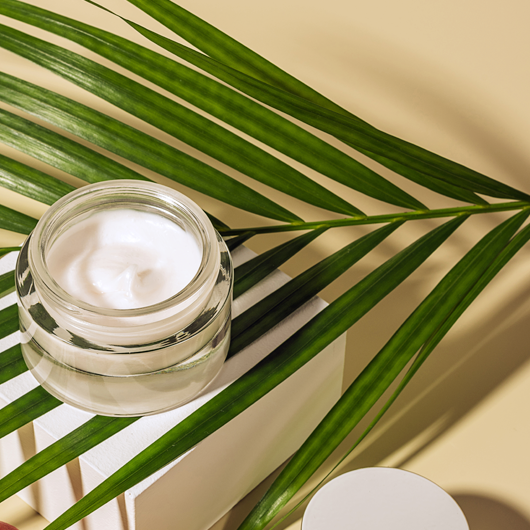


You know the moment. You look in the mirror after cleansing, and the redness seems louder than it did an hour ago. Maybe your cheeks flush after a hot shower, maybe a new serum made your skin feel warm, or maybe your face just looks uneven and reactive for no obvious reason. A good redness reducing serum doesn't try to be magic, it gives the skin a lighter, more comfortable-feeling routine with ingredients that help the face look calmer, more even, and less visibly flushed.
Table of Contents
- What a Redness Reducing Serum Actually Does
- Common Triggers of Visible Facial Redness
- Key Ingredients That Help Calm the Look of Redness
- Choosing the Right Formula for Your Skin Type
- How to Layer a Redness Serum in Your Routine
- DIY Redness Serum Considerations for the Clean Beauty Enthusiast
- Putting It All Together and Myths to Retire
- Frequently Asked Questions About Redness Reducing Serums
What a Redness Reducing Serum Actually Does
You wash your face, pat it dry, and the mirror still shows that pink, blotchy look you were hoping would fade. That's the kind of moment where a redness reducing serum earns its place, because it's built to help the skin look calmer before you seal everything in with a cream. It sits between cleansing and moisturizing, so it can deliver lightweight support without the heavier feel of a lotion or balm.
Serum first, cream second
A serum is usually thinner than a moisturizer, which matters because thinnest-to-thickest layering gives each product room to spread and sit where it belongs. Adding dressing to a salad before the cheese, not after the bowl is already full, is a useful way to visualize the order. The serum is the step that usually focuses on a targeted cosmetic goal, while the moisturizer helps trap water and soften the finish.
A redness serum is not a treatment for a medical condition. In plain language, it's a formula meant to support the look of visible redness, the feel of comfort, and a more even-looking surface. Some serums are purely soothing, others use light-reflecting or green-tinted pigments to make redness look softer right away, and many do both.
The science behind this category has become more concrete over time. A 2019 clinical and in vitro study of anti-redness cosmetics included 382 participants, and the serum arm showed a statistically significant reduction in facial redness associated with winter xerosis by Day 29. The adjusted mean change from baseline was -0.67, the baseline redness score was 2.13, and the result was significant at P < 0.001 (study details).
For a broader perspective on how serums can support the skin at the cellular level, this overview on cellular serum benefits is a useful read.

Common Triggers of Visible Facial Redness
Skin can act like a busy city. When traffic flows smoothly, you barely notice it. When something jams the roads, the whole place looks and feels tense, and facial redness often follows the same pattern. The problem usually isn't one single product, it's the daily pileup of small irritants that make skin look more reactive.
The usual culprits
UV exposure can leave skin looking more visibly flushed, especially when it's already fragile-feeling. Hot showers do something similar, because heat expands the surface vessels and can make the face look redder for a while. Harsh cleansers and alcohol-heavy formulas can strip the skin's comfort level fast, which is why a cleanser that squeaks can be a red flag instead of a sign of cleanliness.
Fragrance and aggressive exfoliation are common pattern-breakers too. One too-many scrub, acid toner, or strong active can leave the skin surface looking uneven and easily set off again the next day. Weather shifts, especially cold wind or dry indoor heat, can add another layer of stress, so a face that looks fine one week may start flushing the next.
Practical rule: if a product leaves your skin tight, hot, or stingy, it's probably making redness harder to manage, not easier.
That's why it helps to spot whether your redness is mostly temporary flushing, or the kind of persistent-looking uneven tone that keeps showing up even on quiet days. The first often reacts to triggers. The second usually benefits from a steadier routine with gentle support, barrier-friendly hydration, and less routine churn.
A helpful external read on inflammatory triggers in skincare habits is the guide at what causes skin inflammation, especially if you're trying to sort out whether your own routine is part of the problem.
Key Ingredients That Help Calm the Look of Redness

A good redness formula usually isn't built around one hero ingredient. It's more like a small repair crew, with each ingredient handling a different cosmetic job so the skin looks less rattled overall. Some ingredients soften the surface feel, others help the face hold onto water, and a few make redness look less obvious on contact.
The ingredient glossary that actually matters
Niacinamide is one of the most useful options because it can support a more even-looking tone without feeling heavy. It shows up again and again in redness-focused products, and a 2019 clinical review described an anti-redness serum with panthenol, palmitoylethanolamide (PEA), and niacinamide as reducing facial redness in healthy volunteers with sensitive skin. The same source also linked glycerin, PEA, niacinamide, and panthenol with reduced redness from winter xerosis (review summary).
Panthenol is the comfort ingredient many reactive skin users notice first. It's the kind of ingredient that helps a formula feel less harsh on contact, especially when the face is already touchy from weather or over-cleansing.
Glycerin is a classic humectant, which means it pulls water into the outer layers so the skin looks more supple and less visibly dry. Dryness often makes redness look louder, so hydration support matters more than people expect.
Palmitoylethanolamide, or PEA, shows up in redness formulas because it fits well in sensitive-skin blends. It's usually paired with other soothing ingredients rather than used alone.
Centella asiatica is popular in clean-beauty formulas because it tends to fit the “quiet the look of the skin” category. The same goes for allantoin, which is often chosen when a formula needs a softer, more cushioned finish.
Colloidal oatmeal is a smart choice when skin needs a buffer, not a buzz. IT Cosmetics describes a clinically tested redness serum that uses colloidal oatmeal to soothe sensitivity and strengthen the moisture barrier while also neutralizing the look of facial redness with green, light-reflecting pigments (product summary).
A separate consumer-tested redness serum page reported that after one use, 96% agreed their skin felt soothed, 90% felt cooling, and 100% said it absorbed quickly. After 28 days, 100% agreed their skin felt soothed and hydrated, 100% said it visually evened skin tone, 90% felt it neutralized redness, and 84% felt less reactive (consumer results).
Formulator note: for very reactive skin, fragrance and essential oils are often the first things I'd remove before I'd add another active.
If you want a broader ingredient lens, the ArtNaturals sensitive skin guide is a practical companion piece for understanding why niacinamide is such a common pick.
The red-leaning formulas on the market also tend to be more transparent about what they're trying to do. A clinical summary for one serum reported a 35% reduction in redness, 42% reduction in flushing severity, 34% reduction in flushing frequency, and 41% reduction in facial acne after a routine that used a glycerin cleanser for one week and then added the serum for another week, with results reported as significant at p<0.01 (clinical summary). On the visual side, some formulas lean on green-reflecting pigments to make redness look softer immediately, which is a useful cosmetic trick when skin needs help before makeup even enters the picture.
If you're ingredient-shopping and want a real product example, HydroGlow Anti-Aging Night Mask includes aloe, glycerin, and triglycerides in a night-mask format that's aimed at adding moisture and comfort while the skin rests.
For readers comparing redness-support ingredients with acid-based routines, the overview at azelaic acid is a good contrast point because it helps separate soothing, barrier-first formulas from more active-leaning options.
Choosing the Right Formula for Your Skin Type
Skin type changes the whole shopping decision. A formula that feels elegant on dry skin can feel too rich on oily skin, and a serum that looks featherlight on combination skin might still irritate if the ingredient deck is crowded. The goal is to match the texture, the support ingredients, and the finish to the way your skin behaves most days.
Matching texture to the skin you actually have
| Skin Type | Preferred Texture | Ingredients to Look For | Ingredients to Avoid |
|---|---|---|---|
| Dry | Water-based, humectant-rich, slightly cushiony | Glycerin, niacinamide, panthenol, hyaluronic acid | Strong fragrance, drying alcohols |
| Oily | Lightweight gel-serum, fast-absorbing | Niacinamide, green-tinted optical reducers, light hydrators | Heavy oils, overly rich balms |
| Combination | Thin serum with balanced hydration | Niacinamide, glycerin, centella asiatica | Dense butters all over the face |
| Mature | Serum with slip and comfort | Glycerin, panthenol, hyaluronic acid, allantoin | Harsh exfoliating stacks |
| Easily reactive | Minimalist, fragrance-free, short ingredient list | Panthenol, colloidal oatmeal, PEA, glycerin | Essential oils, perfume, high-activity blends |
Dry skin usually needs a formula that feels almost drink-like at first spread, then leaves a soft finish. That's where hyaluronic acid or glycerin-rich formulas make sense, because they help the skin hold onto water without needing a greasy top layer. Oily skin, on the other hand, often does better with a niacinamide-forward serum that stays light and disappears quickly.
Combination skin needs balance more than intensity. One area might be shiny while another feels tight, so a formula with a short INCI list and a clean, fluid texture usually makes more sense than a dense cream-serum hybrid. Mature skin often likes a little more slip, especially if the face has a dry, creased look that makes redness more visible.
Reactive skin is the one that deserves the shortest ingredient deck. If a bottle is packed with botanicals, acids, scent, and extra actives, it's probably not the calmest choice, even if the marketing sounds gentle.
Shopping shortcut: if the front label talks a lot about “glow” but the INCI list is crowded and scented, that's a harder match for redness-prone skin than a plain, fragrance-free formula with a few obvious hydrators.
For a barrier-focused read that pairs well with this decision process, the article on how to strengthen skin barrier helps put the texture choice in context.
How to Layer a Redness Serum in Your Routine
A redness serum works best when it isn't fighting six other products for attention. The cleanest order is simple, and it keeps the formula where it can spread evenly instead of getting trapped under a heavier layer too soon. If you've ever piled on too much at once and watched everything pill, you already know why this matters.
The routine order that makes sense
- Cleanse gently.
- Use a hydrating toner if your skin likes one.
- Apply the redness serum.
- Seal it with moisturizer.
- Finish with SPF in the morning.
The “thinnest to thickest” rule is the easiest way to remember it. A serum should usually go on damp, clean skin so it can spread without friction, then moisturizer follows to hold in the comfort the serum started. In the morning, SPF comes last because redness-prone skin needs daily protection from the same outside stressors that often make the face look more flushed.

The biggest layering mistake is trying to make one routine do everything at once. Strong exfoliating acids, fragrance-heavy essences, and a redness serum can be too much in the same pass, especially if your skin is already temperamental. A better approach is to keep the redness routine calm and let the active exfoliation live on separate nights, if you use it at all.
Start slowly. Every other night for the first week is a smarter launch plan than jumping in daily and guessing later whether the product or the routine caused the flush.
A good external reference on product order is the correct order to apply skin care products, especially if you're trying to line up toner, serum, cream, and sunscreen without overthinking it.
DIY Redness Serum Considerations for the Clean Beauty Enthusiast
If you like transparent formulas, DIY can be a satisfying path. The appeal is simple, you know what's in the bottle, you control the texture, and you can keep the formula as minimal as your skin prefers. For a water-based redness serum, Sodium Hyaluronate is a very clean base ingredient because it gives the serum a hydrating backbone without adding a bunch of extras.
A powder base gives you more control
Skin Perfection's Sodium Hyaluronate Pure Hyaluronic Acid Powder is described as a cosmetic-grade, high-molecular-weight NASHA powder with a stated molecular weight of 800 to 1500 Daltons, and the catalog notes typical DIY use at 0.1 to 2% in water-based serums. That makes it useful for small, fresh batches when you want a minimalist formula with a straightforward hydration story.
A simple DIY approach is to build around the hyaluronic acid base, then keep add-ins restrained. A little panthenol can help the formula feel friendlier on the skin, niacinamide can support a more even-looking finish, and a small amount of green tea extract can fit the same clean-beauty direction if you tolerate botanicals well. The key is not stacking every trendy active into one bottle.
Preservation matters because water-based products can't be treated casually. If you're making a serum at home, you need a proper preservative system, attention to pH, and clean tools every time you mix. Patch-testing also matters, because even a simple formula can feel different from one skin type to the next.
DIY rule of thumb: the simpler the formula, the easier it is to understand what your skin actually likes.
If you want to compare this with a ready-made moisturizing option, HydroGlow's night mask format combines hydrators and comfort ingredients in a leave-on product, while a DIY serum gives you the tighter control that formulators usually want. For preservative planning, the article at natural skin care preservative is a useful reference before mixing any water-based batch.

Putting It All Together and Myths to Retire
A workable redness routine is usually modest, not dramatic. Find the triggers that make your face flare, choose two or three supporting ingredients, layer them in the right order, and give the routine time to show you whether the skin looks calmer. A new product also deserves a patch test, especially if your skin tends to overreact.

Three myths are worth retiring. First, a redness serum doesn't cure sensitive skin, it supports the look and feel of it. Second, natural ingredients aren't automatically gentle, because fragrance and essential oils can still be irritating. Third, more actives don't equal faster results, they often just create more chances for the skin to protest.
The calmest routines are usually the ones that stay consistent. That's the key advantage of a well-made redness serum, it gives your skin a steady, repeatable experience instead of a guessing game.
Frequently Asked Questions About Redness Reducing Serums
How long before redness looks softer?
Some formulas are meant to give a quick cosmetic effect right away, especially if they use green-reflecting pigments. Ingredient-led formulas often need consistent use, and the clinical data above shows measurable changes over days and weeks rather than minutes.
Can I use a redness serum with retinol or exfoliating acids?
Yes, but not in the same overloaded routine if your skin gets reactive. Keep the redness serum on simpler nights, and separate strong exfoliants or retinoids if your face tends to flush easily.
How do I store a DIY water-based serum?
Use a proper preservative system, keep the container clean, and store it away from heat and direct sun. Small batches are better than large ones when you're working with water-based formulas.
Can I use it around the eyes?
Only if the product is specifically made for that area. The eye zone is more delicate, so a serum that feels fine on the cheeks can still sting near the lash line.
Skin Perfection offers clean-beauty skincare and DIY supplies for readers who want to build a simpler redness routine or mix a water-based serum at home. If you want to compare ready-made hydration products with formulator-friendly ingredients, visit Skin Perfection and browse the options with your skin type in mind.