

 Buy with Prime
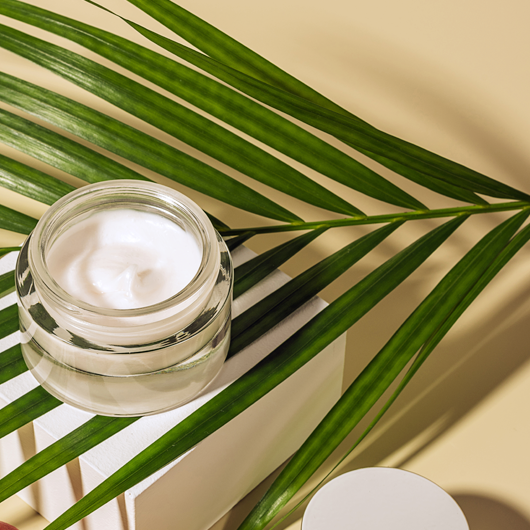


The most popular hydration advice is often the least complete. Drinking more water and applying a hyaluronic acid serum can support your routine, but neither will compensate for a disrupted outer barrier that lets moisture escape. A successful skin care routine for hydration makes water available, then helps the skin hold on to it.
At Skin Perfection, the practical distinction matters. We formulate and supply skincare products and lotion-making ingredients for people who want to understand what goes onto their skin and, in some cases, control the process themselves. The standard is cosmetic care that beautifies the skin, with product descriptions written around truthful, non-misleading cosmetic language rather than disease or drug claims.
Table of Contents
- Why Barrier Repair Beats Chasing Surface Wetness
- Morning Routine for Lasting Hydration
- Evening Routine for Overnight Recovery
- Core Hydration Actives and How to Pair Them
- Build Your Own HA Serum at Home
- Troubleshooting Dehydration and Oily Skin
- Lifestyle Habits and a Daily Hydration Checklist
Why Barrier Repair Beats Chasing Surface Wetness
A glass of water can support your general wellbeing, but it isn't a substitute for a well-structured topical routine. A recent study found that moisturizers had a more favorable short-term impact on skin hydration than additional water intake, while earlier controlled work found no relevant change in transepidermal water loss from higher water consumption. That distinction is central to a barrier-first approach. The study comparing moisturizers with water intake supports treating surface hydration and internal water consumption as related, but different, questions.
The outermost layer, the stratum corneum, behaves like a brick-and-mortar wall. Corneocytes provide the bricks, while intercellular lipids, including ceramides, cholesterol, and fatty acids, help form the mortar. Healthy stratum corneum typically contains only about 10% to 30% water, compared with about 75% to 85% in the deeper stratum basale, a gradient that helps the outer layer function as a barrier. This dermatology review explains why a useful hydration routine must address water balance and transepidermal water loss, not just add a wet-feeling product.

Why humectants need support
Humectants such as glycerin, urea, and hyaluronic acid attract water. Occlusives such as petrolatum and dimethicone form a water-resistant film that reduces TEWL, while emollients soften the feel of skin by filling spaces between cells. Clinical literature on moisturizer structure describes these three classes and their distinct jobs.
A humectant serum can feel wonderful on damp skin, but it isn't a complete moisturizer. If the surface barrier is severely disrupted, adding more water-binding material without a lipid or occlusive layer can leave the formula feeling tight, tacky, or briefly smooth before the effect fades. More product often masks the problem rather than solving the loss of water.
Practical rule: Every layer should either add water, soften the surface, support the lipid structure, or slow evaporation. If it does none of those jobs, it may not belong in the routine.
For a deeper overview of barrier-focused ingredients and habits, see this guide to strengthening the skin barrier. You can also use Athena Plastic Surgery skin health as a complementary professional resource when you want broader skin-health context. The premise remains simple: hydration works better when the wall holding it is treated as the priority.
Morning Routine for Lasting Hydration
Your morning routine should be light enough to layer under sunscreen but structured enough to reduce moisture loss throughout the day. Apply products from the thinnest texture to the thickest, and give each water-based layer a moment to settle before adding the next.
Start clean without stripping
Use a low-pH, sulfate-free cleanser if you wake with oil, sweat, or residue. If your skin is sensitive or feels tight in the morning, a plain water rinse may be enough. The correct cleanser is the one that leaves the skin comfortable, not squeaky.
Follow with a toner or essence led by glycerin or panthenol. Apply it while the skin still has a little dampness. This step gives the next humectant layer a better water environment and can reduce the temptation to apply excessive serum.

Layer the water phase before the lipid phase
Apply a hyaluronic acid serum containing 1% to 2% Sodium Hyaluronate to damp skin. Sodium hyaluronate is a water-binding polymer, so it belongs before a lotion or cream that supplies emollients and barrier-supporting lipids. If you apply it to completely dry skin and leave it unsealed, the finish can become tight or sticky.
Next use a peptide or ceramide lotion, followed by a day moisturizer containing ceramides, cholesterol, and fatty acids. A roughly 3:1:1 ratio of ceramides, cholesterol, and fatty acids is commonly used as a formulation target for barrier-oriented lipid systems, but the finished product's texture and skin feel matter as much as the ingredient list.
Finish with broad-spectrum sunscreen at SPF 30 or higher. UV exposure can undermine the comfort and appearance you're trying to create, so sunscreen is part of a hydration routine, not an unrelated final step. For application order and texture control, consult this guide to the correct order to apply skincare products.
If you're adjusting your routine after professional exfoliation, a specialized 2026 chemical peel guide can help you think through post-procedure product selection. For a richer evening finish rather than a daytime layer, the HydroGlow Anti-Aging Night Mask is a leave-on mask formulated with multiple forms of hyaluronic acid, polyglutamic acid, jojoba, squalane, aloe, glycerin, and triglycerides.
Evening Routine for Overnight Recovery
Night is when many people can tolerate a more deliberate routine because there's no sunscreen, makeup, or daytime layering to manage. Keep the order disciplined. A richer final layer can't compensate for a cleanser that leaves your face tight or a treatment schedule that overwhelms your skin.
Remove the day in two passes
Begin with an oil cleanser or balm to dissolve sunscreen, makeup, and sebum. Massage without aggressive rubbing, then emulsify and rinse according to the product directions. Follow with a water-based cleanser to remove the remaining film and prepare the skin for leave-on products.
Pat until the skin is damp rather than completely dry. Apply a hydrating toner or essence, then use a leave-on exfoliating product only on selected nights. Polyglutamic acid can provide a film-forming hydration layer, while a low-strength PHA may be appropriate for some routines. Don't treat exfoliation as a nightly requirement.

Build toward a quiet final layer
After the toner, apply your treatment serum. Niacinamide or a peptide complex can fit here, provided the formula is comfortable and compatible with the rest of the routine. Follow with a richer ceramide cream to add emollience and lipid support.
Finish with the Skin Perfection HydroGlow overnight mask as the final occlusive-style step when your skin tolerates it. A leave-on mask differs from a rinse-off gel mask because it remains on the skin long enough to reduce evaporation from the water-based layers below. The catalog description identifies three types of hyaluronic acid, polyglutamic acid, sea silt ferment, algae extract, jojoba, squalane, aloe, glycerin, and triglycerides in the formula.
Use the mask two to three nights weekly as a starting point, or less often if your skin is oily or congestion-prone. Avoid stacking a strong acid, a retinoid, and several other intensive treatments on the same night. A simpler evening routine is easier to evaluate and less likely to produce stinging.
For a focused overnight sequence, use this guide to hydrate skin overnight. Product tolerance should determine frequency, not the desire to add another layer.
Core Hydration Actives and How to Pair Them
A good formula doesn't need every hydrating ingredient. It needs complementary functions. Humectants attract water, emollients improve softness and spreadability, and occlusives reduce evaporation. Apply the watery products first, then lotions, creams, and oils.
The four workhorses
Sodium hyaluronate and multi-weight hyaluronic acid bind water at the surface and can create different sensory and film-forming effects depending on molecular size. Typical cosmetic use ranges from 0.1% to 2% for Sodium Hyaluronate Powder, and Skin Perfection lists that range for DIY serum work. A damp application followed by a moisturizer is more reliable than a dry, unsealed serum.
Glycerin is one of the most dependable humectants in a water-based formula. A typical range is 3% to 10%, depending on the rest of the composition and the desired tack level. At the lower end it can support slip and comfort without dominating the finish. Higher levels may feel sticky unless balanced with emollients.
Ceramides belong in the lipid phase. Ceramides NP, AP, and EOP can be paired with cholesterol and fatty acids, often around a 3:1:1 balance, to create a more coherent barrier-oriented system. Look for a finished moisturizer rather than trying to judge the result from one ingredient alone.
Peptides such as palmitoyl tripeptide-5 or copper peptides are commonly used around 1% to 5%, depending on the supplier's recommended dilution and the complete formula. Treat peptides as a targeted support step, not as a replacement for a humectant, emollient, or occlusive.
| Active | Typical Concentration | Primary Role | Best Paired With |
|---|---|---|---|
| Sodium hyaluronate | 0.1% to 2% | Water binding and film formation | Glycerin, ceramide lotion, cream |
| Glycerin | 3% to 10% | Humectant hydration | Panthenol, emollients, occlusives |
| Ceramide complex | Supplier-dependent | Lipid-phase barrier support | Cholesterol, fatty acids, cream base |
| Peptides | 1% to 5% | Formula-based conditioning and signaling support | Hydrating serum, moisturizer |
Oil over a dry HA serum can pill because the polymer film and the oil phase don't always spread evenly across the skin. Apply the serum to damp skin, use a modest amount, and follow with a compatible emulsion instead of pouring an oil directly over a tacky layer.
Avoid applying high-strength acids directly alongside peptides when the supplier's guidance flags incompatibility. Retinoids belong in the evening only when your skin already tolerates the basic routine. For broader ingredient context, explore natural humectants for skin and this overview of science-backed CBD for complexion, keeping each new active separate enough that you can identify what your skin accepts.
Build Your Own HA Serum at Home
A simple DIY serum starts with a scale, clean tools, and a conservative batch size. Sodium hyaluronate is a polymer, so the process matters. Dumping powder into water usually creates clumps that take longer to disperse and can leave an uneven gel.

A 1% bench formula
For a 1% stock, weigh 1 gram of Sodium Hyaluronate Powder and 99 grams of distilled or deionized water. Sprinkle the powder slowly across the water's surface while mixing gently. Don't create a dense mound in one spot. Allow the polymer to hydrate gradually, then cover the vessel and refrigerate it for 24 hours so the gel can fully bloom.
Use a broad-spectrum cosmetic preservative at the supplier's stated rate. A general range may be 0.5% to 1% phenoxyethanol, or the appropriate amount of a compatible Euxyl or Koshland blend. Preservative math changes when you add ingredients, so don't add optional materials without recalculating the total batch.
Decant, label, and test
Once the gel is uniform, transfer it into a clean 30 mL pump or dropper bottle. Label the product with the formula, date made, and a 4 to 6 week discard date. Store it as directed for the preservative and packaging you selected, and discard it sooner if the smell, color, texture, or appearance changes.
Patch test on the inner forearm before facial use. A true 1% HA serum can feel lighter than a glycerin-rich essence because HA contributes a polymer film, while glycerin often creates more noticeable slip and tack. You can add 2% to 5% glycerin or 0.5% panthenol for a broader humectant blend, but account for those ingredients in the total formula and preservation plan.
The DIY hyaluronic acid serum guide can help you compare batching approaches. If you're new to preservation, start with a plain, small batch and follow the raw-material supplier's technical documentation.
Troubleshooting Dehydration and Oily Skin
Dehydration describes water loss. Dryness describes a shortage of lipids. They can appear together, but they don't require identical adjustments. Dehydrated skin may show fine lines that look more pronounced, while dry skin often feels rough, flaky, tight, or uncomfortable.
Try two simple observations. Gently pinch a small area and watch whether fine lines soften quickly, then notice how your skin feels after cleansing. Persistent tightness immediately after washing suggests that the cleanser, water temperature, or cleansing frequency may be too aggressive.
When oily skin still needs hydration
Oily, dehydrated skin can produce excess sebum while still lacking a comfortable water balance. Stripping it with a strong foaming cleanser may leave the surface feeling temporarily clean but can make the routine harder to tolerate.
For dehydrated-only skin, add a glycerin or HA essence and follow it with a ceramide moisturizer. For oily-dehydrated skin, try a low-pH gel cleanser, a weightless ceramide fluid, and less occlusive layering.
Use HydroGlow on clean skin for 10 minutes once or twice weekly, then rinse, if a leave-on finish feels too rich or congestion develops. That approach gives you the mask step without automatically adding a heavy overnight film.
Pause strong acids or retinoids if stinging continues despite simplifying the routine. Persistent eczema-like flaking, significant discomfort, or a rash that doesn't settle deserves assessment by a dermatologist rather than another product experiment.
Lifestyle Habits and a Daily Hydration Checklist
Bedroom humidity can affect how comfortable skin feels overnight, especially in dry indoor air. Moderate caffeine and alcohol intake, consistent sleep, and avoiding prolonged face-to-pillow pressure can support a calmer routine, but topical humectants and barrier-supporting moisturizers address surface hydration more directly than increasing water intake.
Use this checklist to keep the routine practical:
Morning
- Cleanse lightly: Use a gentle cleanser or water rinse.
- Add water-binding support: Apply HA serum to damp skin.
- Support the barrier: Layer glycerin, panthenol, or a ceramide lotion.
- Seal and protect: Finish with moisturizer and broad-spectrum sunscreen.
Evening
- Remove buildup: Use an oil or balm cleanser, then a water-based cleanser.
- Hydrate: Apply toner, essence, or HA serum.
- Choose one treatment: Avoid stacking multiple strong actives.
- Finish selectively: Use moisturizer, then an overnight mask two to three nights weekly if your skin tolerates it.
The Skin Perfection HydroGlow Overnight Mask can serve as that occasional final layer, while a carefully made Sodium Hyaluronate serum offers a lab-style DIY route. Hydrated skin isn't merely wet skin. It's skin with enough water and enough barrier support to keep that water where it belongs.
Skin Perfection offers ready-made skincare and lotion-making supplies for building barrier-conscious hydration routines, including cosmetic ingredients such as Sodium Hyaluronate Powder. Visit Skin Perfection to explore products and formulation supplies for a more deliberate approach to everyday skin care.