

 Buy with Prime
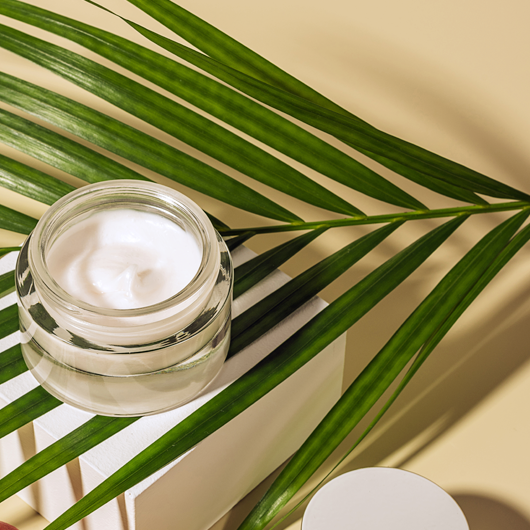


Most advice about a stem cell facial serum starts with the wrong premise. It treats the bottle like it contains living stem cells ready to “work” on your face, when most topical formulas rely on plant meristem extracts, conditioned media, or other nonliving cosmetic actives that support the skin's surface environment. If you make, buy, or review these products, that difference is the whole story.
What matters more is what's in the formula, how stable it is, and whether the rest of the serum can carry those actives well. A well-built serum is less about a miracle label and more about a smart mix of signaling ingredients, hydrators, and antioxidants that behave like a coordinated skincare system. That's the lens I use as a formulator, because it keeps the science honest and the DIY process practical.
Table of Contents
- What a Stem Cell Facial Serum Actually Is
- How Plant Stem Cells and Conditioned Media Work in Skin Care
- Key Actives Paired With Stem Cell Ingredients
- Clinical Evidence and Realistic Expectations
- Comparing Stem Cell Serums to Retinoids, Vitamin C, and Peptides
- DIY Formulation of a Natural Stem Cell Facial Serum
- Integrating a Stem Cell Serum Into Your Routine
- FAQ and Common Misconceptions
What a Stem Cell Facial Serum Actually Is
A stem cell facial serum usually does not contain live stem cells. That's the first label myth to clear up, because the bottle is almost always built around plant meristem cell culture extracts or conditioned media, not transplantable cells. The active story is about what those ingredients leave behind, not about placing living biology on skin.
Three ingredient classes you'll see
Plant meristem extracts come from cultured plant cells, and they're used as cosmetic ingredients for their antioxidant and conditioning profile. Conditioned media is different, because it's the nutrient-rich liquid collected after cells have been grown in culture. Then there's the broader group of growth-factor serums, which may use signaling molecules, peptides, and related cosmetic actives to support the look of skin.
That's why label reading matters so much. A product can sound futuristic while being a fairly ordinary hydrator with a botanical extract, or it can be a more technical formula with conditioned media and a supporting base. If you want a clean definition to compare products, start with the ingredient list, not the marketing language.

Practical rule: if a serum doesn't name the source of its stem-cell-related ingredient, assume the front label is doing more work than the formula.
For readers sorting through marketing, the easiest filter is simple. Ask whether the label points to a plant meristem extract, human cell-conditioned media, or a vague “stem cell complex.” The last one can still be a legitimate cosmetic ingredient, but it deserves more scrutiny than the first two because it tells you less about what you're applying. For a deeper botanical example, this plant stem cell ingredient guide is a useful companion when you're comparing ingredient families.
How Plant Stem Cells and Conditioned Media Work in Skin Care
Plant stem cell ingredients and human cell-conditioned media are often grouped together in retail copy, but they function differently in a formula. Plant meristem extracts come from plant tissue cultures grown in controlled conditions, then they are added for cosmetic support, usually inside a hydration and antioxidant base. Conditioned media is the spent culture fluid, and it can contain signaling compounds such as peptides and proteins that are used in skincare for their cosmetic activity.
Think postcard, not transplant
A useful analogy is a postcard versus the actual letter. The cells are the writer, but the serum usually delivers the message, not the writer itself. In formulation terms, that message still has to survive preservation, packaging, and time on the shelf before it ever reaches your skin.
Concentration and delivery matter for that reason. The formula has to keep the active ingredients stable enough to be useful, and it also needs a base that helps them spread evenly and feel elegant on skin. A stem-cell-related ingredient with poor stability can underperform even if the raw material sounded impressive on paper.
If you build or buy around a plant source, you'll often see companion ingredients like humectants and soothing agents. For example, Sodium Hyaluronate Powder Pure Hyaluronic Acid is a cosmetic-grade powder used to build water-based serums and creams, and it supports the hydration profile that makes a formula usable.
Where botanical extracts fit
Botanical ingredients can be useful even when they are not the headline act. A resource like gynostemma pentaphyllum extract is a good example of how plant ingredients are often positioned as support ingredients in clean-beauty formulas. They are not a substitute for a stem-cell-related active, but they can complement it by contributing antioxidant texture and a softer skin feel.
For shoppers trying to decode broader regenerative claims, the classification gets even messier once exosomes enter the conversation. This internal guide on exosomes in skincare helps separate hype language from ingredient categories, which is the kind of context most shoppers need before paying premium prices.
Key Actives Paired With Stem Cell Ingredients
A stem cell facial serum usually works best as part of a small system, not as a lone hero. The most useful formulas combine humectants, peptides, and antioxidants so the stem-cell-related ingredient can do one clear job while the rest of the formula supports feel, stability, and daily use. Skin care is a mix of chemistry and experience, and both matter on the face.
Humectants keep the formula comfortable
Humectants such as glycerin and sodium hyaluronate help the skin hold water at the surface. In a serum, they improve slip, reduce the tight feeling that can happen as a product dries, and make layering under moisturizer or sunscreen easier. They also create a more immediate sense of comfort, which is why texture often stands out before any longer-term change does.
Peptides and niacinamide do different jobs
Peptides usually serve as gentle signaling ingredients. They suit formulas that are trying to support a firmer, more refined skin feel without pushing into harsh territory. For readers who want a clearer breakdown of how these ingredients are used, this guide to peptide serum basics explains the role of peptides in a way that makes side-by-side comparison easier.
Niacinamide is often paired with peptides because it supports the look of even tone and barrier comfort. That pairing gives a stem-cell-related serum a broader day-to-day profile, especially for people who want one formula to feel calming while still addressing the look of texture.
Antioxidants matter because the bottle has to survive
A serum built around delicate actives also needs antioxidant support for the formula itself and for the skin. Botanical antioxidants and stabilized blends help slow the wear that can happen when a product is exposed to light, air, and regular use. A well-known example of this category is beautysecrets.agency's patented antioxidant blend serum, which shows how brands often frame antioxidant systems as the protective layer in a routine rather than the main hydrating step.
Formulator's note: the support ingredients are not filler. They are what help the main active feel polished enough to use every day.
A good serum also has to feel balanced, not crowded. If the humectant base is too light, the formula can feel tight. If the peptide or antioxidant side is overbuilt, the texture can start to feel busy instead of elegant. The strongest formulas keep each role distinct, so the skin gets hydration, support, and protection without one ingredient trying to do everything at once.
Clinical Evidence and Realistic Expectations
The evidence base for stem cell facial serum products is encouraging, but it's still narrower than people assume. In a 2015 study of a novel anti-aging serum containing apple stem cell ingredients, the tested serum at both 0.1% and 1% increased cellular oxygen consumption and ATP while reducing extracellular lactate and mitochondrial ROS. The same trial reported an anti-wrinkle effect in 71% of treated women, visible effects within 7 days in 68%, and significant improvements in dermal density and skin elasticity. Those results matter because they show cosmetic stem-cell-derived actives being measured against biological and clinical endpoints, not just marketing language. PubMed study
What controlled topical studies suggest
A 2020 clinical study on topical formulations containing adipose-derived stem cell conditioned media found moisture gains in the T-zone, with one treated group moving from 67.62 to 69.61 and another from 66.51 to 69.03, while the untreated control declined from 68.69 to 67.26. The same study reported better outcomes for TEWL, melanin, erythema, eye wrinkles, and skin roughness. That pattern is what I'd expect from a cosmetic product that supports the barrier while also nudging the look of texture. BMC Dermatology study
A separate systematic review of topical growth-factor preparations reported mean improvements of 29% to 41% in wrinkles, 40% to 54% in skin texture, and 29% to 47% in firmness after 3 months of use. Those numbers are useful, but they don't mean every serum will perform the same way. They tell us the category has repeatable signal, not guaranteed outcomes.
| Clinical Results Across Stem Cell Serum Trials | |||
|---|---|---|---|
| Study Type | Key Active | Reported Benefit | Timeframe |
| Clinical serum trial | Apple stem cell ingredients | Visible anti-wrinkle effect in 71% of treated women, plus improved dermal density and elasticity | 7 days for visible effect in 68% |
| Controlled topical study | Adipose-derived stem cell conditioned media | Improved moisture, TEWL, melanin, erythema, eye wrinkles, and roughness | Short treatment window |
| Systematic review | Topical growth-factor preparations | Mean improvements of 29% to 41% in wrinkles, 40% to 54% in texture, 29% to 47% in firmness | 3 months |
The practical takeaway is modest and useful. Expect a stem cell facial serum to behave like a gradual cosmetic support product, not a dramatic overnight reset. The formulas with the best odds usually pair the stem-cell-related ingredient with hydration, preservation, and stable packaging, because the delivery system often determines the practical experience.
Comparing Stem Cell Serums to Retinoids, Vitamin C, and Peptides
The better question is not whether a stem cell serum is “good.” It is what role you want it to play beside the actives already in your routine. That answer changes depending on whether your priority is hydration, tolerance, texture, or visible brightness.
Where each category tends to fit
Retinoids are still the reference point for texture and turnover, but some skin types do not enjoy them. Vitamin C is usually chosen for brightness and antioxidant support, especially in formulas built around a strong protective system like the patented antioxidant blend serum model discussed earlier. Peptides sit in a gentler middle ground, where they support a calmer daily routine without the same level of stimulation.
A stem cell facial serum usually belongs beside those options rather than in place of them. It often makes the most sense if your skin gets reactive, if you want a cushioned feel on the skin, or if your routine centers on barrier comfort and cosmetic support. For readers comparing softer anti-aging options, this internal guide on how bakuchiol, retinol, and peptides differ in anti-aging routines gives a useful framework for choosing what fits your skin and your tolerance.

Who tends to get the most value
People who want a gentler daily serum often like the stem-cell category because it can be built around hydration and support rather than peel-like intensity. Estheticians also value it as a post-procedure companion when they want a client to stay with a soft, comforting formula after stronger home actives are paused.
Buying rule: if your current routine already covers turnover and brightness, a stem cell serum should earn its place by improving comfort, layering, and consistency.
That is why the category can feel worth the cost for some users and not for others. If someone needs stronger wrinkle correction, more established actives may still be the first stop. If someone wants a polished-feeling serum that is easy to tolerate and supports the look of skin without a harsh learning curve, this category makes more sense.
DIY Formulation of a Natural Stem Cell Facial Serum
A clean DIY stem cell facial serum starts with restraint. I would rather see a maker build around one stem-cell-related ingredient, one humectant base, and one supportive antioxidant than throw ten actives at the skin and hope the bottle behaves. The strongest natural serums usually feel simple because the structure is doing real work.
A practical starter structure
Start with a water-based base, because most stem-cell-related cosmetic ingredients and humectants perform best there. Add a hydrating anchor such as sodium hyaluronate, then layer in a plant meristem extract or conditioned media that fits your preservation system. If you want a ready-made formulating reference, the internal cosmetic formulation guide can help you check ingredient compatibility before you mix.
For a hydration-first serum, sodium hyaluronate can be used across a range of concentrations, allowing you to adjust the feel from a light daily serum to a thicker gel. Powdered HA is useful in DIY work because you can tune the texture instead of being locked into a premixed base. A small batch also helps you keep the formula fresh, which matters when you are using delicate actives.
What I'd keep in the formula
A balanced natural serum often includes:
- Humectant base: glycerin or sodium hyaluronate for slip and water binding.
- Stem-cell-related active: plant meristem extract or conditioned media at the supplier's recommended level.
- Support ingredient: a peptide or niacinamide if the system allows it.
- Preservation: a broad-spectrum preservative that matches the formula's pH and water content.
Formulator's note: the formula should feel elegant before it feels “active.” If it is sticky, unstable, or cloudy in the wrong way, the skin experience will suffer no matter how good the actives sound.
A clean-beauty maker also has to respect pH, sanitation, and packaging. Water-based serums need careful preservation, and dark glass droppers or air-restrictive packaging can help protect sensitive ingredients from light and repeated contamination. If you are comparing how a gentle serum fits into treatment aftercare, the Omega Lasers microneedling overview is a useful reference point for that workflow. If the bottle is not stable, the formula is not finished.
Integrating a Stem Cell Serum Into Your Routine
The best way to use a stem cell serum is to keep the routine boring and consistent. Apply it after cleansing and before moisturizer, then seal it in with a cream if your skin tends to feel tight. If you use exfoliating acids or retinoids, don't stack too many strong steps on the same night unless your skin already tolerates that pattern well.

Routine placement that makes sense
A stem cell facial serum usually slots in as the quiet middle layer. Cleanser first, serum second, moisturizer next, sunscreen in the morning. That order keeps the hydration layer close to the skin and avoids burying a delicate formula under heavier textures too soon.
For estheticians, the category can also make sense in post-treatment support when the skin needs comfort more than stimulation. If you're comparing professional tools and aftercare options, this microneedling overview from Omega Lasers is a helpful reference point for understanding where a gentle serum might fit in a treatment flow.
Common texture problems
If a serum feels tacky, the formula may be too concentrated in humectants or too heavy for the skin's climate. If it pills under makeup, the issue is often layering, not the stem-cell-related ingredient itself. A thinner application, more dry-down time, or a lighter moisturizer can solve that without rewriting the whole formula.
For DIY users, the fastest fix is often concentration control. Make the base first, test the feel, then adjust the active load in the next small batch instead of trying to rescue a large failed bottle. That approach saves money and teaches you how each ingredient behaves on your own skin.
FAQ and Common Misconceptions
No, most stem cell facial serums do not contain living stem cells. They usually contain plant meristem extracts, conditioned media, or other cosmetic actives derived from cell culture, which is why the ingredient list matters more than the front label. The big confusion comes from marketing language that blends plant stem cells, human conditioned media, and growth-factor serums into one vague category.
A second misconception is that all “stem cell” products have the same evidence level. They don't, and the literature is still uneven, especially across topical products using newer ingredient classes such as extracellular vesicles. That's why the best consumer question is not whether the label sounds advanced, but whether the formula names its ingredients clearly and supports them with a sensible base.
On pricing, premium isn't automatically justified. The category can be worth it if you want a gentle, supportive serum with a better-feeling texture, but cheaper hydrators and established actives may still be the smarter choice for routine basics. If you're shopping carefully, compare ingredient transparency, preservation, and the rest of your routine before paying for the buzzword.
If you want to build or choose a stem cell facial serum with cleaner ingredient logic, Skin Perfection carries the kinds of raw materials and ready-made skincare tools that help you keep formulas transparent and functional. Visit Skin Perfection to explore cosmetic ingredients, hydrating bases, and formulation-friendly options that fit a clean-beauty routine.