

 Buy with Prime
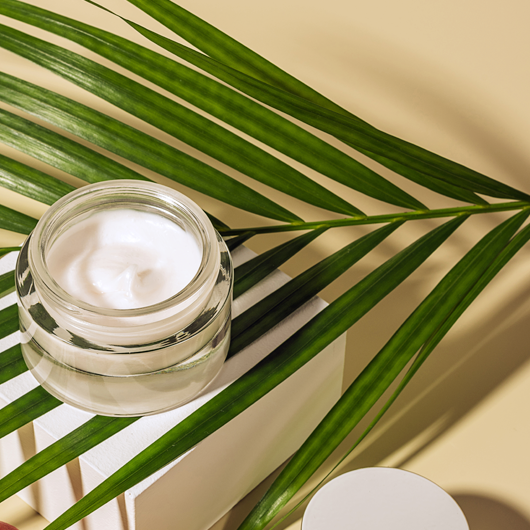


The most popular advice about whipped tallow balm is also the least useful: “It's natural, simple, and your skin will love it.” A cosmetic formulator doesn't stop there. Essential questions are less glamorous. What is it structurally? How stable is it after whipping? What kind of skin feel does it create, and for whom does that feel become too heavy?
That's where the viral conversation usually falls apart. Social posts tend to frame whipped tallow as if the fluffy texture makes it a new category of skincare, when it's really a traditional fat-based balm presented in a more appealing format. If you've seen it grouped with minimalist beauty trends, the broader context around top beauty trends is helpful, but texture hype shouldn't replace formulation literacy.
A good tallow balm can absolutely make skin feel softer, more cushioned, and better protected from moisture loss at the surface. A bad one can smell off, feel greasy, collapse in heat, harden in cold weather, or sit too heavily on the skin. Both outcomes come from the same basic ingredient. The difference is formulation, handling, and expectations.
Table of Contents
- The Viral Trend Hiding a Formulator's Questions
- What Is Whipped Tallow Balm Really
- A Formulator's Analysis of Tallow for Skin Appearance
- Critical Safety and Stability Notes for Tallow Balm
- How to Formulate and Source Your Own Tallow Balm
- Using Tallow Balm in an Anti-Aging Skincare Routine
- Common Questions About Tallow Balm Answered
The Viral Trend Hiding a Formulator's Questions
Whipped tallow balm went viral because it photographs well and tells a clean, old-world story. That doesn't make it bad. It does mean many people are evaluating it like branding instead of formulation.
A formulator looks at different questions first. Is the fat cleanly rendered? How was it cooled? Was the whipped structure built for shelf stability or just for social media texture? What packaging protects it from air, light, and repeated finger contact?
Those questions matter because whipped tallow balm isn't automatically superior just because the ingredient list is short. Some short formulas are elegant. Others are underbuilt. Simplicity can be a strength, but it can also hide weak process control.
Practical rule: When a balm is sold on “ancestral simplicity,” ask about storage, oxidation control, and texture consistency before you ask about trends.
The biggest misconception is that whipped means lighter in every way. It only means air has been incorporated into a fat-based balm. You may get a softer scoop and a prettier jar fill. You do not suddenly get a water-based moisturizer, a universal skin match, or a formula that never goes off.
What Is Whipped Tallow Balm Really
Whipped tallow balm is an anhydrous balm made from rendered beef fat. “Whipped” describes the texture, not a separate ingredient category. Tallow itself is rendered beef fat, and fat-based skin products have been used for centuries. A modern whipped version usually blends melted tallow with a liquid oil, cools the mixture until semi-solid, and then aerates it to create a lighter, cloud-like texture, as described in this overview of what tallow is in skincare.

The base is old and the texture is new
One commonly published beginner formula uses 74% tallow, 24% jojoba oil, 1% vitamin E, and 1% essential oils, with the fat melted at 40–45 °C and whipped as it cools to around 20–25 °C according to this DIY whipped tallow balm formulation reference.
Those numbers tell you something important. This is not behaving like a lotion. It's behaving like a balm or butter system whose final feel depends heavily on cooling curve, crystal structure, and how much air the semi-solid mass can hold.
If the mix is too warm, it won't trap air well. If it cools too far before whipping, the texture can become dense or grainy. That's a processing issue, not a marketing issue.
Why whipped texture changes feel, not function
Because the formula is water-free, whipped tallow balm works mainly as an occlusive and emollient product. It helps reduce surface moisture loss and improves softness and slip. It does not provide hydration in the same way a water-based serum, cream, or lotion does.
That distinction matters in real use:
- If skin feels dry and rough, a whipped tallow balm may help by coating the surface and improving softness.
- If skin feels dehydrated, meaning it needs water content, a balm alone may not be enough.
- If someone expects a fluffy balm to behave like a gel cream, disappointment usually follows.
A useful mental model is whipped body butter. The whipped structure changes scoopability and spreadability. The chemistry is still oil-phase.
A fluffy jar texture can make a balm feel modern, but it doesn't change the fact that the product is still a fat-rich, water-free occlusive.
A Formulator's Analysis of Tallow for Skin Appearance
Tallow's appeal comes from how it feels on skin. It's rich, dense, and smoothing. For some people, that reads as comforting and luxurious. For others, it reads as heavy almost immediately.

What tallow does well on skin
From a cosmetic standpoint, whipped tallow balm is most useful as a surface-conditioning product. Beef tallow contains fatty acids including oleic, stearic, palmitic, and linoleic acids, and those contribute to the soft, coated afterfeel that many users enjoy. A review also noted measurable hydration effects in some tallow-based topical studies, including increases of 4.7%, 23.2%, 38.4%, 44.4%, and 47.2% at 30, 60, 90, 120, and 180 minutes after application in one referenced moisturizer study, as reported in this PMC review on tallow-based topical systems.
That doesn't make every whipped tallow balm equally effective. It does support the basic observation that fat-rich topical systems can improve immediate skin feel and help the surface hold onto moisture better for a time.
In practical terms, users often like it for:
| Use case | Why it tends to work |
|---|---|
| Dry-feeling body areas | The balm leaves a protective, softening film |
| Cold-weather routines | Rich occlusion feels more comfortable in low humidity |
| Night use | The heavy finish is less of a drawback while sleeping |
Where the trade-offs start
Richness isn't automatically compatibility. Another review notes that while tallow's fatty acid profile may support the skin barrier's appearance, there are trade-offs. Oleic acid may increase transepidermal water loss over time, and excess stearic acid may be less suitable for oily, acne-prone skin, according to this review of tallow and skin interaction.
That's why “bio-compatible” is too broad a sales claim for me. A product can be fatty and familiar in feel without being ideal for every face.
Here's the honest version:
- Very dry skin types may like it because the finish feels sealing and comforting.
- Combination or oily skin may find it excessive, especially in humid weather or under makeup.
- Blemish-prone users should be cautious with very rich, stearic-heavy textures on the face.
- People sensitive to scent shifts may dislike even well-made tallow if the raw material has a noticeable animal note.
I'd also separate body use from facial use. A formula that feels excellent on elbows, hands, and legs can feel too dense on the T-zone.
Tallow is best understood as a niche balm base with a specific sensory profile. It isn't a universal moisturizer replacement.
Critical Safety and Stability Notes for Tallow Balm
This is the part viral content skips. A whipped balm can be anhydrous and still be fragile in all the ways that matter to a maker or a buyer.

Anhydrous does not mean maintenance-free
Whipped tallow balm contains no water phase, so it doesn't call for the same preservative logic as a conventional cream. People often stop thinking at that point. They shouldn't.
Formulators have pointed out that there are no standardized cosmetic purity standards for tallow, supplier quality can vary, and because pure beef tallow contains no synthetic preservatives, it can still go bad. Oxidation and odor drift are real concerns without proper antioxidants and moisture-control packaging, as discussed in this formulator-focused look at tallow balm stability.
A balm can fail without visible mold. It may first smell stale, feel waxier, lose its clean skin finish, or develop a heavier, “old fat” note. For many users, odor is the first warning sign.
What careful handling looks like
If you make or buy whipped tallow balm, the practical questions are simple:
- Packaging matters: Opaque, well-sealed containers reduce exposure to light and air.
- Antioxidants help: Vitamin E is often used in small amounts, but it doesn't replace careful storage.
- Repeated wet fingers are a problem: An anhydrous jar still benefits from dry, clean handling.
- Heat swings can wreck texture: A whipped structure can slump, grain, or harden depending on storage conditions.
If you want to understand how modern routines often balance rich occlusives with more targeted cosmetic ingredients, this guide to the benefits of skin care peptides is a useful contrast. Peptides and whipped tallow solve different formulation goals. One is usually chosen for active, water-based routine design. The other is chosen for surface protection and richness.
For DIY makers working beyond simple balms, Skin Perfection's resources on natural skin care preservative options are worth reading because preservative thinking and stability thinking are related, even when a formula is water-free.
Good storage doesn't turn a weak balm into a strong one. It simply gives a well-made balm a fair chance to stay pleasant.
How to Formulate and Source Your Own Tallow Balm
Good tallow balm starts with raw material discipline, not nostalgia. The viral version often skips the hard part, which is that an anhydrous fat balm is simple on paper but touchy in practice. Small changes in tallow quality, liquid oil choice, cooling rate, and ambient temperature can shift the final product from plush to greasy, grainy, or flat.

A practical formulation starting point
Start by defining the job. A facial balm, a body butter, and a heel salve should not share the same texture target. Facial use usually calls for lower drag, a cleaner afterfeel, and restrained odor. Body use can tolerate more richness and slower absorption.
A beginner framework of mostly tallow plus a smaller amount of liquid oil is reasonable, but it should be treated as a draft, not a finished formula. At the bench, I look at four things first: scoop, spread, payoff, and how the texture holds up after sitting for a week.
A workable process looks like this:
- Choose well-rendered tallow. Poorly cleaned or inconsistently rendered lots create odor problems that fragrance only partially hides.
- Select a liquid oil for slip. Jojoba is common because it can make the balm spread more easily without turning it into an oily puddle.
- Melt gently. Use enough heat to fully liquefy the blend, then stop. Long heat exposure can worsen odor and color.
- Control the cool-down. Whipping too early gives weak structure. Whipping too late gives a dense, uneven texture.
- Judge the set after storage. A balm that looks beautiful on day one can tighten, grain, or deflate after temperature swings.
The target is a soft balm with body. A whipped look matters less than repeatable texture.
Sourcing and texture adjustment
Sourcing affects performance more than marketing language suggests. Two tallow lots can differ in firmness, color, and scent even when both are sold as high quality. If you make products for sale, batch consistency becomes part of the formula itself. If you've ever optimized my listings on Amazon, you already know presentation helps get the first sale. Consistency is what earns the second.
Texture adjustment is usually more useful than chasing a dramatic whipped effect. If the balm feels too soft, reduce the liquid oil slightly or add a small amount of a structuring material such as stearic acid or a cosmetic wax. If it feels too stiff or draggy, lower the structurant or choose a lighter companion oil. Make one change at a time and keep notes, because this type of formula gives very little room to hide poor process control.
A few sourcing filters save time:
- For facial use: choose the cleanest-smelling tallow you can get and keep the finish lighter.
- For body use: a denser, richer profile is usually more acceptable.
- For warmer climates: test filled jars in real room conditions before making a large batch.
- For scented versions: use essential oils sparingly. Heavy scent often covers raw material flaws rather than fixing them.
Tallow balm also has a design limit that DIY recipes often ignore. It can help reduce moisture loss from the skin surface, but it does not bring water to the formula because it is anhydrous. If your goal is a product that feels both cushy and hydrating, you may be better served by learning emulsion structure instead of forcing a balm to do everything. This guide on how to make face cream is useful once you want water phase hydration and oil phase richness in the same product.
For makers who want to pair a simple balm with a separate water-based step, Sodium Hyaluronate Powder Pure Hyaluronic Acid is one example of a cosmetic raw material used in hydration-focused formulas. That pairing makes more formulation sense than expecting whipped tallow alone to cover both hydration and occlusion.
The honest takeaway is plain. Tallow balm is easy to make badly and harder to make well. The version worth keeping is the one that still smells acceptable, spreads evenly, and holds its texture after storage, not just the one that looks good during whipping.
Using Tallow Balm in an Anti-Aging Skincare Routine
When people ask whether whipped tallow belongs in an anti-aging routine, my answer is yes, but only in a supporting role.
Where it fits best
A rich balm can be useful as the final step when the goal is a softer, smoother, more cushioned skin appearance by morning. That's especially true for skin that feels drier with age. The balm helps keep prior layers from evaporating away too quickly and leaves a more supple surface feel.
Used this way, whipped tallow is less like a treatment and more like a seal. It works best after lighter products, not instead of them.
A simple order looks like this:
- First: water-based hydration
- Next: any leave-on cosmetic actives you prefer
- Last: a small amount of balm to seal and soften
What not to expect from it
Tallow balm shouldn't be treated as the main event in a routine focused on visible age support. It doesn't replace purpose-built formulas that target texture, tone, or the look of fine lines through modern cosmetic actives.
Its real contribution is finish and comfort. On mature skin that gets dry, that can still be valuable. Skin often looks better when it's well hydrated underneath and protected on top.
If you're building that kind of routine, this roundup of best anti-aging ingredients gives broader context for which ingredients are usually chosen for visible smoothing, firmness, and overall skin appearance. Tallow sits at the occlusive end of that conversation, not the active-treatment end.
Use whipped tallow balm as a final layer when your skin wants comfort and cushioning. Don't expect it to do the job of a full modern treatment serum.
Common Questions About Tallow Balm Answered
Is whipped tallow balm comedogenic or unsuitable for acne-prone skin
It can be too rich for some acne-prone or oily skin types. The issue isn't that tallow is universally “bad.” The issue is that a dense, stearic-rich, highly occlusive balm may feel too heavy on skin that already produces more oil or clogs easily. Patch testing and using it on dry body areas first is the more sensible approach.
How does tallow compare with shea or cocoa butter
They occupy a similar broad category of rich, oil-phase skin conditioners, but they don't feel identical. Tallow often reads as more animal-fatty, more waxy-sebum-like, and more dependent on raw material quality. Plant butters can be easier for some brands to standardize in scent expectations, though they also have their own texture quirks. From a formulator's view, the better choice depends on the sensory target, brand positioning, and user preference.
Can you make a similar balm with other animal fats
You can create other fat-based balms, but you shouldn't assume they behave the same. Different fats have different melting behavior, scent profiles, and final skin feel. If you substitute another fat, you're not just swapping ingredients. You're redesigning the formula.
Is whipped tallow balm better than a regular moisturizer
Not across the board. It's better at being a rich, protective balm. A regular moisturizer is usually better if you want hydration and a lighter finish in one product. They serve different jobs.
If you want skincare guidance that stays grounded in cosmetic science, Skin Perfection offers both finished products and DIY formulation ingredients through Skin Perfection. That's useful if you're comparing balm-based occlusives with water-based hydrators and want to build a routine, or a formula, with clearer purpose.