

 Buy with Prime
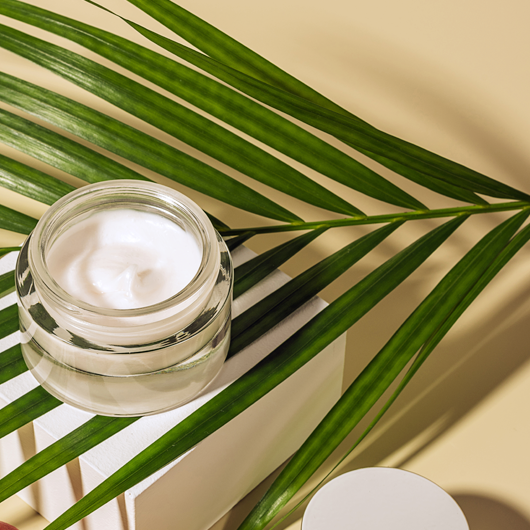


In the world of skincare, some ingredients are trendy, and some are timeless. Beeswax definitely falls into the latter category. It's a powerhouse ingredient that formulators and DIY crafters have relied on for its incredible ability to thicken formulas, stabilize tricky emulsions, and create a beautiful, protective layer on the skin.
You’ll find it in everything from lip balms and rich body butters to creamy lotions, where it works its magic to improve texture and help skin feel deeply moisturized.
The Essential Role of Beeswax in Modern Cosmetics

Beeswax has been a staple in natural skincare for centuries, but its popularity has never been higher. As more of us look for clean, simple ingredients we can actually recognize, this gift from the honeybee has become a star player. But what is it about beeswax in cosmetics that makes it so special?
The secret is its versatility. It’s not just a simple wax; it does several critical jobs all at once. Think of it as the ultimate multi-tasker in your formulation, helping all the other ingredients perform their best.
A Multifaceted Ingredient for Skincare
When you add beeswax to a product, you're getting more than just one benefit. Its unique blend of natural esters and fatty acids makes it a triple-threat for creating beautiful, effective skincare.
- A Protective Barrier: Beeswax forms a light, breathable shield on the skin’s surface. This barrier is fantastic for locking in all the good stuff from your creams and lotions, keeping your skin feeling hydrated and soft. It also offers a gentle defense against environmental stressors like harsh wind and cold, dry air.
- A Texture Enhancer: Ever wonder how a lip balm or lotion bar gets that perfect solid structure and satisfying glide? That’s often beeswax at work. In creams and lotions, it acts as a thickening agent, creating a richer, more luxurious feel without any heavy greasiness.
- A Natural Stabilizer: Beeswax is a formulator’s friend because it helps keep oil-and-water mixtures from separating. It works as a co-emulsifier, ensuring your products stay creamy and stable from the first use to the last.
This combination of functions makes beeswax an incredibly efficient and valuable ingredient. It lets you create elegant, high-performing products with a shorter, cleaner ingredient list. If you're serious about making top-notch skincare, learning to work with beeswax is a must. You can dive deeper into this topic by exploring the best natural ingredients for skin in our comprehensive guide.
Here's a quick look at the main jobs beeswax performs in a formula.
Beeswax Functions in Cosmetic Formulations
This table gives you a snapshot of the primary roles beeswax plays in skincare products. Whether you're a DIY enthusiast or a professional formulator, understanding these functions is key to unlocking its potential.
| Functional Role | What It Means for Your Product | Ideal for These Products |
|---|---|---|
| Occlusive | Forms a breathable barrier that locks in moisture and supports the skin against the elements. | Lip balms, salves, body butters, hand creams, and diaper area creams. |
| Stiffener / Thickener | Adds body, viscosity, and structure, turning liquids into solids or thickening creams. | Lotion bars, solid perfumes, balms, pomades, and thick, rich creams. |
| Co-emulsifier | Helps stabilize oil-in-water or water-in-oil emulsions, preventing them from separating. | Creams, lotions, and emulsified body butters. |
As you can see, beeswax isn't just a one-trick pony. It’s the backbone of many beloved natural products for good reason.
The Growing Demand for Natural Formulations
The move toward natural ingredients isn't just a fleeting trend—it's a major shift in how we think about skincare. The numbers back it up: the global beeswax market for cosmetics, valued at USD 339.0 million in 2025, is expected to soar to USD 599.7 million by 2035. This incredible growth shows just how much consumers want transparent, nature-derived ingredients in their routines.
In formulas, beeswax works beautifully alongside high-performance actives. By creating its signature barrier, it helps other ingredients, like peptides and botanical extracts, remain on the skin, supporting the creation of effective and sophisticated skincare products.
Understanding How Beeswax Works on the Skin
So what's the big deal with beeswax in skincare? To really get why it’s such a staple ingredient, we have to look past its rustic charm and see what’s happening on a chemical level when it meets your skin. The magic is all in its unique natural makeup.
Beeswax is a complex cocktail of natural compounds—mostly esters, fatty acids, and long-chain alcohols. You don’t need a chemistry degree to get it, though. All you need to know is that this specific blend gives beeswax some incredible, tangible benefits for your skin.
A Natural Emollient for Soft-Feeling Skin
One of the most loved qualities of beeswax is its power as an emollient. Emollients are the ingredients that make your skin feel soft, smooth, and conditioned. The fatty acids and esters inside beeswax are fantastic at this, giving skin that supple, velvety feel we all crave.
When you mix it into a lotion or a cream, beeswax helps to fill in the microscopic gaps between the skin cells on the surface. This creates a much smoother canvas, making your complexion look more even and radiant. The result is skin that doesn't just feel softer, but looks it, too.
The Breathable Barrier Analogy
Maybe the most important job beeswax has is creating a protective barrier on the skin—one that’s also breathable.
Think of it like a high-tech, lightweight raincoat for your skin. It effectively keeps external elements out and precious moisture in, but it doesn't suffocate the skin or feel heavy and greasy.
This occlusive barrier is what we call semi-permeable, meaning it creates a super fine mesh over your skin. This mesh is brilliant at slowing down transepidermal water loss (TEWL)—the natural process where moisture evaporates from your skin during the day. By locking in hydration, beeswax helps your skin stay plump and moisturized for much longer.
This barrier function is also what makes beeswax a fantastic team player. It helps keep high-performance active ingredients, like peptides or botanical stem cells, right on the skin's surface where they can get to work. If you’re serious about supporting your skin, learning how to strengthen the skin barrier is a total game-changer.
An Ideal Ingredient for DIY Formulators
Beyond what it does for skin, beeswax has some practical traits that make it a go-to for DIYers and professional formulators alike. One of its best features is its relatively low melting point.
- Melting Point: Beeswax melts right around 144-147°F (62-64°C).
- Significance for Formulators: This temperature is super easy to hit at home with a simple double boiler. No fancy lab equipment needed!
- Structural Integrity: Once it’s melted down with your oils and butters, it cools to give beautiful structure and sturdiness to products like lip balms, lotion bars, and body butters.
This combo of a low melting point and fantastic structuring power is why it’s so indispensable. It lets you create all sorts of textures, from silky-smooth lotions to firm balms, all while adding its own benefits to the final product. It’s an empowering ingredient that gives your creations body and substance without needing a degree in chemistry.
A Practical Guide to Formulating with Beeswax
Alright, let's get our hands dirty. Now that we’ve covered the chemistry behind beeswax, it’s time to step into the lab (or your kitchen!) and put that knowledge to work. This is where the real fun begins—transforming simple oils and butters into beautiful, stable, and effective products.
Think of beeswax as your secret weapon for controlling texture and feel. With a few key tricks up your sleeve, you'll be able to create everything from silky lotions to firm balms. Let's get started.
Finding the Perfect Beeswax Ratio
Getting the amount of beeswax right is everything. This single decision will determine whether you end up with a light, spreadable cream or a solid, sturdy bar. A little bit goes a surprisingly long way, so even tiny adjustments can make a huge difference in your final product.
Think of it as the structural backbone of your formula. More beeswax equals more stiffness. Here are some reliable starting points I use when formulating:
- Light Lotions (1-3%): At this low percentage, beeswax isn't the star of the show but a key supporting actor. It acts as a co-emulsifier and a subtle thickener, giving a lotion just a touch of body and a soft, conditioned feeling on the skin without any heaviness.
- Rich Creams (5-10%): In this range, the structural power of beeswax really starts to shine. It creates a much thicker, more decadent cream that feels incredibly nourishing. This is my go-to range for rich body butters, intensive hand creams, and anything designed for serious moisture.
- Solid Balms & Salves (10-20%): When you're making solid products like lip balms, lotion bars, or protective salves, you need a higher concentration. Using 10-20% beeswax creates a product that’s firm enough to hold its shape at room temperature but melts like a dream on contact with warm skin.
This simple infographic breaks down exactly how beeswax works its magic on the skin.

As you can see, it forms a breathable shield that locks in moisture, which is key to keeping skin looking and feeling hydrated.
The Melting and Emulsification Process
Making a stable cream or lotion is all about successfully blending oil and water—two things that famously don't want to mix. This is where the magic of emulsification comes in, and beeswax plays a critical role. But you have to get the process just right to avoid a separated mess.
The absolute key to success is temperature control. Your oil phase (where you've melted your beeswax, butters, and liquid oils) and your water phase (your distilled water and any water-soluble ingredients) need to be heated to roughly the same temperature before you combine them.
A stable emulsion is all about preventing shock. If you pour a cool water phase into a hot oil phase, the beeswax and butters will seize up and solidify instantly. You'll be left with a lumpy, separated disaster. Heating both phases to around 150-160°F (65-71°C) is the sweet spot for a seamless blend.
Once both your oil and water phases hit that target temperature, it's time to mix. Slowly pour the water phase into the oil phase while using a stick blender. That high-shear mixing is what breaks the oil and water into microscopic droplets, allowing the emulsifiers to wrap around them and form a beautifully creamy, stable lotion. If you want to dive deeper into this step, check out our guide on what emulsifying wax is and how it works.
Troubleshooting Common Formulation Issues
Even the most experienced formulators run into hiccups. Don’t get discouraged! Most of the common issues are easy to diagnose and address once you know what to look for.
1. Graininess: This is probably the most common complaint. It happens when small, hard crystals form in your balm or cream as it cools, giving it a sandy or gritty texture. This is caused by the different fatty acids in your butters and beeswax cooling and solidifying at different rates.
- The Fix: "Shock cooling" is your best friend here. As soon as you're done blending your emulsion, pop the beaker into an ice bath. Keep stirring or stick-blending as it cools down rapidly. This forces everything to solidify at the same time, giving you a perfectly silky-smooth texture.
2. Separation: You come back to your lovely cream a day later and find a layer of oil sitting on top of a watery base. This means your emulsion has "broken" or failed.
- The Fix: This almost always points to one of three things: not enough emulsifier, not enough mixing, or the temperatures of your phases were too far apart. You can sometimes rescue a separated lotion by gently reheating the entire mixture and hitting it again with the stick blender for several minutes to really force that bond to form.
DIY Beeswax Recipes for Radiant-Looking Skin
Alright, this is where the real fun begins! We've talked about the science, but now it's time to get your hands dirty and see what beeswax can really do. I'm sharing a few of my favorite, time-tested recipes that show off just how versatile this golden ingredient is.
Think of these as your starting point. Once you get the hang of it, you can start swapping in your favorite oils, butters, and skin-loving extras like peptides or botanical extracts. Let's start creating!
Protective Lip Balm
This is the quintessential first project for any budding formulator, and for good reason! It’s simple, satisfying, and perfectly showcases the incredible protective power of beeswax.
What you're creating here is a beautiful occlusive barrier that locks in moisture, keeping your lips soft and comfortable for hours. The higher concentration of beeswax gives it that classic, firm texture that glides on without feeling waxy or sticky.
Ingredients:
- 30% Beeswax Pellets (e.g., 15 grams)
- 40% Shea Butter (e.g., 20 grams)
- 30% Jojoba Oil (e.g., 15 grams)
- Optional: A few drops of Vitamin E oil
Why This Combo is a Winner:
- Beeswax: This is our hero ingredient, providing the balm's structure and that all-important protective layer.
- Shea Butter: A beautiful, rich butter that gives the balm its creamy, moisturizing feel.
- Jojoba Oil: This liquid wax is a wonder ingredient. It's so close to our skin's natural sebum that it absorbs beautifully, adding a conditioning touch without any greasiness.
Instructions:
- In a heat-safe glass beaker, combine your beeswax pellets, shea butter, and jojoba oil.
- Set up a double boiler by placing the beaker in a small saucepan with an inch or two of simmering water.
- Heat gently, stirring every so often, until everything is fully melted and you have a uniform golden liquid.
- Carefully remove the beaker from the heat and let it cool for just a minute. If you're using it, now's the time to stir in your Vitamin E oil.
- Gently pour the mixture into your lip balm tubes or tins.
- Let them cool completely at room temperature until they're solid and ready to use. Don't rush this part!
Rich Hand and Body Cream
This cream is a perfect example of beeswax in cosmetics playing a dual role as both a thickener and a helper emulsifier. You’ll end up with a wonderfully thick, luxurious cream that feels deeply nourishing on dry spots like hands, elbows, and feet, but sinks in without leaving a heavy, greasy film.
Ingredients (by weight):
-
Heated Water Phase:
- 70% Distilled Water
-
Heated Oil Phase:
- 5% Beeswax Pellets
- 5% Emulsifying Wax NF
- 10% Sweet Almond Oil
- 8% Cocoa Butter
-
Cool-Down Phase:
- 1% Broad-Spectrum Preservative
- 1% Fragrance or Essential Oil (optional)
Instructions:
- Weigh out your water phase ingredients and your oil phase ingredients in two separate heat-safe beakers.
- Heat both beakers in a double boiler until they reach a similar temperature, around 150-160°F (65-71°C). This temperature match is crucial for a stable emulsion!
- Slowly pour the water phase into the oil phase while blending with a stick blender.
- Keep blending for 1-2 minutes until you see a beautiful, white, creamy emulsion form.
- To prevent graininess and create a silky-smooth texture, place the beaker in an ice bath to "shock cool" it. Continue stirring gently with a spatula as the cream thickens.
- Once the cream cools to below 110°F (43°C), stir in your preservative and any fragrance you're using.
- Transfer your finished cream into a clean, sanitized jar.
Tip: Making your own lotions is an incredibly rewarding skill. If you want to dive deeper into the fundamentals of emulsifying, you can find tons of detailed guidance in our article about how to make a moisturizer.
Solid Lotion Bar
Lotion bars are a brilliant, water-free alternative to bottled lotions. They're amazing for travel, cutting down on plastic waste, and they feel absolutely divine as they melt into your skin.
This recipe uses beeswax to create a solid-to-oil product that glides on and melts at body temperature, delivering nourishment exactly where you need it.
Ingredients:
- 33% Beeswax Pellets
- 33% Cocoa Butter
- 33% Coconut Oil
- Optional: 10-15 drops of lavender essential oil for a calming touch
Why a 1:1:1 Ratio Works: This simple, equal-parts formula is all about balance. The beeswax provides the hardness, the cocoa butter adds richness and firmness, and the coconut oil ensures it melts quickly and glides smoothly onto the skin. It’s a perfect trifecta!
Instructions:
- Combine the beeswax, cocoa butter, and coconut oil in a heat-safe beaker.
- Gently melt everything together in a double boiler, stirring until the mixture is completely liquid and combined.
- Take it off the heat and let it cool for a minute or two.
- If you're adding them, stir in your essential oils now.
- Carefully pour the liquid into your favorite silicone molds. Simple muffin liners or even ice cube trays work great in a pinch.
- Let the bars cool and harden completely, which can take several hours or even overnight. Once they're firm, pop them out of the molds. To use, just warm the bar between your hands and glide it directly onto your skin
Sourcing Beeswax for Quality and Sustainability

When you're creating skincare, the ingredients you start with make all the difference. It’s a lot like cooking—the freshest produce always makes a better meal. Sourcing high-quality beeswax is the foundation for crafting beautiful, effective cosmetics.
But not all beeswax is created equal. The journey from the beehive to your formulation bench involves a few key steps that create very different types of wax. Knowing which one to grab for your project is a crucial skill for any formulator, whether you're a pro or a passionate DIYer.
Yellow vs White Beeswax
Your first big choice will usually be between natural yellow beeswax and a refined white version. It’s not just a matter of aesthetics; this decision impacts the final color, scent, and feel of your creation.
- Yellow Beeswax: This is beeswax in its most natural state. It's simply melted and filtered to get rid of any hive debris. It keeps its beautiful golden hue, which comes from pollen and propolis, along with a faint, sweet honey scent. This makes it a fantastic choice for products where you want that rustic character to shine through, like in lip balms, salves, and lotion bars.
- White Beeswax: To get this pristine version, yellow beeswax goes through a natural filtering and deodorizing process that strips away its color and aroma. What you're left with is a pure white, totally neutral wax. It's the go-to for lotions and creams where you need a clean, white canvas that won’t clash with any delicate fragrances or colors you plan to add.
You'll find both types sold as either solid blocks or small pellets. While blocks can be a bit more economical, beeswax pellets are a dream to work with. They melt down evenly and are incredibly easy to measure out, which is a lifesaver when you're aiming for precision.
Choosing the right type is all about matching the ingredient to your creative vision. For a rustic, earthy balm, yellow beeswax adds character. For an elegant, pearly white face cream, cosmetic-grade white pellets are your best bet.
Ethical Sourcing and the Clean Beauty Movement
Where your beeswax comes from really matters. As more of us look for transparency in our ingredients, the demand for ethically and sustainably sourced materials has exploded. This is a huge part of the clean beauty movement, which celebrates ingredients that are not just good for our skin but also good for the planet.
Sustainable beekeeping is all about putting the health and welfare of the bee colonies first. Responsible beekeepers make sure they only harvest surplus wax, leaving more than enough for the bees to keep their hives strong and healthy. This mindful approach is essential for supporting bee populations, which are absolutely vital to our global ecosystem.
This focus on quality and responsibility is a big deal in the beauty world. In fact, cosmetics and personal care products are the main drivers of the entire beeswax market. The industry is on track to command a whopping 61% market share by 2026, within a global market valued at USD 642.02 million. This just goes to show how central beeswax in cosmetics has become, especially for staples like creams and balms. If you want to dive deeper into these trends, you can find more details in this report on the global beeswax market on PrecedenceResearch.com.
When you choose sustainably sourced beeswax, you’re doing more than just picking a high-quality ingredient. You're supporting a system that values environmental health and ethical practices, allowing you to create skincare that feels good in every sense of the word.
Your Beeswax Questions, Answered
When you start working with a fantastic ingredient like beeswax, some questions always seem to come up. It doesn't matter if you've been formulating for years or are just mixing up your first DIY balm—getting solid, practical answers is key. We're here to clear up those common points of confusion so you can create with total confidence.
Can I Use Beeswax if I Have Oily Skin?
This is a totally valid concern. Will an ingredient famous for creating a protective barrier feel way too heavy or clog pores on oily skin? The great news is that beeswax is widely considered to be non-comedogenic, with a rating of just 0 to 2 on a 5-point scale. For most people, this means it’s very unlikely to cause breakouts.
If you have an oily skin type, the trick is all about moderation. Instead of a rich, heavy balm, try adding beeswax at a lower concentration (1-3%) to a lightweight lotion. You’ll still get all the amazing barrier-supporting benefits, which help lock in the hydration that every skin type needs, but without any greasy feel. As always, doing a quick patch test is the best way to start.
Is Beeswax a Vegan Ingredient?
This is a really important distinction for a lot of people. Because beeswax is made by honeybees, it is not considered a vegan ingredient. For any product to be certified vegan, it has to be completely free of ingredients derived from animals.
There are some wonderful plant-based waxes out there, like Candelilla and Carnauba, that can fill a similar role. Just know that they aren't simple one-to-one substitutes. These plant waxes have much higher melting points and tend to create a harder, more brittle texture in a final product, so you'll need to make some significant adjustments to your formula.
How Do I Fix a Grainy Beeswax Balm or Cream?
There’s almost nothing more frustrating than crafting what you think is the perfect balm, only to have it cool down into a sandy, grainy mess. This happens all the time! It’s usually because the different fats and waxes in your recipe are cooling and solidifying at different speeds, causing some of them to form tiny, hard crystals.
The best way to address this is a method called "shock cooling." As soon as you've blended your hot ingredients, pop the container right into an ice bath. Keep stirring the mixture constantly with a spatula as it cools down. This forces everything to solidify quickly and at the same time, giving you a perfectly smooth, creamy result.
What Is the Difference Between Yellow and White Beeswax?
Choosing between yellow and white beeswax really just comes down to the look and scent you want for your finished product.
- Yellow Beeswax: This is the natural, unrefined stuff. It has a beautiful golden color and a light, sweet honey-like aroma that comes from the pollen and propolis within the wax. It’s perfect for products like lip balms or salves where you want that lovely rustic, natural vibe.
- White Beeswax: This version is simply yellow beeswax that has been filtered and naturally processed to take out the color and scent. This makes it the go-to choice for creams and lotions where you need a pure white base that won’t mess with any colors or delicate fragrances you plan to add.
Knowing these little details will help you pick the right ingredients and troubleshoot like a pro. And for those of you making water-based products that need to be preserved, you can learn more by checking out our guides on using a natural skin care preservative in your creations.
At Skin Perfection, we provide the highest quality lotion-making supplies, including ethically sourced waxes and high-performance actives, to help you create professional-grade skincare at home. Explore our collection of DIY ingredients today.