

 Buy with Prime
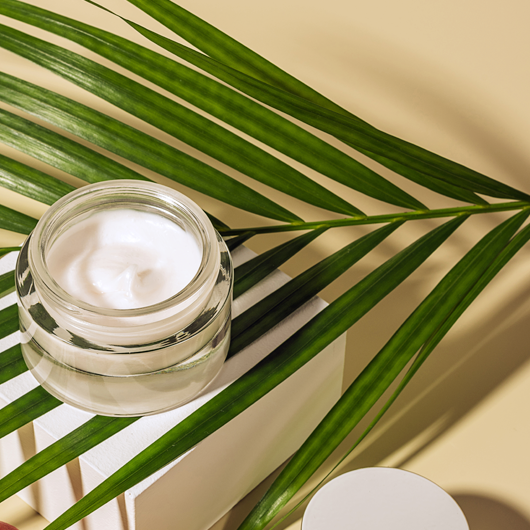


night retinol serum
Choosing a night retinol serum comes down to more than strength. You want a clearly described formula, a concentration your skin can tolerate, and ingredients that support a comfortable routine.
Key Takeaways
- Pick a night retinol serum based on the full formula and a concentration your skin can handle, not just the highest strength available.
- Look for products with clearly listed ingredients that support a gentle, comfortable routine.
- Introduce retinol gradually and watch how your skin responds before increasing frequency.
- A thoughtful approach to application matters just as much as the serum you choose.
Below, I’ll explain what retinol can do, how to compare concentrations, and where familiar options such as Trader Joe’s and Olay fit. The goal is to help you choose with confidence, not assume that a higher percentage is automatically the better match.
The best choice depends on your experience with retinoids, sensitivity, and formula priorities. Check product directions and ingredient details before deciding, since percentages alone don’t describe the full formula or how your skin will respond.
Why Nighttime Is the Right Time for Retinol
Retinol is commonly used in an evening routine because sunlight can make it less stable, and retinoid use may increase skin’s sensitivity to sun exposure. Applying it at night helps separate the active from daytime sun. Daily sunscreen remains important, including when retinol is used only after dark.
How Retinol Works: From Surface to Cell Turnover
Retinol is a vitamin A derivative that affects the skin’s renewal processes. With continued use, it can support smoother-looking texture and a more even appearance. It is not an overnight fix: skin needs time to adjust, and early dryness or redness can occur. Introduce it gradually rather than assuming stronger or more frequent application will speed results.
Benefits You Can Expect (Wrinkles, Firmness, Texture)
With consistent use, retinol may soften the appearance of fine lines, improve the look of uneven texture, and help skin appear firmer. Individual results vary, and tolerability matters: a routine you can maintain is more useful than one that repeatedly irritates your skin.
How We Evaluated the Best Night Retinol Serums

My comparison focuses on buying details beyond front-label promises: stated retinol concentration, supporting ingredients, formula transparency, and suitability for different skin needs. I also consider whether shoppers can verify product information and find clear directions. These factors help explain why formulas with retinol may feel different in use.
Our Selection Criteria: Concentration, Formulation, and Purity
A percentage is only one part of the decision. The vehicle, moisturizing ingredients, packaging, and directions all shape the experience. I look for accessible ingredient information and clear intended use.
Retinol Strengths Explained: 0.1%, 0.3%, 0.5%, and 1%
Lower concentrations can be a measured starting point, while higher strengths may suit experienced users who already tolerate retinol. Confirm the stated percentage on the package, start conservatively, and avoid judging a formula by concentration alone.
Why Clean, Verified Formulas Earned Higher Marks
“Clean” is not a single regulated definition, so look for specific standards and transparent ingredient lists. EWG VERIFIED products must meet the program’s ingredient safety criteria; Trader Joe’s Retinol Night Serum is listed in the program. Shoppers who want to avoid parabens should check the current label rather than rely on broad marketing language.
Top Night Retinol Serums Compared: Our 2026 Picks
These options serve different priorities, from a high-strength featured formula to accessible department-store and specialty alternatives. Current prices and ingredient details can change, so confirm them with the retailer before buying. Compare the package label and directions, especially if you have sensitive skin or are new to retinol.
#1 Skin Perfection Night Retinol Serum: Clean, Potent, Peptide-Supported
Best for: Experienced retinol users seeking a high-strength featured option. Its listed strength makes careful use especially important; follow the label and consider professional guidance if you have ongoing sensitivity or a skin condition.
#2 Trader Joe’s Retinol Night Serum: Budget Pick, Is It Effective?
Best for: Budget-conscious shoppers who want an accessible option. Trader Joe’s formula has EWG VERIFIED status, providing a defined ingredient-safety benchmark. Reviews offer individual experiences, not a guarantee of results, so inspect the current ingredient list and consider whether the formula suits your routine and skin tolerance.
#3 Olay Regenerist Retinol 24 MAX: Widely Available Option
Best for: Shoppers who value broad retail availability and a familiar skincare line. Compare its current package claims, complete ingredients, and directions with your priorities. If you are sensitive to fragrance or particular additives, check the label rather than assuming a product suits you based on brand recognition alone.
#4 Natura Bissé and Haruharu Wonder: Luxury and K-Beauty Alternatives
Best for: Shoppers exploring specialty skincare at different price positions. Natura Bissé appeals to luxury skincare buyers, while Haruharu Wonder offers a K-beauty alternative. Compare the specific retinol product, not just the brand: formulations, active ingredients, package sizes, and directions vary across product lines.
Side-by-Side Comparison: Price, Concentration, Ingredients, and Skin Type Fit
Use this overview to narrow your choices, then verify exact details on current packaging or the retailer listing. Concentration and formula availability can vary by product version. No single option suits everyone: your experience with retinol and comfort with the ingredient list should guide the final decision.
| Pick | Standout factor | Concentration information | Best fit |
|---|---|---|---|
| Skin Perfection 2.5% Retinol Serum | Featured high-strength option | 2.5% in product name | Experienced users seeking a higher-strength formula |
| Trader Joe’s Retinol Night Serum | EWG VERIFIED status | Check current label | Budget-conscious shoppers |
| Olay Regenerist Retinol 24 MAX | Widely available brand | Check current product details | Shoppers prioritizing retail access |
| Natura Bissé or Haruharu Wonder | Luxury or K-beauty positioning | Varies by specific product | Specialty skincare shoppers |
How to Use a Night Retinol Serum Step by Step (Without Irritation)
A thoughtful routine makes retinol easier to tolerate. Apply a small amount to clean, dry skin in the evening, follow the product’s directions, and use moisturizer to help limit dryness. Begin cautiously and pay attention to irritation rather than pushing through discomfort.
Your Evening Routine: Application Order and Frequency
Start with a gentle cleanser and let your skin dry before applying retinol. Use the amount and method specified on the label, then apply a moisturizer. Avoid the eye area and places where skin is cracked or irritated unless the product directions say otherwise. If dryness is a concern, applying moisturizer before and after the active may make your routine feel more comfortable.
Keep the rest of your evening routine simple while your skin adjusts. Combining several potentially irritating actives can make it harder to identify what is causing redness or stinging. Check each product’s directions before pairing ingredients, and introduce one new active at a time.
Retinol Side Effects: Managing Dryness, Purging, and Sensitivity
Dryness, flaking, redness, or stinging can occur as skin adjusts. Reduce use or pause the active if irritation develops, and focus on gentle cleansing and moisturizing until skin feels comfortable. Persistent or severe irritation deserves advice from a dermatologist. Don’t assume every breakout is “purging,” since a new product can also cause a reaction or be unsuitable for your skin.
Can You Use Retinol Every Night? How to Build Tolerance
Not everyone needs to apply retinol nightly. If you’re new to it, start with less frequent use than the package’s maximum direction, then increase gradually only if your skin remains comfortable. Follow the specific label, and don’t increase frequency and strength at the same time.
Daytime Must-Do: Why Sunscreen Is Non-Negotiable with Retinol
Use broad-spectrum sunscreen during the day and reapply according to its directions, especially outdoors. Retinol use can make sun protection more important, while sunlight may affect retinol’s stability. A hat and shade add practical protection. Keep sunscreen consistent even when you apply retinol only at night.
Serum vs. Cream: Which Retinol Format Fits Your Skin?
A serum often has a lighter feel, while a retinol night cream combines the active with a moisturizing base. Neither format is automatically better: compare concentration, the complete ingredient list, directions, and texture. If your skin tends to feel dry, a cream may suit your routine; if you prefer a lighter layer, a serum may appeal to you.
Expert Tips and FAQs: Choosing Clean Retinol with Confidence

Choosing a night retinol serum also means considering the ingredients surrounding the active. A formula can pair retinol with moisturizing components and antioxidants, while clear labeling helps you assess whether it fits your routine. Here’s how I think about supportive ingredients and clean beauty claims when comparing options.
Kari's Ingredient Spotlight: Botanicals and Antioxidants That Support Retinol
Retinol has a specific role in a routine, and supportive ingredients can help make the overall formula more comfortable. Antioxidants, including those found in superfruit extracts, help defend skin from environmental stressors. Botanicals may contribute soothing or moisturizing properties, depending on the ingredient and its concentration. Peptides serve a different purpose: they are short chains of amino acids used in skincare formulations to support smoother-looking skin. Read the full ingredient list rather than relying on a broad claim such as “natural,” since plant-derived ingredients can still irritate some people.
FAQ: What Is the Best Night Retinol Serum for Sensitive Skin?
Answer: The best fit is a formula your skin can tolerate, with clear directions and a concentration suited to your experience. Patch test first, introduce the product gradually, and pause if persistent redness, burning, or discomfort develops. If you have a skin condition or recurring reactions, ask a dermatologist before adding retinol.
FAQ: Are Natural and Clean Retinol Alternatives Effective?
Answer: Some plant-derived ingredients are marketed as retinol alternatives, but they are not interchangeable with retinol, and evidence varies by ingredient and formula. “Clean” has no single universal definition. Look for a complete ingredient list and a specific standard you can verify. EWG VERIFIED products must meet the program’s ingredient safety criteria; that designation addresses ingredient standards, not a guarantee of results or suitability for every person.
The Skin Perfection Difference: Radiant Results You Can Trust
My approach brings cosmetic science and ingredient transparency together. Review its directions and assess your tolerance before choosing it. The best night retinol serum is the one that aligns with your skin’s needs and a routine you can maintain.
Frequently Asked Questions
Is it good to use retinol serum at night?
Yes, night retinol serum is the preferred choice because sunlight can make retinol less stable and may increase your skin's sensitivity to sun exposure. Applying retinol in your evening routine keeps the active separate from daytime sun. Daily sunscreen remains essential, even when you use retinol only after dark.
What does retinol night serum do?
A retinol night serum is a vitamin A derivative that supports your skin's natural renewal processes. With consistent use, it may soften the appearance of fine lines, improve uneven texture, and help skin look firmer. Results take time, so introduce it gradually rather than applying more often or at higher strength.
What strength retinol serum should a beginner start with?
Always confirm the stated percentage and start conservatively.
Is retinol safe during pregnancy?
Retinol safety during pregnancy has not been clearly established, so the safest step is to consult your healthcare provider or dermatologist before using any retinol product while pregnant or breastfeeding. Many providers recommend pausing retinoids until after pregnancy. Your doctor can suggest alternatives suited to your situation.
Does retinol help with eczema?
Retinol is not a treatment for eczema, a medical skin condition, and it may actually irritate compromised skin. If you have eczema or ongoing sensitivity, talk with a dermatologist before adding a night retinol serum to your routine. A professional can help you decide whether retinol fits your skin's needs.
What should you not mix with retinol?
Retinol is commonly separated from other strong actives, and sunlight is the main thing to avoid, since UV exposure reduces stability and increases sensitivity. If you're combining retinol with vitamin C, exfoliating acids, or benzoyl peroxide, alternate them or consult a professional. Checking each product's directions helps you build a comfortable routine.
How long does it take to see results from a retinol serum?
Most people need consistent use over weeks to months before noticing smoother texture or softer fine lines. Individual results vary, and a routine you can maintain beats one that repeatedly irritates your skin.