

 Buy with Prime
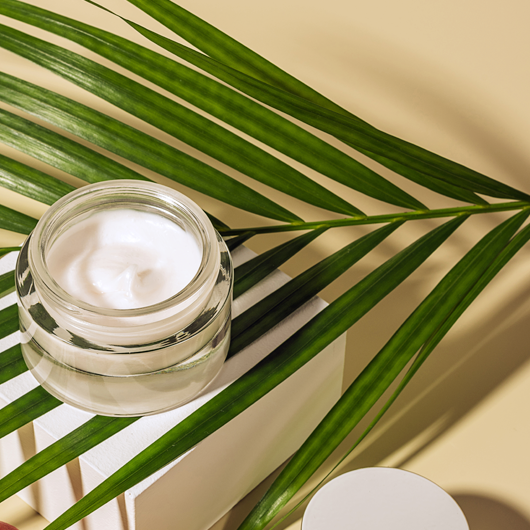


vitamin c serum for fine lines
If fine lines are your concern, brightness alone is not enough. The right vitamin c serum for fine lines should support collagen, defend against environmental stress, and remain stable enough to deliver its intended benefits. I look for pH, antioxidant partners, peptide support, preservation, and packaging, not only a high percentage.
Key Takeaways
- To effectively address fine lines, choose a vitamin C serum that supports collagen production and defends your skin from environmental stressors, not just one that brightens.
- Look beyond the percentage of vitamin C and consider important formulation elements like pH level, complementary antioxidants, peptide support, and protective packaging for optimal results.
- A stable vitamin C formula is essential to ensure it can deliver its full benefits for reducing the appearance of fine lines.
My featured choice is the Teprenone Serum Booster, a peptide-focused option for readers who want clean cosmetic science with efficacy. Below, I compare it with SkinCeuticals and Timeless according to skin tolerance, budget, and fine-line goals.
Introduction: Unlocking the Power of Vitamin C Serums for Fine Lines
Why Vitamin C Is More Than Just a Brightener
Topical vitamin C acts as an antioxidant, helping neutralize reactive molecules created by ultraviolet exposure and pollution. It supports collagen formation and participates in lysyl hydroxylase activity, an enzyme involved in collagen stabilization. A well-formulated antioxidant serum can support an age-support routine alongside sunscreen, moisturizers, and peptides.
Understanding Fine Lines: Prevention Versus Correction
Fine lines develop through repeated facial movement, declining collagen, dehydration, ultraviolet exposure, and oxidative stress. A serum cannot erase every crease overnight, though consistent use may soften early lines by supporting firmer-looking skin and surface hydration. Clinical evaluations found measurable improvements in photoaging and epidermal thickness after daily use of stabilized topical vitamin C at 10% to 20% over 12 weeks. Daily broad-spectrum sunscreen helps reduce ongoing damage.
What Sets This Guide Apart from Other Reviews
This comparison considers the full formulation rather than concentration alone. Duke University research found that 15% L-ascorbic acid paired with 1% alpha-tocopherol and 0.5% ferulic acid provided an eightfold increase in photoprotection. I also assess derivative stability, low-pH tolerance, peptide compatibility, bottle design, clean formulation standards, and value.
How We Evaluated the Best Vitamin C Serums for Fine Lines

Selection Criteria: Stability, Peptide Synergy, and Packaging Innovation
Each formula was considered for its vitamin C form, antioxidant network, ingredient transparency, and expected shelf stability. L-ascorbic acid is sensitive to oxygen, heat, light, and unsuitable pH. Stable derivatives may offer gentler delivery and a longer usable life. Signal peptides received attention for their support of texture, elasticity, and expression lines. Opaque containers, airless pumps, and limited air exposure help protect the formula between applications.
Balancing Potency with Skin Barrier Safety
Pure L-ascorbic acid generally needs a pH below 3.5 to cross the stratum corneum efficiently. That acidity can cause stinging, redness, dryness, or micro-peeling. A high percentage is not automatically better if the barrier cannot tolerate it, so I favored formulas that pair antioxidant activity with supportive ingredients, sensible directions, and a realistic path toward daily use.
Comparing Price, Ingredients, and Dermatologist Endorsements
Price was weighed against active concentration, delivery system, packaging, ingredient quality, and formulation evidence. A respected name does not replace label analysis. The best affordable vitamin C serum recommended by dermatologist sources should still provide a coherent antioxidant system and dependable storage guidance. EWG VERIFIED benchmarks and clean cosmetic criteria offer added transparency.
Top Dermatologist-Recommended Vitamin C Serums: In-Depth Reviews and Comparisons
SkinCeuticals C E Ferulic: The Clinical Gold Standard
Best for: Experienced vitamin C users who want a recognized antioxidant combination. SkinCeuticals C E Ferulic uses L-ascorbic acid with vitamin E and ferulic acid, following the formulation model supported by Duke University research. Its tradeoff is that pure ascorbic acid requires careful storage and may feel intense on dry, reactive, or compromised skin. A fresh color, tight cap, and protection from heat and sunlight matter.
Timeless Skin Care 20% C + E Ferulic: A Proven Budget Favorite
Best for: Shoppers seeking a lower-cost L-ascorbic acid formula with familiar antioxidant partners. Timeless vitamin C combines a high level of ascorbic acid with vitamin E and ferulic acid. Its value is straightforward, though sensitive skin may need a gradual schedule because the low-pH formula can cause tingling or dryness. Buy a fresh bottle, store it away from light, and monitor its color.
Skin Perfection Vitamin C Peptide Serum: Nature-Powered, Science-Backed Innovation
Best for: Readers who want antioxidant care paired with peptide support and a clean beauty philosophy. Skin Perfection places cosmetic science beside botanical sensibility, focusing on concentrated actives rather than brightness alone. The Teprenone Serum Booster suits shoppers interested in peptide-centered care for smoother-looking skin and a more resilient feel. It offers a multi-active alternative to relying only on highly acidic L-ascorbic acid.
| Formula | Primary approach | Best match | Key buying consideration |
|---|---|---|---|
| SkinCeuticals C E Ferulic | L-ascorbic acid with vitamin E and ferulic acid | Established antioxidant protocols | Requires disciplined storage and tolerance planning |
| Timeless Skin Care 20% C + E Ferulic | High-strength L-ascorbic acid antioxidant blend | Value-focused shoppers | Freshness and low-pH tolerance deserve attention |
| Skin Perfection Vitamin C Peptide Serum | Vitamin C support with signal peptide-focused care | Clean, multi-active routines | Prioritizes formulation balance beyond concentration alone |
Comparing Active Forms: L-Ascorbic Acid vs Stable Derivatives
L-ascorbic acid is the direct form of vitamin C, though its performance depends on acidic pH and freshness. Derivatives such as magnesium ascorbyl phosphate, sodium ascorbyl phosphate, and tetrahexyldecyl ascorbate are designed for greater stability and may feel more comfortable on dry or sensitive skin. They may require conversion within the skin, so the best form depends on tolerance, consistency, and preference for direct activity or gentler delivery.
Packaging Matters: Why Airless Pumps and Opaque Bottles Prevent Oxidation
Every opening exposes delicate antioxidants to oxygen, light, and humidity. Airless pumps limit contact with ambient air, while opaque or ultraviolet-resistant bottles reduce light-driven degradation. If a product shifts from pale yellow toward orange or brown, treat that change as a freshness warning and review the manufacturer’s storage guidance.
The Science Behind Vitamin C and Fine Line Reduction
How Vitamin C Stimulates Collagen and Activates Lysyl Hydroxylase
Vitamin C supports collagen production by helping lysyl hydroxylase function properly, an enzyme involved in stabilizing collagen fibers. Since collagen gives skin much of its firmness and structural support, a well-formulated vitamin c serum for fine lines may help skin look smoother and more supported. Clinical evaluations have reported improvements in photoaging and epidermal thickness after daily use of stabilized topical vitamin C at 10% to 20% over 12 weeks.
Why Pure L-Ascorbic Acid Can Oxidize and How It Impacts Efficacy
Pure L-ascorbic acid is sensitive to oxygen, light, heat, and moisture. Repeated exposure can shift serum from pale yellow toward orange or brown, signaling oxidation and reduced activity. Duke University research found that 15% L-ascorbic acid combined with 1% alpha-tocopherol and 0.5% ferulic acid provided an eightfold increase in photoprotection. Surrounding antioxidants, container design, and manufacturing freshness still influence practical value.
Synergistic Benefits of Combining Vitamin C with Signal Peptides and Plant Antioxidants
Vitamin C helps defend against oxidative stress and supports collagen-related chemistry. Signal peptides contribute a different message associated with a firmer, smoother-looking surface, while plant antioxidants help address ultraviolet exposure and pollution. The Teprenone Serum Booster suits readers seeking peptide-centered care alongside antioxidant support.
The Role of pH and Tolerance: Preventing Barrier Irritation
Pure L-ascorbic acid generally requires a pH below 3.5 to cross the stratum corneum efficiently. This can cause tingling, redness, dryness, or micro-peeling. Stable derivatives may be more comfortable in less acidic formulas. The best vitamin c serum for fine lines is one you can apply consistently without disrupting comfort.
Maximizing Results: Application Tips and Tolerance Protocols for Fine Line Treatment
Daily Routine: When and How to Apply Vitamin C Serum for Best Results
Apply a vitamin c serum for fine lines to clean, dry skin after cleansing and before moisturizer. Begin every other morning if you are new to acidic formulas. Use a small amount across the face, avoiding eyelids and broken skin, then allow it to settle before the next step.
- Cleanse gently and pat dry.
- Apply the serum according to its label directions.
- Follow with moisturizer if your skin feels tight.
- Finish with broad-spectrum sunscreen.
Layering with Moisturizers and Broad-Spectrum Sunscreens
Moisturizer helps reduce water loss and support a comfortable surface. Apply broad-spectrum SPF 30 or higher each morning to the face, neck, and ears. Antioxidant care supports sun protection but does not replace it.
Recognizing and Managing Signs of Serum Oxidation
Store the Teprenone Serum Booster and other antioxidant serums away from direct sunlight, heat, and bathroom humidity. If a vitamin C product becomes noticeably orange or brown, pause use and check its freshness guidance. A faint yellow tone may be normal for some formulas, while a rapid color shift warrants caution.
Building Skin Barrier Resilience to Prevent Redness and Stinging
Introduce one active at a time, reduce frequency if burning or persistent redness develops, and avoid applying acidic vitamin C immediately after exfoliating acids or retinoids until tolerance is established. Ceramides, glycerin, fatty acids, and a gentle cleanser can support comfort. If irritation continues, discontinue the formula and consult a dermatologist.
Advanced Insights Missing from Most Reviews: Stability Engineering and Multi-Active Formulations
Why Packaging Design Is as Important as Ingredients in Vitamin C Serum Efficacy
A carefully selected antioxidant can lose value when its container exposes it to oxygen, sunlight, heat, and humidity. Dropper bottles invite air into the formula, while clear glass permits light exposure. Airless pumps reduce oxygen exchange, and opaque containers shield light-sensitive actives. Packaging is part of the delivery system.
Natural Preservation and Clean Cosmetic Science: The Skin Perfection Advantage
Clean formulation includes transparent labeling, responsible preservation, botanical support, and ingredients designed for real skin behavior. Skin Perfection pairs cosmetic science with a barrier-aware philosophy, favoring concentrated actives and selected supporting ingredients. The Teprenone Serum Booster gives peptide-focused care a clear place within this routine.
How Peptide-Antioxidant Combinations Outperform Single-Ingredient Serums on Dynamic Fine Lines
Expression lines reflect muscle movement, oxidative stress, dehydration, and collagen decline. Vitamin C helps defend against reactive molecules and supports collagen-related processes, while signal peptides send a separate message associated with a smoother, firmer-looking complexion. The Teprenone Serum Booster addresses these concerns through peptide support alongside antioxidant care.
| Formulation feature | Single-active approach | Multi-active Skin Perfection approach |
|---|---|---|
| Primary focus | Usually targets brightness or antioxidant defense | Pairs antioxidant support with peptide-focused skin conditioning |
| Stability strategy | May depend heavily on concentration and storage | Considers active selection, preservation, and container exposure |
| Fine-line support | Can help address one contributing pathway | Addresses oxidative stress, collagen signaling, texture, and comfort together |
The Barrier-First Approach: Reducing Inflammation While Supporting Smoother-Looking Skin
Persistently irritated skin may look drier, rougher, and more lined. Pollution can intensify oxidative stress. A 2017 study in the Journal of Investigative Dermatology reported that ozone exposure caused lipid peroxidation and depleted skin barrier alpha-tocopherol by up to 55%. Supporting barrier lipids, hydration, and tolerance gives antioxidant ingredients a better foundation for daily use.
Frequently Asked Questions About Vitamin C Serums and Fine Lines
Can Vitamin C Serums Actually Soften Existing Fine Lines or Only Prevent Them?
Consistent use can soften early lines by supporting collagen chemistry, antioxidant defense, and hydration. It cannot erase deep creases, and visible change usually requires several weeks of regular application plus sunscreen.
What Does It Mean When Vitamin C Serum Turns Brown or Orange?
Pure L-ascorbic acid can oxidize after exposure to air, light, heat, or moisture. A marked shift toward orange or brown usually signals reduced freshness and activity. Follow the brand’s storage and replacement guidance.
Are Stable Vitamin C Derivatives Better for Sensitive or Dry Skin?
They may be more comfortable because they can work in less acidic formulas. People with reactive skin often prefer a derivative over a low-pH L-ascorbic acid product when dryness or stinging appears.
How Can I Tell If My Vitamin C Serum Has Oxidized?
Watch for a rapid color change, altered odor, or an appearance that no longer matches the original formula. Store it away from heat and sunlight, and keep the container closed between uses.
What Are the Best Ingredients to Pair with Vitamin C for Wrinkle Reduction?
Signal peptides, vitamin E, ferulic acid, plant antioxidants, ceramides, glycerin, and broad-spectrum sunscreen can complement antioxidant care. Introduce new actives gradually.
Conclusion: Rediscover Your Youthful Radiance with the Right Vitamin C Serum
Why Choosing a Stable, Peptide-Infused, Clean Formula Makes All the Difference
The strongest choice is not always the highest percentage. A well-designed vitamin c serum for fine lines should balance antioxidant activity, storage stability, peptide support, preservation, and barrier comfort. This balance supports consistent use, where gradual improvements become visible.
Take the Next Step: Explore Skin Perfection’s Advanced Anti-Aging Solutions
If your goal is smoother-looking texture with a clean, science-led routine, consider the Teprenone Serum Booster. Its peptide-centered approach offers an alternative to relying on acidic vitamin C alone. Begin consistently, protect your skin from ultraviolet exposure, and give well-chosen actives time to work.
Explore the Teprenone Serum Booster
Frequently Asked Questions
Does vitamin C serum reduce fine lines?
Vitamin C serum for fine lines may soften their appearance by supporting collagen formation, antioxidant defense, and surface hydration. Consistent use can help skin look firmer and smoother over time, while daily broad-spectrum sunscreen helps limit ongoing ultraviolet damage.
What is the best vitamin C serum for fine lines?
The best vitamin C serum for fine lines depends on skin tolerance, formulation, and budget. SkinCeuticals C E Ferulic suits experienced users seeking L-ascorbic acid with vitamin E and ferulic acid, Timeless offers a lower-cost high-strength option, and Skin Perfection’s Teprenone Serum Booster supports a peptide-focused routine.
Is vitamin C or retinol better for fine lines?
Vitamin C and retinol support fine-line care in different ways, so neither is universally better. Vitamin C helps defend against environmental stress and supports collagen formation, while a routine with peptides, moisturizer, and sunscreen can provide complementary support without relying on one active alone.
Which vitamin is best for fine lines?
Vitamin C is one of the best-studied vitamins for supporting a fine-line skincare routine. Topical vitamin C provides antioxidant support and participates in collagen stabilization, with stabilized formulas studied at 10% to 20% over 12 weeks for photoaging-related improvements.
What happens if I apply vitamin C on my face every day?
Daily vitamin C serum use may support brighter, firmer-looking skin and help reduce the visible appearance of fine lines over time. Low-pH L-ascorbic acid can cause tingling, dryness, redness, or peeling for some users, so formula strength, skin tolerance, freshness, and sunscreen use all matter.
How should vitamin C serum be stored for fine-line care?
Vitamin C serum should be stored away from heat, sunlight, and excess air to help preserve its formula. L-ascorbic acid is especially sensitive to oxygen and light, so opaque or air-limiting packaging, a tightly closed cap, and attention to color changes can support product freshness.
Can peptides be used with vitamin C serum for fine lines?
Peptides can complement vitamin C serum for fine lines by adding targeted support for the look of texture, elasticity, and expression lines. A peptide-focused option such as Skin Perfection’s Teprenone Serum Booster offers an alternative to relying only on a highly acidic L-ascorbic acid formula.