

 Buy with Prime
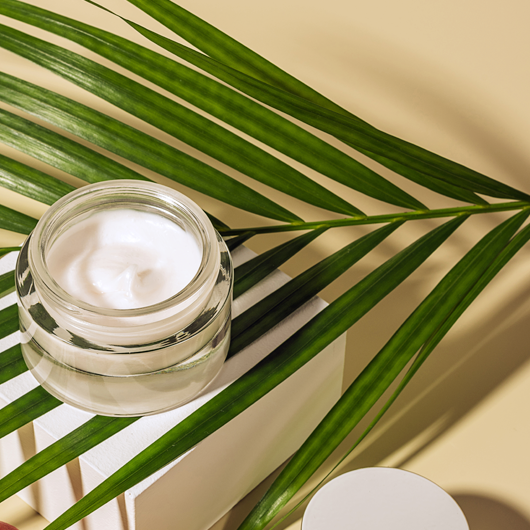


If your shampoo is supposed to leave your scalp clean, why does your hair sometimes feel rough, flat, or oddly coated a day later?
That question sits at the center of hair cleansing oil. The term “oil” often elicits an assumption of heaviness. In practice, a well-made cleansing oil behaves very differently from a leave-in hair oil. It’s designed to loosen buildup, rinse away cleanly, and leave the scalp feeling comfortable instead of stripped.
That shift in thinking mirrors what happened in facial cleansing. People learned that removing makeup, sunscreen, and excess sebum didn’t always require a harsh foaming wash. The same logic applies to the scalp. Hair collects styling residue, sweat, sebum, and environmental grime. A cleanser that can dissolve oil-based debris without roughing up the scalp surface makes a lot of sense.
Rethinking How You Wash Your Hair
Many hair routines still rely on one assumption: the stronger the cleanse feels, the cleaner your scalp must be. That’s not always true. A scalp can feel squeaky and still be out of balance. Hair can look freshly washed and still carry a dull, overworked texture from repeated stripping.
Hair cleansing oil offers a different model. Instead of attacking every bit of oil on the scalp, it targets the excess and the stubborn residue that water alone doesn’t move well. This is one reason oil-based cleansing has expanded well beyond facial care. The global cleansing oil market was valued at USD 1.9 billion in 2026 and is projected to reach USD 3.33 billion by 2035 according to Business Research Insights on the cleansing oil market.
Why the old shampoo logic can fall short
Traditional washing often treats the scalp and the hair shaft as if they need the same thing. They usually don’t. The scalp needs effective cleansing with respect for its natural surface balance. The hair fiber needs enough cleansing to remove residue, but not so much that it loses softness and movement.
That’s why many people do better when they stop chasing that squeaky finish.
Clean hair shouldn’t feel punished.
If you’ve wondered whether frequent washing automatically damages hair, this practical article from PRP For HairLoss on hair washing is useful because it challenges a lot of common assumptions around daily cleansing.
A smarter definition of clean
A modern wash routine asks different questions:
- What are you removing: sebum, dry shampoo, waxes, sprays, sweat, or heavy butters?
- What are you trying to preserve: scalp comfort, softness, shine, and easy movement?
- What finish do you want: airy roots, smooth lengths, or both?
That’s the primary benefit of hair cleansing oil. It doesn't have to replace every shampoo in your routine. It gives you another tool, especially when your scalp feels congested but your lengths don’t want a harsh reset.
For a broader view of habits that support glossy, resilient hair, see these tips on keeping your hair healthy and vibrant.
How Hair Cleansing Oil Works
Why can an oil leave the scalp cleaner instead of heavier?
The answer sits in the chemistry of buildup. Much of what makes hair feel coated, flat, or sticky is oil-based or partly oil-compatible. Sebum, pomades, scalp oils, sunscreen residue along the hairline, and many styling waxes do not rinse well with water alone. A cleansing oil is designed to meet that residue first, loosen it, and then rinse away once water is introduced.

The first stage is dissolution
The basic rule is like dissolves like. Oil-soluble grime releases more easily when an oil phase has time to spread over it and soften its grip. When you massage a cleansing oil onto a dry scalp, the product can contact that film directly instead of fighting through a layer of water first.
Dry application matters for a simple reason. Water and oil do not naturally mix well, so a soaked scalp can dilute the contact that makes the first step work. If you have ever tried to wipe greasy residue with a wet cloth and found it smeared instead of lifted, the principle is similar.
This first stage is especially useful for people who use dry shampoo, root powders, texture sprays, or richer leave-ins. Those products often build a mixed film on the scalp and around the hair shaft. Cleansing oils are good at loosening that film before the rinse begins.
The second stage is emulsification
A real cleansing oil also needs a second skill. It must turn from an oil phase into a rinseable mixture when water is added. That is the job of emulsifiers.
As you add a little water and keep massaging, the formula usually shifts into a lighter, milkier texture. That change tells you the cleanser is doing more than coating the hair. It is forming tiny dispersed droplets that can carry loosened residue away in the rinse. For DIY readers, this is the difference between a formula that feels elegant and one that leaves the scalp greasy.
Practical rule: If water hits the product and it just sits there slick and heavy, you are dealing with a hair oil, not a true cleansing oil.
For readers who want a broader background on how cosmetic oils behave on skin and hair, this overview of the benefits of beauty oils in personal care routines gives useful context.
Why the result feels cleaner, but softer
Clarifying shampoos usually rely on surfactants to detach debris quickly and thoroughly. That can be helpful after heavy styling or hard-water buildup, but some people notice that frequent strong cleansing leaves the scalp feeling tight and the lengths less supple.
Hair cleansing oils approach the problem in a different order. They dissolve oily residue first, then use emulsification to rinse it away. That sequence often leaves hair feeling cleaner without the stripped finish people describe as squeaky. In practice, the scalp can feel fresher, the mid-lengths can keep more softness, and the roots may look lighter because old residue is no longer weighing them down.
That matters for anyone chasing shine and fullness at the same time. Hair that is free of buildup reflects light better, and roots that are not glued down by residue usually look airier. For readers concerned with thinning, that visual lift can make hair appear fuller without claiming to change hair growth itself.
If you want a broader primer on plant oils used in hair care, this guide to natural hair oil benefits helps clarify how different oils behave.
Why method changes the outcome
Technique affects performance more than many people expect. A short, careful massage on dry roots gives the oil phase time to loosen residue. Adding a small amount of water next helps the emulsifiers start their work. A rushed rinse without that middle step often leads people to conclude that cleansing oils do not work, when the issue is that the formula never had time to convert into a rinseable emulsion.
This is also where formulation becomes interesting for DIY enthusiasts. Once you understand dissolution and emulsification, you can start choosing oils for slip and shine, then pair them with rinse-friendly emulsifiers and scalp-supportive extras aimed at comfort, freshness, and fuller-looking hair.
Decoding the Ingredient List
A hair cleansing oil formula usually has three working parts. If you can identify them, you can read labels with much more confidence.
The three parts are carrier oils, emulsifiers, and optional actives or sensory boosters. Each plays a different role. When a formula disappoints, it’s often because one of these parts is missing, poorly balanced, or chosen for marketing appeal instead of performance.
Carrier oils do the dissolving work
Carrier oils form the main oil phase. They help loosen sebum and oil-soluble residue while also shaping the feel of the product. Some feel light and quick-spreading. Others feel rich and cushiony.
Here’s a simple way to think about them:
| Carrier Oil | Best For | Key Property |
|---|---|---|
| Jojoba oil | Oily-feeling scalps and fine hair | Lightweight feel and balanced slip |
| Argan oil | Dry, coarse, or dull-looking lengths | Smooth finish and softening feel |
| Camellia oil | Fragile-feeling hair and scalp comfort | Elegant glide and light nourishment |
| Passion fruit oil | Sensitive-feeling scalp routines | Lightweight emollience |
| Coconut oil | Very dry hair and pre-wash richness | Rich coating feel |
A formulator doesn’t choose these oils only for label appeal. We choose them based on spreadability, residue, rinse behavior, oxidation profile, and how they interact with the emulsifier system.
Emulsifiers determine whether it rinses clean
This is the part many shoppers overlook.
A bottle can contain beautiful oils and still perform badly if the emulsifier system is weak. Emulsifiers allow oil and water to combine during rinsing, creating that milky phase that carries loosened debris away. Without them, you’re left with a greasy film and a second shampoo that has to do all the cleaning.
Look at the formula and ask one practical question: does this product seem built to transform with water, or is it just a treatment oil marketed as a cleanser?
If you want to understand how oil and water can work together in beauty formulas, this introduction to beauty oils and how they fit into routines gives helpful context.
Optional actives can improve the experience
These ingredients don’t define whether a product is a cleansing oil, but they can shape how the scalp and hair look afterward.
A few common categories include:
- Botanical oils: added to refine slip, finish, or scalp feel.
- Fragrance or essential oils: used for scent, though sensitive users often prefer low-fragrance or fragrance-free formulas.
- Conditioning agents: included in some formulas to reduce drag through the lengths.
- Antioxidants: often used to support oil stability in the bottle.
This is also where marketing can get noisy. A long list of trendy extracts doesn’t guarantee a better cleanser. A shorter, well-built formula often performs more consistently.
What to be cautious about
Some formulas leave behind too much residue for your hair type. That doesn’t make them bad. It just means they may suit thicker, drier, or curlier hair better than fine hair.
When reading labels, watch for these issues:
- Heavy finish: If your hair gets flat easily, very rich oils may be too much.
- Weak rinse-off design: If the formula lacks a clear cleansing structure, buildup can increase over time.
- Strong fragrance load: Sensitive scalps often prefer simpler blends.
- Silky after-feel that won’t wash out: That can mean the product is acting more like a treatment than a cleanser.
A good hair cleansing oil should feel intentional. It should spread easily, emulsify clearly, rinse without struggle, and leave the scalp fresh while the hair stays touchable.
Your Step-By-Step Cleansing Oil Ritual
Why do some people finish an oil cleanse with airy, light roots while others end up feeling coated? The difference is usually technique. Hair cleansing oil behaves more like a well-designed makeup remover than a traditional shampoo. It needs the right order of steps so the formula can dissolve buildup, then rinse it away cleanly.

Start on a dry scalp
Water can get in the way too early. If the scalp is already soaked, the cleansing oil may slide over the surface instead of spreading evenly where sebum, dry shampoo, and styling residue tend to collect.
Apply the product directly to the scalp in parts, especially around the hairline, crown, and nape. If your hair is thick, work in sections so the formula reaches skin instead of sitting on the top layer of hair.
Massage with your fingertips, not your nails. Small circular motions work well because they help distribute the oil without creating tangles or irritating a sensitive-feeling scalp.
Let the formula do the loosening
This step is short, but it matters. A cleansing oil needs a little contact time to soften the mix of scalp oil, sunscreen at the hairline, styling polymers, and everyday grime.
A simple routine looks like this:
- Apply in zones to cover the scalp evenly.
- Massage gently for about a minute so the product spreads well.
- Pull the residue through the lengths only if the mids and ends have visible buildup.
- Wait briefly before adding water.
If fuller-looking hair is your goal, resist the urge to overapply. More product does not automatically mean a better cleanse. On fine or thinning-looking hair, excess oil can make rinsing harder and leave roots flatter than you want.
Add a little water, then watch the texture change
This is the turning point. Wet your hands and work a small amount of water into the scalp first. As you massage, the texture should shift from slick oil to a lighter, milkier fluid.
That change shows the emulsifier system is activating. It is the same basic principle explained in this guide on how to emulsify oil and water. The formula is no longer just dissolving oils. It is now preparing them to rinse away with water.
Use a little water first, not a full drench. Flooding the scalp too fast can dilute the product before it has fully emulsified.
Rinse thoroughly and decide if you need a second cleanse
Once the cleanser has turned milky, rinse with warm water and lift sections of hair so water reaches the scalp. Dense hair often needs a more deliberate rinse than you expect.
Some people are done after this step. Others prefer a light follow-up shampoo on the scalp only, especially after heavy styling products or several days between washes. DIY users testing their own cleansing oil formulas should pay close attention here. If the hair feels waxy, limp, or harder to dry, the issue may be the formula's rinse-off design rather than the oils themselves.
Adjust the ritual to your hair type and scalp goals
A good ritual is flexible.
- Fine or thinning-looking hair: use a smaller amount and keep most of it at the scalp to protect root lift.
- Curly or coily hair: section carefully so the cleanser reaches the scalp without roughing up the lengths.
- Sensitive-feeling scalps: keep massage pressure light and choose low-fragrance formulas.
- Heavy styler users: consider a second cleanse to remove film completely.
- Dry ends: avoid coating the lengths unless they require cleansing.
The goal is simple. Clean roots, a comfortable scalp, and hair that looks fresh, soft, and full of movement.
Formulating for Thinning Hair and Sensitive Scalps
One-size-fits-all scalp care is outdated. A person with flat, oily roots needs a different cleansing oil profile than someone with a delicate-feeling scalp and dry ends. The same goes for people who want hair that looks fuller at the root. Formula decisions matter.
Hair cleansing oils become more useful when you stop treating them as generic shine products and start thinking about scalp environment, rinse behavior, and cosmetic finish.

For fuller-looking hair, weight matters
If your concern is hair that looks sparse or limp around the part line, heavy residue is your enemy. The wrong formula can make roots cling together and exaggerate scalp show-through. The right formula cleans thoroughly and rinses lightly.
That usually means choosing oils with elegant spread and a cleaner after-feel, then pairing them with an emulsifier system that doesn’t leave drag behind.
For sensitive-feeling scalps, simplicity often wins
A scalp that feels reactive usually responds better to restraint than to a crowded formula. Too many aromatic ingredients, too much fragrance, or a blend packed with “stimulating” extras can make the routine feel harsher, not better.
Camellia and passion fruit oil are especially interesting here. As noted by Get The Gloss on cleansing oils for glossy, non-greasy hair, ingredients like camellia and passion fruit oil can help preserve the scalp’s skin barrier, which supports a healthy scalp environment for people concerned with thinning and shedding.
A comfortable scalp often gives better cosmetic results than an overtreated one.
Matching formula style to the concern
Instead of asking for the “best” hair cleansing oil, ask which profile fits your situation.
- If roots fall flat easily, look for a lighter oil blend and strong rinse-off design.
- If the scalp feels delicate, keep the formula quiet and avoid overloaded scent systems.
- If lengths are dry, use the cleansing oil mainly on the scalp and let the rinse lightly refresh the hair below.
- If styling products build up fast, choose a cleansing oil that emulsifies quickly and consider a second wash.
What about brows and lashes
The same cosmetic logic applies, with a major caution. Brows and lashes are far more delicate areas, and scalp cleansers are not automatically eye-safe. A cleansing oil designed for hair and scalp shouldn’t be improvised around the eye area unless it was specifically made for that use.
The transferable lesson is not “use scalp cleanser on lashes.” It’s that ingredient weight, residue, and barrier comfort affect how hair-framing areas look. Cleaner-looking roots, smoother brow grooming products, and less residue can all improve the appearance of definition.
For people who also use massage as part of their routine, this resource on scalp massage for hair growth can help you think through application technique without overworking the scalp.
Create Your Own Hair Cleansing Oil at Home
DIY hair cleansing oil sounds simple. In one sense, it is. In another, it isn’t. Mixing a few oils in a bottle is easy, but that doesn’t automatically create a cleansing oil. For that, you need a blend that can dissolve buildup and then emulsify when rinsed.

Start with a simple formula logic
Build your formula in layers:
- Choose your main oils based on weight and finish.
- Add an emulsifier system that lets the blend turn milky with water.
- Decide whether you need extras such as fragrance, antioxidants, or cosmetic actives.
That middle step is essential. Without emulsifiers, you have a treatment oil, not a cleansing oil.
A basic DIY framework
A beginner-friendly approach looks like this:
- Light base oils: jojoba, camellia, or argan for spread and slip
- One richer support oil: coconut or another richer emollient if your hair is very dry
- Emulsifier: chosen specifically for rinse-off oil cleansing formulas
- Optional antioxidant: useful if your oils oxidize easily
- Optional scent: kept low if the scalp is sensitive
Keep your first batch small. Small batches let you test rinse feel, scalp comfort, and residue level before you commit to a larger bottle.
How to think about adding actives
Many DIY guides become vague on this topic, even though it’s one of the most interesting parts of modern formulation. There’s a real knowledge gap around customizing hair cleansing oils with ingredients like peptides. That gap is noted in this discussion on DIY formulation and active integration, which points to the need for practical guidance on building more personalized scalp treatments.
Here’s the formulator’s view: not every active belongs in an oil cleanser.
Ask these questions first:
- Is the active oil-soluble or water-soluble
- Can it remain stable in the base
- Will rinse-off use make the active worthwhile
- Does the ingredient change the formula texture or scent
Many advanced actives are more comfortable in a separate scalp serum used after cleansing. That doesn’t make the cleanser less valuable. It means each product in a routine should do the job it’s best suited for.
Formulator’s note: If an active is difficult to stabilize in oil or doesn’t belong in a rinse-off format, keep the cleansing oil simple and layer the active afterward.
Safety makes the formula better
DIY becomes impactful when you treat it like real formulation, not kitchen improvisation.
Use these rules:
- Patch test every new formula before full application.
- Label your batch with the ingredients and the date you made it.
- Store carefully in clean, dry packaging.
- Avoid overloading essential oils because more scent doesn’t mean a better scalp product.
- Change one variable at a time so you know what improved or worsened performance.
If you want another perspective on maintaining a healthy scalp environment, Dr. Chernoff's guide to scalp care is a helpful companion read.
For DIY makers who like working with familiar plant oils, this overview of organic virgin coconut oil for healthy bodies, skin and hair can help you decide whether a richer oil belongs in your blend.
Frequently Asked Questions About Hair Cleansing Oils
Will hair cleansing oil make oily hair greasier?
A well-made cleansing oil should rinse clean, not sit on the scalp like a leave-in oil. The difference is in the design. A true cleansing oil contains ingredients that grab onto sebum, styling residue, and sunscreen-like films, then turn milky with water so they can rinse away.
If hair feels greasy afterward, the cause is usually technique or formula fit. Common reasons include using too much product, applying it to wet hair instead of dry roots, not adding enough water to emulsify, or choosing a blend that is closer to a treatment oil than a cleanser.
Is hair cleansing oil safe for color-treated hair?
It often can be a gentle option, especially when hair feels rough or dry from repeated washing. The goal is to remove buildup without leaving the fiber feeling stripped. That said, color-treated hair varies a lot in porosity and fragility, so a cautious first trial is smart.
Start with one wash. Watch the hair afterward. If lengths feel smoother, roots feel clean, and color still looks fresh, the formula is probably a good match.
How often should you use it?
Use frequency depends on scalp oiliness, exercise, climate, and how much product you apply between washes. Some people use a cleansing oil as their main cleanser. Others keep it for reset days, especially after dry shampoo, waxes, scalp oils, or heavier styling creams.
As noted earlier, frequent washing is not automatically harsh if the formula rinses well and suits your scalp. For anyone focused on fuller-looking hair, this matters. Buildup at the root can flatten hair, make strands stick together, and make density look lower than it is.
Can it remove heavy styling products?
Yes, and this is one of the clearest strengths of a cleansing oil.
Oil dissolves oily residue well, much like dish soap first loosens grease on a pan before the rinse carries it away. Pomades, scalp SPF, silicone-rich serums, and dry shampoo often break apart more easily with an oil-first cleanse than with a fast shampoo alone.
Do you still need shampoo after it?
Sometimes. Fine hair, very dense buildup, or a richer DIY blend may leave the scalp feeling better with a second cleanse. Coarser, curlier, or drier hair may feel clean enough after the oil rinse alone.
Treat it like adjusting seasoning in a formula. The right answer depends on what is sitting on the hair and how your roots behave afterward.
What if your scalp feels coated afterward?
Start with the basics before blaming the idea of cleansing oil itself.
- Application: Apply to a dry scalp and dry roots first.
- Emulsification: Add small amounts of water and massage until the oil turns milky.
- Rinse time: Rinse longer than you think you need to.
- Formula balance: If the blend contains too many heavy oils and not enough emulsifier, residue is more likely.
If technique is solid and the scalp still feels filmed over, the formula may be too rich for your hair type. DIY makers usually fix this by reducing heavier oils and improving the rinse-off system rather than abandoning the concept.
Can a cleansing oil help hair look fuller?
It can improve the appearance of fullness, especially when roots have been weighed down by sebum, product film, or uneven scalp buildup. Clean roots usually lift better. Hair separates more cleanly. Shine also looks more even, which can make thinning areas look less stringy and sparse.
That is a cosmetic benefit, not a growth claim. Still, for readers concerned about hair thinning, appearance matters. A cleaner scalp environment and smarter formulation choices can make hair look bouncier and more abundant while you use targeted leave-on products separately.
What’s the difference between a hair oil and a hair cleansing oil?
A regular hair oil is usually meant to stay on the hair to soften, smooth, or add gloss. A hair cleansing oil is built to be temporary. It binds to debris, mixes with water, and rinses away.
For DIY formulators, that difference changes everything. A shine oil can be simple. A cleansing oil needs rinse-off behavior, scalp comfort, and a texture that spreads easily without leaving drag or residue.
Can I add active ingredients if I’m worried about thinning or scalp sensitivity?
Yes, but choose them with the format in mind. A rinse-off cleanser is good for scalp-friendly support ingredients that improve feel, reduce the look of buildup, and create a fresher environment at the root. It is not always the best home for every advanced active.
Some ingredients perform better in a leave-on scalp serum because they need more contact time. Cleansing oils still play an important supporting role. They prepare the scalp, remove films that interfere with styling, and help fine hair look lighter and more lifted.
If you enjoy the formulating side of beauty and want high-quality ingredients, actives, and DIY supplies for custom care routines, explore Skin Perfection. It’s a strong resource for makers and skincare enthusiasts who want to create thoughtful, plant-forward formulations with a more educated approach.