

 Buy with Prime
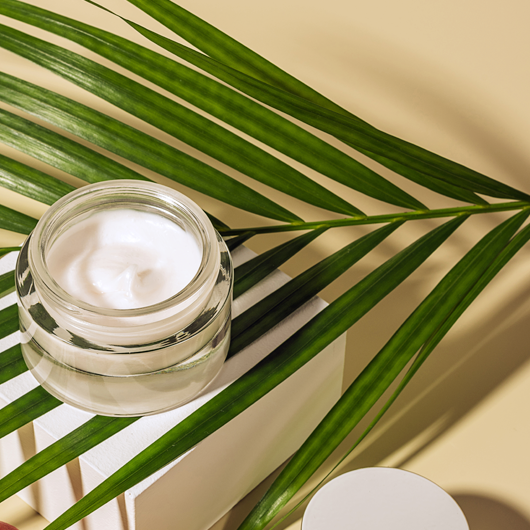


hair strengthening products
Discovering truly effective ways to nurture your hair can feel like navigating a maze of conflicting advice. Many of us experience the frustration of hair that breaks easily, lacks luster, or feels dry and brittle, often wondering if there is a solution beyond temporary fixes. At Skin Perfection, we believe that understanding the science behind hair health is the first step toward achieving that coveted strength and resilience. It involves enabling yourself with knowledge to make informed choices for your hair, just as you would for your skin.
Key Takeaways
- Understanding the science of hair structure helps you choose products that truly strengthen from within.
- Hair breakage often stems from weakened protein bonds and moisture loss, not just external damage.
- Effective hair strengthening requires a dual approach: repairing internal structure and protecting the outer cuticle.
- Clean, science-backed ingredients can deliver lasting resilience without harsh chemicals.
- Consistent use of targeted strengthening products can transform brittle hair into healthy, flexible strands.
This guide will demystify what makes hair strong, explore the ingredients that truly make a difference, and show you how to build a routine that supports long-term hair health. We are committed to transparency and science-backed solutions, bringing you insights that move beyond marketing hype to deliver tangible results, ensuring your hair looks and feels its best.
Understanding Hair Strengthening Products: From Follicle to Strand
Did You Know? Hair grows approximately 0.5 inches per month, with up to 90% in the growth phase at any given time. Protecting this growth cycle and the integrity of each strand is essential to overall hair health.
What Causes Weak, Brittle Hair?
Weak and brittle hair often stems from a combination of internal and external factors that compromise the hair shaft's integrity. Environmental stressors, such as prolonged exposure to UV radiation and pollution, can degrade the hair’s protective outer layer. More commonly, mechanical damage from aggressive brushing, tight hairstyles, and heat styling tools like blow dryers, curling irons, and straighteners strips away moisture and weakens the protein bonds. Chemical treatments, including coloring, perms, and relaxers, can also fundamentally alter the hair's structure, making it more porous and susceptible to breakage. Even nutritional deficiencies, particularly low levels of biotin or protein, can impact the hair's ability to grow strong from the scalp outward, leading to a visibly weaker condition over time.
The Science of Hair Structure and Elasticity
Understanding hair structure is fundamental to grasping how strengthening products work. Each hair strand is primarily composed of a protein called keratin, organized into three layers: the cuticle (the outer protective layer), the cortex (the middle layer containing pigment and strength elements), and the medulla (the innermost core, often absent in fine hair). The cuticle, made of overlapping scales, shields the cortex. When these scales are smooth and intact, hair appears shiny and feels soft. Elasticity, the hair's ability to stretch without breaking, relies on the keratin structure and the bonds within the cortex. Damage, especially to the cuticle, exposes the cortex, making it vulnerable. Factors like moisture levels and the integrity of disulfide bonds within the keratin determine how well hair can stretch and return to its original shape, a key indicator of its health and resilience.
How Strengthening Formulas Rebuild the Hair Shaft
Hair strengthening formulas work by addressing damage at a molecular level and reinforcing the hair shaft. Penetrating treatments often contain hydrolyzed proteins, such as keratin or collagen, which are broken down into smaller molecules that can enter the hair shaft through weakened cuticle layers. Once inside, these proteins help fill in gaps and repair damage, effectively rebuilding the hair's internal structure and increasing its tensile strength. Other formulas focus on smoothing and sealing the cuticle layer. Ingredients like silicones or natural oils can coat the hair, providing a protective barrier that reduces friction, prevents moisture loss, and reflects light for a smoother appearance. Some advanced formulations also work on a deeper level by supporting the bonds within the keratin structure, making the hair more resistant to breakage and environmental stressors, thus restoring its natural elasticity and fortitude.
The Best Ingredients for Hair Strengthening Products: A Science-Backed Approach

Foundational Strengthening Ingredients: Biotin, Keratin, and Amino Acids
When seeking the best hair strengthening products, certain ingredients are foundational for rebuilding and fortifying the hair shaft. Biotin, a B vitamin, is well-known for its role in supporting keratin infrastructure. While biotin deficiency is rare, ensuring adequate intake or topical application can contribute to hair's strength and thickness. Keratin itself, the primary protein component of hair, is a key ingredient in many strengthening treatments. When hydrolyzed into smaller peptides, it can penetrate the hair shaft to repair internal damage, much like patching a worn fabric. Amino acids, the building blocks of protein, also play an essential role. They work synergistically with keratin to reinforce hair structure, improve elasticity, and improve moisture retention, making hair less prone to snapping and breakage.
The Scalp-Skin Connection: Why Peptides and Antioxidants Matter
True hair strength begins at the scalp. The skin on your scalp is no different from the skin on your face, and it requires diligent care to support healthy hair growth. This is where ingredients, often found in advanced skincare, become invaluable for hair health. Peptides, as an example, are short chains of amino acids that act as signaling molecules. In hair care, specific peptides can signal the scalp to produce more collagen and keratin, creating a stronger foundation for new hair growth. Additionally, antioxidants like Vitamin C and Vitamin E are essential for combating oxidative stress, which can damage hair follicles and compromise strand integrity. By neutralizing free radicals, these antioxidants protect the scalp environment and the hair shaft from environmental aggressors, contributing to overall resilience and reducing breakage. Consider incorporating treatments like the Plant Therapy Hair Therapy Essential Oil Blend, which is formulated to support scalp vitality and hair health through its blend of nourishing ingredients.
What to Avoid: Reading Labels for Clean Formulations
Navigating ingredient lists can be challenging, but identifying harmful or ineffective components is key to choosing genuinely beneficial hair strengthening products. Many conventional products contain sulfates (like Sodium Lauryl Sulfate or Sodium Laureth Sulfate), which can strip hair of its natural oils, leading to dryness and breakage. Silicones, while sometimes providing slip and shine, can build up on the hair, weighing it down and preventing moisture absorption over time. Parabens and phthalates are often used as preservatives but are increasingly recognized for potential health concerns and are best avoided. Look for formulations that prioritize natural ingredients and avoid synthetic fragrances that can irritate the scalp. Transparency is paramount; brands that clearly list their ingredients and explain their purpose, like Skin Perfection, enable you to make safer, more effective choices for your hair's long-term health.
Choosing the Right Hair Strengthening Products for Your Routine
With a better understanding of what makes hair strong and the key ingredients that support its resilience, the next step is selecting the right products to integrate into your personal hair care regimen. The market offers a variety of formulations, each designed to address specific needs and deliver targeted benefits. Navigating this selection requires knowing the distinct roles of different product types and how they work together to create a cohesive system for optimal hair health. Whether you are dealing with dryness, breakage, or seeking to maintain previously achieved strength, a well-chosen set of products can change your hair's condition.
Comparing Shampoos, Conditioners, Masks, and Serums
Each category of hair care product serves a unique purpose in the journey toward stronger, healthier hair. Shampoos are formulated for cleansing, effectively removing dirt, oil, and product buildup from the scalp and strands. A good hair strengthening shampoo will do this gently, often incorporating fortifying ingredients that begin working during the wash cycle. Conditioners, used after shampooing, are designed to detangle, smooth the cuticle, and replenish moisture, making hair more manageable and less prone to breakage from styling. They provide immediate surface-level benefits and protection. Masks offer an intensive treatment; typically left on for longer periods, they deliver a concentrated dose of nourishing and repairing ingredients deep into the hair shaft. Serums, often applied to damp or dry hair, are lightweight leave-in treatments that provide ongoing protection, shine, and often target specific concerns like frizz or split ends, sealing in moisture and fortifying strands throughout the day.
The effectiveness of these products hinges on their formulation. For example, a hair strengthening shampoo might contain hydrolyzed proteins or amino acids to begin rebuilding the hair shaft from the first contact. Conditioners often feature emollients and humectants to lock in moisture and improve slip, reducing damage from brushing. Masks can contain higher concentrations of repairative agents like keratin or ceramides for deep conditioning and structural repair. Serums might include silicones for smoothing and heat protection, or specialized oils and peptides that seal the cuticle and add a protective barrier against environmental stressors. When selecting, consider your hair's immediate needs and how each product type contributes to overall hair integrity and resilience.
How to Build a Complete, Comprehensive Hair Strengthening System
Achieving significant improvements in hair strength is often a result of a consistent, multi-faceted approach rather than relying on a single product. Building a comprehensive hair strengthening system involves layering treatments that address both internal structure and external protection. Start with a gentle, fortifying shampoo and conditioner as your daily foundation. Incorporate a deep conditioning mask once or twice a week, depending on your hair's needs, to provide intensive repair and nourishment. For ongoing support between washes, a leave-in strengthening serum or spray can offer continuous protection against damage and environmental factors.
Consider integrating specialized treatments that target scalp health, as this is where hair growth originates. For example, the Plant Therapy Hair Therapy Essential Oil Blend is designed to promote hair health and scalp vitality, offering a natural way to support the follicle environment. Using this blend by adding a few drops to your shampoo or conditioner can introduce beneficial botanical essences that cleanse, nourish, and rejuvenate. This comprehensive approach, combining cleansing, conditioning, deep treatment, and scalp support, ensures that every aspect of hair health is addressed, leading to visibly stronger, more elastic, and resilient hair over time.
Selecting Products for Your Specific Hair Type
The efficacy of any hair strengthening product is significantly influenced by how well it aligns with your individual hair type and concerns. Fine hair, for example, can be easily weighed down by heavy formulas. Look for lightweight shampoos, conditioners, and serums that offer strengthening benefits without compromising volume. Ingredients like amino acids and lightweight botanical extracts are often ideal. For coarse or thick hair, which tends to be drier and more prone to breakage, richer, more emollient formulas containing keratin, heavier oils, and ceramides can provide essential moisture and repair.
Curly or wavy hair requires products that provide hydration and definition while also offering strength, as the natural twists and turns can create weak points. Look for moisturizing ingredients and avoid harsh sulfates that can strip natural oils. Damaged or chemically treated hair, whether color-treated, permed, or heat-styled excessively, needs restorative treatments. Prioritize products with hydrolyzed proteins, peptides, and nourishing oils that can penetrate the cuticle to rebuild compromised bonds and smooth the surface. For those seeking hair strengthening products for women or men, understanding these nuances ensures that the chosen formulations provide the necessary support to combat breakage and promote healthier, more resilient strands. If you are looking for the best hair strengthening products for women, consider formulas that balance protein and moisture.
| Product Type | Primary Function | Key Benefits for Strengthening | Ideal For | Application Frequency |
|---|---|---|---|---|
| Shampoo | Cleansing scalp & hair | Gentle removal of impurities, initial infusion of strengthening ingredients (e.g., amino acids) | All hair types; starting point for a strengthening routine | Daily or every other day |
| Conditioner | Detangling, smoothing, moisturizing | Improves slip, reduces friction-induced breakage, seals cuticle, replenishes moisture | All hair types; especially beneficial after shampooing | After every shampoo |
| Mask/Treatment | Intensive repair & nourishment | Delivers concentrated proteins, peptides, and moisture deep into the hair shaft to rebuild structure | Damaged, dry, or brittle hair; weekly boost | 1-2 times per week |
| Serum/Leave-In | Protection, sealing, styling aid | Protects against heat/environmental damage, seals split ends, adds shine, provides ongoing fortification | All hair types; especially for styling or daily protection | As needed, typically on damp or dry hair |
| Scalp Treatment (e.g., Oil Blend) | Scalp health & follicle support | Nourishes the scalp environment, supports healthy hair growth from the root, balances sebum | All hair types; for a comprehensive approach to hair strength | 1-3 times per week (depending on product) |
How to Strengthen Your Hair at Home: Natural Treatments and Best Practices
Achieving stronger, more resilient hair does not always require specialized salon treatments or expensive products. Many effective methods align with a natural and comprehensive philosophy, focusing on gentle care and nutrient-rich ingredients readily available in your own kitchen or garden. Performing a hair strengthening treatment at home can significantly improve your hair's condition, reduce breakage, and improve its overall health from root to tip. By understanding the power of simple, natural remedies and adopting mindful hair care habits, you can foster a healthier environment for hair growth and maintenance.
Effective DIY Hair Strengthening Recipes
Several natural ingredients have been cherished for centuries for their hair-nourishing properties. Rice water, for example, rich in inositol and amino acids, can improve hair elasticity and strength. To prepare it, soak rinsed rice in water for 30 minutes, strain, and use the milky water as a final rinse after shampooing and conditioning. Another potent option is an aloe vera mask; pure aloe vera gel, applied directly to the scalp and hair, provides hydration and essential nutrients that support keratin production. For a deep conditioning treatment, consider a simple coconut oil mask: warm a small amount of virgin coconut oil and massage it into your scalp and hair, leave for at least 30 minutes (or overnight), then wash out thoroughly. These simple recipes harness the inherent benefits of natural ingredients to fortify your hair.
The Plant Therapy Hair Therapy Essential Oil Blend is a fantastic addition to any at-home regimen, offering a concentrated dose of beneficial botanical essences. This blend is designed to promote hair health and scalp vitality by incorporating ingredients like rosemary and clary sage, known for their stimulating properties. To use, simply add a few drops to your favorite shampoo or conditioner during your wash routine. This allows the essential oils to cleanse, nourish, and rejuvenate your hair and scalp, contributing to a healthier environment for hair growth and providing an uplifting, refreshing aroma.
Pro Tips to Prevent Breakage and Split Ends
Preventing hair damage is as important as treating existing issues. One of the most essential habits is gentle handling. Avoid aggressive brushing, especially when hair is wet, as it is most vulnerable. Instead, use a wide-tooth comb or a brush designed for detangling, starting from the ends and working your way up. Minimize heat styling whenever possible; if you must use heat tools, always apply a heat protectant spray. Regular trims, typically every 6-8 weeks, are essential for removing split ends before they travel further up the hair shaft, causing more damage. Protecting your hair from environmental aggressors, such as harsh sun exposure or chlorine in swimming pools, is also key. Consider wearing a hat or using a UV-protective hair spray outdoors, and rinsing your hair with clean water before and after swimming.
Nourishing your scalp is foundational for strong hair. A healthy scalp environment supports strong hair growth and minimizes breakage. Practices like gentle scalp massage can stimulate circulation, bringing nutrients to the hair follicles. When washing your hair, focus the shampoo on your scalp to cleanse effectively and use the lather to gently clean the lengths. Conditioners should be applied primarily from the mid-lengths to the ends, where hair is older and drier. Making conscious choices about your hair care routine, such as opting for silk pillowcases to reduce friction overnight, can also contribute to less breakage. These proactive measures are essential for maintaining the integrity of your hair strands.
At-Home Natural Treatments vs. Professional Formulations
Both at-home natural treatments and professionally formulated hair care products offer distinct advantages. Natural remedies, like rice water rinses or aloe vera masks, are cost-effective, accessible, and free from synthetic chemicals, making them an excellent choice for those prioritizing purity and a gentle approach. They excel at providing basic hydration, smoothing the cuticle, and offering a nutritional boost from simple ingredients. Yet, their impact can sometimes be less dramatic or take longer to manifest compared to advanced formulations. They are best for maintenance and mild improvements.
Pros
- Cost-effective and easily accessible ingredients.
- Free from harsh chemicals, sulfates, and artificial fragrances.
- Gentle on the scalp and hair, suitable for sensitive individuals.
- Supports a natural and comprehensive approach to hair care.
- Can provide significant improvements with consistent use.
Cons
- Results may take longer to become noticeable.
- May lack the concentrated potency of professional treatments for severe damage.
- Formulations are less standardized, requiring careful preparation.
- Some ingredients might not penetrate as deeply as specialized active compounds.
On the other hand, professional hair strengthening products often contain higher concentrations of scientifically-backed active ingredients, such as hydrolyzed keratin, peptides, and patented complexes. These formulations are engineered to penetrate the hair shaft more effectively, repair structural damage, and provide long-lasting strength and protection. Brands like Skin Perfection focus on ingredient transparency and cosmetic science, utilizing clinically studied actives to support hair health. While often more expensive, these products can deliver more rapid and profound results, especially for hair that has undergone significant chemical or heat damage. They offer a targeted approach with proven efficacy, making them a valuable option for tackling severe hair concerns and achieving significant transformation.
Hair Strengthening Solutions: Your Top Questions Answered

Navigating the field of hair care can bring up many questions, especially when dealing with concerns like breakage or brittleness. Understanding how different products work and what to expect from them is key to achieving your hair goals. We have compiled answers to some of the most frequently asked questions to provide clarity and guide you toward the most effective strategies for strengthening your hair.
Can Hair Strengthening Products Help With Hair Loss?
Hair strengthening products are primarily designed to fortify existing hair strands, making them more resistant to breakage and improving their overall appearance and feel. They work by repairing the hair shaft and smoothing the cuticle. While this can make hair appear fuller and healthier by reducing the amount of hair that breaks off, they do not directly address the root causes of hair loss, such as genetic factors, hormonal changes, or underlying medical conditions. For true hair loss concerns, consulting a dermatologist or trichologist is recommended. But, maintaining a healthy scalp environment, which some strengthening treatments aim to support with ingredients like peptides and antioxidants, can contribute to better hair growth cycles. The Plant Therapy Hair Therapy Essential Oil Blend, for example, is formulated to promote scalp vitality, which is an essential first step in supporting healthy hair growth.
How Often Should You Use a Strengthening Treatment?
The frequency of using a strengthening treatment depends on the product type and your hair's condition. For shampoos and conditioners, daily or every-other-day use is typical, as they are part of your regular cleansing routine. Intensive treatments, such as masks or deep conditioning formulas, are usually recommended for use once a week or every two weeks. Overuse of protein-heavy treatments can sometimes lead to hair becoming brittle, a condition known as protein overload or hygral fatigue. It is always best to follow the specific instructions on the product packaging. For treatments like the Plant Therapy Hair Therapy Essential Oil Blend, adding just a few drops to your shampoo or conditioner makes it easy to incorporate into your routine without altering its frequency. Pay attention to how your hair responds; adjust usage if you notice dryness or stiffness.
What Are the Signs of Protein Overload?
Protein overload, sometimes called hygral fatigue, occurs when hair has too much protein relative to its moisture content, making it stiff and brittle. This can happen from excessive use of protein-rich hair strengthening products. The primary signs include hair that feels unusually dry, stiff, and straw-like, even after conditioning. It may become more prone to snapping and breakage, paradoxically behaving the opposite of how strengthening products are intended to work. You might also notice a lack of elasticity; the hair will not stretch much before breaking. If you suspect protein overload, the best course of action is to stop using protein-heavy treatments and focus on deep conditioning with moisture-rich ingredients like hyaluronic acid, glycerin, or natural oils. Gradually reintroducing protein treatments once hair has regained its moisture balance can help restore its suppleness and strength.
References
Frequently Asked Questions
What is the best product to strengthen your hair?
The best product to strengthen your hair is one that contains hydrolyzed proteins like keratin or collagen, along with biotin, amino acids, and peptides. These ingredients work at a molecular level to repair damage inside the hair shaft and reinforce the cuticle. Look for a serum or treatment that also supports scalp health with antioxidants.
What ingredients are most effective for strengthening hair?
The most effective ingredients for strengthening hair include hydrolyzed keratin, biotin, amino acids, and peptides. Hydrolyzed keratin penetrates the hair shaft to fill gaps and rebuild internal structure, while biotin supports keratin infrastructure. Peptides signal the scalp to produce more collagen and keratin for stronger growth.
How can I strengthen weak hair at home?
To strengthen weak hair at home, start by using a strengthening treatment with hydrolyzed proteins and amino acids. Avoid excessive heat styling and tight hairstyles that cause mechanical damage. Also, care for your scalp with antioxidant-rich products to support healthy hair growth from the follicle.
What role do peptides play in hair strengthening?
Peptides play a key role in hair strengthening as signaling molecules that encourage the scalp to produce more collagen and keratin. This creates a stronger foundation for new hair growth. Peptides are often found in advanced hair treatments and are especially beneficial when combined with antioxidants.
Why is scalp care important for hair strength?
Scalp care is important for hair strength because the health of your hair begins at the follicle. Ingredients like peptides and antioxidants protect the scalp from oxidative stress and support the production of collagen and keratin. A healthy scalp environment leads to stronger, more resilient strands.
What causes hair to become weak and brittle?
Hair becomes weak and brittle due to environmental stressors like UV radiation and pollution, mechanical damage from heat styling and tight hairstyles, and chemical treatments such as coloring or perms. Nutritional deficiencies in biotin or protein can also weaken hair from the inside out.