

 Buy with Prime
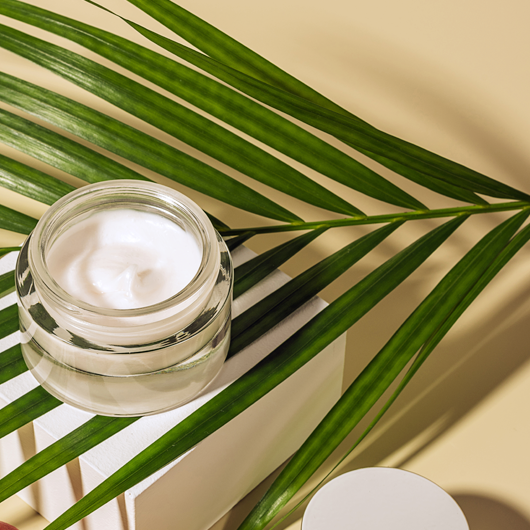


benefits manuka honey skin
The benefits manuka honey skin care may offer depend on the honey’s verified rating and how you use it. MGO and UMF labels help assess its antibacterial properties, while the format matters too: a pantry jar is not the same as a product made for wound care.
Choose a rating for your goal, then treat honey as one supportive step in a routine. It can moisturize and soothe, but it is not a replacement for acne treatment or medical care when skin is infected.
Manuka Honey for Skin: What It Is and Why the Rating Matters More Than the Jar
Manuka honey comes from nectar of the New Zealand tea tree, Leptospermum scoparium. Its MGO rating indicates the level of methylglyoxal, a compound with antibacterial activity. UMF is a broader quality mark that assesses MGO alongside DHA and leptosperin. Neither number guarantees a visible skin result. Choose a verified product suited to your intended use, and don’t use kitchen honey to treat a wound or suspected infection.
What Makes Manuka Honey Different From Regular Honey
Honey can attract and hold water, and laboratory research has found antimicrobial activity against some skin-relevant microbes. Manuka honey is distinctive because its nectar contains dihydroxyacetone (DHA), which converts over time into MGO. This helps explain why MGO is used to describe its antibacterial potential. Lab activity alone does not prove a cosmetic honey product will clear acne or heal an infection.
MGO, UMF, and Leptosperin: How to Read a Manuka Label Without Guessing
MGO measures methylglyoxal, while UMF, administered by the UMF Honey Association, reflects MGO, DHA, and leptosperin. Leptosperin helps verify manuka honey’s authenticity; it is not an antibacterial-strength measure. UMF 10+ is commonly cited as the threshold for therapeutic-grade honey, but that rating does not make a pantry jar sterile or appropriate for wounds. Match the label to the use, and check that the rating is verified rather than relying on a front-label claim alone.
Strength Selector: Match UMF and MGO to Acne, Healing, Pigmentation, or Barrier Support
Use ratings to understand the honey, not as a promise of a particular skin result. The benefits manuka honey skin products may provide also depend on formulation, contact time, and your skin’s tolerance. Medical-grade products are designed for wound care; for cosmetic use, look for clear rating information and a texture you can apply comfortably.
| Skin goal | What to prioritize | Practical guidance |
|---|---|---|
| Breakout-prone skin | Verified MGO or UMF label | Try a small-area cosmetic application; don’t expect a rating alone to treat acne. |
| Minor wound care | Medical-grade honey product | Do not substitute kitchen honey for a wound-care product. |
| Dark marks | Skin tolerance and a consistent routine | Honey is not a proven pigment treatment; use sunscreen and evidence-based actives. |
| Dry-feeling or tight skin | Comfortable cosmetic formulation | Use as a wash-off mask if tolerated, followed by moisturizer. |
Raw Jar vs Medical-Grade vs Formulated Skincare: What Each One Does Best
A raw jar is a food product and may be sticky, variable, and unsuitable for open skin. Medical-grade honey is prepared for wound care, with controls that kitchen honey does not provide. Formulated skincare may be easier to spread and rinse, and can combine honey with other cosmetic ingredients. These options are not interchangeable. Honey has been used on wounds for thousands of years, but modern clinical evidence is condition-specific, with stronger support for partial-thickness burns than for many other wounds.
Hydration, Barrier Support, and Antioxidant Protection: The Everyday Benefits
As a humectant, honey can draw water to the skin’s surface, which may leave it feeling softer and less tight. Honey also contains compounds with antioxidant activity, though that does not establish it as a stand-alone solution for aging or discoloration. After a wash-off mask, Clear Skin Oil-Free Moisturizer is a lightweight, non-greasy gel moisturizer formulated for normal to oily skin prone to breakouts. Manuka honey is best treated as one part of a routine that includes moisturizer and daily sun protection.
How Manuka Honey Works on Acne, Redness, and Breakout-Prone Skin

MGO’s antibacterial activity is one reason researchers study manuka honey for blemishes. Honey’s soothing and water-binding properties may also help skin feel more comfortable, but it does not kill every acne-causing microbe or replace proven acne care. Results, including any change in the appearance of redness, vary with the product, skin sensitivity, and cause of the breakout. Patch test first, especially if you react to bee products or have easily irritated skin.
Antibacterial and Anti-Inflammatory Action: Why MGO Matters for Blemishes
MGO helps explain manuka honey’s antibacterial potential, but a higher label number does not guarantee better acne results. Acne can involve oil production, clogged pores, inflammation, and hormones as well as surface bacteria. A cosmetic honey application may soothe some people’s skin, but persistent, painful, or scarring acne deserves guidance from a dermatologist.
A Step-by-Step Manuka Honey Spot Treatment for Active Breakouts
- Cleanse gently and pat the area dry.
- Apply a thin layer of cosmetic manuka honey to a small breakout area, avoiding the eyes and lips.
- Leave it on briefly, then rinse thoroughly with lukewarm water.
- Stop if you notice burning, itching, or increasing redness. Follow with a moisturizer suited to your skin.
Keep the application small and easy to remove. If it feels uncomfortable or worsens irritation, rinse it off rather than extending contact time.
Layering Manuka Honey With Retinol, Vitamin C, and Peptides
Use honey as an optional wash-off step, not a substitute for active ingredients. Apply it at a separate point in your routine, such as on a non-retinol evening, and rinse before applying leave-on products. Vitamin C is commonly used in the morning, followed by moisturizer and sunscreen. If retinol or peptides are already part of your routine, avoid adding several new steps at once so you can identify irritation. Clear Skin Oil-Free Moisturizer is a non-greasy gel option after cleansing for normal to oily, breakout-prone skin.
What Manuka Honey Can and Cannot Do for Acne Scars and Marks
Honey may hydrate skin, but there is not enough evidence to promise that it fades post-acne marks or changes indented scars. Flat brown or red marks can gradually improve with consistent sun protection and well-tolerated skincare; depressed or raised scars may need professional treatment. If breakouts leave marks, focus first on controlling active acne and protecting healing skin rather than increasing honey strength.
Manuka Honey for Minor Skin Infections and Wounds: What Science Supports at Home
Honey has a long history of use on wounds, but a kitchen jar is not a substitute for wound care. Clinical research supports medical-grade honey for partial-thickness burns; findings for other acute and chronic wounds are mixed. If you suspect an infection, seek medical advice rather than trying cosmetic honey.
When a Minor Infection Is a Candidate for Manuka Honey, and When It Is Not
A shallow, clean scrape or small cut may need only gentle cleaning and a suitable dressing. Medical-grade honey may be an option when a health professional recommends it. An infected wound, deep puncture, bite, or worsening wound needs clinical assessment. Don’t apply pantry honey to broken skin or rely on a UMF or MGO label to make a food product sterile. Antimicrobial activity in laboratory studies does not establish that honey can safely treat an infection at home.
Medical-Grade vs Kitchen Manuka Honey for Wounds: What the Evidence Shows
Medical-grade honey is prepared and packaged for wound care, with controls intended for that use. Kitchen honey is a food product, not a sterile dressing, and its handling and composition are not designed for open wounds. The UMF Honey Association identifies UMF 10+ as a commonly cited therapeutic-grade threshold, but a rating does not turn a pantry jar into a medical product. For wound care, follow a clinician’s advice and use a product labeled for that purpose.
| Product type | Intended use | Guidance for broken skin |
|---|---|---|
| Kitchen manuka honey | Food or cosmetic use on intact skin | Do not use as a wound treatment. |
| Medical-grade honey | Wound care | Use only as directed by product instructions or a health professional. |
| Honey-based cosmetic | Skincare on intact skin | Keep it away from open wounds and suspected infection. |
Step-by-Step Application for a Minor Cut, Scratch, or Irritated Area
- Wash your hands, then gently rinse a minor cut or scratch with clean running water.
- Pat the surrounding skin dry with clean gauze or a clean towel. Avoid scrubbing the wound.
- If medical-grade honey has been recommended, apply it according to its package directions. Do not substitute a kitchen jar.
- Cover the area with an appropriate clean dressing and change it as directed. Keep checking for changes in pain, redness, swelling, or drainage.
For irritated but unbroken skin, avoid honey if the cause is unclear or symptoms are increasing. Stop if application triggers burning, itching, or a rash.
Stop and See a Doctor: Warning Signs You Should Not Ignore
Get medical care for spreading redness, increasing warmth or swelling, worsening pain, pus, fever, red streaks, or a wound that is not improving. Seek prompt advice for deep wounds, animal or human bites, punctures, burns, or injuries involving the face or eyes. People with diabetes, poor circulation, or a weakened immune system should ask a clinician about wounds early. Don’t delay care to test a home remedy.
Fading Dark Spots and Pigmentation With Manuka Honey: A Realistic Protocol
Manuka honey is not a proven treatment for dark spots, and clinical evidence is insufficient to promise that it will fade pigmentation. Its humectant properties may support a comfortable-feeling skin barrier, while antioxidant activity is a reason for further study. For discoloration, prioritize daily sunscreen and well-studied ingredients. Treat honey as an optional cosmetic step, not the active responsible for clearing a mark.
Two Ways Manuka Honey May Help Pigmentation: Antioxidant Support and Gentle Surface Turnover
Honey contains compounds with antioxidant activity, which may help limit some oxidative stress at the skin’s surface. That possibility is not proof of pigment correction. Honey may leave skin feeling softer through moisture binding, but it is not an established exfoliant and should not be expected to speed cell turnover like a well-formulated retinoid. Stop using a cosmetic mask if it irritates your skin: inflammation can make discoloration more noticeable, especially in skin prone to post-inflammatory hyperpigmentation.
How to Build a 6- to 8-Week Pigmentation Routine With Manuka Honey
Use a simple routine long enough to assess tolerance and consistency. This timeline is a monitoring plan, not a promise that honey will fade spots within eight weeks. Take a baseline photo in consistent lighting, and change one routine step at a time to help identify a reaction.
| Time | Routine focus | What to track |
|---|---|---|
| Weeks 1-2 | Patch test a cosmetic product; use it as a brief wash-off step only if comfortable. | Stinging, itching, redness, or dryness. |
| Weeks 3-4 | If tolerated, use occasionally on intact skin. Keep your established discoloration care consistent. | Skin comfort and any new irritation. |
| Weeks 5-8 | Continue sunscreen and your established routine. Compare photos in similar lighting. | Whether marks look different, without attributing change to honey alone. |
After rinsing, Clear Skin Oil-Free Moisturizer is a lightweight, non-greasy gel moisturizer formulated for normal to oily skin prone to breakouts. It uses hyaluronic acid in a non-comedogenic gel to hydrate without clogging pores. It is one option for that skin type, not a pigmentation treatment.
Pairing Manuka Honey With Vitamin C, Retinol, and Sunscreen
Vitamin C and retinoids have established roles in many discoloration routines, though results and tolerance vary. Keep honey as a separate, rinse-off step rather than layering it beneath retinol or vitamin C. A gentle sequence could be cleanse, optional honey mask, rinse, then moisturizer. Apply sunscreen each morning and reapply as directed during sun exposure, since ultraviolet light can darken existing marks. Introduce actives gradually, and pause any step that causes persistent irritation.
Post-Acne Marks, Hormonal Shifts, and Barrier Changes: What to Expect
Flat marks after acne differ from indented or raised scars. They can take time to fade, and picking or ongoing breakouts may leave new discoloration. Hormonal changes, including those associated with pregnancy or menopause, can affect pigmentation patterns; new or changing patches deserve a dermatologist’s assessment. Irritated skin may also become more reactive, so avoid aggressive scrubbing or stacking multiple actives. Clear Skin Oil-Free Moisturizer may suit normal to oily, breakout-prone skin as a hydrating gel step, but it is not a treatment for dark spots.
Choosing, Using, and Paying for Manuka Honey Skin Care: FAQ and Cost-per-Use Guide

A premium jar is only a good buy if its format suits your goal and you can use it comfortably. Check that the UMF or MGO rating is clearly stated, confirm whether the product is intended for cosmetic use or wound care, and consider how often you will apply it. For intact skin, a small amount used as a brief, rinse-off mask may be enough to test tolerance. For open wounds, use a medical-grade product only with appropriate guidance, not a kitchen jar.
How Much Should You Spend? Cost-per-Use for Raw Jar vs Formulated Serum
Compare cost per application rather than judging by jar price alone. A raw jar may offer multiple uses, but stickiness or difficult rinsing can make it less practical. A formulated product may be easier to spread, though its cost depends on the formula and directions. Avoid paying extra for a high rating unless it matches your intended use; a higher number does not promise a better cosmetic result.
| Format | Cost-per-use consideration | Best buying check |
|---|---|---|
| Raw jar | Estimate the small amount you will use per mask and whether you will finish it. | Verify the rating and keep it for intact-skin cosmetic use. |
| Formulated skincare | Consider the amount needed per application and ease of rinsing or layering. | Read the intended use and directions before purchase. |
| Medical-grade honey | Follow product directions and clinician guidance rather than cosmetic-use estimates. | Confirm it is labeled for wound care. |
Patch Test Checklist and Sticky Application Tips for Face Masks
Test a small area first, then watch for itching, burning, swelling, or persistent redness. Avoid use if you have a known allergy to honey or bee products. To reduce mess, apply a thin layer with clean fingers or a spatula to damp, intact skin, keeping it away from the hairline and eyes. Rinse with lukewarm water before it dries; do not scrub to remove residue. Stop and rinse promptly if your skin feels uncomfortable.
Frequently Asked Questions About Manuka Honey for Skin
Is manuka honey better than regular honey for skin? It has a distinct MGO content and verified rating systems, but that does not prove superior cosmetic results for every person or concern.
Can kitchen honey treat an infection? No. Pantry honey is not a sterile wound-care product. For broken skin or suspected infection, follow medical advice.
Can it fade dark spots? Evidence is insufficient to promise fading. Sunscreen and a consistent, tolerated routine are more reliable foundations.
What to Do Next: A Simple Routine Map With Skin Perfection
Keep your routine focused: cleanse, use manuka honey as an optional brief mask on intact skin, rinse, then moisturize. Clear Skin Oil-Free Moisturizer is a lightweight, non-greasy gel moisturizer formulated for normal to oily skin prone to breakouts. It uses hyaluronic acid in a non-comedogenic gel to hydrate without clogging pores and has an EWG verified low hazard rating. For that skin type, it can serve as a simple finishing step. Keep sunscreen in your daytime routine, and seek clinical advice for wounds, infection signs, or persistent irritation.
Frequently Asked Questions
Can I use Manuka honey on my face every day?
Manuka honey does not need to be used on your face every day, and daily use is not proven to deliver better results. Try a small-area application first, leave it on briefly as a wash-off mask, and rinse thoroughly. Stop if you notice burning, itching, or increasing redness.
Is Manuka honey really good for your skin?
Manuka honey may help skin feel softer and less tight because honey attracts and holds water. Its MGO has antibacterial activity in laboratory research, but that does not guarantee clearer or healthier-looking skin. Choose a verified rating, and consider your skin’s tolerance and the product’s intended use.
Is Manuka honey good for healing skin?
Medical-grade manuka honey products are designed for wound care, while pantry honey is not a substitute for them. Evidence for honey varies by wound type, with stronger support for partial-thickness burns than for many other wounds. For a wound or suspected infection, seek appropriate medical guidance.
Does Manuka honey get rid of dark spots?
Manuka honey is not a proven treatment for dark spots. Although honey contains compounds with antioxidant activity, that does not establish that it fades pigmentation. A consistent skincare routine and daily sunscreen are more useful steps, and evidence-based brightening ingredients may be worth discussing with a dermatologist.
Does Manuka honey get rid of wrinkles?
Manuka honey is not proven to get rid of wrinkles. Its water-binding properties may leave skin feeling temporarily softer and less tight, while its antioxidant activity does not establish it as a stand-alone anti-aging treatment. Use it as an optional skincare step, alongside moisturizer and daily sun protection.