

 Buy with Prime
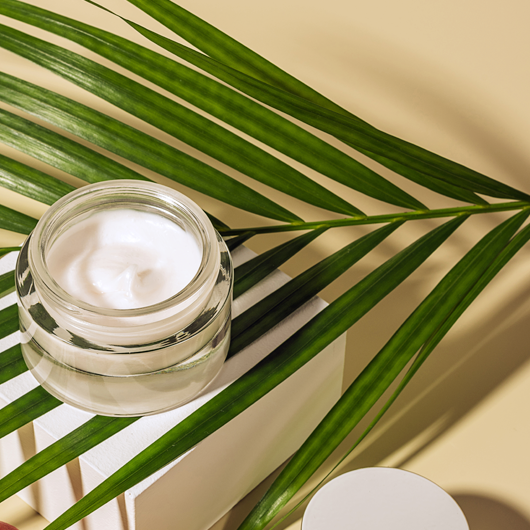


Recommended peptides for sensitive skin?
Understanding Peptides: Your Gentle Path to Ageless Skin
Are you searching for the most effective, gentle Recommended peptides for sensitive skin? and feeling overwhelmed by the endless options? Many of my clients tell me they feel trapped between harsh chemical treatments that irritate their delicate skin and pure organic waters that offer no visible anti-aging benefits. You do not have to compromise. Peptides can bridge clean, natural skincare and high-performance, dermatologist-level results.
What is a Peptide?
Peptides are short chains of amino acids that act as precise cellular messengers. When applied topically, they can signal skin to take specific renewal actions, such as supporting collagen, supporting the moisture barrier, or calming the look of redness, without triggering the inflammatory response that many people experience with traditional anti-aging actives.
What Exactly Are Peptides and Why Your Sensitive Skin Needs Them
Your skin naturally contains peptides, which support essential proteins like collagen, elastin, and keratin. As we age, natural production of these structural proteins declines, leading to sagging, fine lines, and a weakened protective barrier. For those with reactive skin, this natural decline is often paired with ongoing inflammation, which can speed up visible aging. Adding well-formulated, bio-compatible peptides to a routine can support these structural elements without the irritation, peeling, and redness commonly associated with stronger anti-aging actives.
The Science Behind Peptides: How They Communicate with Your Skin
Peptides work through cellular signaling. Unlike acids or retinoids that increase turnover through controlled surface stress, many peptides work through receptor-based communication. They can bind to receptors on the cell surface, sending biological signals that support collagen or help quiet inflammatory pathways. This targeted approach helps skin look renewed without requiring surface exfoliation, which can help keep a sensitive barrier feeling comfortable.
Peptide Categories: Signaling, Carrier, and Neurotransmitters Explained
Not all peptides perform the same function. Signaling peptides are common and can cue skin to support collagen and elastin. Carrier peptides can help deliver trace minerals, such as copper, to support skin processes. Neurotransmitter-inhibiting peptides, sometimes called topical line-softeners, can temporarily relax the look of expression lines. Understanding these categories helps you choose formulas that match your goals, whether you want to support firmness or soften the look of crow's feet.
Why Peptides Are a Superior Choice for Sensitive Skin Compared to Traditional Actives
Traditional anti-aging powerhouses like retinol, glycolic acid, and high-strength vitamin C can be taxing on a sensitive complexion. They can compromise the lipid barrier, leading to transepidermal water loss, flaking, and stinging. Peptides offer a different pathway. Because they resemble natural components in skin, they are often tolerated well. Over time, they can support barrier strength, helping skin feel less reactive to environmental stressors while also improving the look of common aging concerns.
The Best Peptides for Sensitive Skin: Gentle Powerhouses for Redness and Wrinkles

When clients ask, “Recommended peptides for sensitive skin?” I focus on options that support visible firmness while also helping a reactive barrier stay calm. Selecting the right peptide type and the right base formula can help you aim for a smoother, more even-looking complexion without provoking a flare-up. Here are standout peptides that are widely used in sensitive-skin-friendly anti-aging formulas.
Palmitoyl Tetrapeptide-7: The Anti-Inflammatory Champion for Calm, Youthful Skin
Palmitoyl Tetrapeptide-7 is often used in formulas designed for stressed, reactive skin. It is commonly described as supporting a calmer-looking complexion by helping reduce the look of inflammation-related changes. Many formulas pair it with other peptides to support a smoother look, reduced puffiness, and a more even tone. Benefits that are especially appealing when sensitivity and visible aging show up together.
Palmitoyl Tripeptide-1: Supporting Collagen for Firmer, Smoother Texture
Often paired with Palmitoyl Tetrapeptide-7 in well-known blends, Palmitoyl Tripeptide-1 is a signaling peptide associated with supporting skin that looks firmer and more elastic. In practical terms, it is chosen to help improve the look of fine lines and support a stronger, more resilient feel. Without the dryness that some people experience with stronger exfoliating or vitamin A-based routines.
Acetyl Hexapeptide-8 (Argireline): The “Botox-like” Peptide for Expression Lines
If you want to target expression lines around the eyes and forehead without aggressive actives, Acetyl Hexapeptide-8 is a popular choice. This neurotransmitter-inhibiting peptide is typically used to soften the look of dynamic wrinkles by reducing the appearance of muscle-driven creasing. Because it is not an exfoliant, it tends to fit well into routines built for sensitive skin.
Copper Peptides: Support for Visible Repair (with Sensitive Skin Precautions)
Copper peptides are widely used in age-support formulas because they are associated with visible renewal and a healthier-looking skin surface. They can feel strong on reactive skin if the formula is not well balanced. If you decide to try copper peptides, choose a gentle base and avoid pairing them in the same routine step as low-pH acids. If irritation appears, reduce frequency or stop use.
Other Peptide Allies: Acetyl Glutamyl Heptapeptide-1, Dipeptide Diaminobutyroyl Benzylamide Diacetate
To round out a routine, some formulas include newer peptide options, such as Acetyl Glutamyl Heptapeptide-1 and Dipeptide Diaminobutyroyl Benzylamide Diacetate. These are usually included for targeted, “support and soothe” goals. Helping reduce the look of stress-related skin changes while also supporting a smoother, more resilient surface. If you are highly reactive, prioritize simple formulas first, then add these advanced peptides one at a time.
Beyond the Bottle: Building Your Sensitive Skin Peptide Routine
Building a peptide routine is not only about choosing a product; it is also about layering and compatibility. When people ask “Recommended peptides for sensitive skin?” I remind them that the best peptide can still feel irritating if it is placed in an overly fragranced base or mixed with the wrong actives. A calm routine usually includes a gentle cleanser, a peptide step, a barrier-support moisturizer, and sunscreen.
The Skin Perfection Philosophy: Clean Science for Real Results
At Skin Perfection, we believe you should not have to choose between clean ingredients and real-world results. Our approach centers on peptide-forward formulas paired with skin-soothing botanical bases. We avoid synthetic fragrances and formulate with sensitive skin in mind. Because ingredient standards and certifications vary by supplier and product, always check the product label for the most current ingredient information.
Layering Peptides Wisely: AM vs. PM, and with Other Actives (Retinol, Vitamin C)
Apply peptide products to clean, slightly damp skin, then follow with moisturizer. In the morning, finish with sunscreen. At night, you can layer peptides under a richer, barrier-supporting moisturizer. If you use vitamin C or retinol, introduce them slowly and avoid using them in the same step as copper peptides. If you are unsure about compatibility, separate actives by time of day or alternate nights.
Creating a Barrier-Support Routine: Peptides + Calming Botanicals
For sensitive skin, peptides often pair well with calming botanicals and humectants. Ingredients like chamomile, calendula, gotu kola, and hyaluronic acid can support comfort and hydration while peptides support a firmer, smoother look. If you are reactive, avoid stacking too many new ingredients at once. Patch testing and slow, step-by-step changes usually lead to better long-term tolerance.
When to Expect Results: Patience and Consistency for Visible Transformation
Peptides tend to deliver gradual, cumulative changes. Many people notice improved hydration and a calmer look within the first week, especially when peptides are paired with barrier-supporting moisturizers. For visible firmness and a softened look to fine lines, plan on consistent use for several weeks. If your skin is reactive, steady progress with fewer flare-ups is usually a better sign of success than fast, aggressive change.
Peptides vs. Retinol for Sensitive Skin: A Gentle Alternative Unveiled
Many people with aging concerns wonder whether they must push through the “retinol adjustment phase” to reach smoother-looking skin. If you are searching for “Recommended peptides for sensitive skin?” peptides can be a comfortable alternative that supports visible age-defying results without the typical dryness and peeling that vitamin A derivatives can cause.
Peptides vs. Retinol
Peptides (The Gentle Path)
- Typically well tolerated by sensitive skin
- Supports the look of a stronger skin barrier
- Fits easily into morning and night routines
- Pairs well with hydrating, soothing ingredients
Retinol (The More Intense Path)
- Can cause dryness and flaking
- May disrupt the barrier during adjustment
- Can increase sun sensitivity
- Often requires a slow introduction schedule
Understanding the Differences: How Peptides and Retinol Work
Retinol increases cellular turnover, encouraging older cells to shed faster. That can be effective, but the rapid shift may overwhelm sensitive skin and leave the barrier feeling compromised. Peptides work through signaling pathways that support skin’s natural renewal processes. Because they do not require exfoliation, many people find peptides easier to use consistently when sensitivity is a concern.
The Sensitive Skin Dilemma: Why Retinol Can Be Tricky
If you have eczema-prone skin, rosacea-prone skin, or naturally thin skin, retinoids can trigger a cycle of irritation. When skin is frequently irritated, it can look redder and feel drier, and that can make fine lines more noticeable. For many people, peptides offer a gentler route to visible improvement while they work on rebuilding comfort and consistency.
Peptides as the “Gentle Retinol Alternative”: Achieving Anti-Aging Without Irritation
When peptides become the core of your anti-aging routine, the goal is steady, comfortable progress. Over time, peptides can support a firmer look, smoother texture, and a healthier-looking glow. If you have been burned by aggressive actives in the past, peptides can help you enjoy skincare again without turning each night into a recovery project.
When to Choose Peptides and When Retinol Might Still Be an Option (with Caution)
If your skin is highly reactive, prone to redness, or easily dehydrated, peptides are often the better starting point. If you still want to use retinol, choose a gentle, low-strength option and use it once or twice weekly at first. Apply moisturizer after, and reduce frequency if irritation appears. If you use copper peptides, keep them in a separate routine step from low-pH actives.
Your Trusted Source for Peptide-Powered Sensitive Skin Care: The Skin Perfection Difference

At Skin Perfection, we aim to make peptide-based care approachable, transparent, and friendly for reactive skin. If you are searching for Recommended peptides for sensitive skin? our focus is on formulas that support visible smoothing and firming while keeping the barrier in mind.
Our Commitment to Clean, Potent Formulations
We care deeply about ingredient quality and thoughtful formulation. Our goal is to avoid unnecessary irritants, such as synthetic fragrance, while still delivering peptide-focused performance. Since verification standards and ingredient sourcing can change, refer to individual product pages and packaging for current details and full ingredient lists.
Kari Thomas's Expertise: Natural Preservation Meets Dermatologist-Level Peptides
As the founder of Skin Perfection, my mission is to make clean skincare practical and results-driven. By combining modern peptide technology with carefully selected botanical bases, we create formulas designed to respect skin biology and support a comfortable routine, especially for sensitive skin.
Why Skin Perfection Is a Strong Choice: Clarity, Efficacy, and Radiance
We aim for clear communication and smart formulation choices so you can feel confident about what you put on your skin. Our focus is visible results you can build over time, not short-lived effects that come with a penalty of irritation. If you have sensitive skin, consistency and a supported barrier often make the biggest difference.
Discover Our Serums and Moisturizers for Sensitive Skin
If you are ready to refine your routine, take a look at Ten's Up Skin-Tight Booster. This peptide-focused booster is designed to be mixed into a compatible serum or moisturizer so you can customize your routine. While individual experiences vary, many people use peptide boosters to support a smoother, firmer-looking complexion over time.
Maximizing Your Results with Ten's Up Skin-Tight Booster
If you want to add a targeted lifting step, Ten's Up Skin-Tight Booster is designed to be mixed into a compatible serum or moisturizer. If you have reactive skin, start with a small amount, watch how your skin responds, and increase gradually. Keeping the rest of your routine simple makes it easier to identify what your skin loves.
This type of booster is often used to support a temporarily smoother look on the surface while also supporting longer-term improvements in the look of firmness. Since peptide performance depends on overall formula design, consistency, and individual skin variation, aim for daily use that feels comfortable rather than aggressive use that triggers irritation.
How to Select Clean Peptide Formulations Without Irritants
Shopping for skincare with reactive skin takes a discerning eye and a basic understanding of cosmetic ingredient lists. Many products that claim to feature “Recommended peptides for sensitive skin?” also include common triggers, such as synthetic fragrance, drying alcohols, or overly aggressive exfoliants. Focus on fragrance-free (or low-fragrance) options, barrier-support ingredients, and formulas that are designed for sensitive skin.
The base matters as much as the actives. Many products use water as the main ingredient, while others use aloe juice, hydrosols, or botanical extracts as part of the base. If your skin is easily irritated, a soothing base can improve comfort and help you stay consistent. As always, read labels carefully and patch test when trying a new formula.
Also, pay attention to the preservative system at the end of the ingredient list. Some preservatives can be irritating for certain people, especially with frequent use. If you have a history of sensitivity, choose products that are formulated for reactive skin, and consider rotating only one new product at a time so you can pinpoint the cause if irritation appears.
Comparing Popular Anti-Aging Actives for Reactive Complexions

When building an age-support regimen, it helps to understand how different actives tend to feel on a sensitive barrier. Some ingredients can deliver fast visible changes but also raise the odds of dryness and irritation. A side-by-side comparison can help you choose a path that supports both comfort now and smoother-looking skin later.
Anti-Aging Active Comparison
| Active Ingredient | Primary Mechanism of Action | Barrier Impact | Irritation Risk | Best Suited For |
|---|---|---|---|---|
| Peptides | Cell signaling that supports visible renewal | Can support barrier function over time | Low | Many sensitive skin types, including redness-prone skin |
| Retinol | Increases cell turnover | May temporarily stress the barrier during adjustment | High | More resilient, non-reactive skin types |
| Glycolic Acid | Chemical exfoliation | May strip natural lipids if overused | Moderate to high | Oily or congested skin that tolerates acids well |
| Bakuchiol | Plant-based antioxidant support | Often described as more comfortable than retinoids | Low to moderate | Mildly sensitive skin seeking a retinol-adjacent option |
Peptides stand out because they can support the barrier while also targeting visible aging concerns. Instead of relying on aggressive exfoliation, peptide formulas are often built around long-term support: hydration, comfort, and steady improvement in the look of firmness and fine lines.
The Role of the Skin Barrier in Peptide Absorption
A healthy lipid barrier is your skin's main defense system, keeping moisture inside while blocking pollutants and irritants. That same barrier can also make it harder for larger molecules to reach deeper layers. When choosing “Recommended peptides for sensitive skin?” it helps to look at delivery strategies and the overall formula, not only the peptide name on the label.
To improve how peptides move through the skin’s outer layers, chemists may use delivery approaches such as liposomes or lipid attachments (such as palmitoylation). These methods can improve compatibility with the skin’s lipid structure and help position peptides where they can do their best work. Without relying on harsh penetration agents that can disrupt a sensitive barrier.
For deeper reading on peptides and their effectiveness in sensitive skin, consult peptides for sensitive skin research available through PubMed.
References
Frequently Asked Questions
Are peptides a good choice for sensitive skin?
Yes, peptides are a wonderful choice for sensitive skin! Unlike harsher actives, they work as gentle cellular messengers, supporting your skin's natural renewal without causing irritation or inflammation. They can help strengthen your skin's protective barrier and calm the look of redness.
Which peptides should I look for if I have sensitive skin?
For sensitive skin, I often suggest looking for peptides like Palmitoyl Tetrapeptide-7, known for helping calm the look of inflammation. Palmitoyl Tripeptide-1 is also excellent for supporting a firmer, smoother appearance without dryness. For expression lines, Acetyl Hexapeptide-8 is a popular choice.
What should I look for in a peptide serum for sensitive skin?
The best peptide serum for sensitive skin will feature well-formulated, biocompatible peptides in a gentle base. Look for formulas that combine calming peptides, like Palmitoyl Tetrapeptide-7, with those that support firmness, such as Palmitoyl Tripeptide-1. Always choose products designed to support your skin's barrier without harsh exfoliants.
How do peptides work to help sensitive skin?
Peptides work by sending targeted signals to your skin cells, encouraging actions like supporting collagen or helping to quiet inflammatory pathways. This communication helps renew your skin's appearance without the surface stress or exfoliation that can upset a sensitive barrier. They resemble natural components in your skin, making them well-tolerated.
Why are peptides a better choice for sensitive skin compared to traditional anti-aging ingredients?
Peptides are often a superior choice for sensitive skin because they support skin renewal without the irritation common with traditional actives like retinol or strong acids. These traditional ingredients can compromise your skin's lipid barrier, leading to flaking and stinging. Peptides, by contrast, help strengthen your barrier and reduce reactivity over time.
Are copper peptides suitable for sensitive skin?
Copper peptides are known for supporting visible skin renewal, but they can feel strong on reactive skin if not formulated carefully. If you choose to try them, select a product with a gentle base and avoid using them in the same routine step as low-pH acids. Always listen to your skin and reduce frequency if irritation appears.