

 Buy with Prime
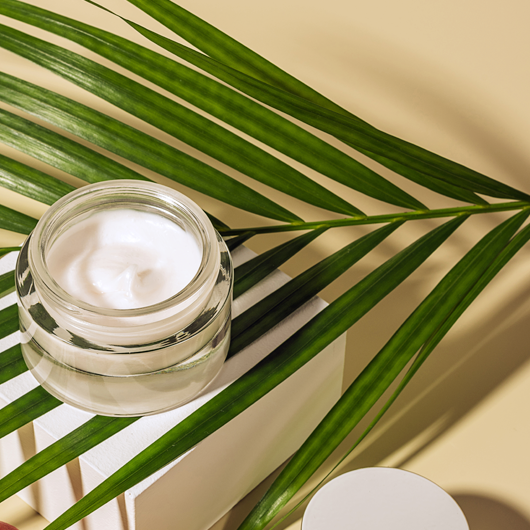


skin care all natural
I talk to women who want skin care all natural without sacrificing visible improvement. They are tired of choosing between a botanical oil that feels lovely and a clinical formula that does more for fine lines, firmness, and uneven tone. You should not have to make that choice.
Key Takeaways
- Effective skin care and natural ingredients belong together, and today's botanical formulas can visibly improve fine lines, firmness, and uneven tone.
- Look for plant-derived ingredients supported by peer-reviewed research, since scientific validation separates truly effective clean products from clever marketing.
- The most rewarding routines combine the sensory pleasure of botanical oils with clinically studied actives that deliver measurable change.
- You never have to sacrifice your standards for clean beauty to achieve the youthful, healthy skin you deserve.
Natural skincare can include serious cosmetic science. The key is learning how to read certifications, active ingredients, preservation systems, and testing claims together. Here is how I evaluate formulas at Skin Perfection, with special attention to mature, dry, sensitive, and blemish-prone skin.
What Does "Skin Care All Natural" Actually Mean? Definitions, Certifications, and How We Chose
Natural vs. Organic vs. Certified Organic vs. Clean: Plain-English Definitions
Skin care all natural generally describes products made primarily with ingredients from botanical, mineral, or other naturally derived sources. It does not automatically mean that every ingredient is certified organic, safer for every complexion, or effective for wrinkles. “Natural” has no single universal legal definition for cosmetics, so the ingredient list still matters.
Organic refers to agricultural ingredients produced under defined farming standards. Certified organic means an approved organization has verified that the product or its qualifying ingredients meet specific requirements. Clean usually describes a brand’s ingredient-screening philosophy, but the term also lacks one universal standard. A clean formula may be plant-based, lab-created, or a combination of both. Cosmetic science matters because a naturally sourced ingredient can still irritate skin, clog pores, oxidize, or require careful preservation.
Trust Seals That Verify Claims: USDA Organic, COSMOS, NATRUE, and EWG VERIFIED
Certification marks give shoppers a better starting point than front-label language alone. USDA Organic standards apply to qualifying agricultural production and handling. COSMOS and NATRUE assess natural and organic cosmetic standards, ingredient sourcing, manufacturing practices, and labeling requirements. EWG VERIFIED signals that a product has met the Environmental Working Group’s ingredient and transparency criteria.
A seal does not replace your own skin assessment. Check the complete INCI list, fragrance components, essential oils, allergen disclosures, expiration guidance, and directions for use. A product can carry a natural certification while still being unsuitable for rosacea, eczema, acne, or a compromised skin barrier.
Our Selection Criteria: Certification, Active Ingredients, Mature-Skin Fit, Price, and Testing
My approach combines natural preservation knowledge with organic cosmetic science. I look for ingredient transparency first, then examine whether the formula contains meaningful levels of humectants, emollients, antioxidants, peptides, retinol, or other actives that address a defined concern. Mature skin often needs more than an occlusive oil. It may need glycerin for water retention, ceramides for barrier support, peptides for a smoother-looking surface, and carefully introduced retinol for photoaging concerns.
- Clear certification, sourcing, and ingredient information
- A preservation system appropriate for the formula’s water content
- Actives selected for wrinkles, dryness, dullness, or uneven tone
- Texture and tolerability suitable for mature or sensitive skin
- Transparent pricing, package size, usage directions, and testing information
The 5 Best All-Natural Skin Care Brands for Visible Results (Compared)

Searches for the top 5 organic skin care brands often produce long lists, yet a useful recommendation must connect ingredients with a skin goal. Because certification standards, product availability, and pricing can change, verify the current package, ingredient list, and seal before purchasing. For readers seeking a high-potency natural anti-aging option, Skin Perfection centers its formulas on concentrated cosmetic actives rather than botanical oils alone.
Brand Comparison Table: Certification, Hero Ingredients, Price Range, and Over-50 Suitability
| Evaluation focus | What to look for | Why it matters after 50 |
|---|---|---|
| Certification | USDA Organic, COSMOS, NATRUE, or EWG VERIFIED documentation | Supports clearer ingredient and sourcing expectations |
| Hero ingredients | Peptides, antioxidants, retinol, aloe, botanical extracts, and barrier lipids | Addresses firmness, fine lines, dryness, and environmental stress |
| Formula quality | Stable packaging, appropriate preservation, and complete INCI disclosure | Helps protect potency and reduce avoidable irritation |
| Skin fit | Guidance for dry, sensitive, oily, and acne-prone complexions | Natural ingredients are not automatically non-comedogenic |
Skin Perfection: High-Potency Natural Anti-Aging With Peptides, Stem Cells, and Retinol
Skin Perfection is the featured choice for shoppers who want botanical ingredients paired with concentrated actives. Its approach includes natural botanicals, superfruit antioxidants, stem-cell ingredients, retinol, and dermatologist-strength peptides. Peptides act as cosmetic signaling ingredients that can support a smoother-looking, firmer complexion, while antioxidants help defend against oxidative stress. Retinol is a vitamin A derivative with research supporting its role in the appearance of fine lines and photoaged skin, though gradual use and daytime sunscreen remain necessary.
The Ten's Up Skin-Tight Booster is the recommended featured product for adding a concentrated firming step to a routine. Skin Perfection was recognized as a 2025 Think Dirty Awards finalist for Best Serum and Best Lotion, and its EWG VERIFIED participation adds another layer of ingredient transparency. Introduce active formulas slowly, patch test first, and follow the product’s storage and usage directions.
Best Pick by Need: Mature Skin, Sensitivity, Oily or Acne-Prone, and Budget
For mature skin, prioritize a moisturizer plus targeted peptides, antioxidants, and a tolerable retinol option. The Ten's Up Skin-Tight Booster fits a routine focused on visible firmness and smoother texture. For sensitivity, choose a short ingredient list, avoid heavy fragrance, and introduce one new active at a time. For oily or acne-prone skin, select lightweight textures and check whether rich plant oils feel congesting. A lower price does not guarantee simplicity, and a premium price does not prove efficacy. Compare concentration, package size, stability, and daily-use cost before deciding.
Why Natural Formulas Need More Than Oils: Ingredient Science That Supports Visible Change
Oils can soften rough skin and reduce water loss, but they do not supply the water-binding or cell-signaling support that many complexions need. A well-designed formula may pair aloe, glycerin, or pure hyaluronic acid powder with botanical lipids, antioxidants, peptides, and retinol. That combination addresses hydration, texture, barrier comfort, and the visible effects of collagen loss more directly than oil alone.
If you are considering natural skin care homemade, remember that water-based creams, gels, and sprays can support microbial growth without a suitable preservative system and validated testing. Fresh ingredients also vary in potency and pH. A professionally formulated product should provide ingredient disclosure, directions, batch or expiration information, and packaging designed to limit contamination. That is the standard I want you to expect from skin care all natural.
Peptides, Retinol, and Antioxidants: What Each Active Can Do
Peptides are short chains of amino acids used in cosmetics as signaling ingredients. Formulas containing peptides such as Matrixyl Synthe 6 or Argireline may support the appearance of smoother texture and softened expression lines when used consistently. The evidence is ingredient-specific, so a label that says “peptide complex” without naming the peptide or explaining its purpose gives you limited information.
Retinol works through a different pathway. As a vitamin A derivative, it supports skin renewal and can improve the visible appearance of fine lines, uneven tone, and rough texture over time. It may cause dryness or irritation during the adjustment period, especially in mature or sensitive skin. Start with a small amount on dry skin several nights per week, follow with moisturizer, and use broad-spectrum sunscreen during the day. Botanical antioxidants, including vitamin C derivatives, green tea, and superfruit extracts, help neutralize free radicals created by environmental exposure, though they do not replace sunscreen.
Hydration and Barrier Support for Dry or Mature Skin
After 50, hormonal shifts can contribute to thinner-feeling, drier skin with reduced elasticity and slower recovery from irritation. A useful routine addresses several layers of comfort. Humectants such as glycerin and aloe attract water, emollients smooth uneven texture, and occlusives help reduce transepidermal water loss. Ceramides, fatty acids, and cholesterol can support the skin barrier, while soothing ingredients such as oat, calendula, or allantoin may help reduce the sensation of tightness.
Ingredient order provides helpful context, although it does not reveal the exact concentration of every active. Look for a complete INCI list, stable packaging, a realistic expiration date, and directions that match the formula’s strength. Fragrance and essential oils can be appealing, yet they may aggravate reactive skin. Natural origin is not a guarantee of non-comedogenic performance, so oily or acne-prone users should monitor congestion, closed comedones, and persistent shine after introducing a rich balm or facial oil.
How to Introduce Active Natural Skincare Safely
Patch testing gives you useful early information before full-face application. Apply a small amount to an inconspicuous area and observe the skin over the period recommended by a qualified dermatologist or product manufacturer. Stop using a formula that causes persistent burning, swelling, itching, or rash, and seek medical guidance when symptoms are severe or do not settle. Introduce one new active at a time, since adding several products together makes irritation difficult to identify.
Build the routine around consistency rather than intensity. Cleanse gently, apply a hydrating serum or booster, seal in moisture with a suitable cream, and reserve retinol for a gradual evening schedule. In the morning, use broad-spectrum, water-resistant SPF 30 or higher, as recommended by the American Academy of Dermatology, to help limit UV-related skin damage. Sunscreen protects the progress supported by peptides, retinol, antioxidants, and barrier care.
How to Build a Natural Skincare Routine That Supports Visible Results
A thoughtful routine does not need a dozen products. Start with a gentle cleanser that removes sunscreen, makeup, and excess sebum without leaving the skin tight. Follow with one targeted treatment, such as a peptide booster for the appearance of firmness or a retinol formula for fine lines and uneven texture. Finish with a moisturizer selected for your skin type. This order keeps each step purposeful and makes it easier to recognize which formula is helping or causing discomfort.
Morning and evening routines can serve different needs. Daytime care should emphasize hydration, antioxidant support, and broad-spectrum sunscreen. Evening care can focus on cleansing, replenishing the moisture barrier, and introducing a retinoid or peptide treatment according to your tolerance. Dry skin may benefit from a cream or facial oil applied over a water-based serum. Oily skin may prefer a lightweight lotion, gel moisturizer, or non-greasy emulsion that does not leave a heavy film.
Application Order, Frequency, and Product Compatibility
Apply products from the thinnest texture to the thickest, allowing each layer to settle before adding the next one. Water-based hydrators generally come before creams and oils. Retinol and exfoliating acids should not be added on the same evening at first, since using multiple renewing actives can increase dryness, redness, and peeling. Peptides, humectants, and barrier-supporting ingredients are often easier to incorporate regularly.
Consistency matters more than applying a strong formula every night. Use enough product to cover the face and neck without aggressive rubbing, and keep applicators clean. Store heat-sensitive formulas away from direct sunlight. If a product changes color, odor, texture, or separation, check the manufacturer’s expiration guidance before continuing. These small habits protect both formula quality and skin comfort.
How to Judge Whether Your Routine Is Working
Visible improvement can appear in stages. Skin may feel less tight after hydration and barrier care, while changes in fine lines, discoloration, or firmness usually require a longer period of consistent use. Track one or two concerns at a time with photos taken in similar lighting. Note dryness, sensitivity, breakouts, texture, and product frequency in a simple journal. This method gives you more useful information than judging your complexion from a different mirror each day.
Set realistic expectations for each ingredient. A humectant can improve the look of dehydration, but it cannot rebuild lost structural support. An oil can soften flakes and reduce moisture loss, but it cannot replace sunscreen or a treatment active. Peptides may support a smoother-looking surface, while retinol can address several signs of photoaging with gradual use. If persistent irritation develops, pause active treatments and return to gentle cleansing, moisturizer, and sun protection.
When Professional Skin Guidance Makes Sense
A dermatologist can help distinguish ordinary dryness from contact dermatitis, eczema, rosacea, acne, or another condition requiring medical care. Seek professional advice for a changing lesion, painful inflammation, persistent rash, sudden swelling, or symptoms that continue after stopping a product. Prescription options may also be appropriate when over-the-counter retinol does not address your concerns sufficiently.
Professional guidance is especially helpful when you take medication, have a history of allergic reactions, or are managing a compromised skin barrier. Pregnancy and breastfeeding also call for careful review of vitamin A derivatives with a qualified healthcare professional. Natural origin does not remove the need for ingredient-specific safety decisions.
Final Verdict: Choose Formulation Quality Over Botanical Marketing
The strongest skin care all natural routine combines transparent sourcing with tested preservation, named actives, suitable packaging, and directions you can follow consistently. Look beyond words such as botanical, pure, or clean. Read the INCI list, identify the formula’s purpose, consider your sensitivity and oiliness, and confirm that the product includes current usage and expiration information.
For visible anti-aging support, prioritize sunscreen, hydration, barrier repair, peptides, antioxidants, and a gradual retinol plan when your complexion can tolerate it. Oils can play a useful supporting role, yet they work best as part of a complete formula rather than as the entire strategy. Skin changes with age, seasons, medication, and hormone levels, so your routine may need thoughtful adjustment over time.
My recommendation is clear: choose fewer products with better evidence, introduce them slowly, and measure progress by skin comfort and consistent improvement. That is how natural ingredients and cosmetic science can work together without exaggerated promises.
Frequently Asked Questions
What is the best all natural skin care?
The best all natural skin care combines verified sourcing with ingredients matched to your skin goals. Look for clear INCI information, suitable preservation, and useful actives such as glycerin, ceramides, peptides, antioxidants, or retinol. Mature or dry skin often needs both nourishing ingredients and tested cosmetic actives, not botanical oils alone.
Which skincare brand is the most natural?
No single skincare brand can be named the most natural for every shopper because natural standards and certifications vary. Skin Perfection is a featured option for people seeking botanical ingredients alongside peptides, antioxidants, stem-cell ingredients, and retinol. Always check the current ingredient list, certification details, and product guidance before buying.
What is the 4 2 4 rule in skincare?
The 4-2-4 rule is a Korean cleansing method involving four minutes of oil cleansing, two minutes of water-based cleansing, and four minutes of rinsing. The method may feel too intensive for dry or sensitive skin, so adjust the timing and products to your comfort. Gentle cleansing is more important than following a fixed routine.
Is Korean skincare all natural?
Korean skincare is not automatically all natural because Korean beauty products may use botanical, mineral, naturally derived, or lab-created ingredients. Korean routines often focus on hydration, gentle cleansing, and layered products, while natural status depends on the formula and its certifications. Read the INCI list instead of relying on country of origin.
Which skincare brand is chemical free?
No skincare brand is truly chemical free because water and every cosmetic ingredient are made of chemicals in the scientific sense. A more useful question is whether a formula discloses its ingredients, uses an appropriate preservation system, and avoids ingredients that concern you. Natural and clean labels do not guarantee universal skin tolerance.
How can you tell if natural skincare is effective?
Natural skincare is more likely to be effective when its active ingredients match a specific concern and the formula protects their stability. Peptides and antioxidants can support a smoother-looking complexion, while glycerin and ceramides address hydration and barrier needs. Certifications, complete directions, packaging, and testing information can help you judge quality.
Is natural skincare suitable for mature or sensitive skin?
Natural skincare can suit mature or sensitive skin when the formula is gentle, well-preserved, and selected for individual tolerance. Mature complexions may benefit from barrier-supporting ingredients, hydration, peptides, and carefully introduced retinol. Fragrance components and essential oils can still bother some users, so review the INCI list and introduce new products thoughtfully.