

 Buy with Prime
2 DIY Body Sugaring Recipes for Natural Hair Removal
-
Sale

Edelweiss Serum Booster
Antioxidant
-
Sale

Regu-Age Eye Serum Booster for Under Eye Puffiness
Natural Botanical
-
Sale

Ten's Up Skin-Tight Booster
Tightening & Firming


DIY Body Sugaring: Two Recipes and a Soothing After-Care Gel
Sugaring is a hair removal method that uses a thick paste of cooked sugar, lemon juice, and water. The paste is cooled to about body temperature, spread against the direction the hair grows, and flicked off in the direction the hair grows, lifting the hair from the root. Because the cooled paste grips hair more than skin, it tends to take fewer surface skin cells with it than wax. Results typically last about three weeks.
Below are two sugaring paste recipes in grams and percentages, exact cooking temperatures, how to apply and remove the paste, and a water-based after-care gel with a preservative. Please read the safety section first: hot sugar can cause serious burns.
Sugaring vs Waxing
| Sugaring | Waxing | |
|---|---|---|
| Ingredients | Sugar, lemon juice, water | Resins and waxes |
| Application temperature | About body temperature | Applied warm to hot |
| Direction | Spread against growth, removed with growth | Spread with growth, removed against growth |
| Sticks to skin | Mostly to hair | Hair and skin |
| Cleanup | Rinses off with warm water | Needs oil or remover |
| Typical results | About 3 weeks | About 2 to 8 weeks |
Source for the comparison: Cleveland Clinic dermatologist Dr. Amy Kassouf. She also notes that sugaring may take several passes over an area, while waxing is often done in one.
Equipment
- Heavy-bottomed stainless steel saucepan
- Candy thermometer
- Digital scale reading to 1 g
- Heat-safe glass jar with lid
- Wooden spatulas or craft sticks, and cotton strips about 2.5 cm (1 inch) wide and 20 to 25 cm (8 to 10 inches) long, if using the strip method
- Cornstarch or arrowroot powder
Wash the jar and tools in hot soapy water and dry them completely. Skin should be clean, dry, and free of lotion before you start.
Recipe 1: Classic Lemon Sugaring Paste (about 520 g before cooking)
| Ingredient | Grams | % |
|---|---|---|
| White granulated sugar | 400 | 76.9% |
| Fresh lemon juice, strained | 60 | 11.5% |
| Water | 60 | 11.5% |
Recipe 2: Honey Sugaring Paste (about 560 g before cooking)
| Ingredient | Grams | % |
|---|---|---|
| Honey | 340 | 60.7% |
| White granulated sugar | 200 | 35.7% |
| Fresh lemon juice, strained | 20 | 3.6% |
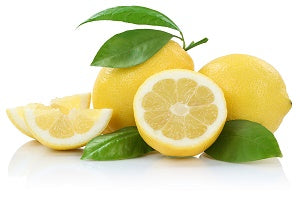
The honey version browns faster, so watch it closely. Why lemon juice? Acid splits some of the sugar into glucose and fructose as it cooks, which keeps the paste from turning back into crystals and keeps it pliable.
Cooking Method
- Combine the ingredients in the saucepan over medium heat and stir until the sugar dissolves.
- Once it boils, reduce to low and stop stirring except to keep it from scorching. Clip on the candy thermometer.
- Cook to 121°C (250°F) for a firmer paste, or 118°C (245°F) for a softer one. The color should be a light amber, like honey. Darker means it has gone too far toward hard candy.
- Remove from heat and let it cool for 10 minutes, then carefully pour into the glass jar.
- Let it cool to room temperature, about 1 to 2 hours. It will thicken a lot as it cools.
We no longer give a microwave method. Microwaved sugar heats unevenly and can boil over or create superheated spots that cause burns.
How to Apply and Remove
- Make sure hair is at least a few millimeters long, about 6 mm (a quarter inch) is ideal, so the paste can grip it.
- Lightly dust the clean, dry area with cornstarch or arrowroot.
- Warm the paste only until it is soft and pliable, close to body temperature. Always test a small dab on your inner wrist first. It should feel warm, never hot.
- Spread a thin layer against the direction the hair grows with a spatula, or knead a walnut-sized ball in your hands until it turns pale and pliable and press it on.
- Strip method: press a cotton strip over the paste, rub firmly in the direction of growth, hold the skin taut, and pull the strip off quickly and low, in the direction the hair grows.
- Hand method: hold the skin taut and flick the edge of the paste off in the direction of growth.
- Work in small sections. Rinse any residue away with lukewarm water.
After-Care Gel (100 g)
Cleveland Clinic advises avoiding scrubs, oils, and friction for a few days after sugaring. This light, oil-free gel keeps freshly sugared skin feeling comfortable and calm.
| Ingredient | Grams | % |
|---|---|---|
| Aloe Vera Gel Serum Base | 91.0 | 91% |
| Edelweiss Serum Booster | 5.0 | 5% |
| Leucidal SF Complete (preservative) | 4.0 | 4% |
Edelweiss is used at 5%, the top of the 3 to 5% range on the Skin Perfection product page (45 drops per ounce at the house rate of 9 drops = 1% per fl oz). Leucidal SF Complete is used at 4%, the top of its 2 to 4% range. Stir everything together at room temperature, check that the pH is between about 4.5 and 5.5, and pack into a clean pump bottle. Use within about three months, and discard it if it changes color, smell, or texture. If your skin is sensitive, patch test the gel on your inner arm for 24 hours and start the Edelweiss at the lowest rate, 3% (27 drops per ounce), then work up.
Safety Notes
- Burns: sugar at 121°C sticks to skin and holds heat. Keep children and pets away while cooking, and always cool and test the paste before it touches skin.
- Who should skip it: Cleveland Clinic advises waiting at least six months after finishing isotretinoin, and stopping irritating topicals such as tretinoin a few days beforehand. Skip skin that is sunburned, irritated, broken, or that tends to darken after irritation.
- Sun: avoid sun exposure before and after sugaring.
- Ingrown hairs: more likely with coarse, curly hair and in skin folds. Keep the area clean and wait a few days before exfoliating.
- Not for the face if you are new to sugaring. Practice on legs or arms first.
Storage and Shelf Life
Sugaring paste is cooked down until it is almost entirely sugar, so very little free water is left, which is why it is not handled like a water-based lotion. Keep it in a sealed glass jar at room temperature and use it within about a month. Use a clean spatula each time. Throw away any paste that has touched skin and hair rather than returning it to the jar, and discard the batch if you see mold or it turns grainy.
Troubleshooting
- Paste is too hard to spread: it was cooked too long. Add a spoonful of water, warm gently on the stove while stirring, and cool again.
- Paste is runny and will not grip: it was undercooked. Return it to the pan and cook a few degrees higher.
- Paste turned grainy: sugar crystals formed. Use a little more lemon juice next time and avoid stirring once it boils.
- Hair breaks instead of lifting: pull in the direction of growth, keep the skin taut, and pull low and parallel to the skin.
Frequently Asked Questions
Is sugaring better than waxing?
Many people find sugaring gentler because the cooled paste sticks mostly to hair, not skin, and it is applied at about body temperature. Waxing is often faster, since it usually takes one pass. Both have pros and cons depending on your skin and the area.
How long does hair need to be for sugaring?
Hair needs to be at least a few millimeters long so the paste can grip it. About 6 mm, or a quarter inch, is a good length.
How long does sugaring last?
Results last about three weeks on average, depending on the area and how fast your hair grows.
What temperature should sugaring paste be cooked to?
Cook it to about 118 to 121°C (245 to 250°F), until it turns light amber. Let it cool to near body temperature before it touches skin.
What should I put on my skin after sugaring?
Use a light, oil-free gel such as aloe and skip scrubs, oils, and friction for a few days. Avoid sun on the area.
Why is my homemade sugar wax too hard or too sticky?
Too hard means it cooked too long; rewarm it with a spoonful of water. Too sticky and runny means it was undercooked; cook it a few degrees higher.
Is it safe to sugar at home?
It can be done at home, but hot sugar causes serious burns, and some dermatologists advise using a kit or a professional rather than a homemade recipe. Always cool and test the paste on your inner wrist first.
Shop This Collection
Make the after-care gel with the Edelweiss Serum Booster. This collection also includes Ten's Up Skin-Tight Booster (5 to 10% in a facial serum for an instant tightening feel) and Regu-Age Eye Serum Booster (2 to 5% in an eye cream for the look of puffiness). Use those on the face and eye area, not on freshly sugared skin. Learn more in our Edelweiss glossary entry.
Sources
- Cleveland Clinic. What Is Sugaring? (quoting dermatologist Amy Kassouf, MD). clevelandclinic.org
- DSM, Alpaflor Edelweiss CB (supplier data; Skin Perfection product page use level 3 to 5%).
- Active Micro Technologies, Leucidal SF Complete (supplier data; 2 to 4% use level as listed on the Skin Perfection product page).
These statements have not been evaluated by the Food and Drug Administration. These products are not intended to diagnose, treat, cure, or prevent any disease.
About the Author
Written by Kari Thomas, cosmetic formulator and founder of Skin Perfection.