

 Buy with Prime
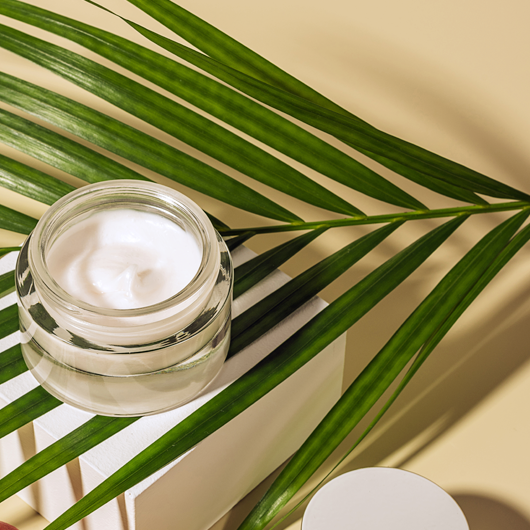


facial toner
A modern facial toner should do more than leave skin tight or briefly refreshed. The right formula prepares the stratum corneum, supports hydration, and delivers targeted ingredients without disturbing the barrier. The best choice depends on skin type, viscosity, pH, humectants, emollients, and active ingredients.
Key Takeaways
- A great toner works as a preparation step, helping your skin absorb the serums and moisturizers that follow in your routine.
- pH matters more than most people realize, because formulas close to your skin's natural acidity protect the moisture barrier instead of stripping it.
- Your skin type should lead the decision, with humectants like glycerin and hyaluronic acid suiting dry skin and gentle exfoliating acids benefiting oily or congested complexions.
- Reading an ingredient list is the most empowering step you can take, since it reveals whether a formula truly supports hydration or simply delivers a fleeting tight feeling.
- The texture of a toner, from watery essences to thicker formulas, changes how deeply it penetrates and how well it layers with your other products.
I view toner as a formulation step, not a mandatory ritual. If your cleanser and moisturizer already support comfortable, balanced skin, you may not need another layer. If you experience dehydration, dullness, excess shine, or difficulty absorbing treatment products, a suitable formula can bridge cleansing and moisturizing.
The Modern Toner Revolution: Beyond Vintage Astringents
What Exactly Is a Facial Toner in 2025?
Today’s toner is a water-based cosmetic preparation for freshly cleansed skin. Depending on its formula, it may provide humectant hydration, mild exfoliation, antioxidant support, soothing botanicals, or a light emollient finish. It is not automatically an astringent and should not leave your face squeaky, burning, or uncomfortably dry. Ask what function the formula performs that your current routine does not.
Dispelling the Myth: Are Toners Just Expensive Water?
Some formulas are little more than scented water. A well-constructed product is different. Humectants such as glycerin attract water, film-formers help reduce moisture loss, and a balanced delivery system distributes water-soluble ingredients across skin. Research cited in the supplied brief reports that water-soluble actives may absorb up to three times more effectively on damp skin pre-treated with a pH-balanced humectant base. This does not make every toner essential, but it shows why formulation quality matters.
Kari Thomas's Formulator's Perspective: The Science of Skin Prep
As a formulator, I focus on what happens after cleansing. The stratum corneum needs water and compatible lipids to remain flexible. When disrupted, transepidermal water loss, or TEWL, can rise, leaving skin rough, reactive, and uncomfortable. Historically, more than 70% of legacy drugstore toners relied on denatured alcohol, according to the research brief. Modern cosmetic science has moved toward humectants, gentle acids, botanical extracts, peptides, and barrier-friendly preservation.
Your Skin's Needs: An Introduction to Skin Perfection's Philosophy
Skin Perfection starts with a simple principle: purity should support performance, not replace it. Read the ingredient list for a clear purpose, sensible concentration, and compatibility with your routine. For normal to dry, mature complexions, the Moisturizing Toner is a mist designed to hydrate mature skin. It contains organic toner extracts rich in super antioxidants and natural Alpha Hydroxy Acids (AHAs) from cranberry, orange, lemon, and sugar cane.
Rose is known for regenerating properties and moisturizing mature complexions. The toner gently deep cleans and closes pores, helping minimize the look of large, predominant pores. It is paraben free, vegan, and made in the USA. Intended for normal to dry, mature complexions, it encourages increased cell turnover to reveal healthier, younger-looking skin.
The Texture Protocol: Choosing Your Ideal Toner Viscosity

Milky vs. Watery Toners: A Deep Explore Formulation and Absorption
Viscosity tells you how a formula moves, spreads, and sits on skin. Watery products usually have a low-oil, fast-spreading base that disappears quickly beneath multiple steps. Milky products feel more substantial because they may contain lightweight oils, lipids, polymers, or an emulsion system. They can reduce tightness, though a rich finish may feel tacky on skin that produces excess sebum.
Decoding Emulsions: The Science Behind Milky Toners for Barrier Support
A milky toner is not simply a thicker liquid. An emulsion suspends oil-loving and water-loving components together, creating a conditioned finish. This texture may suit dry, mature, or barrier-stressed skin by combining hydration with some lipid comfort. Clinical evaluations cited in the research brief found that barrier lipids increased by more than 24% when ceramides were paired with biomimetic peptides in a liquid delivery system. Look for a formula that absorbs without a waxy film or lasting stickiness.
The Power of Lightness: Why Watery Toners Excel for Congested Skin
A watery clarifying formula can suit combination or oily skin because it adds moisture without a heavy occlusive layer. Quick absorption may reduce residue that makes pores look more noticeable. “Lightweight” does not mean stripping: a facial toner for oily skin should support comfort with humectants and a balanced solvent system rather than aggressive alcohol. If shine increases after cleansing, choose a fluid texture with measured exfoliating support instead of repeatedly removing surface oils.
Matching Texture to Your Skin Type: A Visual Guide
| Skin need | Preferred texture | What to look for | Potential warning sign |
|---|---|---|---|
| Dry or mature | Milky or cushiony mist | Humectants, soothing botanicals, compatible lipids | Persistent tightness after application |
| Oily or congested | Watery, quick-absorbing liquid | Low residue, gentle clarifying ingredients, balanced hydration | Burning, flaking, or rebound shine |
| Combination | Light lotion-water texture | Moderate hydration with a clean finish | Tacky film across the T-zone |
| Sensitive | Simple watery or milky formula | Short ingredient list and soothing agents | Fragrance discomfort or stinging |
Troubleshooting: What to Do About Initial Adjustment Breakouts
New bumps do not always indicate an adjustment period. A rich texture may be too occlusive, an exfoliating ingredient may be used too often, or several new products may interact. Apply one new formula at a time, begin every other day, and observe areas beyond your usual breakout pattern. Pause if burning, swelling, intense itching, or widespread redness develops. For normal to dry, mature skin, evaluate the Moisturizing Toner gradually, watching comfort, absorption, and texture.
Ingredient Intelligence: Actives That Truly Change your Skin
Beyond Hydration: Key Actives for Targeted Concerns
A well-formulated facial toner should match your skin’s biology, not merely promise a dewy finish. Oily and combination complexions may benefit from lightweight humectants plus carefully dosed acids. Dry or mature skin generally needs glycerin, botanical extracts, and lipid-supportive ingredients. Sensitive skin calls for a short ingredient list, soothing agents, and minimal fragrance. The Moisturizing Toner is designed for normal to dry, mature complexions, with organic toner extracts and rose to support moisture and comfort.
| Skin concern | Useful ingredients | What to assess |
|---|---|---|
| Dry or mature | Glycerin, hyaluronic acid, ceramides, rose | Comfort, softness, and reduced tightness |
| Oily or congested | Salicylic acid, succinic acid, light humectants | Low residue without stinging or flaking |
| Sensitive | Panthenol, aloe, gentle antioxidants | No burning, persistent redness, or itching |
| Combination | Balanced hydration with mild exfoliation | A clear finish across the T-zone and cheeks |
Peptide Power: How Skin Perfection Uses Advanced Peptides for Anti-Aging
Peptides are short chains of amino acids that act as signaling ingredients in cosmetic formulas. Certain complexes support the look of firmness, smoothness, and elasticity by communicating with processes associated with collagen and structural proteins. They do not work like injectable treatments, and responsible formulas avoid promising overnight change. Skin Perfection pairs clinically studied peptide technology with botanical bases so hydration and age-supportive care share one step.
This delivery approach matters because an active needs a compatible vehicle. Research cited in the brief reports that barrier lipids increased by more than 24% when ceramides were paired with biomimetic peptides in a liquid delivery system. An anti-aging product should protect comfort while addressing visible fine lines.
Barrier Builders: Ceramides, Glycerin, and Hyaluronic Acid
Ceramides are skin-identical lipids that help reinforce the outer barrier and reduce moisture escape. Glycerin attracts water to the surface layers of skin. Hyaluronic acid also binds water, though performance depends on molecular size, concentration, and the complete formula. Together, these ingredients can support a smoother surface and reduce the dry, tight sensation associated with increased TEWL.
Clarifying Agents: Salicylic Acid and Succinic Acid for Congested Skin
Salicylic acid is oil-soluble, allowing it to work within sebum-rich areas and loosen debris around pores. Succinic acid is used in some formulas for its clarifying and skin-conditioning profile. Either may help with shine, uneven texture, or visible congestion, yet concentration and frequency determine tolerance. A formula labeled the best facial toner for oily skin should leave the complexion comfortable, not tight and squeaky.
Botanical Superstars: Antioxidants and Stem Cells for Radiance
Antioxidants help neutralize reactive molecules generated by environmental exposure, while botanical extracts can provide soothing, conditioning, or brightening support. In topical cosmetics, plant stem cell extracts are botanical materials, not living human cells. Rose and antioxidant-rich organic extracts can support softness and a more even-looking complexion. The Moisturizing Toner also contains natural AHAs from cranberry, orange, lemon, and sugar cane to encourage increased cell turnover.
Understanding “Clean” Formulation: Avoiding Irritants and Maximizing Potency
Clean beauty should mean transparent ingredient selection, not a promise that every natural substance suits every face. Look for a clear purpose behind each active, sensible preservation, and a pH appropriate to the formula. EWG VERIFIED standards and Think Dirty assessments can offer screening information, though they do not replace tolerance testing or professional dermatological advice. The Moisturizing Toner is paraben free, vegan, and made in the USA. Patch test new products, introduce one active at a time, and stop use if burning or swelling develops.
Mastering Your Routine: Application, Layering, and Integration
Application affects how a facial toner feels, absorbs, and fits with the rest of your routine. Start with clean hands and freshly washed skin, then apply the product while your face remains slightly damp. This creates a receptive surface for water-binding ingredients without requiring several heavy layers. Aim for comfortable hydration without pilling, tightness, or sticky residue.
The Application Dilemma: Fingers, Pads, or Mist?
Hands are usually the most efficient choice for liquid or milky formulas. Press a small amount between your palms, then pat it across cheeks, forehead, chin, and neck. Cotton rounds provide light sweeping but can absorb formula and create friction, especially on dry or sensitive skin. A facial toner spray offers even distribution if directed close enough to avoid product loss in the air.
The Skin Perfection Layering Technique: Efficient Hydration and Potency
Skin Perfection’s method is simple: cleanse, apply toner to damp skin, allow brief absorption, then use a targeted serum or peptide booster and moisturizer. One measured layer is preferable to repeated applications that leave a tacky film. If skin still feels tight after a minute, add a second light layer rather than a large amount at once. This supports the stratum corneum while limiting buildup and helping subsequent ingredients spread evenly.
AM vs. PM: Optimizing Your Toner Use for Maximum Results
Morning use replenishes moisture after cleansing and prepares skin for antioxidant care, moisturizer, and broad-spectrum sunscreen. Evening use works after makeup removal or gentle cleansing, before treatment products. If the formula contains exfoliating acids, begin at night and follow label directions. Avoid stacking several exfoliating products until you understand your tolerance. Consistent, comfortable use matters more than applying a large amount occasionally.
When to Use Toner: Its Place in Your Complete Skincare Ritual
The ideal sequence is cleansing, toning, treatment, moisturizing, and daytime sun protection. Toner is optional, not a substitute for cleanser, moisturizer, or sunscreen. For normal to dry, mature complexions, the Moisturizing Toner is a mist designed to hydrate mature skin. It contains organic toner extracts rich in super antioxidants and natural AHAs from cranberry, orange, lemon, and sugar cane.
Common Application Mistakes and How to Avoid Them
Common errors include applying too much, rubbing vigorously, layering incompatible acids, and judging a formula by immediate tingling. Burning is not proof of performance. Introduce one new product at a time, patch test when appropriate, and reduce frequency if redness, peeling, or persistent discomfort develops. If bumps appear, assess whether the formula is too rich or several new actives were introduced together. The Moisturizing Toner is intended for normal to dry, mature complexions, not oily or acne-prone skin.
- Cleanse without leaving skin tight.
- Apply a light layer to damp skin.
- Wait briefly for absorption.
- Follow with treatment, moisturizer, and sunscreen in the morning.
- Monitor comfort, texture, and visible changes over several weeks.
The Skin Perfection Advantage: Science-Backed Radiance
Why Our Formulations Stand Apart: A Commitment to Purity and Potency
Skin Perfection evaluates skincare through ingredient integrity and cosmetic performance. That means asking whether a botanical extract has a defined purpose, whether a peptide is supported by credible research, and whether the delivery system keeps the formula pleasant and functional. Clean skincare should provide transparent components, thoughtful preservation, and a texture that encourages consistent use.
From Botanicals to Peptides: The Synergy of Nature and Science
Botanical antioxidants help defend against environmental stress, while peptides support the look of firmness and smoother texture. Rose provides conditioning care for mature complexions, and natural fruit-derived AHAs encourage cell turnover. Skin Perfection’s philosophy combines nature’s skin-conditioning compounds with cosmetic science for delivery, stability, and routine use.
EWG VERIFIED and Beyond: Our Promise of Clean Performance
EWG VERIFIED standards and Think Dirty information can help shoppers review ingredient concerns, though neither replaces patch testing or professional guidance. Skin Perfection also considers vegan formulation, paraben-free composition, responsible ingredient selection, and manufacturing transparency. The Moisturizing Toner is paraben free, vegan, and made in the USA. It is intended for normal to dry, mature complexions and supports hydration without making a daily ritual complicated.
Unlock Your Skin's Potential: Transformative Results You Can See and Feel
Successful skincare is measured through comfort, softness, improved-looking texture, and a more luminous complexion over time. The Moisturizing Toner supports this process with hydration, antioxidant-rich organic extracts, rose, and natural AHAs. Regular use can help reveal healthier, younger-looking skin, while careful application protects against irritation caused by excessive layering. Choose a formula that matches your complexion, use it consistently, and let tolerance and visible progress guide your routine.
Frequently Asked Questions
What exactly does toner do for your face?
Facial toner prepares freshly cleansed skin for moisturizing by adding hydration and, depending on the formula, soothing, antioxidant, or gentle exfoliating support. A well-formulated toner should leave skin comfortable rather than tight, burning, or squeaky. Choose one only if it offers a function your cleanser and moisturizer do not already provide.
Can face toner be used daily?
Facial toner can be used daily when the formula feels comfortable and matches your skin’s needs. Hydrating, low-irritation toners are generally better suited to frequent use, while formulas with exfoliating acids may require less frequent application. Persistent stinging, flaking, or tightness signals that the product or schedule may not suit your routine.
What is the best toner for aging skin?
The best toner for aging skin is usually a hydrating, milky, or cushiony formula with humectants, soothing ingredients, and compatible lipids. Skin Perfection’s Moisturizing Toner is designed for normal to dry, mature complexions and includes rose, antioxidant-rich toner extracts, and natural AHAs from fruit sources. Its mist texture supports a more comfortable skin-prep step.
What are the disadvantages of using facial toner?
Facial toner can be unnecessary, irritating, or drying when it duplicates your routine or relies heavily on denatured alcohol and aggressive astringents. An unsuitable texture may also leave oily skin tacky or dry skin tight. Select a formula by function, ingredients, and finish, and skip toner if your skin is already balanced without it.
Who should not use a toner?
People who experience burning, persistent tightness, flaking, or fragrance discomfort should avoid or stop using a facial toner that triggers those reactions. Toner is also optional for anyone whose cleanser and moisturizer already maintain comfortable, balanced skin. Sensitive users may prefer a simple formula with soothing ingredients and a short ingredient list.
Should toner be applied before moisturizer?
Facial toner is applied after cleansing and before moisturizer. Applying toner while skin is slightly damp can help distribute water-soluble ingredients and create a comfortable base for the next steps. Follow with a moisturizer that supports your skin type and routine goals.
How do I choose a toner for oily or dry skin?
Choose a lightweight, quick-absorbing facial toner for oily or congested skin, and choose a milky or cushiony toner for dry or mature skin. Oily skin may benefit from measured clarifying support with low residue, while dry skin often prefers humectants, soothing botanicals, and compatible lipids. Burning, flaking, or lasting tackiness suggests a poor match.