

 Buy with Prime
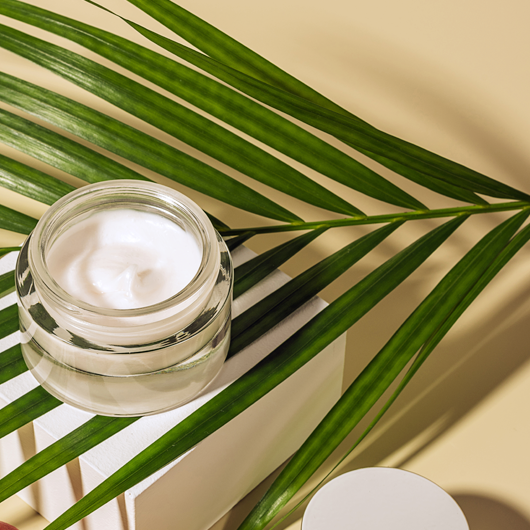


You’ve made a lotion that feels right on the skin. It spreads well, the scent is balanced, and the ingredient list reflects real care. Then one small packaging decision changes everything. The product oxidizes faster than expected, the pump spits instead of gliding, or the jar invites contamination every time someone dips in a finger.
That’s why containers for lotion deserve the same attention as the formula itself. A container isn’t just a shell. It’s part storage system, part dosing tool, part preservation strategy, and part first impression.
For hobbyists, the wrong packaging wastes ingredients and effort. For a small brand, it can subtly undermine product quality and customer trust. If you already make homemade body lotion, choosing the right package is what turns a nice formula into a dependable finished product.
Introduction Choosing Your Perfect Lotion Container

Packaging is a big industry for a reason. The global cosmetic and toiletry containers market was valued at USD 32.4 billion in 2023 and is projected to reach USD 46.5 billion by 2030, with plastics holding a 39.7% revenue share in 2023 because of their durability, according to Grand View Research on cosmetic and toiletry containers. That matters because lotion lives in exactly this world of practical, protective packaging.
A common starting point is to ask, “Do I want glass or plastic?” That’s too late in the process. Start with the formula itself. Is it thin like a body milk, medium like a daily hand lotion, thick like a body cream, or dense like a butter? Then ask how the user will dispense it, store it, and finish it.
Four common formats side by side
Here’s a quick way to sort the main options for containers for lotion:
| Container type | Works best for | Main advantage | Main drawback |
|---|---|---|---|
| Jar | Thick creams and butters | Easy access | Higher contamination risk |
| Pump bottle | Medium-viscosity lotions | Cleaner, controlled dispensing | Not ideal for very thick formulas |
| Squeeze tube | Light to medium creams and lotions | Travel-friendly, less messy | Can be harder to fill neatly |
| Airless pump | Sensitive natural formulas and refined lotions | Better protection from air exposure | Usually costs more |
A jar is like a wide serving bowl. It gives easy access, which is helpful when the product is too thick to travel through a pump. A pump bottle is more like a measured faucet. It gives consistency and feels more hygienic in everyday use.
A squeeze tube sits in the middle. It’s simple, portable, and familiar. An airless pump is the most protective format of the group. It’s the one I reach for when the formula contains ingredients that don’t love repeated air exposure.
Practical rule: If your lotion has delicate plant-based actives and you want the product to feel polished from first use to last use, pick the container for protection first and appearance second.
What readers often get wrong
People often choose by looks alone. Frosted glass looks premium. Clear plastic shows off a lovely botanical color. A jar feels artisanal. Those aren’t bad instincts, but they only matter after the container can support the formula.
If the product is too thick for the pump, the user blames the lotion. If the opening is too wide, the user introduces air and residue every day. If the bottle is hard to squeeze, the last portion of product gets abandoned.
A good match feels boring in the best way. The lotion comes out cleanly, stays stable, and looks good doing it.
Choosing Your Container Shape and Style

Shape determines how people interact with the product. Before you compare materials, decide whether fingers, gravity, pressure, or a pump should move the lotion from container to skin. That one decision affects cleanliness, convenience, and how “finished” the product feels.
If you work on your own cosmetic formulation projects, container shape should be part of the formula brief, not an afterthought.
Classic jar
A jar is best for products that resist narrow openings. Think body butters, rich night creams, or dense emulsions that don’t flow willingly.
The main benefit is obvious. You can access every bit of product without fighting the package. For thick textures, that’s valuable.
The drawback is just as obvious. Every use exposes the whole surface of the product to fingers, air, and whatever humidity is in the room. For simple, sturdy formulas, that may be acceptable. For more delicate natural blends, it’s often not my first choice.
Pump bottle
A standard pump bottle suits medium-viscosity lotion. It feels familiar, practical, and cleaner than an open jar.
It also helps with dose consistency. Users tend to like routines they don’t have to think about. One or two pumps feels easier than scooping “about this much” from a jar.
Pump bottles are strong everyday candidates for hand lotion, body lotion, and leave-on products with a smooth, flowing texture.
Squeeze tube
Tubes are underrated. They’re especially useful for travel, gym bags, treatment rooms, and products used on the go.
A tube gives more product protection than a jar because the opening is smaller and the user isn’t repeatedly exposing the full product surface. It also makes application more targeted. That’s useful for hand creams, foot creams, and products where a neat dose matters.
Their weakness is filling. Tubes can be annoying to fill cleanly without the right setup, especially with thicker emulsions.
Airless pump bottle
Airless systems are the closest thing packaging has to a vacuum-sealed pantry container. Instead of repeatedly letting air back into the package, they help limit what reaches the formula during use.
That makes them a strong choice for formulas built around sensitive, premium ingredients. They also help the product feel more elegant in use. The dispensing is more deliberate, and the packaging usually leaves less product stuck in corners.
Airless packaging isn’t just about luxury. It’s often the most practical way to protect a carefully made formula.
Shape and style through a formulator’s lens
Readers often confuse shape with style. They aren’t the same.
- Jars signal richness: They tell the user, “This product is thick, cushiony, and scoopable.”
- Tall pump bottles suggest routine use: They work well for sink-side, vanity, and shower-adjacent products.
- Tubes suggest portability: Good for handbags, travel kits, and products meant to stay clean on the move.
- Airless bottles suggest precision: They fit formulas where ingredient integrity and consistent output matter more than rustic charm.
When you choose among containers for lotion, don’t ask which one looks best by itself. Ask which one makes the formula easiest to use well.
Decoding Container Materials From Glass to PET
Container material changes both the chemistry around the lotion and the way the product is perceived. A material can protect from light, resist breakage, showcase color, or create headaches in shipping and storage. Good packaging decisions live at the intersection of formula compatibility and real-world handling.
For natural formulas, this matters even more because many makers choose packaging based on appearance, then discover later that the formula needed more protection.
What material changes in practice
Material affects four things right away:
- Light exposure: Some materials shield better than others.
- Breakage risk: Shipping and bathroom use are tough on fragile packages.
- Weight: Heavy containers feel premium but cost more to move and handle.
- Compatibility: The package has to live peacefully with the formula inside it.
One verified point is especially useful here. Container material critically influences lotion stability, and premium airless PET or glass pumps in 100-250ml sizes protect oxidation-sensitive natural actives. Frosted glass blocks over 90% of UV light to help maintain peptide efficacy, while transparent PET shows off plant-based formulas but offers less UV protection, according to Uzone’s lotion bottle size and dispenser guide.
Oxidation made simple
Oxidation confuses a lot of people because it sounds abstract. Think of a sliced apple on the counter. At first it looks fresh. Over time, air and light start to change it. A lotion doesn’t turn brown in the same dramatic way, but delicate ingredients can still lose freshness and performance when exposed again and again.
That’s why the package and the dispenser should be considered together. A beautiful bottle with a poor closure can still let the formula age faster than it should.
Formulator’s note: If your formula contains ingredients you chose because they’re special, the package has to work just as hard as the ingredient list does.
Lotion Container Material Comparison
| Material | Pros | Cons | Best For |
|---|---|---|---|
| Glass | Strong chemical inertness, premium feel, good for sensitive formulas | Heavy, breakable, higher shipping burden | Luxury lotions, formulas needing better UV shielding |
| PET | Clear, lightweight, shatter-resistant, attractive on shelf | Less UV protection than frosted glass | Everyday retail lotions, plant-based formulas you want customers to see |
| HDPE | Durable, practical, usually opaque, dependable for handling | Less visually elegant, hides formula appearance | Utility packaging, larger refill or back-bar formats |
| Acrylic | Polished appearance, often used for prestige look | Can prioritize looks over practicality depending on design | Decorative outer packaging for elevated presentation |
Matching material to brand and formula
If you care about lower-impact living, your material choice also intersects with larger packaging decisions. That’s where broader reading on going green and making smart choices for living healthy becomes useful, especially when you weigh reuse, refill, and shipping realities together.
For a botanical lotion with a soft natural hue, clear PET can be visually appealing. Customers like seeing what they bought. For a peptide-rich formula where light protection matters more, frosted glass or an airless opaque option is usually more sensible.
HDPE doesn’t get much glamour, but it’s a workhorse. If you need toughness over theatrics, especially in larger sizes, it often earns its place.
The best material isn’t the fanciest one. It’s the one that keeps the lotion stable, usable, and attractive through its full life in the customer’s hands.
Dispensers Ingredient Protection and User Experience

A dispenser is the final gatekeeper. It decides how much product comes out, how much air gets in, and whether the user feels pleased or annoyed every time they apply the lotion. That’s a lot of responsibility for a small plastic part.
The most common mistake is treating dispenser choice as a styling detail. It isn’t. It’s a mechanical match between formula thickness and product delivery.
Match viscosity to the exit point
Verified packaging guidance shows that lotion pumps are engineered for formulas in the 1,000–10,000 centipoise (cP) range, and mismatched systems can increase product waste by up to 20-30%. The same source notes that airless pumps are better for sensitive formulas, preserving over 95% of ingredient stability over 12-18 months, compared with 70-80% in standard pumps, according to Liz Packaging’s lotion bottle guide.
In plain language, a thin formula may drip through the wrong pump because it doesn’t create enough internal resistance. A very thick formula may struggle to rise through the stem at all. The result is sputtering, clogging, or over-dispensing.
That’s why a lotion that feels perfect in a beaker can feel frustrating in use.
Think of airless pumps like a wine preserver
Once a bottle of wine is opened, the wine slowly changes as oxygen interacts with it. A wine preserver slows that process by limiting contact with air. Airless pumps do something similar for lotion.
They don’t make the formula immortal. They reduce repeated exposure, which helps preserve the texture, scent, and ingredient integrity of sensitive blends.
That’s especially helpful when you’re working with actives you’d rather not leave sitting in a partially air-filled package for weeks.
A practical dispenser guide by use case
Use this as a simple field guide:
- Standard lotion pump Good for medium-viscosity hand and body lotions. Best when you want familiar use and controlled output.
- Airless pump Best for more delicate formulas and polished retail presentation. A smart fit when preservation and consistent dosing matter.
- Disc-top cap Useful for straightforward, flowable lotions. Less mechanical complexity, but usually less elegant than a pump.
- Dropper Better for thinner liquids than classic lotion. If a formula is serum-light, a dropper may suit it better than forcing it into a lotion pump.
Scaling dispenser choices by size
If you’re moving from personal batches to a more professional lineup, size and dispenser should evolve together.
- Small trial sizes: Choose packaging that dispenses cleanly in a few uses and won’t feel fussy.
- Daily retail sizes: Prioritize ease, cleanliness, and a stable user experience over novelty.
- Professional back-bar sizes: Focus on speed, repeat use, and minimizing contamination in shared work settings.
For readers exploring preservative systems alongside packaging, this is also a good time to brush up on natural preservatives for cosmetics, because package choice and preservation strategy should support each other.
A good dispenser disappears into the routine. The user doesn’t notice it. They just trust the product.
Sizing and Scaling From DIY to Professional Use
Size affects freshness, cost, workflow, and customer perception. Many makers choose size last, but it deserves a place near the top of the planning list. A lotion container can be technically excellent and still be wrong if the volume doesn’t fit how the product will be used.
For personal use, smaller sizes often make more sense than people expect. A fresh lotion in a modest container usually gives a better experience than a giant bottle that sits open for too long. For a small brand, the opposite mistake is common. Makers order only one size and expect it to serve samples, retail, and treatment-room use equally well.
Why compatibility matters as you scale
When production grows, packaging problems become less forgiving. A compatibility issue that seems minor in a tiny batch becomes expensive across many filled units.
One underserved area is guidance on natural formula compatibility. A 2025 study found that 68% of BPA-free plastics still release microplastics into oil-based lotions after 3 months, yet few suppliers provide compatibility charts for organic ingredients, according to this discussion of compatibility gaps for natural formulations. That doesn’t mean every plastic is unsuitable. It means serious makers should ask tougher questions before buying in bulk.
A sensible size ladder
Instead of choosing one “perfect” size, think in tiers.
- Sample and discovery sizes: Good for introducing a formula without committing the customer to a full bottle.
- Daily use retail sizes: These become the backbone of a line because they suit vanities, bathroom counters, and handbags.
- Professional sizes: Best for estheticians, refill programs, or treatment-room use where frequent dispensing matters more than shelf charm.
Each tier should have a reason to exist. If it doesn’t solve a usage problem, skip it.
The sustainability argument for right-sizing
People often think sustainability starts with material alone. It doesn’t. It starts with reducing mismatch.
A refillable bottle that customers never refill isn’t automatically a better choice. A large container that encourages product degradation isn’t more responsible just because it uses less packaging per ounce. Right-sizing helps avoid wasted formula, abandoned product, and unnecessary returns.
Labeling also becomes more important as you scale. The more professional the package looks, the more customers expect clear, truthful information. Clean design should never come at the expense of clear identity, ingredient listing, and sensible usage directions.
A balanced approach works best. Choose a size people can realistically finish. Choose a material that suits the formula. Then label it accurately and consistently.
Sustainable Choices and Labeling Essentials

Sustainable packaging conversations often become too simplistic. Glass gets treated like the automatic good choice. Plastic gets treated like the obvious bad one. Real packaging work is more nuanced than that.
Verified trend data shows a 45% rise in searches for “refillable lotion jars organic” from May 2025 to May 2026. The same data notes that aluminum tubes have a higher global recycling rate, 95% versus 33% for glass, though aluminum can react with acidic peptides in some formulations, according to this overview of refillable lotion container search trends.
That’s the key lesson. The “greenest” package on paper may be the wrong package for the formula.
Sustainable choices that hold up in real life
A practical sustainability review should include these questions:
- Can the package protect the lotion well enough to prevent waste?
- Will customers realistically recycle, reuse, or refill it where they live?
- Does the material interact well with the formula?
- Is the closure durable enough for repeated use if refill is part of the plan?
If you sell into markets with stricter packaging expectations, reading about UK sustainable packaging compliance can help you think more clearly about material choice, waste reduction, and documentation, even if your product category differs.
Labeling basics that deserve attention
Packaging and labeling should behave like a matched set. A polished bottle with a vague or sloppy label makes the whole product feel less trustworthy.
For lotion labels, include the essentials customers expect to find, such as:
- Product identity: Tell people what it is in plain language.
- Net contents: State the amount clearly.
- Ingredient list: Use the naming format appropriate for your market.
- Business contact details: Give customers a way to identify and reach the maker.
- Directions and cautions: Keep them practical and relevant to the product.
Keep wording cosmetic and truthful
This matters for compliance and customer trust. Stay in the lane of appearance, feel, and cosmetic use.
Good examples include language about moisturized feel, smoother-looking texture, softer feel, glow, or improved appearance of dryness. Avoid wording that suggests the product treats or cures medical conditions, behaves like a drug, or carries implied approval it doesn’t have.
Good labeling sounds calm and specific. It tells the customer what the product is, how to use it, and what to expect cosmetically.
Clean filling supports sustainable packaging
Sustainability doesn’t stop with the package itself. If the filling process is messy, contaminated, or inconsistent, the package can’t do its job.
Treat hygienic filling as part of responsible packaging design:
- Clean containers before filling: Residue, dust, and handling contamination undermine product quality.
- Use the right filling tools: Funnels, spatulas, and transfer pipettes reduce mess and waste.
- Cap promptly: Don’t leave filled units open while you organize labels or boxes.
- Check the closure fit: A refillable or recyclable container still fails if it leaks.
A container earns the word sustainable only when it protects the formula, supports truthful labeling, and works reliably in the customer’s hands.
Best Practices for Clean Filling and Storage
Even the best containers for lotion can’t rescue a messy filling process. Packaging hygiene is where many otherwise careful makers lose consistency. Good filling habits protect appearance, texture, and shelf quality.
If your lotion-making process still feels finicky, it helps to tighten your process upstream too. A strong grasp of how to emulsify oil and water makes packaging easier because a properly formed emulsion fills more cleanly and behaves more predictably.
A clean filling workflow
Start with a cleared workspace and fully dry containers. Moisture left behind in the wrong place can create problems later, especially around caps, pumps, and threads.
Then use tools that fit the package:
- For narrow bottles: Use a funnel or filling pitcher with a narrow spout.
- For jars: Use a spatula and tap the jar gently to settle the product without trapping pockets.
- For tubes: Fill from the back end with controlled pressure rather than trying to spoon product through the opening.
- For pumps: Fill to an appropriate level so the closure seats cleanly without overflow.
Storage habits that preserve quality
Once filled, close containers promptly. Don’t leave product open while labels, boxes, and photos wait their turn.
Store filled lotion away from direct light and unnecessary heat. Keep units upright where possible, especially right after filling, so the closure area stays clean and the product settles evenly.
Small filling mistakes create big headaches later. Dried residue around a neck finish can interfere with sealing, make the package look used, and frustrate the customer on first open.
A final check helps. Wipe the outside, inspect threads and seams, test one closure from each batch, and make sure the label area is clean before anything goes on the shelf.
Conclusion Making a Confident Container Choice
The right container protects the lotion, supports the formula, and makes daily use feel effortless. That’s the true standard.
A jar, tube, pump, or airless bottle can all be the right answer when the choice follows the formula instead of fighting it. Shape affects use. Material affects stability and presentation. The dispenser affects both preservation and satisfaction. Size affects freshness, workflow, and whether the product makes sense in real life.
When you evaluate containers for lotion through that full lens, packaging stops being a decorative afterthought. It becomes part of the product itself.
If you’re ready to build better lotions from the formula up, Skin Perfection offers natural skincare and lotion-making supplies for serious DIYers and professionals who want thoughtful ingredients, practical tools, and a cleaner path from concept to finished product.