

 Buy with Prime
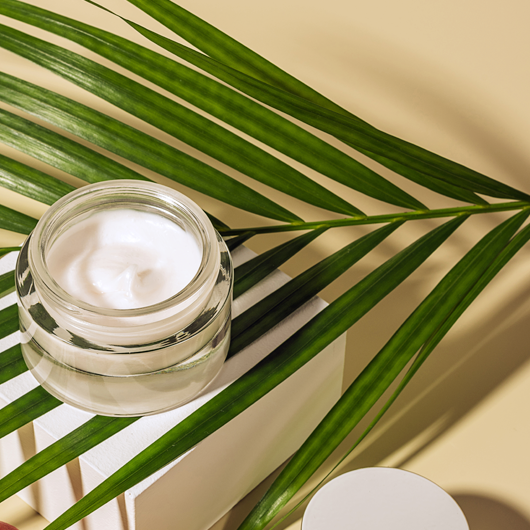


You buy a conditioner because the label sounds right. Then it lands in one of three disappointing categories. It's too rich and leaves fine hair limp, too light and does almost nothing for dry ends, or built around a trend list that sounds appealing but doesn't give the slip and control you need.
That's where a hair conditioner base becomes useful. Instead of chasing finished products that only partly fit your hair, you start with a stable conditioning base and shape it toward the feel, weight, and finish you want. For anyone making small batches at home or testing ideas before a full formula build, that's a much smarter place to start than improvising an emulsion from scratch.
Table of Contents
- Moving Beyond Off the Shelf Conditioners
- The Building Blocks of a Conditioner Base
- Two Starter Formulations You Can Make Today
- Customizing Your Base for Your Hair Needs
- Essential Safety Preservation and Testing
- Troubleshooting Common Formulation Issues
Moving Beyond Off the Shelf Conditioners
Individuals typically don't begin making conditioner out of an interest in chemistry. They start because the store options keep missing the mark. Fragile hair needs glide without heaviness. Fine hair needs softness without collapse. Dry, coarse lengths need richness, but not a waxy coating that turns into buildup after a few washes.
A hair conditioner base gives you control over those trade-offs. It's a pre-built conditioning emulsion designed to smooth the fiber, reduce friction, and make wet combing easier. Instead of formulating every structural part yourself, you begin with a working matrix and adjust it with a lighter or richer hand depending on the result you want.
That idea isn't new. Modern hair conditioner became a distinct commercial category in 1900, when the Edouard Pinaud company introduced Brilliantine at the Exposition Universelle in Paris to soften men's hair, including beards and moustaches, and the category later evolved from oily grooming products toward systems built around silicone, fatty alcohols, quaternary ammonium compounds, and polymers designed to condition without the greasy feel of earlier products, as outlined in this history of hair conditioner development.
A good conditioner isn't defined by how “natural” it sounds. It's defined by whether it gives the right amount of slip, softness, and manageability for the hair in front of you.
That's why I treat a conditioner base as a canvas, not a finished answer. You can push it toward more cushion, more rinseability, more glide, or a lighter after-feel. If you like studying regional approaches to smoothness and finish, this overview of silky, healthy Japanese hair is a useful reference point for how consumers often think about softness, shine, and manageability in practice.
The Building Blocks of a Conditioner Base
A workable hair conditioner base looks simple in the jar, but it's doing several jobs at once. It has to spread easily, stay emulsified, rinse in a controlled way, leave enough conditioning material behind, and remain stable while you customize it.

Conditioning agents do the real detangling work
The heart of a conditioner base is the conditioning system. In practical terms, these are usually cationic materials that are attracted to the negatively charged hair surface. That attraction is why a conditioner can feel much more effective than a plain cream. It deposits where you need it and improves combing.
If your formula lacks a real conditioning agent, adding trendy oils won't fix that. Oils can soften and change the feel, but they don't replace the slip and anti-static behavior that a proper conditioning system provides.
Three things to keep in mind:
- Slip comes first: If wet detangling is poor, the formula usually needs work in the conditioning structure, not just more fragrance or more oil.
- Deposition matters: A rinse-off product should leave a light conditioned feel after rinsing, not vanish completely.
- Hair type changes the target: Fine hair often wants cleaner rinse and less residue. Coarser or more weathered lengths usually tolerate a richer deposit.
Fatty alcohols and emollients shape the feel
A common point of confusion for many beginners involves fatty alcohols such as cetyl alcohol or cetearyl alcohol. These are not intended to dry the hair. In conditioning formulas, they add body, creaminess, and a smoother application profile. They also support the structure of the emulsion.
Emollients and oils sit beside them, but they play a different role. They change glide, richness, shine, and after-feel. Too much of the wrong oil can make a base feel coated or stringy. Too little emollient can make it feel flat and underpowered.
A quick decision guide helps:
| Formula goal | Better direction | What to avoid |
|---|---|---|
| Fragile hair that tangles easily | Increase creamy slip and reduce drag | Heavy waxy richness that catches during rinse |
| Fine hair that goes limp fast | Choose lighter emollients and a clean-rinsing profile | Large amounts of butters and dense oils |
| Coarse or very dry lengths | Build more cushion and richer after-feel | Ultra-light systems that rinse too bare |
If you're still learning how oil and water phases cooperate inside an emulsion, this explainer on what emulsifying wax does in formulation is worth reading. The same logic applies when you evaluate how a conditioner base holds together.
Practical rule: When a conditioner feels “nourishing” in the bowl but heavy on the hair, the formula usually has too much richness for that hair type, not too little care.
A useful crossover example from skin care is HydroGlow Anti-Aging Night Mask. It includes jojoba, squalane, glycerin, and multiple forms of hyaluronic acid in a no-rinse format. It's a skin product, not a hair formula, but it's a good reminder that ingredient names alone don't determine outcome. The delivery system and intended surface matter.
Humectants solvents and actives fine tune performance
Humectants attract water and can improve softness and flexibility, especially in leave-in styles of conditioning. In rinse-off products, they can still contribute to feel, but they usually won't do all the work on their own.
Solvents help dissolve or carry ingredients that don't disperse well if you just dump them into the base. Actives are the optional extras people usually get excited about. Proteins, botanical extracts, panthenol-type materials, and similar additions can personalize the formula, but only if the base is already sound.
Often, trend-led formulating goes wrong. People build the whole formula around a fashionable oil or extract, then wonder why the conditioner still has weak slip or poor rinse. A good base earns the right to be customized.
Preservatives pH adjusters and chelators keep the formula usable
These are the ingredients people skip when they're focused only on aesthetics. That's a mistake.
- Preservatives protect a water-containing formula from microbial growth.
- pH adjusters keep the system in a suitable range for stability and hair feel.
- Chelators help manage metal ions that can interfere with performance and long-term stability.
The most polished conditioner in the world is still a bad formula if it isn't preserved properly or if the pH drifts outside a workable window. In real bench work, these support ingredients are what turn a pleasing cream into a usable cosmetic product.
Two Starter Formulations You Can Make Today
If you're learning, don't begin with a dozen trendy additives. Start with a stable structure and make one change at a time. That approach tells you what each ingredient is doing.
The two formulas below are starter templates. They're written as formulation frameworks for practice, not as claim-driven finished products. You'll still need to choose ingredients that are compatible with your preservative system and your available processing equipment.
Starter Conditioner Base Formulations
| Ingredient | Simple Rinse-Off Base (%) | Lightweight Leave-In Base (%) |
|---|---|---|
| Distilled water | q.s. to 100 | q.s. to 100 |
| Cationic conditioning emulsifier | moderate | low |
| Fatty alcohol | moderate | low |
| Light emollient | low | very low |
| Glycerin or similar humectant | low | low to moderate |
| Hydrolyzed protein or panthenol-type additive | low | low |
| Broad-spectrum preservative | per supplier guidance | per supplier guidance |
| Fragrance or essential oil if used | low | very low |
| pH adjuster | as needed | as needed |
This style of table matters because it teaches how formulators think. You build around relative weight, rinse behavior, and the intended finish. The rinse-off version has more cushion. The leave-in version should feel lighter, spread fast, and avoid leaving the hair sticky or flat.
If you need a process refresher before trying either one, this guide on how to emulsify oil and water is helpful for understanding phase work and mixing order.
Simple rinse off base process
Use this model when the goal is easy wet combing and a classic creamy feel.
Heated water phase
- Weigh distilled water into a sanitized heat-safe vessel.
- Add your water-soluble humectant.
- Begin heating gently.
Heated oil phase
- In a separate vessel, combine the conditioning emulsifier, fatty alcohol, and chosen emollient.
- Heat until the phase is fully melted and uniform.
Combine
- Pour the oil phase into the water phase with steady mixing.
- Continue mixing until the emulsion forms and looks even.
- Keep mixing through the early cool-down period so the structure sets smoothly.
Cool down
- When the batch is cooler, add protein, fragrance if used, and preservative.
- Check pH and adjust if needed.
- Package only after the batch is fully uniform.
What works here is restraint. A simple rinse-off base performs best when it isn't overloaded with extras. If the base already gives slip and a clean rinse, leave it alone until you've tested it on hair.
Lightweight leave in base process
Use this model when the hair gets weighed down easily or when you want softness without a coated finish.
This version should be looser, lighter, and lower in rich emollients than the rinse-off style. It still needs enough conditioning support to reduce drag, but not so much that the hair loses movement.
A practical workflow:
- Keep the oil side lean: The more richness you push into a leave-in, the more likely you are to lose the lightweight effect.
- Use cool-down additions carefully: Add humectants and specialty ingredients at the recommended stage for that raw material.
- Test on damp hair first: Leave-ins often feel different on wet hair than they do once dry, so judge the final result after drying.
If a leave-in feels impressive in your hands but makes the hair collapse after drying, it isn't actually lightweight.
For both formulas, make only one meaningful adjustment per batch. When you change the conditioning system, emollient profile, fragrance level, and active package all at once, you can't diagnose what improved the formula and what made it worse.
Customizing Your Base for Your Hair Needs
The biggest advantage of a hair conditioner base is customization. Not decoration. Not trend compliance. Customization. That means adjusting the formula around what the hair needs during use.

Choose function before aesthetics
A lot of conditioner-base marketing leans hard on words like natural, organic, buttery, and clean. Those terms can describe the ingredient story, but they don't automatically tell you how the product will behave on fine hair, tangly hair, or hair that gets coated easily. That gap matters most when people want smoother combing, less drag, or a lighter finish rather than a richer label.
For fine or low-density hair, I usually favor a lighter emollient profile and a cleaner-rinsing feel. Rich butter-heavy systems can sound comforting, but they often work against movement and volume. For coarse, very dry, or high-porosity lengths, a base can carry more richness and still feel balanced.
A useful customization lens:
- For fragile strands: Prioritize slip and low-drag application over heavy richness.
- For fine hair: Build in light hydration, then stop before the formula starts feeling coated.
- For dry ends: Add cushion through compatible emollients or conditioning extras rather than dumping in random oils.
- For scalp-adjacent use: Keep expectations cosmetic. A conditioner base can improve feel and manageability, but it shouldn't be treated like a medical solution.
If you enjoy working with traditional hair oils in adjacent routines, this article on pure amla oil for hair offers useful context for where oils can fit and where they don't replace a proper conditioner structure.
How to add extras without wrecking the base
Supplier guidance for one conditioner base is practical and worth following. It treats the base as a finished starting matrix, suggests additions such as wheat protein and provitamin B5, and warns that additional thickeners may be required if more than 10% of extra liquid ingredients are added, which is a good reminder that over-dilution can quickly damage texture and stability in small-batch work, as noted by Making Cosmetics hair conditioner base guidance.
That single rule saves a lot of failed batches. People often think, “It's only a little hydrosol, aloe liquid, extract, and fragrance.” But once all those liquids stack up, the base thins out, preservative balance may shift, and separation risk climbs.
A few additions can be useful when handled carefully:
| Hair goal | Better additive direction | Main caution |
|---|---|---|
| More softness | Small protein or provitamin-style additions | Too much can change feel and viscosity |
| Lighter hydration | Water-compatible humectant at a modest level | Sticky after-feel if overused |
| A richer finish | Small amount of compatible oil-soluble emollient | Can reduce rinseability |
For formulators who already use pure actives in skin care, Sodium Hyaluronate Powder Pure Hyaluronic Acid is an example of a single cosmetic-grade ingredient sold for water-based serums, creams, and lotions, with a stated molecular weight of 800-1500 Daltons and typical skin-formulation use at 0.1–2% in DIY serums. That doesn't make it automatically right for every hair conditioner project, but it does illustrate the benefit of working with clearly identified raw materials instead of mystery blends.
Essential Safety Preservation and Testing
Conditioner is fun to make. It's also a water-containing cosmetic, which means safety isn't optional. Sloppy process causes more problems than creative formulation ever will.

Good practice at the bench
Home formulating doesn't need a factory, but it does need discipline. Clean your workspace. Sanitize utensils, mixing vessels, and packaging. Use dedicated equipment. Label everything the moment you make it.
These habits prevent avoidable contamination and confusion:
- Work clean: Wash and sanitize tools before every batch, even if they look clean.
- Weigh carefully: Conditioner formulas are sensitive to balance. “Eyeballing” is how batches become inconsistent.
- Package wisely: Use clean containers that close well and suit the thickness of the product.
- Label immediately: Include batch date, formula name, and any key notes about fragrance or additives.
If you're choosing a preservative system or learning why water-based products need one, Skin Perfection's article on natural skin care preservative choices is a practical starting point.
Bench note: Most “mystery spoilage” problems start long before you see mold. Poor sanitation and weak preservation show up first as texture drift, odor changes, or unstable feel.
Preservation pH and batch checks
A conditioner base should be treated like a real emulsion, not a casual kitchen mixture. One commercially available organic base lists a neat viscosity of 3,000–8,000 cP at 25°C and a pH of 3.8–4.4, which gives a useful benchmark for rinse-off conditioner work because that acidic range supports a flatter-feeling cuticle and a stable lotion-like texture, according to the organic conditioner base specification sheet.
That number matters most after you customize. Every extra ingredient can shift the pH or thin the emulsion. Check it after cool-down, not just before. If the pH drifts, the formula may feel different on the hair, preserve differently, or lose viscosity.
A simple testing routine helps:
- Patch test first: Apply a small amount to a limited area before broader use.
- Test on a small section of hair: Watch slip during application, rinse behavior, and dry feel.
- Recheck after rest: Evaluate the batch again after it has settled.
- Watch for changes: Separation, odor shift, texture breakdown, or color change all deserve attention.
One more practical point. Supplier guidance for one finished conditioner base recommends a contact time of 2–15 minutes before rinsing, with longer dwell giving a stronger conditioning effect. That's useful when you're testing how much effect your customized base delivers in use, but keep the formula itself stable first. Performance testing comes after sound preservation and pH control.
Troubleshooting Common Formulation Issues
Most conditioner failures are structural. The hair tells you what went wrong, but the batch usually gave clues earlier.
If your conditioner turns out too thin, the usual cause is over-dilution or a weak internal structure. This often happens after adding too many liquid extras. Next time, keep the additive package tighter, or rebuild with a compatible thickener rather than trying to rescue the texture blindly. If you're comparing thickening options, this overview of a natural gelling agent helps frame how structure builders behave in cosmetic systems.
If the batch separates, look at your process first. Incomplete melt, poor mixing during emulsification, or adding cool-down materials too early can all break stability. I'd also check whether the additive you chose belongs in that system. Not every botanical liquid or oil plays nicely with a finished base.
If the formula feels greasy or waxy, don't assume more conditioning is needed. The problem is usually too much richness for the hair type. Reduce heavy emollients, simplify the oil phase, or shift toward a cleaner-rinsing profile.
If the conditioner has poor slip, the answer usually isn't fragrance, extracts, or another butter. It's the conditioning architecture. Go back to the base and improve the actual detangling system.
If you're building your own hair care or skin care formulas, Skin Perfection is a useful resource for DIY ingredients, formulation education, and ready-made products that can help you compare texture, hydration style, and ingredient function across different cosmetic formats.