

 Buy with Prime
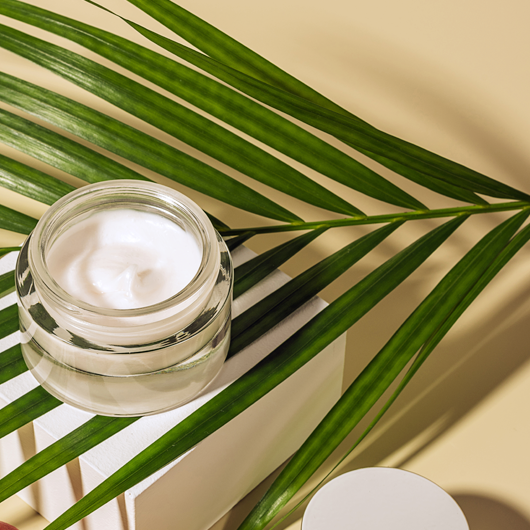


To get your hairline looking fuller naturally, consistency is everything. It’s a combination of stimulating the scalp to get the circulation going, making sure your diet is packed with the right nutrients, and dialing back on daily habits that stress out those delicate follicles. A holistic approach that focuses on your overall wellness is what creates the perfect environment for encouraging healthier-looking hair.
Understanding Natural Hairline Support

Noticing some changes along your hairline can be a pretty common yet discouraging experience. It’s a super delicate area, and the reasons for thinning can be a mix of everything from daily habits to plain old genetics. Instead of seeing it as a problem that needs a quick solution, try to think of it as a nudge to be more mindful about your hair and scalp wellness.
The journey of how to support your hairline naturally isn't about finding a single miracle product. It's about creating a supportive little ecosystem for your hair to thrive. This means stepping back and looking at the bigger picture—all the interconnected things that influence how your hair looks and feels.
The Core Factors at Play
Your hairline's appearance often reflects several internal and external factors. Getting a handle on these can empower you to make targeted, positive changes that actually make a difference.
Here are a few of the most common culprits:
- Mechanical Stress: Think about constant pulling from tight hairstyles. Ponytails, braids, or buns can put way too much tension on the follicles right at the hairline.
- Lifestyle Habits: Things like high stress levels, not getting enough sleep, and a poor diet can force your body to divert resources away from non-essential functions, and yep, that includes supporting robust hair growth.
- Harsh Routines: Over-styling with heat, using harsh chemical-laden products, or even just vigorously towel-drying your hair can all contribute to the appearance of a thinning hairline over time.
For a solid foundation, you can explore comprehensive strategies to prevent hair loss and promote hair growth that dive deeper into many of these core concepts.
The best-kept secret to supporting your edges is often just to leave them alone. When you’re trying to encourage a fuller appearance, avoid overwhelming those delicate baby hairs with too much styling. Let them do their thing while you focus on keeping them moisturized and protected.
To give you a quick overview, here's a breakdown of the key strategies we'll be covering.
Key Pillars of Natural Hairline Support
A summary of the core strategies discussed in this guide for supporting a healthy-looking hairline.
| Strategy | Primary Focus | Example Action |
|---|---|---|
| Dietary Support | Providing essential nutrients from within. | Incorporating foods rich in biotin, iron, and zinc. |
| Scalp Care | Creating a healthy environment for follicles. | Using a gentle, sulfate-free shampoo and regular scalp massage. |
| Lifestyle Adjustments | Reducing external stressors on hair. | Avoiding tight hairstyles and managing stress levels. |
| Targeted Topicals | Applying beneficial ingredients directly. | Applying a DIY serum with rosemary and peppermint oils. |
Each of these pillars plays a vital role in building a comprehensive routine that works.
A Holistic and Proactive Mindset
Shifting to a proactive mindset is a game-changer. Instead of zeroing in only on the hairline itself, the goal is to cultivate overall health that shines through in your hair's vitality. This involves a mix of gentle scalp care, proper nourishment, and mindful daily practices.
This guide will walk you through actionable steps you can easily weave into your routine. From scalp massages that invigorate the skin to dietary choices that provide the building blocks for strong hair, every element plays a supportive role. For a broader look at keeping your hair gorgeous, check out our guide on how to keep your hair healthy and vibrant. By focusing on these fundamentals, you’re creating the best possible foundation for a healthier-looking hairline.
Nourishing Your Hairline From The Inside Out
While topical applications and scalp care are a huge piece of the puzzle, the real journey to supporting your hairline naturally starts on your plate. What you eat provides the essential building blocks for every part of your body—hair included.
Think of it less like a restrictive diet and more like a mindful upgrade to support your body's built-in systems for healthy, vibrant-looking hair.
Your hair is made up almost entirely of a protein called keratin. If your diet is lacking in protein, your body may not produce enough of it, and that can show up in the appearance of your hair. This is why getting enough lean protein is a non-negotiable first step.
If you're looking to boost your intake, identifying the top plant-based protein sources is a great place to start. Adding lentils, chickpeas, and tofu to your meals can make a huge difference in meeting your daily needs.
Key Nutrients For Hair Vitality
Beyond just protein, a whole symphony of vitamins and minerals works together to support strong, resilient-looking hair. Rather than zeroing in on a single "miracle" ingredient, focusing on a consistently nutrient-dense diet is far more effective. You'd be surprised what a few simple, consistent additions can do over time.
Here are a few powerhouse nutrients to put on your radar:
- Iron: This mineral is absolutely vital for producing hemoglobin, which is responsible for carrying oxygen to cells—including the cells that support your hair follicles. You'll find it in spinach, lentils, and red meat.
- Zinc: Zinc plays a huge role in supporting hair tissue. It also helps keep the oil glands around your follicles working properly. Pumpkin seeds, beef, and oysters are all excellent sources.
- Biotin (Vitamin B7): As one of the most well-known vitamins for hair appearance, biotin is essential for producing keratin. It's readily available in foods like eggs, nuts, and sweet potatoes.
A simple tip I always give people is to "eat the rainbow." Brightly colored fruits and vegetables are packed with antioxidants and vitamins that contribute to your overall wellness, which in turn is reflected in the appearance of your hair and skin.
The Antioxidant Advantage
Antioxidants are your body's defense team against environmental stressors. This protective shield extends to your hair follicles, creating a healthier environment for them to thrive. For this job, Vitamins A, C, and E are particularly potent.
- Vitamin C: Found in abundance in berries, citrus fruits, and bell peppers, Vitamin C is crucial for creating collagen, a protein that adds to your hair's strength. It also helps your body absorb iron more effectively from your diet—a great two-for-one benefit.
- Vitamin E: This vitamin is a champion for supporting a healthy scalp. You can get more of it by adding avocados, sunflower seeds, and almonds to your snacks and meals.
- Vitamin A: All cells need Vitamin A for normal function, and that definitely includes your hair. It also helps your skin glands produce sebum, the natural oil that moisturizes your scalp and keeps your hair looking healthy. Sweet potatoes and carrots are fantastic sources.
Finally, never underestimate the power of hydration. Drinking enough water is foundational. It ensures that all these amazing nutrients are actually transported efficiently throughout your body to where they're needed most.
Making these simple, mindful additions to what you eat supports your whole system from the inside out. For more ideas, check out our guide on 8 healthy foods for great skin—you’ll find that many of these foods offer incredible benefits for your hair, too.
A Gentle Scalp Care Routine For a Thriving Hairline
A healthy scalp is the absolute foundation for healthy-looking hair. If you really want to support your hairline naturally, the best place to start is by creating the perfect environment for your follicles to thrive. This isn't about harsh applications; it’s about a gentle, consistent approach that respects the delicate balance of your skin.
Many aggressive hair care routines can actually do more harm than good, stripping the scalp of its natural protective oils and leading to irritation and dryness. The goal here is to cleanse effectively without causing chaos, ensuring the skin stays calm, balanced, and ready to support beautiful hair.

The Power of Scalp Massage
One of the simplest—and most beneficial—practices you can adopt is regular scalp massage. This technique is so much more than a relaxing ritual; it’s a direct way to invigorate the scalp, which is essential for a flourishing hairline.
Using gentle, circular motions with your fingertips helps encourage blood flow to the area. This increased circulation is critical because it helps ensure vital oxygen and nutrients from your diet are delivered efficiently right where they're needed: your hair follicles.
Here’s a simple way to get started:
- Use Your Fingertips: Start with the pads of your fingers (never your nails!) and apply light to medium pressure.
- Move in Small Circles: Begin at the front of your hairline and slowly work your way back, making sure you cover the entire scalp.
- Stay Consistent: All you need is 5-10 minutes, three to four times a week. Consistency is way more important than how long you do it each time.
This small ritual can easily be incorporated into your daily routine. Try it while you're shampooing in the shower or as you're winding down in the evening. Think of it as a moment of self-care that provides tangible benefits for your scalp's wellness.
DIY Scalp Serums for Added Support
To take your scalp massage to the next level, you can create a simple, nourishing serum using carrier oils and cosmetic-grade essential oils. This not only provides some lubrication for the massage but also delivers beneficial properties directly to the scalp.
A great carrier oil to start with is jojoba oil. Its structure is remarkably similar to the natural sebum your skin produces, so it absorbs beautifully without feeling greasy. For an invigorating boost, add a few drops of rosemary or peppermint essential oils.
A simple blend could be one tablespoon of jojoba oil with just two drops of cosmetic-grade rosemary essential oil. And if you love the soothing properties of aloe, you might find some great ideas in our guide for a homemade organic aloe vera gel recipe.
Considering All Avenues for Support
While a natural routine is a powerful foundation, it’s always helpful to be aware of other widely recognized options. For instance, topical 5% minoxidil solution has been a well-documented approach since the 1980s.
In some clinical studies, 74.2% of participants reported an improvement in hair density. The solution is thought to work by encouraging follicles to enter and remain in their growth phase longer, which can lead to a fuller appearance along the hairline with consistent use over several months. You can always explore the full findings to understand more about its effectiveness.
Lifestyle Adjustments That Support Hair Health
Believe it or not, your day-to-day habits have a massive impact on your hair. There's a real, tangible connection between your lifestyle and the state of your hairline, with things like stress, sleep, and even how much you move playing a considerable part. Making a few small, positive tweaks in these areas can do wonders for your overall wellness, and that almost always shows up in your hair.
Chronic stress, for instance, is a well-known troublemaker for the body. When you're constantly on edge, your system reroutes its resources away from "non-essential" functions like supporting hair appearance to deal with what it perceives as a threat. This is exactly why getting a handle on stress is such a decisive step.
Mastering Stress and Prioritizing Rest
Finding ways to unwind doesn't have to mean overhauling your entire life. Simple, consistent practices can make a world of difference in how you feel, creating a much better internal environment for your whole body to thrive.
Try working some of these into your routine:
- Mindful Breathing: Just five minutes of focusing on slow, deep breaths can seriously calm your nervous system. A simple box breath works wonders: inhale for four counts, hold for four, and exhale for six.
- Light Physical Activity: A brisk walk or some gentle yoga is fantastic for boosting endorphins and slashing stress hormones. Bonus points: it also gets your blood flowing, which is exactly what your scalp needs.
- Digital Detox: Force yourself to step away from screens, especially before bed. It helps quiet a racing mind and makes it much easier to truly relax and switch off.
And speaking of switching off, quality sleep is non-negotiable. It's during those deep sleep cycles that your body gets to work on its natural functions. Aiming for 7-9 hours of solid, uninterrupted sleep a night gives your body the time it needs for these essential jobs.
Think of stress management and good sleep as the foundation for everything else. When your body is balanced and rested, it has the energy to properly support healthy hair and skin.
The Role of Circulation and Advanced Support
Getting in some moderate exercise is one of the best things you can do to boost circulation everywhere, including your scalp. Good blood flow is like a delivery service, making sure all the nutrients from your diet actually reach your hair follicles to keep them vital and strong. You don't need to be running marathons; consistent movement like jogging or cycling a few times a week is more than enough.
Beyond what you can do at home, some other techniques are getting a lot of attention for helping create the look of a fuller hairline. Platelet-rich plasma (PRP) therapy, for example, uses a concentration of your own blood platelets to support growth.
Clinical trials have shown some compelling results. After several PRP sessions, hair count can increase by about 20.5% within three months, and hair thickness can improve by around 31.3%. One study even pointed to a significant jump in hair density after just four sessions when compared to control groups. If you're curious about the science, you can learn more about PRP effectiveness facts and figures.
Ultimately, weaving these lifestyle changes into your daily life—managing stress, sleeping well, and staying active—creates a powerful support system. These small habits work together, helping you look and feel your absolute best from head to toe.
Cosmetic Tools And Techniques For a Fuller Look
While what you put in your body is the foundation for healthy hair, a few tools can seriously level up your scalp care game. Think of these as supportive players in your routine, helping to create the absolute best environment for your hairline to thrive.
One of the most talked-about at-home methods is microneedling, usually done with a handheld tool called a dermaroller. It works by creating tiny, invisible micro-channels on the surface of your scalp. The real magic here is that these channels can dramatically boost the absorption of all those nourishing serums and oils you're applying.
When you do it right, you're not just applying a serum; you're delivering it exactly where it needs to go. The science backs this up, too. A 2021 study found that combining microneedling with topicals led to a significant 31.6% increase in hair count and an 18% jump in hair shaft thickness after just a few sessions. You can discover more insights about these hairline techniques and see just how effective this approach can be.
Safe At-Home Microneedling Practices
Okay, let's talk safety. To get all the benefits without any of the risks, you have to follow the rules. Being too aggressive or using a dirty tool is the fastest way to get irritation, which is the exact opposite of what we want for a healthy scalp.
Here’s how to do it safely and effectively:
- Pick the Right Tool: For at-home use on the scalp, stick to a dermaroller with a needle length between 0.25mm to 0.5mm. Anything longer is best left to the professionals.
- Sterilize, Always: This is non-negotiable. Before and after every single use, let your dermaroller soak in isopropyl alcohol for at least 10 minutes. Clean tools are safe tools.
- Gentle Pressure is Key: Lightly roll the tool over your hairline and other target areas. Go in different directions—vertically, horizontally, then diagonally—lifting the roller off your skin before changing direction to avoid scratching.
The goal is stimulation, not abrasion. You should feel a slight tingling sensation, but never pain. If it hurts, you are applying too much pressure.

Consistency pays off, leading to visible improvements in both the density and strength of your hair. And if you're making your own serums to pair with these techniques, you’ll love the beginner's guide to making a follicle-enhancing serum for its tips on creating powerful, natural blends.
Understanding Low-Level Light Therapy
Another tool you might come across is low-level light therapy (LLLT). These gadgets, which often look like caps, combs, or headbands, use red light to gently stimulate the scalp. The idea is that this specific wavelength of light helps support the scalp's natural functions and energizes the follicles.
With LLLT, the name of the game is consistency. This isn't a quick fix. It takes regular, dedicated use over several months to see any noticeable cosmetic benefit. Just remember that these tools are helpers, not miracle workers. They work best as part of a bigger strategy that includes a great diet, targeted scalp care, and a healthy lifestyle.
Common Questions About Natural Hairline Care
As you get started on this journey, questions are bound to pop up. It's totally normal. Knowing what to expect and managing your own expectations is a huge part of staying motivated. So, let's walk through some of the most common questions to give you a bit more clarity and help you build a routine that you feel really good about.
How Long Does It Take To See Changes In My Hairline's Appearance
Patience and consistency are your two best friends here. When you're using natural methods like diet, scalp care, and stress management, you have to think in terms of months, not weeks. It’s a marathon, not a sprint, because hair growth cycles are naturally long and slow.
You might start noticing some subtle cosmetic changes—maybe your hair feels a little stronger or looks a bit fuller—after about 3-6 months of really sticking with it. Remember, this is about supporting your body's overall wellness, and it takes time for those internal changes to show up on the outside.
Are There Specific Ingredients I Should Look For In Hair Care Products
Yes, absolutely! The right ingredients can make a huge difference. When you're trying to support a healthy-looking hairline, always reach for gentle, sulfate-free shampoos that won't strip your scalp of its natural, protective oils. A happy scalp is step one.
Look for ingredients that create an ideal environment for your hair to thrive:
- Antioxidants like Vitamin E are fantastic for protecting the scalp.
- Soothing agents like aloe vera help keep everything calm and happy.
- Invigorating components like peppermint oil give your scalp a refreshing, stimulating sensation.
Caffeine is another great one to look for in products, as it can help invigorate the scalp. Just as important is what you avoid: stay away from harsh chemicals, heavy silicones that cause buildup, and drying alcohols that can lead to irritation.
Can I Combine Different Natural Methods
Of course. In fact, that's what I recommend. A holistic approach is almost always the most effective way to go because you're tackling potential issues from multiple angles. It creates a powerful synergistic effect that can really amplify your results.
Think of it this way: you can nourish your hair from the inside out with a nutrient-rich diet while also practicing regular scalp massage and applying a targeted DIY serum. When you layer on lifestyle tweaks like meditation to lower stress, you've created a really robust, well-rounded routine that supports hair health from every direction.
A good rule of thumb is to introduce new things one at a time. This lets you see how your scalp responds before you add something else into the mix.
A lot of the principles for supporting a healthy hairline—gentle care, targeted nourishment—also work wonders for other delicate areas. You can find more tips in our guide on how to grow thicker eyebrows, which shares a very similar philosophy.
When Should I Consult a Professional
If you notice any sudden or significant changes in your hair, or if you have concerns about the health of your scalp, it's always best to check in with a dermatologist or another healthcare professional. They can give you a proper evaluation and talk through all the available options with you.
This guide is meant for cosmetic and general wellness support and is not a substitute for professional medical advice.
At Skin Perfection, we believe that beautiful skin and hair begin with high-quality, nature-inspired ingredients. Whether you're creating your own DIY serums or looking for expertly formulated skincare, we provide the tools you need to build a routine that helps you look and feel your best. Explore our collection today at https://www.naturalorganicskincare.com.