

 Buy with Prime
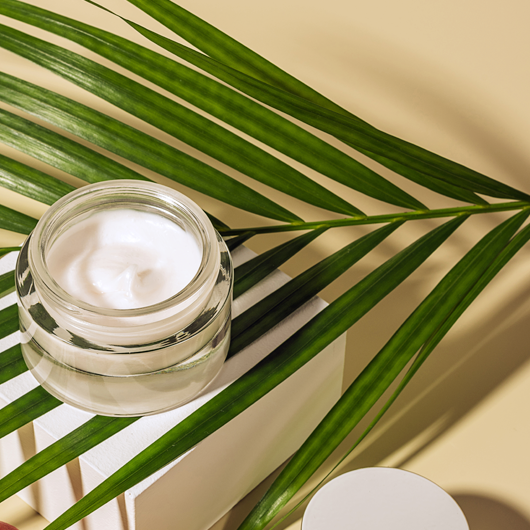


Kojic acid powder is a superstar cosmetic ingredient, born from certain fungi during fermentation, celebrated for its ability to help you achieve a more luminous, even-toned complexion. Think of it as a gentle nudge to support your skin's natural radiance. It's a huge favorite in the DIY skincare community for whipping up custom serums, lotions, and toners all aimed at beautifying the skin.
Getting to Know Kojic Acid Powder

Ever wondered where some of your favorite skincare ingredients come from? Many have surprisingly natural origins, and kojic acid powder is a fantastic example. This fine, white, crystalline powder comes from a completely natural process involving fungi, particularly species of Aspergillus.
The process is a lot like the fermentation used to make Japanese sake (rice wine). As these fungi undergo their metabolic processes, they produce kojic acid as a natural byproduct. This substance is then carefully harvested, purified, and turned into the cosmetic-grade powder that DIY formulators and big-name skincare brands use to create products that seriously enhance the skin’s appearance.
Here's a quick rundown of the essential details about kojic acid powder.
Kojic Acid Powder At a Glance
| Attribute | Description |
|---|---|
| INCI Name | Kojic Acid |
| Appearance | Fine, off-white to pale yellow crystalline powder |
| Solubility | Soluble in water, ethanol, and acetone |
| Typical pH | 4.0 - 5.0 in a 1% aqueous solution |
| Recommended Usage Rate | 0.5% - 2% in cosmetic formulations |
| Primary Function | Skin brightening and evening of skin tone |
| Origin | A natural byproduct of fungal fermentation |
This table should give you a solid foundation for understanding the fundamental properties of kojic acid before you dive into formulating with it.
A Gentle Path to a Radiant Look
The main reason kojic acid powder is so loved in cosmetics is its ability to help diminish the appearance of an uneven skin tone.
Picture your skin’s pigment production as a complex, carefully managed factory. Kojic acid acts like a gentle gatekeeper in this factory, helping to keep everything balanced for a more uniform complexion.
By adding it to your homemade formulas, you can create products that deliver a consistently bright, glowing look. It’s not about fundamentally changing your skin; it’s about bringing its most luminous and beautifully even appearance to the forefront.
For those just starting out, you can explore professionally made kojic acid skin brightening treatments to see how the pros use this incredible ingredient.
Why Is It a Cosmetic Staple?
Kojic acid's popularity has absolutely exploded in the skincare world, making it a go-to in countless products designed for a brighter, more even complexion. Its appeal comes down to its cosmetic effectiveness in tackling the look of:
- Sun-induced dark spots: It helps to visibly reduce the appearance of spots that pop up after too much sun.
- Uneven skin tone: It helps promote a more uniform, balanced complexion overall.
- Post-blemish marks: It’s great for assisting in fading the appearance of those pesky marks left behind after a breakout.
This ingredient’s knack for beautifying the skin has made it a favorite for both professional formulators and at-home skincare enthusiasts. By understanding where it comes from and what it does, you can better appreciate how to use kojic acid powder to create effective, personalized skincare that helps you hit your skin goals.
How Kojic Acid Helps Brighten Your Skin's Appearance

To really get why kojic acid powder is so loved for beautifying the skin, you have to understand its gentle but powerful approach. It's all about creating a more even, luminous look by addressing uneven skin tone.
Think of your skin as having tiny, specialized factories that produce melanin—the natural pigment that gives your skin, hair, and eyes their color. These factories work around the clock, but sometimes they get a little overactive, which can lead to dark spots and an uneven complexion.
The Role of Tyrosinase in Skin Pigmentation
Inside each of these melanin factories, there’s a key manager on the floor: an enzyme called tyrosinase. This enzyme is the one that kicks off and oversees the entire melanin production line. Without tyrosinase giving the green light, the whole process just stalls.
When your skin is exposed to things like the sun, this "factory manager" can go into overdrive, telling the workers to speed everything up. This ramp-up in activity can cause an uneven distribution of pigment, resulting in spots or patches that appear darker than the surrounding skin. The goal for many cosmetic brightening ingredients is to have a little chat with this manager.
Kojic acid is a superstar ingredient for its cosmetic effects, and experts often highlight the benefits of skin brightening treatments for addressing the look of uneven pigmentation.
Kojic Acid as a Gentle Supervisor
This is where kojic acid makes its entrance. Picture it as a calm, gentle supervisor who walks onto the factory floor. It doesn't shut down the whole operation or fire the manager. Instead, it has a quiet word with tyrosinase, suggesting it might be a good idea to slow things down a bit.
By subtly interfering with the tyrosinase enzyme, kojic acid helps to moderate melanin production. This action is key to its cosmetic effect, helping to promote a visibly brighter and more balanced skin tone over time.
This specific interaction is what makes kojic acid powder such a prized ingredient in DIY skincare. Its main cosmetic job is to diminish the appearance of uneven pigmentation, helping to beautify the skin by revealing a more consistent and radiant glow.
What This Means for Your DIY Formulations
When you mix kojic acid powder into your homemade serums, lotions, or toners, you're creating a product designed to support an even-looking complexion. Just remember, consistency is key here, as the effects are gradual and build up over time.
Here’s a breakdown of the cosmetic results you can work toward:
- A More Uniform Complexion: It helps reduce the visible contrast between dark spots and the rest of your skin, creating a smoother, more balanced canvas.
- Enhanced Radiance: By promoting a more even tone, it lets your skin’s natural luminosity shine, contributing to a brighter overall appearance.
- Fading the Look of Blemishes: It can help lessen the appearance of marks left behind by past breakouts, making skin look clearer.
This gentle but effective approach is why so many skincare makers turn to kojic acid. If you're interested in exploring other ingredients that offer similar beautifying effects, our full collection of skin brightening supplies has some fantastic options for your next project. It’s all about giving your skin the support it needs to look its absolute best.
Your Step-by-Step Guide to DIY Formulations

Ready to roll up your sleeves and step into the world of DIY skincare? It’s a rewarding feeling to craft products that are ideally suited to your beauty goals. Bringing kojic acid powder into your home lab opens up a whole new level of creating, letting you make powerful serums and lotions that target a bright, even complexion.
This guide will walk you through everything—from the essential gear to safety rules and formulation tricks—so you can start creating with total confidence. Just remember, when you're working with potent ingredients like kojic acid, precision is your best friend. Careful measuring is what separates a beautiful, effective product from a science experiment gone wrong.
Gearing Up for Formulation Success
Just like a great chef needs more than a wooden spoon, a DIY skincare formulator needs the right tools. Investing in a few key pieces will make your process smoother, safer, and way more accurate. This isn't the time to eyeball amounts or use your kitchen scale; cosmetic science is a game of grams and precision.
Here are the absolute must-haves for your setup:
- Digital Scale (0.01g accuracy): This is non-negotiable. To measure potent ingredients like kojic acid powder correctly, you need a scale that’s sensitive to hundredths of a gram. It's the only way to guarantee you’re using safe, effective amounts.
- Glass Beakers or Heat-Resistant Containers: Perfect for mixing your concoctions. Glass is a fantastic choice because it won’t react with your ingredients and is super easy to sanitize.
- Stirring Rods or a Mini-Mixer: You need solid agitation to dissolve powders and create stable emulsions. A simple glass stirring rod works, but a little handheld milk frother can be a game-changer.
- pH Strips or a Digital pH Meter: This is a crucial step for more advanced formulators. Checking the final pH of your product ensures it's skin-friendly. For formulas with kojic acid, you’ll want to aim for a pH between 4.0 and 6.0.
- Sanitizer (70% Isopropyl Alcohol): Keep your entire workspace, from beakers to benchtops, squeaky clean. This prevents nasty bacteria from ruining your beautiful creations.
Safety First. Always.
When you’re handling cosmetic powders, a little mindfulness goes a long way. Kojic acid is a staple in the skincare world, but it's still a concentrated active ingredient that deserves respect. Taking a few precautions makes the whole process fun and worry-free.
Always wear protective gear when you're working with raw ingredients. That means safety goggles to shield your eyes from any airborne powder and gloves to keep concentrated actives off your skin.
It’s also smart to work in a well-ventilated space. This simple step minimizes how much fine powder you might breathe in. Think of it as setting up your own professional, safe lab space right at home.
The Art of Dissolving Kojic Acid Powder
One of the first hurdles new formulators face is getting kojic acid powder to dissolve properly. It's notoriously stubborn in cool liquids. The secret? A bit of gentle heat and the right solvent.
You’ll want to dissolve the powder into the water phase of your formula. Start by gently heating your distilled water to around 40°C (104°F). This is the sweet spot—warm enough to help the crystals dissolve but not so hot that it degrades the ingredient. Keep stirring until the water is perfectly clear and you can't see a single granule. Once fully dissolved, let it cool before mixing with your other ingredients.
Three Simple DIY Skincare Recipes
Okay, theory's over. Time to get your hands dirty! Here are three easy, compliant recipes to get you started. Every formula is based on percentages, so you can easily scale the batch up or down. Just pick your total batch size (say, 100g) and multiply it by the percentage for each ingredient to get the exact weight you need.
1. Brightening Facial Serum
This lightweight serum is designed to give your complexion a radiant, even-toned boost.
- Distilled Water: 85%
- Glycerin (Humectant): 5%
- Hyaluronic Acid (Hydrator): 2%
- Kojic Acid Powder: 1%
- Liquid Germall Plus (Preservative): 0.5%
- Xanthan Gum (Thickener): 1.5%
Instructions:
- In one beaker, mix the glycerin and xanthan gum together. This creates a "slurry" and prevents clumping.
- In a second beaker, gently heat the distilled water and dissolve the kojic acid powder until the water is clear.
- Slowly pour the water/kojic acid mix into the glycerin slurry, stirring constantly until it thickens up.
- Let it cool completely, then add the hyaluronic acid and preservative. Mix well and check the pH.
2. Even-Tone Body Lotion
A creamy, nourishing body lotion to help smooth and unify the look of your skin from head to toe.
- Distilled Water: 75.5%
- Sweet Almond Oil: 10%
- Shea Butter: 5%
- Emulsifying Wax NF: 5%
- Kojic Acid Powder: 2%
- Vitamin E Oil: 1%
- Phenonip (Preservative): 1%
- Fragrance Oil (Optional): 0.5%
Instructions:
- In your first beaker (the water phase), combine the distilled water and kojic acid powder. Heat gently until dissolved.
- In a separate beaker (the oil phase), combine the sweet almond oil, shea butter, and emulsifying wax. Heat until everything is melted and combined.
- Slowly pour the water phase into the oil phase while mixing continuously with a mini-mixer until a creamy lotion forms.
- Once it has cooled down, stir in the Vitamin E, preservative, and fragrance. Mix thoroughly.
3. Clarifying Facial Toner
A simple, refreshing toner to complement your routine and promote a clear-looking complexion.
- Distilled Water: 94.5%
- Kojic Acid Powder: 1%
- Glycerin: 3%
- Liquid Germall Plus (Preservative): 0.5%
- Polysorbate 20 (Solubilizer - if adding essential oils): 1%
Instructions:
- Gently warm the distilled water, then stir in the kojic acid powder until it’s completely dissolved.
- Let the mixture cool back down to room temperature.
- Add the glycerin and preservative, then stir until everything is fully mixed.
- If you want to add a scent, first mix your essential oils with the Polysorbate 20 before adding that to the toner.
- Pour it into a clean spray bottle for easy misting
Getting the Best Results: Safe and Effective Application
Making your own skincare with kojic acid powder is an exciting process, but using your creations safely is just as crucial as nailing the recipe. Think of it like cooking with a powerful spice—a little goes a long way, and the correct technique brings out all the best qualities without overwhelming the dish.
Following a few golden rules will help you get the most out of your DIY products. Sticking to these best practices will set you up for a great experience, allowing you to confidently incorporate your homemade formulas into your skincare routine.
Start Low and Go Slow
Whenever you're introducing a new active ingredient to your skin, the number one rule is to start with a low concentration. For kojic acid, a formula containing 1% is the perfect entry point. This gives your skin time to get used to the ingredient without being overwhelmed.
It's like dipping your toes in the water before diving in. A 1% concentration is adequate for cosmetic purposes but gentle enough for most beginners. You can always bump it up slightly in future batches, but only after you’ve seen how your skin handles the initial strength.
The Essential Patch Test
Before you go all-in and apply your new creation to your entire face or body, a patch test is non-negotiable. This simple step is your best defense against potential sensitivity, letting you check for any reactions before you commit to full-on use.
Here’s how to do it right:
- Pick a hidden spot: Apply a small amount of the product to a discreet area, like the inside of your wrist or just behind your ear.
- Wait and watch: Leave the product on for at least 24 hours. Pay close attention to how your skin looks and feels during this time.
- Check the results: If you see any signs of irritation like unusual redness or itchiness, it’s a sign that this particular formula isn't for you. If your skin is calm and happy, you're good to go!
Sunscreen Is Your Best Friend
Using kojic acid can make your skin more sensitive to the sun. This is why daily, consistent use of a broad-spectrum sunscreen with an SPF of 30 or higher is absolutely critical. This isn't just a friendly suggestion—it's a mandatory part of any routine that includes brightening ingredients.
Sunscreen not only protects your skin but also helps you hold onto the results you're working so hard to achieve. Skipping it is like taking two steps forward and three steps back, as sun exposure can contribute to the very unevenness you’re trying to address.
Make applying sunscreen every single morning, rain or shine, the final step in your skincare routine.
Listen to Your Skin
So, how often should you use your kojic acid products? The real answer comes from your own skin. Some people might find daily use works perfectly fine, while others may get better results using it every other day.
Pay close attention to the signals your skin is sending. If you start to notice any dryness or mild irritation, that’s your cue to pull back a bit. You could reduce how often you apply it or take a short break. Skincare isn't a race; consistency over intensity is what delivers the best long-term cosmetic benefits.
The demand for ingredients like kojic acid powder has made a real splash in the cosmetics market. In 2024, the cosmetic-grade segment was valued at around USD 300 million and is projected to reach nearly USD 500 million by 2033. This boom is fueled by people seeking effective skin-brightening ingredients, all backed by global safety standards that prioritize purity and proper concentration levels. You can learn more about these cosmetic-grade kojic acid market trends.
Proper Storage for Longevity
Finally, let's talk about keeping your products fresh. Kojic acid is sensitive to light and air, which can cause it to oxidize and lose effectiveness. You might even see your homemade serum turn a brownish color—that's a tell-tale sign of oxidation.
To protect your hard work and keep your products potent:
- Store the powder correctly: Keep your unused kojic acid powder sealed tightly in its original packaging in a cool, dark, and dry place.
- Use the right packaging: Bottle your finished serums and creams in opaque or dark-colored containers (like amber or cobalt blue glass) to shield them from light.
- Keep it cool: Store your finished products away from heat and direct sunlight. A steamy bathroom counter is a bad spot; a cabinet or drawer is a much better choice.
Pairing Kojic Acid With Other Ingredients
Making your own skincare with kojic acid powder is like being a chef in your own cosmetic kitchen. Kojic acid is a fantastic ingredient all on its own, but its true power is often unlocked when you pair it with other complementary ingredients. Knowing which components work well together can really elevate your formulas, creating a product that takes a multi-faceted approach to beautifying your skin.
Think of it like building a team where every player has a unique skill. Kojic acid is your star for promoting an even skin tone, but adding other supportive ingredients can help you achieve that beautifully radiant complexion even more effectively. This is often called cosmetic synergy, where the combined effect of the ingredients is greater than what they could do on their own.
Great Pairs for Enhanced Radiance
Some ingredients are natural allies to kojic acid. They either work alongside it to support its main job or provide additional cosmetic benefits that round out your formula. When you see these pairings, you can feel confident you're creating something balanced and effective.
Here are some excellent partners for your kojic acid formulations:
- Vitamin C (Ascorbic Acid and its derivatives): This is a classic combination. Vitamin C is a powerhouse antioxidant that helps defend the skin against environmental stressors. When used with kojic acid, it delivers a one-two punch for achieving a bright, luminous look.
- Niacinamide (Vitamin B3): Another fantastic teammate, niacinamide is celebrated for its ability to improve the appearance of skin texture and support the skin's natural moisture barrier. It works on different pathways than kojic acid, making them a complementary duo for a smooth, clear-looking complexion.
- Hyaluronic Acid: While it's not a brightening agent, hyaluronic acid is an incredible hydrator. Pairing it with actives like kojic acid helps keep the skin feeling plump and hydrated, which is essential for any healthy-looking glow. For a potent form, check out our pure hyaluronic acid powder.
Combinations to Approach With Caution
Just as some ingredients work beautifully together, others can be too much of a good thing when mixed in the same routine. The goal is always effective, not aggressive, skincare. Being mindful of these combinations will help you avoid potential irritation.
When formulating, always remember that balance is key. Using multiple strong actives at once can sometimes overwhelm the skin rather than help it. A gentle, consistent approach is always more effective in the long run.
Consider using these ingredients in separate routines (like one in the morning, one at night) instead of in the same formula:
- Strong Retinoids: Both retinoids and kojic acid are potent actives. Using them together, especially if you're new to either ingredient, might increase the likelihood of sensitivity or dryness.
- Alpha Hydroxy Acids (AHAs) and Beta Hydroxy Acids (BHAs): Ingredients like glycolic and salicylic acid are chemical exfoliants. Since kojic acid also has mild exfoliating properties, combining them can sometimes lead to over-exfoliation. It helps to understand how other brighteners work; for instance, learning how glycolic acid also helps lighten skin shows that it targets similar cosmetic concerns. Knowing this enables you to make smarter choices about alternating their use.
To make things even more straightforward, let's break down some common pairings in a simple guide.
Ingredient Pairing Guide for Kojic Acid Formulations
This table gives you a quick snapshot of which ingredients play nicely with kojic acid and which ones you should be more careful with.
| Ingredient | Pairing Recommendation | Cosmetic Benefit |
|---|---|---|
| Vitamin C | Excellent Pair | Both are antioxidants that enhance skin brightness and radiance. |
| Niacinamide | Excellent Pair | Works on different pathways for a comprehensive approach to even tone and texture. |
| Hyaluronic Acid | Excellent Pair | Provides essential hydration to counteract potential dryness from active ingredients. |
| Retinoids | Use with Caution | High potential for irritation. Best used in separate AM/PM routines. |
| AHAs/BHAs | Use with Caution | Risk of over-exfoliation. Alternate days or use in separate routines. |
Ultimately, successful formulating is all about creating balance. By pairing kojic acid with hydrating and supportive ingredients, you can build a powerful, well-rounded product. When it comes to stronger actives, it's always smarter to alternate them rather than layering them all at once.
Busting Common Kojic Acid Myths
Like any skincare ingredient that gets a lot of buzz, kojic acid has its fair share of myths floating around. Let's clear the air, so you can get the best results from your homemade formulas and use them with total confidence. It's time to separate fact from fiction.
One of the biggest misunderstandings is that kojic acid will permanently change your natural skin color. That's just not how it works. Kojic acid is a cosmetic ingredient that helps fade the appearance of excess pigmentation from things like sun exposure or post-acne marks; it doesn't alter your skin's baseline tone. Think of it less like a bleach and more like a reset button, helping your skin return to its natural, even state.
More Isn't Always Better
Another trap people fall into is thinking that a higher concentration of kojic acid will get them faster, more dramatic results. In reality, cranking up the percentage past the recommended 1-2% is more likely to give you irritation and redness than a brighter complexion. When it comes to kojic acid, consistency trumps intensity every time.
A well-formulated product you use regularly will always beat an overly strong one that just makes your skin angry. Gentle, steady progress is the real secret to achieving that beautifully even, radiant glow.
Its rise in popularity isn't just anecdotal. The global kojic acid market was valued at about USD 45.34 million in 2023, and it's projected to continue growing. A considerable part of that demand comes from the Asia Pacific region, which makes up around 36% of the market's revenue. You can dig deeper into these global kojic acid market insights to see the trends for yourself.
The Truth About Stability
Finally, let's talk about stability. Have you ever mixed up a beautiful kojic acid serum, only to see it turn a sad shade of brown after a few weeks? It's easy to assume it's gone bad, but that's not quite right. That color change is just oxidation—a natural reaction when kojic acid is exposed to light and air. While it can make the ingredient less effective, it's not a sign of spoilage.
Luckily, you can easily protect your creations and keep them potent for longer. Here’s how:
- Add Antioxidants: A little Vitamin E (tocopherol) in your recipe acts like a bodyguard, helping to fend off oxidation.
- Use Smart Packaging: Store your finished products in dark, opaque, airtight bottles. This shields them from the light and air that cause oxidation.
- Work in Small Batches: Instead of making a huge batch that will sit around for months, make smaller, fresher batches more often. This ensures you're always using the ingredient at its most powerful.
Your Kojic Acid Powder Questions, Answered

As you start experimenting with kojic acid powder, you're bound to have some questions. It's totally normal! Let's tackle some of the most common queries from fellow DIY skincare creators so you can formulate with total confidence and get the beautiful results you're looking for.
How Long Until I See Visible Results?
Patience is key when it comes to kojic acid. This isn't one of those overnight miracle ingredients; its cosmetic effect lies in gradual, steady improvement.
Most people start to see a more even, radiant-looking complexion after about 4 to 6 weeks of consistent, daily use. Just remember, the goal is a gentle journey toward balanced skin, not a sprint to a quick fix.
Can I Use Kojic Acid on My Face and Body?
Absolutely! Kojic acid is incredibly versatile and works well in both facial and body care recipes. The trick is to tailor the concentration to the skin you're treating.
- For the Face: Stick to a concentration between 0.5% and 1%. The skin on your face is more delicate, and this range is perfect for promoting an even tone without causing irritation.
- For the Body: You can bump up the concentration to 1% to 2% for areas like arms, legs, or your décolletage, where the skin is a bit tougher and less sensitive.
My DIY Kojic Acid Serum Turned Brown—Why?
Don't panic if you notice your homemade serum taking on a tan or brownish hue! This is a totally normal process called oxidation. It happens when kojic acid is exposed to light and air.
While oxidation can reduce the ingredient's potency over time, it doesn't mean your product has gone bad. To keep it fresh for as long as possible, always store your creations in dark, opaque, airtight containers.
What Is the Ideal pH for a Kojic Acid Formula?
For those of you who are more advanced formulators, getting the pH right is a game-changer. A formula's pH affects its stability and how it feels on the skin.
When working with kojic acid powder, you'll want to aim for a final pH between 4.0 and 6.0. This slightly acidic range keeps the kojic acid stable and happy, and it's also perfectly compatible with your skin's natural pH. That's the sweet spot for a gentle, effective final product.