

 Buy with Prime
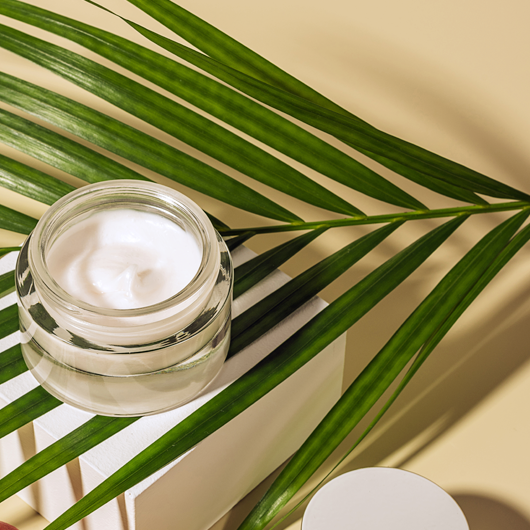


Have you ever wondered why so much anti-aging advice starts with expensive serums, but skips the habits that shape your skin every day? That gap matters. A natural approach works best when you stop thinking in terms of one miracle ingredient and start thinking in systems: protection, hydration, antioxidant support, sleep, stress, and smart formulation.
That's where many people get stuck. They want natural anti aging tips, but they're usually given either vague lifestyle advice or product lists with no explanation. Neither helps you build a routine you can stick to.
This guide takes a more practical route. You'll find 8 natural anti aging tips that connect daily habits with high-performance plant-derived ingredients and DIY-friendly skincare strategies. Some of these are lifestyle tools. Some are formulation tools. Together, they help you support smoother-looking, brighter, more resilient skin in a way that feels realistic.
The goal isn't to chase perfection. It's to protect your skin's appearance, keep it comfortably hydrated, and make better long-term choices with ingredients that fit a clean, thoughtful routine.
Table of Contents
- 1. Harness Plant-Derived Peptides and Stem Cell Technology
- 2. Commit to Consistent Sun Protection and UV Defense
- 3. Master Deep Hydration with Hyaluronic Acid and Botanicals
- 4. Load Up on Antioxidant-Rich Skincare
- 5. Optimize Sleep Quality, Position, and Rhythm
- 6. Focus on Internal Hydration and Anti-Aging Nutrition
- 7. Incorporate Facial Massage and Lymphatic Drainage
- 8. Manage Stress and Reduce Cortisol for Skin Wellness
- 8-Point Natural Anti-Aging Tips Comparison
- Your Blueprint for Naturally Radiant Skin
1. Harness Plant-Derived Peptides and Stem Cell Technology
Plant-derived peptides and plant stem cell extracts are popular because they fit the natural skincare mindset without feeling old-fashioned. They bring a more modern approach. Instead of relying only on rich oils or heavy creams, they're often used to support a firmer, smoother, more refreshed look through lightweight serums and targeted formulas.
For DIY skincare makers, this category is especially interesting because it encourages precision. You can build a routine around a hydrating base, then layer in plant actives that support a healthier-looking finish without making the formula overly complicated.

Why these ingredients stand out
Peptides are small amino acid chains, so think of them as messengers in a formula. In cosmetic use, they're chosen because they help improve the look of skin texture and firmness. Plant stem cell extracts, such as those associated with apple or edelweiss-inspired skincare concepts, are often valued for their antioxidant-rich profile and their role in helping formulas feel more advanced than basic moisturizers.
If you like to formulate at home, a water-based serum is a good place to start. A product like Sodium Hyaluronate Powder Pure Hyaluronic Acid fits naturally here because it's a single cosmetic-grade ingredient that lets you create concentrated hydrating serums and creams, including typical DIY serum concentrations of 0.1 to 2%. That makes it easier to pair hydration with botanical actives in a controlled way.
Practical rule: Build your formula around hydration first, then add your specialty actives. Dry, tight-feeling skin rarely shows off advanced ingredients well.
How to use them well
The main drawback is patience. These ingredients usually reward consistency more than intensity, so it's better to use a well-made serum regularly than to rotate through too many trend ingredients.
A simple approach works well:
- Choose a hydrating base: Use humectants first so skin looks comfortable and supple.
- Keep the formula light: Peptides and botanical extracts often feel best in a serum or lotion rather than a heavy balm.
- Store carefully: Potent actives tend to perform best when protected from heat and light.
- Learn from formulators: Skin Perfection's article on stem cell serum formulation ideas is a useful starting point if you want examples of how these ingredients fit into a routine.
2. Commit to Consistent Sun Protection and UV Defense
If you only keep one anti-aging habit, make it sun protection. The American Academy of Dermatology notes that up to 90% of visible skin aging is caused by UV exposure and recommends daily broad-spectrum sunscreen of SPF 30 or higher. That single fact changes how you think about natural anti aging tips. Prevention matters more than chasing damage later.
This is also one of the simplest ways to make a routine look more polished over time. Skin that's protected tends to hold a more even-looking tone and smoother surface appearance.

The prevention-first habit
Many people still think anti-aging starts at night with treatment products. In practice, it starts in the morning with what you do before you leave the house. Broad-spectrum mineral sunscreen, shade, hats, and avoiding long unprotected exposure all support the appearance of your skin over time.
The same AAD guidance also supports a lower-intervention routine built around gentle cleansing, daily moisturizing, and avoiding products that sting or burn. That's important because irritated skin often looks older, not younger.
Sun care isn't the glamorous step. It's the step that protects all the other work you're doing.
Simple ways to make it daily
You're much more likely to stick with sun protection if it feels easy.
- Pick a texture you will wear: A sunscreen that sits well under makeup or over moisturizer gets used more consistently.
- Use support products at night: HydroGlow Anti-Aging Night Mask is relevant here as a leave-on nighttime moisturizer-mask with hyaluronic acid, polyglutamic acid, sea silt ferment, algae extract, jojoba, squalane, aloe, glycerin, and triglycerides, all aimed at keeping skin feeling replenished after the day.
- Think seasonally, not occasionally: Daily use matters even when it's cloudy.
- Refine your full routine: Skin Perfection's article on sun damage, peptides, and summer skin recovery gives helpful context on pairing protection with recovery-focused skincare.
3. Master Deep Hydration with Hyaluronic Acid and Botanicals
Hydration is one of the fastest ways to improve the look of tired skin. When skin lacks water, it can look flatter, rougher, and more creased. When it's well hydrated, it tends to look bouncier, smoother, and brighter.
That's why humectants stay central in natural anti aging tips. They don't need to be dramatic to be useful. They just need to be used correctly and consistently.

What hydrated skin looks like
Hyaluronic acid is popular for a reason. It's naturally associated with moisture retention, and in skincare it helps create that plump, comfortable feel people usually describe as fresh or dewy. Botanical humectants and supportive ingredients such as glycerin or algae-based components can make that effect feel more complete by helping the skin surface stay soft and flexible.
The trick is application. Humectants perform best when they're part of a full hydration system, not a single isolated step. Apply them to slightly damp skin, then follow with a cream or lotion to help reduce moisture loss.
A DIY-friendly hydration approach
If you like making your own serums, hydration is the easiest place to get started because the structure is simple and the results are easy to feel.
- Start with water-binding ingredients: Hyaluronic acid and glycerin are common anchors in beginner-friendly formulas.
- Seal it in: A cream or overnight mask on top helps hydration last longer.
- Adjust for climate: Dry air often calls for a richer finishing layer.
- Study ingredient roles: Skin Perfection's guide to natural humectants for skin is useful if you want to compare how different moisture-binding ingredients behave.
A lot of “anti-aging” improvement is really hydration improvement. Once skin looks comfortable, other active ingredients tend to show up better.
4. Load Up on Antioxidant-Rich Skincare
Antioxidants are where natural skincare and evidence-based skincare overlap especially well. They're often plant-derived, they fit easily into serums, and they're closely tied to the goal of defending skin from everyday environmental stress.
That practical importance shows up in the market too. In the anti-aging skincare ingredients market, antioxidants held the largest share at 34.2% in 2024, and the market itself was valued at USD 1.87 billion in 2024 with a forecast of USD 2.70 billion by 2032. You don't need to follow market reports to care about skincare, but it does show how central antioxidants are in real formulation work.
Vitamin C is the standout
Among antioxidant ingredients, topical vitamin C has one of the clearest bridges between natural origin and dermatologic use. A review in the NIH-hosted paper Skin anti-aging strategies reports that L-ascorbic acid at 5% to 15% was proven to have anti-aging effects by increasing collagen I and III production and reducing MMP-1, with improvements in skin elasticity, erythema, and pigmentation observed after about 3 months of topical treatment in some studies.
That doesn't mean every vitamin C product works the same way. Formula quality, packaging, and consistency all matter. But it does explain why vitamin C remains such a staple in brightening and photoaging-focused routines.
Expert note: If your vitamin C serum darkens significantly or smells off, treat it as a sign to check freshness and packaging quality.
How to build an antioxidant routine
Antioxidants work best when the routine around them is steady.
- Use them early in the day: Many people like antioxidant serums in the morning under sunscreen.
- Combine thoughtfully: Vitamin C is often paired with other supportive antioxidants and a strong moisturizer.
- Don't overdo the stack: One well-formulated antioxidant step is often more practical than layering too many actives.
- Explore botanical options: Skin Perfection's article on green tea extract for skin is a helpful example of how plant antioxidants fit into skincare design.
5. Optimize Sleep Quality, Position, and Rhythm
You can often see poor sleep on the face before you admit it in your schedule. Skin may look duller, less rested, or more puffy when your sleep rhythm slips. That's why sleep belongs in any serious conversation about natural anti aging tips.
Skincare can support the surface. Sleep supports the conditions around it. Both matter.
Why sleep shows on your face
Sleep is when your routine stops interrupting your skin. You're not cleansing, applying makeup, commuting, or sitting in dry indoor air. Your skin gets a long stretch of relative quiet, and that alone can improve how it looks by morning.
Position matters too. If you sleep on one side every night, repeated pressure can contribute to temporary creasing and puffiness when you wake up. Some people find that back sleeping reduces that crumpled morning look, even if they don't maintain it perfectly all night.
Small changes that make sleep more skin-friendly
You don't need a complex sleep protocol. You need habits that lower friction.
- Keep the bedtime consistent: Regular timing supports a steadier rhythm.
- Reduce rubbing: Clean pillowcases and a smoother sleep surface can help skin feel less stressed.
- Use a leave-on hydrator at night: This is often the easiest time to apply richer textures.
- Support the bigger picture: The article insights from Pain and Sleep Therapy offers practical ideas for improving sleep quality naturally.
A good night routine doesn't need to be long. It needs to be repeatable.
6. Focus on Internal Hydration and Anti-Aging Nutrition
Topical products can improve how skin looks and feels, but they don't replace the basics of eating and drinking in a supportive way. If your meals are unbalanced and your hydration is inconsistent, your skin often reflects that through dullness or a less supple appearance.
Natural anti-aging tips become less about products and more about inputs. Your skin is part of your body, not separate from it.
Think of food as support, not a shortcut
Nutrition won't act like an instant serum. Its effects are more gradual. Foods rich in color, healthy fats, and varied plant compounds support an overall pattern that tends to align with healthier-looking skin.
The most useful mindset is simple: feed the skin indirectly by feeding yourself well. That means enough fluids, enough variety, and enough nutrient-dense meals to support your routine from the inside.
You don't need a “beauty food.” You need a steady pattern of eating that your skin can live with.
What to emphasize on your plate
Rather than chasing one trendy ingredient, build balanced meals.
- Choose colorful produce often: Fruits and vegetables bring antioxidant-rich variety to the diet.
- Include healthy fats: Meals with foods like olive oil, nuts, or fatty fish can support a well-rounded approach.
- Pair hydration with meals: Many people find they drink more consistently when water is tied to daily routines.
- Personalize intake: If you're trying to make hydration more structured, personalized water intake for weight loss offers a planning-oriented way to think about daily fluid habits.
What you eat won't replace skincare, but it often makes skincare look more effective because the surface starts from a better baseline.
7. Incorporate Facial Massage and Lymphatic Drainage
Facial massage is one of the few anti-aging practices that feels immediately rewarding. Even a short session can make your face look more awake, especially if you tend to wake up puffy or hold tension in the jaw and cheeks.
That doesn't mean massage changes everything. It means it's a useful appearance tool. Used gently, it can help your skin look fresher and your routine feel more intentional.
What massage can realistically do
Massage supports circulation and movement. In practical terms, that can mean less visible puffiness, a more lively-looking complexion, and better slip for your serum or oil. It also encourages you to slow down, which is part of why it feels so effective.
Hands work well, but tools like gua sha can help you stay light and controlled. The key is pressure. Facial massage should guide the skin, not drag it.
A simple routine you can repeat
Keep this short so it becomes a habit.
- Start with slip: Apply a serum, gel, or facial oil first.
- Move upward and outward: Use light strokes along the cheeks, jawline, and brow area.
- Focus on drainage areas: Gentle sweeping motions can help reduce a puffy morning look.
- Learn the basics visually: Skin Perfection's post on the benefits of gua sha facial massage for contour-focused routines gives a useful entry point.
A good facial massage session should leave skin looking refreshed, not irritated.
8. Manage Stress and Reduce Cortisol for Skin Wellness
Stress has a way of showing up on the skin, even when your products haven't changed. You may notice more dullness, a rougher feel, or a generally tired-looking complexion during high-pressure periods. That's why stress management belongs beside serums and moisturizers, not outside the conversation.
This tip is often ignored because it isn't sold in a jar. But it affects how your whole routine performs.
Stress often shows up as skin dullness and imbalance
When you're tense, sleep often suffers, hydration habits become less consistent, and routines get rushed. That combination alone can change how your skin looks. You may cleanse too harshly, skip moisturizer, or forget the steady habits that usually keep your skin looking balanced.
The goal isn't to eliminate stress. It's to lower its visible impact through repeatable calming practices.
Low-effort ways to lower the pressure
Choose methods you'll return to.
- Use short breathing breaks: Even a few quiet minutes can make your evening routine feel less reactive.
- Pair relaxation with skincare: Apply your nighttime products slowly instead of rushing through them.
- Protect sleep quality: Stress reduction and better sleep tend to reinforce each other.
- Favor consistency over intensity: A calm daily habit usually works better than occasional “reset” days.
These practices won't replace good skincare. They make it easier to follow through with good skincare.
8-Point Natural Anti-Aging Tips Comparison
| Item | Implementation complexity | Resource requirements | Expected timeframe / results | Ideal use cases | Key advantages |
|---|---|---|---|---|---|
| Harness Plant-Derived Peptides and Stem Cell Technology | Medium, requires sourcing or purchasing formulated serums | High-quality extracts, controlled storage, higher cost | Visible improvements in 4–8 weeks | Targeted collagen/elastin support, sensitive-skin natural actives | Cellular-level support, antioxidant-rich, clinically studied |
| Commit to Consistent Sun Protection and UV Defense | Low, habit integration and correct product selection | Mineral sunscreens (zinc/titanium), reapplication supplies, lifestyle measures | Immediate protection; long-term prevention of photoaging | Universal daily prevention, sensitive or reactive skin | Prevents main external aging cause; broad-spectrum physical defense |
| Master Deep Hydration with Hyaluronic Acid and Botanicals | Low–Medium, correct application technique (damp skin) | HA serums (various MW), humectants, occasional occlusive | Immediate plumping within 1–3 applications; sustained with regular use | Dehydrated or fine-line-prone skin, layering routines | Rapid visible plumping, affordable, compatible with other actives |
| Load Up on Antioxidant-Rich Skincare | Medium, requires stable formulations and proper storage | Vitamin C/E/ferulic products, opaque/air-tight packaging | Gradual brightening and protection over several weeks | Hyperpigmentation, pollution-exposed skin, brightening goals | Neutralizes free radicals, brightens, synergistic ingredient combos |
| Optimize Sleep Quality, Position, and Rhythm | Medium, behavioral and environmental adjustments | Sleep hygiene measures, supportive bedding, routine discipline | Skin benefits in weeks; depends on sleep consistency | Poor sleepers, those with accelerated aging from sleep loss | Free systemic restoration, improves skin renewal and hydration |
| Focus on Internal Hydration and Anti-Aging Nutrition | Medium, dietary changes and possible supplements | Water intake, nutrient-dense foods, collagen/omega-3 supplements | Visible changes in ~4–6 weeks with consistency | Holistic skin health, complements topical regimens | Supports collagen from within, broad wellness benefits |
| Incorporate Facial Massage and Lymphatic Drainage | Low–Medium, learn safe techniques; short daily routine | Hands or tools (gua sha, rollers), oils/serums | Immediate glow and reduced puffiness; cumulative benefits | Puffiness, facial contouring, enhancing product absorption | Low-cost, immediate visible effect, improves circulation |
| Manage Stress and Reduce Cortisol for Skin Wellness | Medium, consistent practice and lifestyle change | Time for meditation/yoga, apps or classes, social supports | Gradual skin improvements in 2–4+ weeks with regular practice | High-stress individuals, inflammatory or acne-prone skin | Reduces cortisol-driven aging, improves skin and overall health |
Your Blueprint for Naturally Radiant Skin
Natural anti aging tips work best when they're part of one connected system. That system starts with prevention, especially daily UV protection, because protecting your skin's appearance is often more effective than trying to compensate later. From there, hydration keeps the surface looking smoother and more comfortable, antioxidants support a brighter and more resilient look, and plant-derived actives give you room to build a more targeted routine.
Lifestyle matters just as much. Better sleep, steady hydration, nourishing meals, facial massage, and stress management don't replace skincare, but they shape how well your skin responds to it. That's why the strongest routines are rarely the most complicated ones. They're the ones people can repeat without friction.
If you're a beginner, start with three basics: sunscreen in the morning, a hydration-focused serum or moisturizer, and a simple nighttime routine that doesn't irritate your skin. If you're more advanced or you enjoy DIY formulation, build from that base with vitamin C, peptide-focused serums, botanical antioxidants, and carefully chosen humectants. The key is to add slowly enough that you can tell what's helping.
It also helps to think in categories rather than hype. Ask whether a product protects, hydrates, supports, or soothes. Those are useful functions. Once you know what role each step plays, you're much less likely to waste time on formulas that sound exciting but don't really fit your needs.
There's also a practical shift happening in the broader market. The natural products segment in the global anti-aging market is projected to grow at a 14.8% CAGR from 2025 to 2033, compared with 5.3% CAGR for the overall anti-aging market over the same period. That projection suggests more people are looking for plant-derived, clean-label approaches, not just conventional anti-wrinkle messaging. For DIY enthusiasts and ingredient-focused shoppers, that's a useful sign that natural skincare isn't a niche side path anymore.
If you want to build your routine with more control, Skin Perfection is one relevant option for ready-made skincare and DIY lotion-making supplies centered on natural and organic formulations. Start small, stay consistent, and let your routine become something you can sustain.
If you're ready to turn these natural anti aging tips into a routine, Skin Perfection offers skincare products and DIY formulation supplies that can help you build a personalized, ingredient-aware approach.