

 Buy with Prime
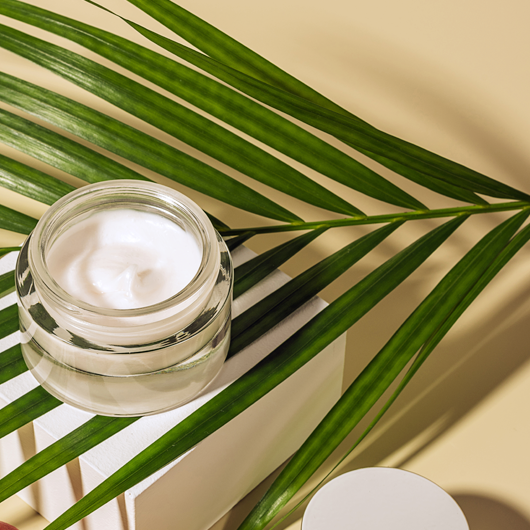


organic sun cream spf 50
As a scientist and founder deeply committed to the power of clean beauty, I've seen firsthand how the skincare industry often presents a false dichotomy: effective but full of harsh chemicals, or natural but lacking in tangible results. This couldn't be further from the truth. Your pursuit of youthful, radiant skin shouldn't require compromise. It demands informed choices backed by science and a genuine respect for your skin's health. That’s why understanding the protection you apply daily, especially from the sun, is paramount to achieving lasting anti-aging benefits.
Key Takeaways
- The belief that effective sun protection must contain harsh chemicals is outdated, as modern organic formulations can achieve high SPF with clean ingredients.
- Consistent use of a high-protection organic sun cream is the single most effective strategy for preventing premature aging.
- Choosing a sunscreen with SPF 50 from organic actives ensures you defend your skin without sacrificing health or performance.
- True anti-aging results come from daily sun protection that respects your skin's biology and uses transparent science.
The sun's rays are a primary driver of premature aging, but the right protection can be your most powerful ally. We're talking about more than just preventing sunburn; we're safeguarding your skin's future. Today, I want to guide you through why an organic sun cream spf 50 is not just a recommendation, but a non-negotiable cornerstone of any effective anti-aging regimen, especially when formulated with clean, potent ingredients.
Why Organic SPF 50 Is Non-Negotiable for Anti-Aging
How UV Damage Accelerates Wrinkles and Loss of Firmness
The sun's ultraviolet (UV) radiation is an invisible aggressor that impacts your skin's structure long before visible signs appear. UVA rays penetrate deeply, breaking down collagen and elastin. The proteins responsible for your skin's firmness and elasticity. This degradation is the root cause of fine lines, wrinkles, sagging, and a loss of that youthful bounce. UVB rays, while primarily causing sunburn, also contribute to skin damage and increase the risk of skin cancer. Consistent, daily exposure, even on cloudy days, accumulates damage over time, transforming smooth, supple skin into a complexion marked by premature aging. Protecting yourself with a broad-spectrum SPF 50 is your first and most important defense against this relentless cellular assault.
This cumulative damage doesn't just affect the surface; it impacts the skin's cellular machinery. Over time, UV exposure can lead to DNA damage within skin cells, impairing their ability to repair themselves and regenerate effectively. This cellular dysfunction is a significant factor in visible signs of aging like age spots and uneven skin tone. By actively shielding your skin with a high-factor, broad-spectrum sunscreen, you prevent this cascade of damage, allowing your skin's natural repair processes to work more efficiently and preserve its youthful appearance for longer.
The Superiority of Non-Nano Zinc Oxide for Daily Protection
When choosing an organic sun cream spf 50, the active ingredient matters immensely. Non-nano zinc oxide stands out as a superior choice for daily protection. Unlike chemical filters that absorb UV rays, zinc oxide acts as a physical barrier, reflecting and scattering both UVA and UVB rays away from your skin. The "non-nano" designation is key; it means the zinc oxide particles are too large to be absorbed into the bloodstream or penetrate the skin barrier, making it a safer, more stable option. This physical blocking action provides immediate protection upon application and is generally well-tolerated by all skin types, including sensitive and acne-prone complexions. It’s a cornerstone ingredient for effective, clean sun care.
The benefit of non-nano zinc oxide extends beyond its safety profile. It offers excellent broad-spectrum coverage, protecting against the full range of harmful UV rays. While older formulations could sometimes leave a noticeable white cast, advancements in micronization (while remaining non-nano) have significantly improved the cosmetic elegance of these mineral formulas. This makes them a practical and aesthetically pleasing choice for daily wear, even under makeup. Organizations like the Environmental Working Group (EWG) consistently recommend non-nano zinc oxide as a preferred sunscreen ingredient for its safety and efficacy, making it a smart choice for conscious skincare consumers.
Chemical vs. Mineral Sunscreen: What Really Protects Your Skin?

How Chemical Filters Absorb UV Rays. And Why Some Are Controversial
Chemical sunscreens work by absorbing UV radiation and converting it into heat, which is then released from the skin. Common chemical filters include ingredients like oxybenzone, avobenzone, octinoxate, and octisalate. While effective at blocking UV rays, concerns have arisen regarding the systemic absorption of some of these compounds. Studies have detected these chemicals in the bloodstream, urine, and breast milk after typical use, raising questions about their long-term health effects. Additionally, ingredients like oxybenzone and octinoxate have been linked to coral reef damage, leading to bans in popular tourist destinations like Hawaii. This makes them a less desirable choice for those seeking clean, environmentally conscious skincare options.
The absorption mechanism of chemical filters means they must be applied 15-20 minutes before sun exposure to become effective. Their controversial nature stems from potential endocrine disruption and allergic reactions reported by some individuals. For sensitive skin types or those prioritizing purity, the potential for irritation and the environmental impact associated with certain chemical filters make them a less appealing option. Understanding these differences is key to making an informed choice for your skin's health and the planet's well-being.
How Mineral Sunscreens Reflect UV and the Role of Non-Nano Zinc Oxide
In contrast to chemical filters, mineral sunscreens utilize active mineral ingredients. Primarily zinc oxide and titanium dioxide. To create a physical barrier on the skin's surface. These minerals work by scattering and reflecting UV rays, much like tiny mirrors, preventing them from penetrating the skin. This mechanism offers immediate protection upon application, making them ideal for quick sun exposure. The key advantage of mineral sunscreens lies in their safety and stability. Non-nano zinc oxide, in particular, is recognized by regulatory bodies and scientific communities as a safe and effective broad-spectrum UV filter. Its large particle size prevents it from being absorbed into the body, minimizing concerns about systemic exposure or endocrine disruption.
The formulation of mineral sunscreens has evolved significantly, addressing earlier concerns about texture and white cast. Modern formulas, especially those using non-nano zinc oxide, are often micronized to provide excellent coverage with improved cosmetic feel. They are celebrated for being gentle and suitable for even the most sensitive skin, including conditions like rosacea and eczema. Many natural sunscreen brands prioritize these mineral filters, aligning with a commitment to clean ingredients and environmental responsibility. Choosing a natural sunscreen with zinc oxide is a proactive step towards safeguarding your skin without compromise.
EWG-Verified Ingredients: What to Look for on the Label
Navigating the world of sunscreen ingredients can be overwhelming, but resources like the Environmental Working Group (EWG) provide invaluable guidance. The EWG's "EWG Verified" seal signifies that a product has undergone rigorous assessment for health and environmental safety, meeting their highest standards for transparency and efficacy. When selecting an organic sun cream spf 50, looking for this verification or checking the EWG's Skin Deep database can help you identify formulations free from concerning chemicals. Prioritizing ingredients that are EWG-Verified ensures you are choosing products that are not only effective but also align with a commitment to purity and safety.
When scrutinizing labels, actively seek out non-nano zinc oxide as your primary UV filter. Avoid ingredients flagged by the EWG for potential health or environmental concerns, such as oxybenzone, octinoxate, and synthetic fragrances. Opt for formulas with a short, recognizable ingredient list, prioritizing plant-derived oils, butters, and botanical extracts. The "natural sunscreen without chemicals" promise is best fulfilled by products that are transparent about their sourcing and formulation. For example, the Organic Frankincense Essential Oil, while not a sunscreen itself, exemplifies the purity and natural efficacy we value at Skin Perfection, inspiring our approach to all skincare formulations.
How to Choose the Best Organic SPF 50 for Your Face
Selecting the right daily protection for your face goes beyond grabbing any sunscreen off the shelf. Your facial skin is thinner, more reactive, and often more prone to congestion than the rest of your body. An organic sun cream spf 50 formulated for the face must meet several specific criteria to deliver genuine anti-aging benefits without compromising comfort or clarity. Understanding these differentiating factors transforms a routine purchase into a precision choice for your skin's long-term vitality.
Key Criteria: Non-Comedogenic, Broad-Spectrum, and Water-Resistant
Three non-negotiable attributes define a face-ready organic sunscreen. First, non-comedogenic formulations are specifically designed to avoid clogging pores, a common complaint with heavier body sunscreens. A product that is non-comedogenic uses lightweight, plant-derived emollients and avoids pore-clogging oils, making it suitable for daily use even on acne-prone or combination skin. This distinction is critical because a sunscreen that triggers breakouts will quickly be abandoned, leaving skin unprotected.
Second, broad-spectrum coverage is essential. This term indicates the product protects against both UVA and UVB rays. UVA rays penetrate deeply and cause premature aging, while UVB rays burn the skin's surface. A broad-spectrum natural sunscreen with zinc oxide ensures comprehensive defense against both types of damage. Third, water resistance is valuable for daily facial wear, as it helps the sunscreen maintain its protective barrier during perspiration or incidental water exposure. While not all routine days require extreme water resistance, a formula that offers forty minutes of water resistance provides durable protection for most daily activities.
Top Organic SPF 50 Sunscreens Compared (Active Ingredients, Texture, Price)
When evaluating organic sunscreens, the active ingredient and formulation base determine the user experience. The table below outlines key attributes to consider when selecting your daily face protection. Each option uses non-nano zinc oxide as the primary mineral filter, ensuring clean, effective coverage.
| Formulation Focus | Active Ingredient | Texture & Finish | Best Suited For |
|---|---|---|---|
| Everyday Lightweight | Non-nano zinc oxide (20-22%) | Sheer, matte finish; absorbs quickly | Oily, combination, and normal skin |
| Nourishing Protection | Non-nano zinc oxide (22-25%) | Creamy, semi-matte; blends easily | Dry, mature, or sensitive skin |
| Tinted Mineral | Non-nano zinc oxide + iron oxides | Silky, buildable; evens skin tone | All skin types; light coverage desired |
Price varies based on organic certification, concentration of active minerals, and additional botanical ingredients. A premium formulation often includes antioxidants like green tea or vitamin E to support protection. The goal is to find a formula that feels comfortable enough for consistent daily reapplication, as the best sunscreen is the one you will wear every day.
Why Face-Specific Formulas Matter for Layering Under Makeup
Facial sunscreen must integrate seamlessly with your existing skincare and makeup routine. Body sunscreens are often thicker, greasier, and may contain fragrances that can irritate facial skin or cause makeup to pill. A face-specific best chemical-free sunscreen for face uses lighter, more elegant bases such as aloe vera, jojoba esters, or squalane. These ingredients provide hydration without heaviness, allowing makeup to glide on smoothly afterward. The texture should feel like a moisturizer, not a pasty barrier.
Layering order matters for both protection and cosmetic finish. Apply your treatment serum first, then moisturizer, and finally sunscreen. Allowing each layer to absorb for a minute before applying the next prevents pilling. For those using retinol or potent peptides, a face-specific sunscreen is especially important because it must be gentle enough to avoid further irritation while strong enough to shield newly sensitized skin. The Organic Frankincense Essential Oil complements this routine beautifully when added to your evening moisturizer, supporting skin regeneration while your daytime sunscreen provides essential protection.
The Right Way to Apply Organic Sunscreen for Maximum Protection
Applying your organic sun cream spf 50 correctly is just as important as choosing the right one. Even the most advanced formulation needs proper application to deliver its full protective potential. Many people underestimate the amount needed or miss crucial reapplication windows, leaving their skin vulnerable. Understanding these application techniques ensures you receive the effective, anti-aging defense you expect from a high-quality broad-spectrum sunscreen.
As Kari Thomas, I emphasize that sunscreen is the foundational step in any anti-aging regimen. It’s not an optional add-on; it's the primary shield that allows other treatments to work effectively. By mastering application and reapplication, you significantly boost your skin’s resilience against photodamage, preserving its youthful structure and clarity for years to come. Let's break down how to get the most out of your daily sun protection.
How Much to Apply and When to Reapply for SPF 50 Efficacy
The general recommendation for adequate sun protection is to apply approximately two milligrams of sunscreen per square centimeter of skin. For the face alone, this translates to about a half-teaspoon, or a generous amount that forms a visible layer before rubbing in. Many studies suggest people apply far less than this, significantly reducing the stated SPF protection. A common mistake is to use too little, which can mean you're only getting SPF 15 or 20 protection, even from an SPF 50 product. Be liberal with your application, ensuring all exposed areas are covered evenly.
Reapplication is critical, especially after sweating, swimming, or towel-drying, and typically every two hours when exposed to direct sunlight. Even water-resistant formulas lose efficacy over time. For daily, incidental sun exposure, reapplying once mid-day can be sufficient. However, if you are outdoors for extended periods, engaging in activities, or spending time near reflective surfaces like water or snow, more frequent reapplication is essential to maintain optimal protection. This consistent renewal of the protective barrier is key to preventing the cumulative UV damage that accelerates aging.
Layering Order: Serum, Moisturizer, Sunscreen. And Why Retinol Changes the Rules
The order in which you apply skincare products affects their penetration and efficacy. A well-structured morning routine typically begins with cleansing, followed by treatment serums (like those rich in peptides or Vitamin C), then moisturizer, and finally, sunscreen. Applying serums first allows their active ingredients to penetrate the skin more effectively. Moisturizer then seals in hydration and supports the skin barrier. Sunscreen, being the final protective layer, sits on top to block UV rays.
When incorporating retinoids or alpha hydroxy acids (AHAs) like glycolic acid, sunscreen becomes even more indispensable. These potent actives increase skin cell turnover and can make your skin more sensitive to UV radiation. Applying them at night is generally recommended. In the morning, a high-factor sunscreen is non-negotiable to protect the newly revealed, more photosensitive skin. The Organic Frankincense Essential Oil can be a valuable addition to your nighttime routine, working synergistically with cell-regenerating treatments, while your daytime organic sun cream spf 50 ensures comprehensive protection against sun-induced damage.
Avoiding White Cast: Application Techniques for Natural Zinc Formulas
One common concern with mineral sunscreens, particularly those using zinc oxide, is the potential for a white cast, which can make skin appear ashy or unnatural. While formulations have improved dramatically, the physical barrier created by zinc oxide can still leave a residue if not applied correctly. The key is to apply the sunscreen in thin layers, allowing each layer to absorb or blend in before applying the next. Start by dotting the sunscreen onto your face and then gently patting and blending it outwards.
References
Frequently Asked Questions About Organic Sun Cream SPF 50

As a proponent of clean beauty and effective skincare, I understand that navigating sun protection options can bring up many questions. Ensuring your daily defense is both safe and effective is paramount for maintaining youthful, healthy skin. Here, I address some of the most common inquiries I receive regarding organic sunscreens and SPF 50 protection.
Is SPF 50 Really Necessary or Is SPF 30 Enough?
While SPF 30 filters out about 97% of UVB rays, SPF 50 filters out approximately 98%. This might seem like a small difference, but for individuals focused on anti-aging and preventing cumulative damage, that extra 1% can be significant over time. The EWG, a leading organization for environmental health, often recommends SPF 30 as a minimum, but higher SPFs like 50 provide a greater margin of error. It accounts for potential under-application or uneven coverage, ensuring you maintain a higher level of protection. For daily use and serious anti-aging goals, SPF 50 is the superior choice.
Can I Use the Same Sunscreen on My Face and Body?
While technically possible, it’s often not ideal. Body sunscreens can be formulated with heavier emollients or fragrances that might clog pores on facial skin, leading to breakouts or irritation. Facial skin is also typically more sensitive and prone to showing signs of aging earlier. A dedicated facial sunscreen, like a best chemical-free sunscreen for face, is usually formulated with lighter textures, non-comedogenic ingredients, and often includes beneficial antioxidants tailored for the delicate facial complexion. It’s best to use a product specifically designed for your face for optimal comfort and results.
Is Organic Sunscreen Safe for Sensitive Skin and Pregnancy?
Yes, organic mineral sunscreens are generally considered the safest option for sensitive skin and during pregnancy. They use physical blockers like non-nano zinc oxide and titanium dioxide, which sit on top of the skin rather than being absorbed. This minimizes the risk of allergic reactions or irritation, which can be common with chemical filters. Many research sources, including those cited by the FDA, point to mineral sunscreens as being well-tolerated. For pregnant individuals, avoiding potentially endocrine-disrupting chemicals like oxybenzone is a priority, making a natural sunscreen without chemicals the preferred choice. Always check ingredient lists for purity.
How Do I Know if a Sunscreen Is Truly Reef-Safe?
Reef-safe sunscreens are formulated without ingredients known to harm coral reefs and marine ecosystems. The primary culprits are oxybenzone and octinoxate, which have been banned in places like Hawaii to protect coral. Look for sunscreens that explicitly state they are "reef-safe" or "reef-friendly" and verify that their active ingredients are limited to non-nano zinc oxide and/or titanium dioxide. The term "non-nano" is crucial, as even mineral particles can potentially cause harm if small enough to be absorbed by coral. Choosing an organic sun cream spf 50 that is EWG-verified or certified by reputable environmental organizations offers an additional layer of assurance regarding its safety for both your skin and the planet.
Frequently Asked Questions
What is the best organic natural sunscreen?
The best organic natural sunscreen is one formulated with non-nano zinc oxide as the active ingredient. Non-nano zinc oxide provides a physical barrier that reflects both UVA and UVB rays without absorbing into your skin. I recommend looking for a broad-spectrum SPF 50 formula free from chemical filters like oxybenzone.
What mineral sunscreen is best for rosacea?
The best mineral sunscreen for rosacea is a non-nano zinc oxide formula with SPF 50. Mineral sunscreens sit on top of the skin and are less likely to cause irritation. I suggest choosing one with added soothing ingredients like aloe or chamomile for extra comfort.
Which mineral sunscreen is best for melasma?
The best mineral sunscreen for melasma is a broad-spectrum non-nano zinc oxide formula with high SPF 50 protection. Since melasma is triggered by UV and visible light, a physical blocker like zinc oxide provides the most complete coverage. I recommend daily use and reapplication every two hours when outdoors.
What is the healthiest brand of sunscreen?
The healthiest brand of sunscreen prioritizes non-nano zinc oxide and avoids controversial chemical filters. I look for brands that are transparent about ingredients and have clean formulations without parabens or synthetic fragrances. Skin Perfection, for example, offers an organic sun cream SPF 50 that meets these high standards.
What is the least toxic brand of sunscreen?
The least toxic brand of sunscreen uses non-nano zinc oxide as its active ingredient and avoids chemical UV filters like oxybenzone and octinoxate. These physical blockers are considered safe by organizations like the Environmental Working Group. I recommend choosing a fragrance-free formula with simple, clean ingredients.
Why is organic SPF 50 important for anti-aging?
Organic SPF 50 is important for anti-aging because it prevents UV damage that breaks down collagen and elastin in the skin. Daily use of a high-factor, broad-spectrum mineral sunscreen protects against fine lines, wrinkles, and loss of firmness. I always say that sun protection is the most powerful anti-aging step you can take.