

 Buy with Prime
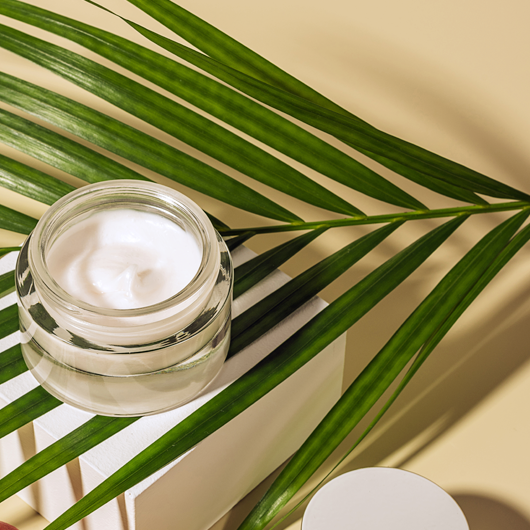


As a formulator, I understand the constant drive for innovation and the desire to harness the most potent ingredients for visible results. The eye area, with its delicate skin and constant motion, presents a unique challenge and opportunity. We're always seeking advanced solutions that can truly make a difference, moving beyond surface-level hydration to promote regeneration and resilience. In the pursuit of that youthful glow, one category has generated significant buzz: stem cell eye creams. But what exactly are they, and how do they work? This guide aims to demystify the science behind these advanced formulations, offering clarity and actionable insights for 2026.
The promise of stem cells in skincare is profound. Replicating the body's natural repair mechanisms. Yet, the market can be saturated with marketing claims that obscure the scientific reality. My goal is to cut through the noise, providing you with the foundational knowledge needed to understand and formulate effectively with these powerful ingredients. We’ll explore the science, compare ingredient sources, and detail the proven benefits, ensuring you can confidently create products that deliver on their promise.
What Are Stem Cell Eye Creams? Defining the Science and the Hype
Key Insight
Stem cell eye creams utilize extracts derived from stem cells, not live stem cells themselves. These extracts contain signaling molecules like growth factors and peptides that communicate with skin cells to promote repair and rejuvenation.
Do stem cell eye creams actually contain live stem cells?
It's a common misconception that stem cell eye creams contain live, active stem cells. In cosmetic science, the term "stem cell extract" refers to the potent collection of signaling molecules. Such as growth factors, cytokines, and peptides. That are secreted by stem cells. These components are harvested from cell cultures, typically from plant or human sources, and then stabilized for use in skincare formulations. The process involves cultivating stem cells in a laboratory setting and collecting the beneficial compounds they release into their environment. These powerful signaling proteins are what provide the skin-renewing benefits, not the cells themselves. Therefore, you won't find live, undifferentiated cells in your eye cream; rather, you’ll find their potent, beneficial secretions.
How stem cell extracts signal skin rejuvenation
Stem cell extracts function as sophisticated communication tools for your skin. The eye area, a region notably thinner than the rest of the face. Often around 0.5mm compared to 2mm elsewhere. Is particularly susceptible to visible signs of aging. The constant activity, from blinking approximately 15,000-20,000 times daily, can exacerbate fine lines and wrinkles. Stem cell extracts deliver specific signaling molecules that mimic the body's natural repair processes. These molecules bind to receptors on skin cells, initiating a cascade of biological responses. They can signal fibroblasts to increase collagen and elastin production, boost cellular turnover, and promote a more organized extracellular matrix. This targeted communication helps to rebuild the skin's structure from within, addressing concerns like loss of firmness, wrinkles, and uneven texture.
Key Terminology
- Growth Factors: Proteins that signal cells to grow, divide, and differentiate. In skincare, they can stimulate collagen production and cell repair.
- Cytokines: Signaling proteins that regulate cell-to-cell communication, important for immune response and tissue repair. In stem cell extracts, they can help reduce inflammation and promote healing.
- Peptides: Short chains of amino acids that act as messengers, signaling the skin to produce more collagen or perform other specific functions.
- Conditioned Media: The liquid medium in which stem cells have been cultured, rich in secreted growth factors, cytokines, and other beneficial molecules.
Comparing Stem Cell Sources for Cosmetic Formulation

When formulating with stem cell technology, understanding the origin of these potent extracts is paramount. The source dictates not only the specific profile of active compounds but also influences ethical considerations, cost, and regulatory perspectives. Formulators have several primary avenues to explore, each with its own advantages and limitations. These choices directly impact the efficacy and market positioning of the final product, particularly for a sensitive area like the eyes.
| Source Type | Description | Key Benefits | Considerations | Example Ingredient |
|---|---|---|---|---|
| Plant Stem Cell Extracts (Botanical Stem Cells) | Derived from the meristematic tissue of plants, which contains undifferentiated plant cells. These are highly resilient and can regenerate throughout the plant's life. | Rich in antioxidants, peptides, and proteins. Excellent for protection against environmental stressors and promoting skin vitality. Often more stable and cost-effective. | Do not contain human-derived growth factors. Efficacy can vary greatly by plant species and extraction method. Ethical sourcing is generally straightforward. | Malus Domestica (Apple), Argania Spinosa (Argan), Leontopodium Alpinum (Edelweiss) |
| Human Mesenchymal Stem Cell (hMSC) Conditioned Media | The culture medium containing secreted factors from human adult stem cells, typically sourced from adipose tissue or bone marrow. These cells are known for their regenerative and immunomodulatory properties. | Contains a high concentration of human-derived growth factors, cytokines, and exosomes that are biologically similar to human skin signaling pathways. Excellent for deep repair and rejuvenation. | Higher cost and complex sourcing. Ethical considerations and regulatory scrutiny are more significant. Requires careful handling to maintain stability and purity. | hMSC-derived Exosomes, hMSC-derived Growth Factors |
| Synthetic Peptide Complexes and Growth Factors | Lab-created molecules designed to mimic the signaling functions of natural growth factors and peptides found in stem cell secretions. These are bio-engineered to target specific skin concerns. | Highly specific in their action, allowing for precise targeting of issues like wrinkles, firmness, and pigmentation. Offer excellent stability and consistency. Cost-effective and ethically neutral. | May not possess the full spectrum of benefits found in complex biological extracts. Can sometimes be perceived as less "natural" by consumers, though scientifically advanced. | Palmitoyl Tripeptide-1, Palmitoyl Tetrapeptide-7, Epidermal Growth Factor (EGF) analogs |
Plant stem cell extracts (botanical stem cells)
Plant stem cells offer a compelling, ethically sourced alternative for advanced skincare. These extracts are derived from the undifferentiated cells found in the meristematic tissues of plants, which are responsible for growth and regeneration. They are rich in antioxidants, amino acids, and signaling molecules that protect the plant from environmental damage and promote repair. When incorporated into eye creams, they can shield the skin from oxidative stress, support cellular regeneration, and contribute to a more resilient complexion. Formulations often utilize ingredients like apple stem cells, known for their longevity properties, or edelweiss stem cells, prized for their protective and antioxidant capabilities.
Human mesenchymal stem cell conditioned media
Human Mesenchymal Stem Cell (hMSC) conditioned media represents the cutting edge in bio-active skincare ingredients. This potent substance is the liquid byproduct of culturing human adult stem cells, and it is teeming with beneficial growth factors, cytokines, exosomes, and peptides. These components are biologically identical to those found naturally in youthful skin, making them exceptionally effective at signaling cellular repair and regeneration. For the delicate eye area, hMSC conditioned media can provide significant benefits, including enhanced collagen synthesis, reduced inflammation, and improved skin texture. Its high efficacy stems from its ability to communicate directly with human skin cells, promoting a younger, healthier appearance.
Synthetic peptide complexes and growth factors
Synthetic peptide complexes and growth factors offer formulators precision-engineered solutions. These ingredients are meticulously designed in laboratories to mimic the specific functions of naturally occurring signaling molecules. For example, certain synthetic peptides can effectively signal the skin to boost collagen production, relax micro-muscles that cause expression lines, or inhibit melanin synthesis. Growth factor analogs can support cell proliferation and repair processes. Their advantage lies in their high degree of purity, stability, and targeted action. This allows for predictable results and the ability to create formulations that address very specific concerns, such as fine lines, loss of elasticity, or dark circles, without the complexities associated with sourcing biological materials.
Proven Benefits of Stem Cell Extracts for the Eye Area
The application of stem cell extracts in eye creams is driven by their remarkable capacity to address the multifactorial aging process specific to this delicate region. Beyond general anti-aging, these ingredients offer targeted improvements for common concerns like fine lines, firmness, dark circles, and puffiness. The science supports their efficacy, providing a foundation for formulating products that deliver visible, measurable results.
Smoothing fine lines and building firmness
The thinning skin around the eyes, combined with thousands of daily facial movements, makes it a prime area for the development of fine lines and wrinkles. Stem cell extracts, particularly those rich in growth factors and peptides, play a role in combating these signs of aging. They stimulate fibroblasts to produce new collagen and elastin, the essential proteins that provide skin with its structure, elasticity, and firmness. A study noted that a 2% concentration of certain stem cell extracts demonstrated a 15% reduction in wrinkle depth after just four weeks of use. By replenishing these structural components, stem cell ingredients help to plump the skin from within, visibly softening crow's feet and other fine lines, leading to a smoother, more taut appearance.
Key Statistics
- A 2% concentration of certain stem cell extracts showed a 15% reduction in wrinkle depth after 4 weeks (source: naturalorganicskincare.com).
- The eye area is approximately 0.5mm thick, making it more susceptible to visible aging than thicker facial skin.
Targeting dark circles and under-eye puffiness
Dark circles and under-eye puffiness are often caused by a combination of factors, including poor circulation, thinning skin that makes blood vessels more visible, inflammation, and fluid retention. Stem cell extracts can help mitigate these issues through multiple mechanisms. Certain growth factors and cytokines possess anti-inflammatory properties, which can reduce swelling and puffiness. Furthermore, by improving skin density and collagen production, they can create a thicker barrier, making underlying blood vessels less apparent, thereby diminishing the appearance of dark circles. For example, Cell Forté Eye Crème reported a significant improvement, with 74% of users experiencing a reduction in dark circles after 8 weeks of use (source: angelacaglia.com). This comprehensive action makes stem cell ingredients invaluable for achieving a brighter, more rested look.
Clinical data: Separating marketing from measurable results
In the competitive cosmetic market, differentiating genuine efficacy from marketing hype is essential for formulators. Clinical data provides the objective evidence needed to validate product claims. Studies on stem cell extracts, like those found in formulations such as Cell Forté Eye Crème, demonstrate quantifiable improvements. For instance, the 74% improvement in dark circles after 8 weeks cited above, alongside the wrinkle reduction percentages, highlights the measurable impact these ingredients can have. When selecting ingredients, formulators should look for extracts backed by independent studies that specify concentrations, test durations, and observed outcomes. This commitment to evidence-based formulation ensures that products not only sound advanced but also perform exceptionally well, building trust with consumers seeking tangible anti-aging results in their eye care.
Indicative Clinical Outcomes
While specific results vary by formulation and ingredient source, typical clinical observations for stem cell extracts in eye area treatments include:
- Wrinkle Reduction: Visible softening of fine lines and crow's feet, often measured by a percentage decrease in wrinkle depth.
- Firmness Improvement: Increased skin elasticity and a feeling of reduced sagging, supported by collagen and elastin synthesis.
- Dark Circle Reduction: Diminished appearance of under-eye shadows due to improved skin density and circulation.
- Hydration & Texture: Enhanced skin moisture levels and a smoother, more refined skin surface.
Note: These are generalized outcomes. Specific clinical trials for individual ingredients or finished products provide precise data.
Formulation Strategies: Concentration, Stability, and Synergy
As formulators, our mission is to translate the potential of advanced ingredients like stem cell extracts into tangible, visible results for the consumer. For the delicate eye area, achieving this requires a nuanced understanding of effective concentrations, ingredient stability, and how to orchestrate a symphony of actives. Simply including an ingredient is insufficient; its performance hinges on precise formulation choices that respect its inherent properties and maximize its delivery. This section provides actionable guidance to ensure your eye cream formulations are not just compliant with claims but are scientifically sound and exceptionally effective.
The efficacy of stem cell extracts is directly tied to their concentration within a formulation. While specific percentages can vary based on the exact type of extract and its source (plant, human-derived, or synthetic), general guidelines exist for achieving a noticeable impact. For many plant-derived stem cell extracts, concentrations ranging from 1% to 3% are often cited in research for antioxidant and protective benefits. However, for more potent signaling effects, particularly with human mesenchymal stem cell conditioned media or advanced synthetic growth factors, concentrations might be lower, often in the 0.5% to 1.5% range, due to their high bioactivity. It's essential to consult supplier data for their specific recommendations, as over-concentration can sometimes lead to irritation without proportional benefit, and under-concentration will yield no discernible results. Choosing the right concentration is a key step in formulating a successful Stem Cell Eye Cream: A Formulator's Guide for 2026.
Effective Concentration Guidelines for Stem Cell Extracts
These are general recommendations; always refer to supplier specifications for precise usage rates.
| Ingredient Type | Typical Concentration Range | Primary Benefits Targeted |
|---|---|---|
| Plant Stem Cell Extracts (e.g., Apple, Edelweiss) | 1.0% - 3.0% | Antioxidant protection, environmental defense, skin vitality, hydration support. |
| Human MSC Conditioned Media / Exosomes | 0.5% - 1.5% | Deep cellular repair, collagen stimulation, firmness improvement, inflammation reduction. |
| Synthetic Growth Factor Analogs / Peptides | 0.1% - 1.0% | Targeted signaling for wrinkle reduction, firmness, cell turnover, specific repair pathways. |
Overcoming stability, pH, and preservation challenges
Maintaining the integrity of stem cell extracts within an eye cream formulation presents unique challenges. Many of these bio-active molecules, particularly growth factors and peptides, can be sensitive to heat, light, extreme pH levels, and oxidative stress. Formulators must carefully consider the pH of the final product; most stem cell components perform best within a slightly acidic to neutral pH range (typically 5.0-7.0), but this must be balanced with the desired pH for other ingredients and the overall skin compatibility of the product. Incorporating antioxidants, such as Vitamin E or ferulic acid, can help protect sensitive ingredients from degradation. Furthermore, the choice of preservative system is critical. Opting for broad-spectrum, gentle preservatives that do not negatively impact the stability of the stem cell actives is paramount. Cold processing techniques, where heat-sensitive ingredients are added at the final stages of emulsion cooling, are often employed to preserve their potency.
Synergistic pairing with retinol, peptides, and caffeine
To amplify the benefits for the eye area, stem cell extracts can be synergistically paired with other well-established actives. Retinol, known for its powerful cell-communicating and collagen-boosting properties, works exceptionally well with stem cell signals to accelerate skin renewal and firmness. However, their combination requires careful formulation to manage potential irritation; using encapsulated retinol or lower concentrations can mitigate this. When combining different peptide types, it’s important to ensure they target complementary pathways. For example, pairing signaling peptides from stem cell extracts with neurotransmitter-inhibiting peptides (like Argireline) can provide a dual action on expression lines. Caffeine is another excellent partner, known for its vasoconstrictive properties that help reduce puffiness and improve the appearance of dark circles by constricting blood vessels. For example, our PhytoCellTec Malus Domestica - Apple Stem Cells can be beautifully complemented by these actives. A comprehensive formulation checklist is key to ensuring all components work harmoniously.
Formulation Checklist for Advanced Eye Creams
- Ingredient Sourcing: Verify supplier credentials, purity, and stability data for stem cell extracts.
- Concentration Verification: Confirm recommended usage rates and research supporting efficacy at chosen levels.
- pH Balance: Ensure the final product pH is within the optimal range for both stem cell actives and skin tolerance (typically 5.0-7.0).
- Stability Testing: Conduct accelerated stability tests to assess ingredient integrity under various conditions (heat, light, oxidation).
- Preservative Efficacy: Select a preservative system that is effective against microbial contamination without compromising active ingredient stability.
- Synergistic Actives: Carefully select and dose complementary ingredients like retinol, peptides, and caffeine, considering potential interactions.
- Delivery Systems: Consider encapsulation or liposomal delivery for actives that are sensitive or require enhanced penetration.
- Sensory Profile: Ensure the final texture is appropriate for the eye area. Non-greasy, easily absorbed, and non-irritating.
The 2026 Regulatory Landscape for Stem Cell Skincare Claims

Navigating the regulatory environment for skincare, especially with advanced ingredients like stem cell extracts, is a critical aspect of formulation. As we look towards 2026, understanding the distinctions between cosmetic claims and drug claims, and adhering to established guidelines, is paramount. The cosmetic industry operates under different rules than pharmaceuticals, and misrepresenting a product's function can lead to significant compliance issues. For stem cell-derived ingredients, the key is to focus on their cosmetic benefits. Improving appearance, texture, and signs of aging. Rather than making claims that suggest a therapeutic or medical effect, which would classify the product as a drug.
The International Society for Stem Cell Research (ISSCR) provides guidelines that, while primarily aimed at clinical research, influence the ethical considerations and scientific understanding within the cosmetic industry. For formulators, this translates to ensuring that any ingredient marketed as stem cell-derived is indeed a safe and well-characterized extract or conditioned media, not live cells or unproven regenerative therapies. The U.S. Food and Drug Administration (FDA) regulates cosmetics, defining them as articles intended to be rubbed, poured, sprinkled, or sprayed on, introduced into, or otherwise applied to the human body for cleansing, beautifying, promoting attractiveness, or altering the appearance. Claims related to skin repair, regeneration, or cellular function must be carefully worded to remain within cosmetic boundaries. For example, stating "reduces the appearance of wrinkles" is a cosmetic claim, whereas "regenerates skin cells" could be interpreted as a drug claim if not substantiated and framed appropriately.
Compliance Checklist for Stem Cell Skincare Claims
- Cosmetic vs. Drug Claims: Ensure all claims focus on appearance enhancement (e.g., "smoothes," "firms," "brightens") rather than treating disease or altering skin structure in a medical sense.
- Ingredient Transparency: Accurately list all ingredients on the INCI list. If using conditioned media, specify the source (e.g., Human Cell Conditioned Media).
- Substantiation: Maintain documentation (clinical studies, supplier data) to support all performance claims made about the product.
- Labeling Accuracy: Avoid misleading terms. If using plant stem cells, clearly state the plant source (e.g., "Malus Domestica Fruit Cell Culture Extract").
- FDA Guidelines: Stay informed about current FDA regulations regarding cosmetic product claims and ingredient definitions.
- ISSCR Awareness: Understand the ethical implications and scientific standards set forth by organizations like ISSCR for stem cell research and application.
Compliant labeling: What you can and cannot say
Accurate and compliant labeling is non-negotiable when marketing products containing sophisticated ingredients like stem cell extracts. The language used on packaging, marketing materials, and websites must be precise. You can state that a product contains ingredients that "support the skin's natural renewal process," "help improve the appearance of fine lines and wrinkles," or "promote a firmer, more youthful look." These phrases describe observable cosmetic effects. Conversely, you must avoid claims that imply the product contains live stem cells, which is technically inaccurate for cosmetic applications and can be misleading. Also, refrain from making definitive statements about "regenerating" or "rebuilding" skin cells in a way that suggests a medical intervention. For example, instead of "stem cells rebuild your skin," opt for "our advanced formulation signals the skin to support its natural collagen production for improved firmness." The use of the term "extract" or "conditioned media" is key for accuracy, especially when discussing ingredients like PhytoCellTec Malus Domestica - Apple Stem Cells. Transparency builds trust and ensures your product remains classified as a cosmetic.
Dos and Don'ts for Stem Cell Skincare Claims
| Do | Don't |
|---|---|
| Use "improves the look of," "reduces the appearance of," "supports skin's natural." | Use "regenerates," "rebuilds," "restores" (implies medical treatment). |
| Specify the source (e.g., "Plant Stem Cell Extract," "Human Cell Conditioned Media"). | Imply the presence of live stem cells. |
| Focus on visible results like smoother texture, reduced wrinkles, improved firmness. | Claim to treat or cure skin conditions. |
| Use terms like "signaling molecules," "growth factors," "peptides" to describe active components. | Make claims that require FDA drug approval without undergoing the drug approval process. |
| Ensure ingredient lists are accurate and follow INCI conventions. | Use vague or unsubstantiated marketing jargon. |
Professional vs. At-Home Formulation: Sourcing and Safety
As a formulator, the journey to creating an effective Stem Cell Eye Cream: A Formulator's Guide for 2026 involves choices regarding complexity and scale. Whether you are a seasoned professional in a lab setting or a dedicated enthusiast working from home, the principles of sourcing high-quality ingredients and ensuring product safety remain paramount. Understanding the different pathways to formulation. From working with pre-made bases to custom blending raw materials. Allows for informed decisions that align with your resources, expertise, and commitment to clean beauty. Each approach presents unique opportunities and challenges, particularly when dealing with advanced ingredients like stem cell extracts intended for the delicate eye area.
Working with pre-made bases and targeted boosters
For many formulators, especially those new to advanced ingredients or operating with limited resources, utilizing pre-made cosmetic bases offers a practical entry point. These bases are typically well-formulated emulsions or serums that provide a stable foundation of hydration, emulsifiers, and preservatives. The true artistry then lies in selecting and incorporating targeted boosters, such as concentrated stem cell extracts or peptide complexes. This method significantly simplifies the formulation process by removing the need to develop a complex base from scratch. It allows formulators to focus on the efficacy-enhancing actives, ensuring that ingredients like our PhytoCellTec Malus Domestica - Apple Stem Cells are added at their optimal concentration to deliver visible results without compromising the integrity of the base.
Sourcing raw stem cell extracts for custom formulation
For those aiming for complete control over their formulations, sourcing raw stem cell extracts or conditioned media for custom blending is the path to take. This requires a deeper understanding of ingredient specifications, stability, and compatibility. Reputable suppliers are essential; they should provide detailed Certificates of Analysis (CoA) confirming purity, concentration, and absence of contaminants. When sourcing, consider the origin (plant, human-derived, or synthetic) and the specific extraction or culturing methods used, as these directly impact the bioactivity and profile of the resulting compounds. Working with raw materials demands meticulous attention to pH, temperature, and potential interactions with other ingredients to ensure the final product is both stable and effective. This is where the true science of formulation comes to life, allowing for precise ratios and synergistic combinations.
Custom vs. Base Formulation for Eye Creams
Pros
- Pre-made Bases: Faster development time, lower initial complexity, greater accessibility for beginners, reduced risk of base formulation errors.
- Raw Extracts: Complete control over ingredient ratios and final product profile, potential for unique and highly potent formulations, deeper understanding of ingredient interactions.
Cons
- Pre-made Bases: Limited customization in the base itself, potential for proprietary ingredients in the base that are not fully disclosed, may not align perfectly with all desired performance claims.
- Raw Extracts: Requires significant formulation expertise, higher risk of instability or contamination if not handled correctly, longer development cycles, more rigorous sourcing and quality control needed.
Equipment and safety protocols for sensitive eye areas
Formulating for the eye area necessitates an elevated standard of hygiene and precision. Equipment must be thoroughly sterilized to prevent microbial contamination, which can lead to serious ocular issues. Essential tools include accurate scales for precise ingredient measurement (down to 0.01g), pH meters for ensuring product compatibility, and appropriate mixing vessels. For emulsions, homogenizers or high-shear mixers may be required. Safety protocols extend beyond sterile equipment; personal protective equipment such as gloves and eye protection is essential when handling raw ingredients. Furthermore, understanding the potential for irritation around the eyes means thorough patch testing and careful selection of preservatives and other excipients are critical. When working with advanced ingredients, it is also wise to consider temperature-controlled environments for mixing and storage to maintain ingredient integrity, especially for sensitive actives like those found in stem cell extracts.
Frequently Asked Questions About Stem Cell Eye Creams
As formulators and consumers alike delve deeper into the science of advanced skincare, specific questions about stem cell eye creams naturally arise. Addressing these common queries directly provides clarity and reinforces the scientific basis behind these potent formulations. Understanding the nuances of ingredient concentration, safety for sensitive skin, and comparisons to other actives helps demystify the technology and inform better formulation and usage decisions.
What concentration of stem cell extract is clinically effective?
The clinically effective concentration of stem cell extracts varies significantly based on the source and type of extract. For plant-derived stem cells, concentrations typically range from 1% to 3% to provide antioxidant and protective benefits. However, highly bio-active ingredients like human mesenchymal stem cell conditioned media or specific synthetic growth factor analogs may achieve significant results at lower concentrations, often between 0.5% and 1.5%. It's crucial for formulators to consult supplier data, as they provide specific usage recommendations backed by their own research and stability testing. Exceeding recommended concentrations does not always equate to increased efficacy and can sometimes lead to irritation or instability. For example, a 2% concentration of certain stem cell extracts has been noted to reduce wrinkle depth by 15% in four weeks, highlighting that even moderate levels can yield measurable results, as per industry trend insights.
Are stem cell eye creams safe for sensitive skin?
Generally, stem cell eye creams formulated with high-quality, well-purified extracts can be safe for sensitive skin, especially when designed with the eye area's delicate nature in mind. Plant-derived stem cells and carefully synthesized peptide complexes are often well-tolerated. However, the overall safety profile depends heavily on the complete formulation, including preservatives, emulsifiers, and fragrance. For sensitive skin, it is always advisable to opt for fragrance-free products and those with minimal, gentle preservatives. Ingredients derived from human sources, like conditioned media, are biologically compatible with human skin, potentially reducing the risk of adverse reactions. Nonetheless, individual sensitivities can occur, making patch testing a recommended first step for anyone with a history of skin reactivity. Formulators must prioritize clean ingredients and gentle processing to ensure maximum tolerability.
How does stem cell extract compare to pure retinol?
Stem cell extracts and pure retinol offer distinct yet complementary pathways to skin rejuvenation. Retinol is a powerful exfoliant and cell-communicator that significantly boosts collagen production and accelerates skin cell turnover, effectively smoothing wrinkles and improving skin texture. Stem cell extracts, on the other hand, work by signaling the skin's natural repair mechanisms, providing growth factors and peptides that support cellular function, reduce inflammation, and improve the skin's inherent regenerative capacity. While retinol can sometimes cause irritation, redness, and peeling, especially in the sensitive eye area, stem cell extracts are typically gentler and focus on supporting the skin's own healing processes. For optimal results, these actives are often combined; stem cell extracts can help mitigate retinol-induced irritation while amplifying the overall anti-aging benefits for a comprehensive approach to skin health and appearance. For example, combining PhytoCellTec Malus Domestica - Apple Stem Cells with a stabilized retinol can yield superior outcomes compared to using either ingredient alone.
Additional Frequently Asked Questions
-
Q: What concentration of stem cell extract is clinically effective?
A: Effective concentrations vary by source; plant-based extracts often range from 1-3%, while human-derived or synthetic actives may be effective at 0.5-1.5%. Always consult supplier recommendations. -
Q: Are stem cell eye creams safe for sensitive skin?
A: Generally yes, if formulated cleanly with gentle ingredients. Plant-derived and synthetic options are often well-tolerated. Patch testing is advised. -
Q: How does stem cell extract compare to pure retinol?
A: Retinol accelerates turnover and boosts collagen; stem cell extracts signal natural repair. They offer different but complementary benefits, with stem cells often being gentler.
For more in-depth formulation guidance on combining advanced ingredients, please refer to our section on Formulation Strategies: Concentration, Stability, and Synergy.