

 Buy with Prime
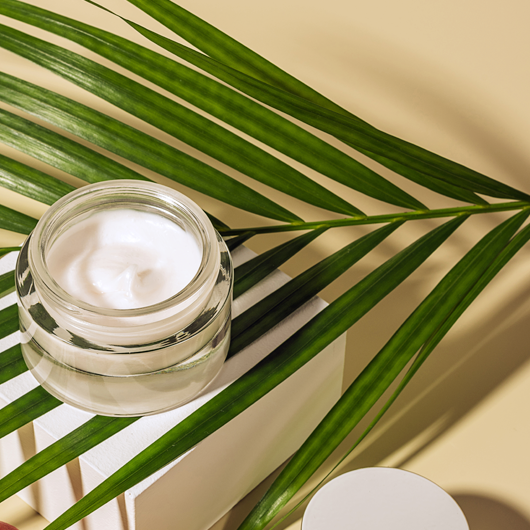


Top hydroxy acid products for even tone.
Top hydroxy acid products for even tone should balance exfoliation with a formula your skin can tolerate consistently. The right choice depends on the acid’s molecular size, concentration and pH, and ingredients that support your skin barrier.
These five formula types are compared by intended use and formulation details, not percentage alone. The featured Skin Perfection formula is a glycolic moisturizer; the other picks are identified by the formula types provided, not independently verified product labels.
How We Chose the Top Hydroxy Acid Products for Even Tone
A thoughtful acid selection takes more than the front-label percentage. We considered molecular weight, acid concentration and pH, intended skin concern, and ingredients that may limit dryness. Performance still depends on the finished formula, including how much acid is available to the skin.
The Molecular Ladder: Why Acid Size Matters for Pigmentation
Glycolic acid has a molecular weight of 76 Da, the smallest among alpha hydroxy acids, and can penetrate the epidermis relatively quickly. Mandelic acid is 152 Da, almost twice as large, so it moves more slowly through surface layers and may be gentler for reactive complexions. Lactic acid, at 90 Da, sits between them by molecular size and is often selected for formulas pairing exfoliation with hydration. These differences inform likely feel and use, but do not guarantee an outcome or mean one acid suits every complexion.
Clean-Formulation Filter: Beyond Active Percentages
We looked beyond headline strength to the full ingredient list. A percentage does not reveal pH, free-acid availability, the preservation system, or how a product may feel after application. Those details matter when addressing uneven tone without inviting persistent tightness or redness. Clean formulation is not a substitute for efficacy testing, and a “clean” label alone does not establish suitability. Check the manufacturer’s ingredients and directions, especially if you already use retinoids or other exfoliants.
Barrier-Supporting Botanicals and Antioxidant Pairings
Supporting ingredients can make an exfoliating formula more comfortable. Aloe and allantoin are commonly used to soothe, while humectants help reduce dryness and tightness after surface exfoliation. Antioxidants such as vitamin E can complement a routine focused on visible discoloration, and peptides may support a smoother-looking complexion. Botanicals are not automatically irritation-free, so sensitive skin still benefits from patch testing and gradual introduction.
Top Hydroxy Acid Products for Even Tone: Our 2025 Picks

These picks cover distinct profiles, from a nighttime glycolic moisturizer to gentler mandelic options and pre-soaked exfoliating pads. Compare the stated acid and intended use, then confirm the current ingredient list, pH, and directions with the seller. The formulas are presented according to supplied descriptions; specifications not supplied have not been inferred from product names.
| Pick | Acid and stated strength | Molecular weight | Best fit | Formulation note |
|---|---|---|---|---|
| 10% Glycolic Moisturizer with Alpha Hydroxy Acid | Glycolic acid, 10% | 76 Da | Nighttime smoothing for dullness | Includes aloe, allantoin, collagen, and glucosamine |
| Glycolic Acid 7% Toning Solution | Glycolic acid, 7% | 76 Da | Stubborn-looking sunspots | Confirm pH, supporting ingredients, and directions on the label |
| 90 Da | Dry, dull-looking skin | Peptide pairing is indicated in the formula name | ||
| Mandelic acid, 5% | 152 Da | Post-breakout discoloration | Licorice root is indicated in the formula name | |
| Glycolic/Lactic Acid Exfoliating Pads | Glycolic and lactic acids; percentages not supplied | 76 Da and 90 Da | Portable exfoliation | Check concentration and pad directions before use |
10% Glycolic Moisturizer with Alpha Hydroxy Acid: Nighttime Smoothing
Best for: Adults seeking a nighttime exfoliating moisturizer for dullness and a smoother-looking complexion. Its formula includes collagen and glucosamine to hydrate skin and improve natural fullness and volume, along with aloe and allantoin. It is paraben-free, sulfate-free, cruelty-free, and made in the USA.
This featured choice suits shoppers who prefer an exfoliating moisturizer instead of a separate toner. It is designed to brighten and improve complexion by revealing fresh, healthy skin. Introduce it carefully, follow the label, and wear sunscreen during the day; glycolic exfoliation makes sun protection especially relevant.
Glycolic Acid 7% Toning Solution: Surface Resurfacing
Best for: Those considering a leave-on glycolic toner for widespread sun damage and uneven-looking texture. Glycolic acid’s 76 Da molecular weight makes it the smallest of the three acids compared here, a feature associated with quicker epidermal penetration. The product name does not verify pH, free-acid value, preservative system, or soothing ingredients. Inspect the current label before buying, particularly if your skin is reactive.
Lactic Acid 10% + Peptide Smoothing Serum: Hydration-Minded Exfoliation
Best for: Dry, dull-looking skin in search of a leave-on serum. Peptides are named in the formula, making it relevant to shoppers seeking exfoliation alongside a peptide ingredient. Confirm pH and the full ingredient list, and consider your existing routine to avoid stacking strong actives.
Mandelic Acid 5% + Licorice Root Fade Treatment: Slower-Acting Surface Care
Best for: People seeking a lower-strength mandelic formula for the look of post-breakout marks. At 152 Da, mandelic acid is larger than glycolic and lactic acid, with slower surface penetration that may appeal to reactive or melanin-rich complexions. Irritation remains possible, and fading is not guaranteed. Licorice root is listed in the formula name; check the full ingredient list and directions for information about preservation and supporting ingredients.
Glycolic/Lactic Acid Exfoliating Pads: Convenient Application
Best for: Shoppers who value a portable, pre-soaked format. A glycolic and lactic acid blend may appeal if you want surface exfoliation alongside a more hydration-minded acid profile, though percentages and pH are not provided here. Check the package for product per pad, directions, and fragrance or alcohol ingredients that may not suit your skin. Do not use pads more often than the label directs.
The Molecular Ladder: Matching Hydroxy Acid Size to Your Pigmentation Pattern
Acid size is a starting point when persistent spots, sun damage, or post-breakout marks make product choice uncertain. Smaller molecules can move through outer skin layers more quickly; larger ones tend to penetrate more slowly. This can shape exfoliating feel and tolerance, but cannot identify the cause or depth of discoloration. Skin tone, sensitivity, concentration, pH, and the finished formula matter too. Choose according to your skin’s response, not a promise that one acid will erase every mark.
Glycolic Acid (76 Da): Rapid Surface Resurfacing for Widespread Sun Damage
Glycolic acid has the smallest molecular weight among alpha hydroxy acids at 76 Da, allowing the quickest epidermal penetration of the acids compared here. It may suit surface roughness, dullness, and widespread sun-related uneven tone if your skin tolerates exfoliation.
Faster penetration does not mean faster or guaranteed fading, and higher strength is not automatically better for stubborn spots. If glycolic acid leaves your skin persistently tight, red, or stinging, pause use rather than pushing through discomfort.
Lactic Acid (90 Da): Gentle Brightening with Hydration for Dullness and Fine Lines
At 90 Da, lactic acid sits between glycolic and mandelic acid by molecular weight. It is often chosen for a gentler-feeling exfoliating profile, and formulas may also support surface hydration. Consider it for dullness, rough texture, or the look of fine lines, particularly if stronger exfoliants leave your complexion feeling dry. Fit still depends on concentration, pH, and supporting ingredients, which can affect comfort and acid availability.
Mandelic Acid (152 Da): Targeted Clearance for Melasma and Darker Skin Tones
Mandelic acid has a molecular weight of 152 Da, almost double glycolic acid’s, so it penetrates the skin’s surface more slowly. This may make it a more comfortable starting point for reactive complexions and people concerned about irritation-triggered post-inflammatory hyperpigmentation. It is not irritation-proof and this does not establish that it treats melasma. Persistent or changing patches warrant guidance from a dermatologist because pigmentation can have different causes and may not respond to exfoliation alone.
How to Choose Your Acid Based on Pigment Depth and Distribution
For broad, surface-level dullness or sun-related unevenness, glycolic acid may fit if your barrier tolerates it. For dry-feeling skin with a lackluster appearance, lactic acid offers a middle-ground option. For sensitive or melanin-rich skin where irritation is a concern, mandelic acid’s larger molecular size may be a reasonable starting point. These are selection cues, not diagnoses: appearance alone cannot confirm pigment depth, and deeper or recurring discoloration may need professional assessment.
Compare acid type with concentration, pH, leave-on or rinse-off format, and soothing ingredients. Start with the least aggressive format suited to your concern and patch test before broad application.
How to Build a Barrier-Safe Hydroxy Acid Routine
A good routine allows exfoliation without asking your skin to tolerate several strong actives at once. Prepare with supportive ingredients, apply one acid product according to its directions, then moisturize and protect your skin from the sun. If you are new to acids or have reactive skin, patch test and introduce the product gradually.
Step 1: Pre-Treat with a Peptide-Infused Antioxidant Serum
On clean, dry skin, apply a peptide or antioxidant serum if it already fits your routine and does not irritate you. Peptides support a smoother-looking complexion, while antioxidants such as vitamin E can complement daytime care for visible discoloration. Keep this step light: several active serums make it harder to identify irritation’s cause. If your skin is sensitive, skip it until you know how it responds to the acid alone.
Step 2: Apply Your Chosen Hydroxy Acid Product (Leave-On vs. Rinse-Off Guide)
Follow the label for amount, application method, and contact time. Leave-on serums and toners stay on the skin; rinse-off exfoliants are removed after the stated interval. A peel, pad, and daily toner are not interchangeable, as directions can differ. Apply acids to dry skin when directed, avoid the eye area, and do not layer multiple exfoliants in one session.
Step 3: Seal with a Barrier-Rich Moisturizer and Daytime Mineral SPF
After an acid product, use a moisturizer with humectants and emollients to help your skin feel comfortable. In the morning, finish with broad-spectrum sunscreen; mineral formulas containing zinc oxide or titanium dioxide are one option. Sun exposure can make uneven tone more noticeable, so consistent protection supports a more even-looking complexion. Reapply sunscreen as directed, especially during extended time outdoors.
Weekly Frequency and Signs of Over-Exfoliation to Watch For
Begin with the product’s stated frequency, or less often if your skin is easily irritated. Increase only while your skin remains comfortable. Persistent stinging, redness, tightness, flaking, or unusual sensitivity can signal an overly aggressive routine. Pause exfoliants while your skin settles, simplify other active steps, and seek a dermatologist’s advice if irritation continues.
Frequently Asked Questions About Hydroxy Acids for Even Tone

Which hydroxy acid is most effective for stubborn dark spots?
No single acid is best for every dark spot. Glycolic acid may suit widespread surface dullness when tolerated, while mandelic acid’s slower penetration may appeal to people concerned about reactivity. Persistent, changing, or sharply defined patches deserve a dermatologist’s assessment rather than stronger at-home exfoliation.
Can you use AHAs every day without damaging your barrier?
Some skin may tolerate frequent use, but daily application is not a safe starting point for everyone. Follow the label and begin gradually. Redness, burning, tightness, or peeling are signs to pause, reduce other active ingredients, and let your skin recover before another application.
What is the difference between glycolic and lactic acid for tone?
Glycolic acid has a molecular weight of 76 Da and penetrates the epidermis more quickly. Lactic acid is 90 Da and is often chosen for a gentler-feeling exfoliating profile. Either may support a brighter-looking complexion, but concentration, pH, the full formula, and your tolerance shape the experience.
Is mandelic acid safer for dark skin prone to hyperpigmentation?
Its larger molecular size and slower surface penetration may make mandelic acid more comfortable for some reactive or melanin-rich complexions. It can still irritate skin, and no acid is automatically safe for everyone. Patch test, introduce it gradually, and prioritize sun protection.
Should you combine AHAs with vitamin C or retinol?
Combining actives in one routine can increase irritation, especially if you are new to exfoliation. A cautious approach is to use them at different times or on alternate days, following each label’s directions. If your skin becomes persistently uncomfortable, stop the combination and ask a dermatologist for personalized guidance.
Frequently Asked Questions
What is the best acid for uneven skin tone?
Glycolic acid is a common choice for uneven-looking tone because its small molecular size allows relatively quick epidermal penetration. Mandelic acid may suit reactive complexions seeking gentler exfoliation, while lactic acid offers a middle-ground option often paired with hydration. The best fit depends on your skin’s tolerance and the complete formula.
What are the best products for uneven skin tone?
Top hydroxy acid products for even tone include glycolic moisturizers and toners, lactic acid serums, mandelic acid treatments, and exfoliating pads. Check the current label for pH, ingredients, and directions.
What is the best skincare for uneven skin tone?
Skincare for uneven skin tone can include a well-tolerated hydroxy acid product and daytime sunscreen. Choose an acid and formula strength that you can use consistently, introduce exfoliation gradually, and check the ingredient list if you already use retinoids or other exfoliants. Aloe, allantoin, and humectants may help support comfort.
What are the top-rated AHA products for even tone?
The comparison does not provide customer ratings, so these are formula-type picks rather than a verified ranking. Confirm product details and directions with the seller before choosing.
Which is better for aging skin, BHA or AHA?
AHAs are often selected for dullness, uneven-looking tone, and surface texture, while BHAs are commonly chosen for clogged pores. This comparison focuses on AHAs, including glycolic, lactic, and mandelic acid, so it does not establish one group as better for all aging skin. Consider your main concern and skin tolerance.