

 Buy with Prime



When your skin flares up with redness, warmth, or puffiness, it's not just a random annoyance. This is skin inflammation, and it’s your body's built-in alarm system telling you something is off. Think of it as your skin sending out a signal that it’s encountered a disruption—whether from the environment, your diet, or something going on inside your body.
It’s a totally natural process, but figuring out what triggers these flare-ups is the first real step to getting back to a calm, happy-looking complexion.
Decoding Your Skin's Reactions
Imagine your skin as a super-sensitive security guard, constantly monitoring for anything that could throw things out of balance. When it senses a potential threat, it sounds the alarm, and those signals show up on your face as inflammation.
These reactions aren't just happening out of the blue. They're almost always linked to specific triggers. Once you start recognizing what they are, you can connect the dots between your daily life and how your skin looks and feels.
Main Categories of Skin Triggers
Pinpointing the source of your skin’s reactivity is empowering. It helps you make smarter, more mindful choices in your skincare routine and beyond. Generally, these triggers fall into three main buckets:
- Environmental Factors: Things like UV exposure, pollution, and even extreme weather can really put your skin to the test. They challenge its natural defenses and can easily lead to a reactive, inflamed appearance.
- Internal Influences: Sometimes, the call is coming from inside the house. Your body's own internal processes can be a major source of visible skin responses, like that stubborn redness that just won't quit. To get a better handle on this, you can learn more about how to support a calm complexion.
- Lifestyle Habits: The choices you make every day—from the food you eat to your stress levels and how much sleep you get—are often written all over your face. These habits can show up as sensitivity, blotchiness, or general inflammation.
To help you get a clearer picture, this quick overview table breaks down the main categories of triggers and how they can impact your skin's appearance.
Primary Categories of Skin Inflammation Triggers
| Trigger Category | Common Examples | How It Affects Skin Appearance |
|---|---|---|
| Environmental | UV radiation, pollution, harsh weather, allergens | Can lead to redness, sun spots, dryness, and a compromised skin barrier. |
| Internal | Hormonal shifts, immune responses, genetics, stress | May cause persistent redness, breakouts, and visible signs associated with rosacea or eczema. |
| Lifestyle | Poor diet, lack of sleep, harsh skincare products, smoking | Can result in a dull complexion, increased sensitivity, and blotchy, uneven skin tone. |
By understanding these categories, you can start to identify potential patterns and make targeted adjustments to your routine for healthier-looking skin.
The infographic below offers a great visual guide to some of the most common signs you might see when your skin is reacting to these triggers.
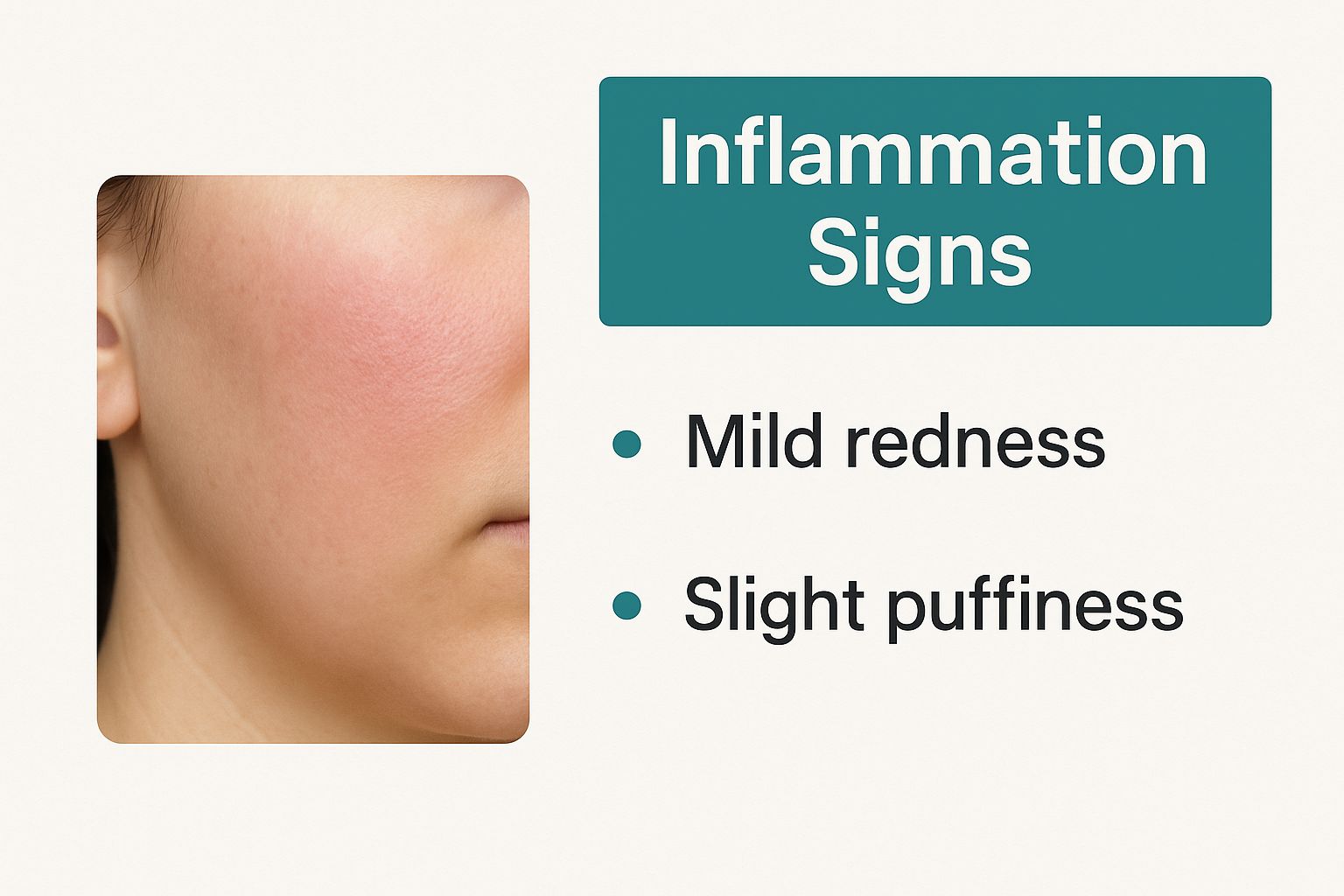
Seeing it laid out like this really helps connect the dots between a trigger and the visible effect it has on your skin. Recognizing these signs is the key to creating a skincare approach that keeps your complexion looking consistently beautiful and serene.
How Environmental Aggressors Affect Your Skin

Think of your skin as a shield, your first line of defense against the outside world. Every single day, that shield is under a constant barrage of environmental stressors that can chip away at its strength and cause irritation. It's a lot like how a windy day can leave your skin feeling tight and parched—these aggressors slowly but surely weaken your skin's resilience.
These external factors are a huge piece of the puzzle when we ask, "what causes skin inflammation?" From the sun beating down to the very air we breathe, our surroundings play a massive role in our skin's appearance. Getting a handle on these elements is the first real step toward nurturing a calm, happy complexion.
The Impact of Pollution and UV Rays
If you live in a city, your skin is exposed to a daily cocktail of pollutants. Tiny particles from things like car exhaust and factory emissions can land on your skin, potentially throwing its natural balance out of whack and leading to sensitivity and redness.
And then there's the sun. Ultraviolet (UV) radiation is probably one of the most well-known environmental bad guys for our skin. Even the small, incidental exposure you get walking to your car or sitting by a window adds up over time, making it harder for your skin to stay smooth and even-toned. This is exactly why good sun protection is the cornerstone of any skincare routine aimed at keeping skin looking its best.
It seems modern life itself is a major trigger. Research points to pollution, climate shifts, and stress as key culprits that disrupt the skin barrier. In fact, the prevalence of sensitive skin has shot up by 68% in just the last two decades.
Why Climate and Indoor Air Matter Too
Your local climate has a direct say in your skin's condition. Is it dry and cold? That kind of weather can strip moisture from your skin, leaving it feeling rough and vulnerable. On the flip side, high heat and humidity can bring their own set of skin discomforts.
But it’s not just about what's happening outside. The air inside your home or office can be just as influential. Things like dust, pet dander, and other airborne particles can seriously affect your indoor air quality and, in turn, your skin. It's worth learning more about the health problems associated with dirty air ducts and how they might be impacting your personal environment.
The link between our world and our skin is only getting clearer. Studies now show that environmental factors are a substantial contributor to skin reactivity, especially among those with sensitive skin—a group that now accounts for a staggering 70% of the global population. This really drives home how much our modern world shapes our skin's appearance. By recognizing these daily challenges, you can start to truly understand and meet your skin's needs.
Understanding Your Skin's Internal Influence
While it's easy to blame external irritants for flare-ups, sometimes the real story of "what causes skin inflammation" lies deep inside your body. Your skin is often a mirror, reflecting complex internal processes—especially how your immune system interacts with the world.
Think of your immune system as your body's dedicated security team. Its main job is to spot and neutralize anything it sees as a potential threat. This includes the vast community of microorganisms, such as bacteria and yeast, that naturally live on your skin.
Most of the time, this is a perfectly peaceful arrangement. But if that delicate balance gets thrown off, or if your immune system becomes a bit too reactive, it can send out alarm signals. Those signals show up on your skin as redness, swelling, and sensitivity.
The Skin Microbiome and Immune Responses
Your skin is home to trillions of tiny organisms, a bustling ecosystem we call the skin microbiome. This community is absolutely vital for maintaining healthy-looking skin. It's your first line of defense against external aggressors and is constantly communicating with your immune system.
When the microbiome is in harmony, everything is great. But if certain microorganisms start to overgrow and throw off the balance, your immune system might have to step in. The visible inflammation you see is often just the side effect of your body working to restore order.
This ongoing conversation between your immune system and your skin's resident bacteria is a major piece of the puzzle for why some of us experience persistent redness or reactivity. It's a delicate dance in which your body constantly works to maintain equilibrium to keep your skin looking and feeling its best.
It's not about getting rid of all bacteria—it’s about nurturing a healthy, diverse environment where your skin can truly thrive. A balanced microbiome is one of the cornerstones of a calm, beautiful complexion.
How Internal Signals Create Visible Effects
When your immune system gets the call to action, it releases a flood of signaling molecules. These are like messengers that tell your blood vessels to widen, allowing more immune cells to rush to the area. This process is what causes the classic signs of inflammation you can see and feel.
- Redness: This comes from increased blood flow as your body sends reinforcements to the skin's surface.
- Swelling or Puffiness: This happens as fluids and immune cells gather in the affected tissue.
- Warmth: That rush of blood can make the skin feel warm to the touch.
Bacterial activity on the skin is a major global health topic, and incidence rates are on the rise. Between 1990 and 2021, the global rate of bacterial skin issues jumped from about 8,988 to 10,823 cases per 100,000 people.
These situations are classic examples of a pathogen-induced immune response leading to redness and swelling. This really highlights the critical connection between your internal systems and what you see on the surface. You can learn more about these global health trends and their implications00481-7/fulltext). Understanding this helps you see that your skin’s appearance isn't just skin-deep; it's intricately tied to your body’s own protective measures.
The Impact of Your Diet and Lifestyle Habits
It’s no secret that what you eat and how you live can show up right on your face. The link between your daily habits and your skin's well-being is incredibly strong, and getting to know it is a huge part of figuring out what causes skin inflammation for you. Things like your diet, stress levels, and how much sleep you're getting can all play a role in visible signs of reactivity.
This isn’t about demonizing certain foods or chasing a perfect, stress-free life—that’s just not realistic. It’s about becoming a detective for your own skin, noticing patterns, and empowering yourself with that knowledge. Some people might find their skin looks more agitated after eating certain foods, while for others, a few nights of bad sleep is all it takes to look dull and blotchy.
How Food Choices Influence Your Complexion
The old saying "you are what you eat" really holds true for your skin. While everyone's body is different, some foods are commonly linked to increased sensitivity. For example, many people notice their skin looks less calm after indulging in foods high in sugar or heavily processed ingredients.
On the flip side, a diet rich in whole foods provides your skin with the essential building blocks it needs to look its best. Foods rich in antioxidants and healthy fats often support a more balanced, vibrant complexion. If you want to dive deeper, we have a detailed guide to some of the best healthy foods for great-looking skin.
Paying close attention to how your skin reacts after meals can be a game-changer. Try keeping a simple food and skin journal for a week or two—you might be surprised by the connections you uncover.
Stress and Sleep: The Unseen Factors
Chronic stress is another major player when it comes to skin reactivity. When you're constantly on edge, your body is in a state of high alert, and that can manifest visually on your skin. You might see it as more redness, sudden breakouts, or just a generally tired, lackluster look.
Likewise, not getting enough quality sleep throws off your skin’s natural renewal schedule. Nighttime is when your skin gets to work renewing itself, and when that crucial process gets cut short, it really shows. Consistently clocking 7-9 hours of sleep is one of the most fundamental things you can do to support a beautiful complexion.
To really see how these choices stack up, let's compare some common lifestyle habits and how they might influence your skin's appearance.
Lifestyle Factors and Their Potential Impact on Skin Appearance
Here’s a quick look at how certain daily choices can either support a calm, happy complexion or potentially contribute to visible signs of irritation.
| Lifestyle Factor | Choices Supporting Calm-Looking Skin | Choices That May Contribute to Reactivity |
|---|---|---|
| Diet | A balanced intake of fruits, vegetables, and healthy fats. | Frequent consumption of sugary snacks and highly processed foods. |
| Stress | Incorporating relaxation techniques like walking or deep breathing. | A constantly high-stress environment with no downtime. |
| Sleep | Consistent 7-9 hours of restful sleep per night. | Irregular sleep patterns and less than 6 hours per night. |
By taking a more holistic view, you can start to see how all your daily choices weave together, influencing your skin’s overall harmony and beauty.
Identifying Common Irritants in Everyday Products
It’s easy to think of skin inflammation as something that just happens. But often, the culprits are hiding in plain sight on our bathroom shelves and under the kitchen sink. From the lotions we use to our laundry detergents, many everyday products contain ingredients that can quietly contribute to skin sensitivity.
This isn’t about creating a massive "do not use" list. It’s about becoming a more mindful and informed consumer—your own skin detective, if you will. Once you start recognizing potential triggers, you can make choices that truly support a calm, beautiful complexion.
Decoding Your Product Labels
At first glance, an ingredient list can look like another language. It can be overwhelming! But you don't need a chemistry degree to spot the usual suspects. A few key categories are often home to common culprits for skin irritation.
Keep an eye out for these common ingredients:
- Fragrances: Whether they're synthetic or natural, fragrances are a major source of sensitivity for many people. Labels often just say "fragrance" or "parfum," but this single word can hide a complex cocktail of dozens of different scent chemicals.
- Harsh Cleansing Agents: Certain sulfates, like Sodium Lauryl Sulfate (SLS), are fantastic at cleaning. A little too fantastic, sometimes. They can be overly stripping for some skin types, disrupting the natural moisture barrier that keeps your skin happy.
- Certain Preservatives: Preservatives are necessary to keep our products fresh and safe, but some can be associated with skin reactivity, especially if you have sensitive skin.
Becoming your own "skin detective" is an incredibly empowering process. It allows you to make conscious choices that support your skin's harmony, moving you closer to the radiant appearance you desire.
A Mindful Approach to Product Selection
Remember, it's not just your face cream that matters. Household cleaners and detergents come into close contact with your skin, too, whether directly or through your clothes and linens.
When you're looking at these products, consider gentle formulations. Things like baby-safe cleaning solutions are a great example, as they're designed to minimize exposure to harsh irritants.
If you want to take a deeper dive into specific ingredients and make truly informed choices, exploring guides on toxins to avoid in skincare can be a game-changer. This knowledge helps you pick products that not only feel good but also actively support your skin's well-being.
How to Build a Gentle Skincare Routine

When your skin is acting up and feeling reactive, the best path forward is almost always the simplest one. Instead of piling on more products in the hope of a quick fix, a gentle, thoughtful routine is about supporting your skin’s natural functions. This approach is all about minimizing exposure to the very triggers that can cause that inflamed, irritated look.
Caring for sensitive skin doesn’t mean you need a complicated, 10-step regimen. In fact, a "less is more" philosophy often brings about the most beautiful, lasting results. It’s about achieving that balanced, serene appearance with just a few key steps.
The Core Principles of a Gentle Routine
Building a routine that truly supports your skin starts with three foundational pillars: cleansing, hydrating, and protecting. The goal isn't to force your skin into submission but to create a stable, happy environment where it can look and feel its best. This really comes down to choosing products that work with your skin, not against it.
Start with a mild cleanser that gets the job done without leaving your skin feeling tight or stripped. Follow it up with a simple hydrator to replenish moisture, and always, always finish with sun protection during the day. This basic framework is the absolute key to maintaining a resilient-looking complexion.
The most effective skincare routine is the one you can actually stick with day in and day out. Simplicity takes the guesswork out of the equation and helps you focus on what truly benefits your skin's appearance—which is crucial when you're trying to sidestep visible irritation.
A huge part of this gentle approach is becoming an ingredient detective. You’ll find that products with shorter, more understandable ingredient lists are often much easier to manage, dramatically reducing the odds of accidentally introducing an unknown irritant.
Smart Steps for Happy Skin
To really dial in your routine and make sure it’s working for you, it helps to incorporate a few mindful practices. Think of these as empowering you to make smart, informed decisions that cater to your skin’s unique personality.
- Always Patch-Test: This is non-negotiable. Before you slather a new product all over your face, test a tiny amount on a discreet spot, like your inner arm. Give it a few days to see how your skin reacts.
- Introduce Products Slowly: Bring only one new product into your routine at a time. That way, if your skin suddenly becomes reactive, you'll know exactly which product is the likely culprit. No mystery involved.
- Focus on Barrier Support: Keep an eye out for ingredients known to support the skin's natural moisture barrier. A strong, healthy barrier is your skin's first and best line of defense against all those environmental stressors.
This mindful process connects directly with our philosophy of creating personalized, beautiful skincare. By understanding these core principles, you can confidently select or create products with our high-quality supplies, helping you achieve the calm, radiant complexion you’re looking for.
Your Questions About Skin Inflammation Answered
Navigating the world of skin inflammation can feel like a maze, but getting a handle on the basics is the first real step toward a calm, happy complexion. We'll tackle some of the most common questions here, clearing up the confusion so you can feel more confident in your skincare journey.
After all, knowing the answers is the only way to figure out what's personally causing your skin to react.
What Is the Difference Between Sensitive Skin and Skin Inflammation?
Think of sensitive skin as a personality trait. It's a skin type that's naturally more likely to react and become agitated to different triggers.
Skin inflammation, on the other hand, is the actual reaction you see—the redness, the puffiness, the discomfort. So, sensitive skin is the predisposition to react, while inflammation is what happens when that tendency gets triggered.
Can Changing My Diet Improve My Skin's Appearance?
Absolutely. Many people discover a surprisingly strong link between what they eat and how their skin behaves. For some, specific foods can ramp up reactivity, leading to a complexion that looks anything but calm.
A great way to pinpoint your personal triggers is to keep a simple journal, noting what you eat alongside your skin's daily response. But for nearly everyone, a balanced diet full of whole foods and plenty of water is a cornerstone of supporting overall skin appearance and achieving a vibrant look.
How Can I Tell If a Skincare Product Is Causing Irritation?
Patch-testing is your single best friend for avoiding a full-blown reaction to a new product. It’s a simple step, but it's beyond crucial.
Before slathering a new product all over your face, test a small amount on a discreet spot—like your inner arm or just behind your ear—for a few days. If you notice any redness, itching, or an odd texture in that area, that product is probably not a good match for you. This little test is a powerful way to keep the peace with your skin.
At Skin Perfection, we provide premium skincare products and high-quality lotion-making supplies to help you achieve the beautiful skin you desire. Explore our collection and empower your routine by visiting us at https://www.naturalorganicskincare.com.