

 Buy with Prime



Uneven skin tone is caused by overactive melanocytes producing excess pigment in response to triggers like UV exposure, inflammation, or hormones. Inflammation and injury can lead to post-inflammatory hyperpigmentation, with reported acne-related incidence reaching 65% in people with darker skin. (Journal of the European Academy of Dermatology and Venereology)
You notice it when one cheek looks darker than the other, old acne marks remain after the breakout has settled, or a patch across the forehead becomes more visible after time outdoors. The temptation is to treat every mark as the same problem, but skin color changes can have different causes and appearances. Brown, gray, and red discoloration don't behave alike, and applying more products without identifying the trigger can keep the cycle going.
Table of Contents
- Recognizing the Uneven Tone Puzzle
- The Three Main Biological Drivers
- Identifying Your Type of Discoloration
- Why Some Approaches Backfire
- Evidence-Based Prevention Strategies
- Building Your Next Steps
Recognizing the Uneven Tone Puzzle
Under bright bathroom light, your face can show several different stories at once. A brown mark may remain where a blemish healed, the cheeks may look darker than the jaw, and a pink area near the nose may appear after shaving or cleansing. These changes do not necessarily mean your entire complexion has changed. Individual areas often respond differently to light, irritation, hormones, or injury.
The direct answer to what causes uneven skin tone is that melanocytes, the cells that produce melanin, have become overactive or unevenly distributed. Melanin gives much of the skin and hair their color. Repeated signals from ultraviolet radiation, inflammation, hormonal changes, or mechanical trauma can prompt melanocytes to make more pigment or pass it unevenly to nearby skin cells.
Melanocytes work like small pigment dispensers positioned throughout the skin. In calm conditions, they help maintain a relatively even background tone. If one group receives a stronger signal, it may release more pigment than surrounding groups, forming a spot or patch rather than changing the whole face.
Why the trigger matters
The visible mark is often the last stage of a process that began earlier. A blemish can disappear while the pigment it left behind remains. A shaving nick can close while nearby skin becomes darker. Sun exposure can gradually intensify an existing mark even after the original inflammation has settled.
That connection explains why uneven tone is more than a surface concern. The original trigger and the pigment are connected, so treating only the color may bring disappointing results when acne, friction, irritation, or unprotected exposure continues.
Skin color changes can affect every skin type, with post-inflammatory marks tending to persist more in darker skin, particularly Fitzpatrick types III–VI. A 2024 systematic review evaluated 41 studies involving 877 patients, while another 2024 review included 1,356 people with skin of color, including 70% Black, 27% Asian, and 3% Latin participants. (Clinical review of post-inflammatory hyperpigmentation)
Brown, gray, and red discoloration can reflect different processes, so one product rarely suits every mark. Treating the appearance while the trigger remains active can create a repeating cycle of irritation, inflammation, and new uneven tone.
Practical rule: Identify what happened before the color changed. Timing often reveals more than shade alone.
The Three Main Biological Drivers
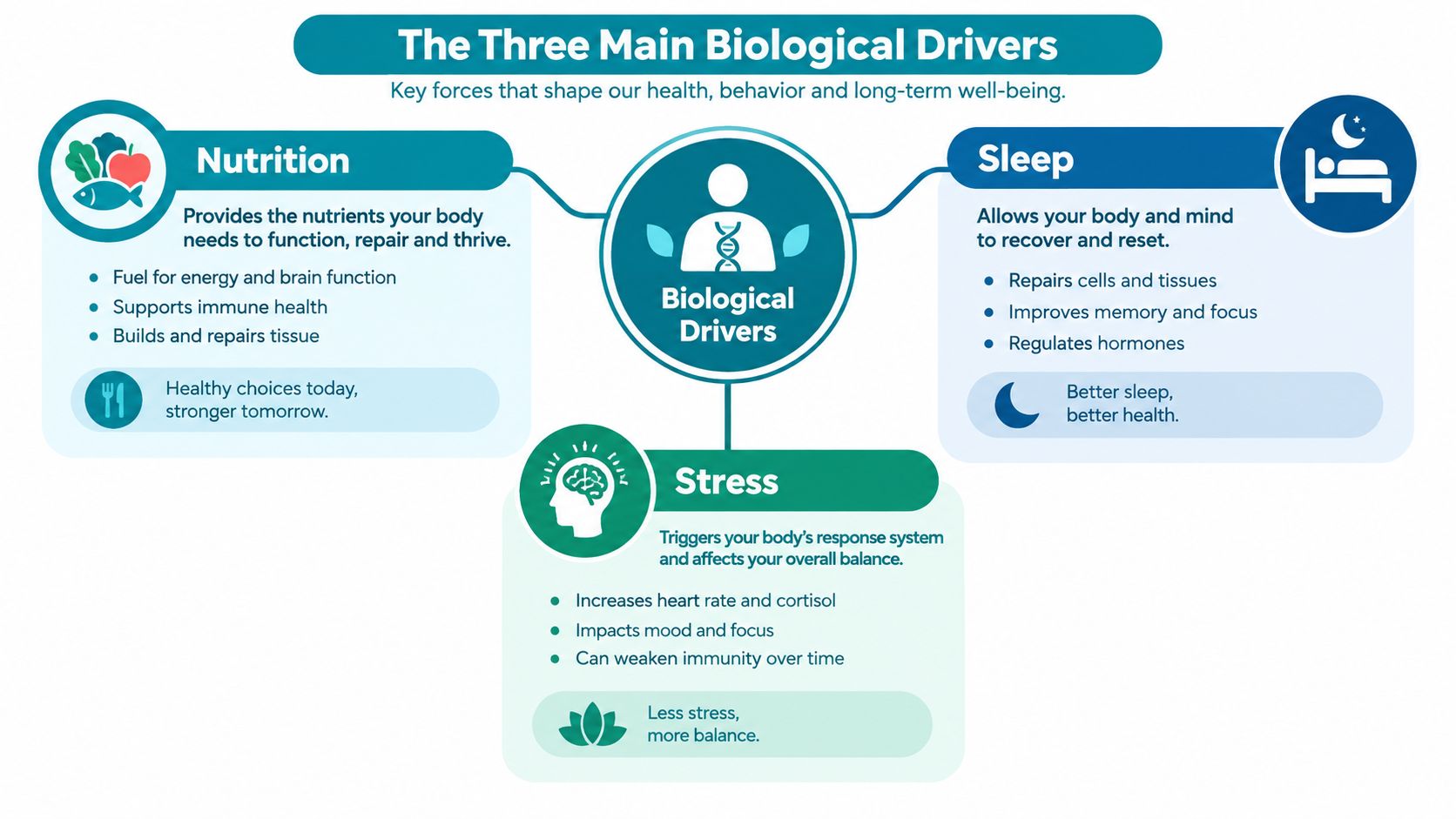
Uneven tone often develops through three overlapping pathways: light exposure, inflammation or injury, and hormonal sensitivity. A healing blemish may leave a brown mark, for example, while later sunlight deepens it. The visible color is therefore the result of several signals reaching pigment-producing cells over time.
Ultraviolet and visible light
Melanocytes respond to sunlight by producing more melanin, the pigment that helps absorb and distribute light in the skin. Repeated exposure can increase this production unevenly, especially across the forehead, cheeks, nose, hands, and upper lip. Areas exposed more often may gradually look darker than nearby skin.
UVA and UVB both contribute to pigment changes. UVA1 can darken skin phototypes III–VI, while chronic exposure can contribute to solar lentigines, melasma, photoaging, and irregular pigmentation. Visible light can also affect people who are prone to pigmentary conditions. (British Journal of Dermatology review)
Sunscreen therefore serves more than a sunburn-prevention role. Consistent protection reduces one of the repeated signals that keeps melanocytes active and can help prevent existing marks from becoming more noticeable.
Inflammation and injury
Acne, eczema, psoriasis, contact dermatitis, burns, cosmetic procedures, shaving, and waxing can all activate inflammatory signaling. The skin releases mediators such as prostanoids, cytokines, chemokines, and reactive oxygen species. These signals can stimulate melanocytes, increase tyrosinase-related melanin production, and affect how pigment moves into nearby keratinocytes. (Post-inflammatory hyperpigmentation review)
Inflammation behaves like an alarm system. Once activated, it communicates with neighboring cells, including those that produce pigment. Redness or a breakout may settle while the pigment record of that earlier alarm remains.
PIH occurs across all skin types, but it is more frequent and persistent in darker skin, particularly Fitzpatrick types III–VI. In darker skin affected by acne, reported PIH incidence can reach 65%. (Journal of the European Academy of Dermatology and Venereology) A calm, hydrated routine can reduce avoidable irritation. Clear Skin Oil-Free Moisturizer contains hyaluronic acid, ocean minerals, and vitamin B5 in a light gel for normal to oily and combination skin prone to breakouts. It can be applied after cleansing and treating breakouts, including beneath daytime sunscreen.
Stinging, tightness, or persistent flaking suggests that your routine may be irritating the skin. Review this guide to skin barrier care before adding more active products.
Hormonal signals
Hormones can make melanocytes more responsive to ultraviolet and inflammatory signals. Estrogen receptors in melanocytes and nearby keratinocytes help explain why melasma may appear or worsen during pregnancy or with estrogen and progestin exposure. Hormones can lower the threshold at which light and inflammation stimulate pigment production. (NCBI overview of melasma)
A person may consequently develop symmetrical patches on the cheeks, forehead, or upper lip without a recent breakout. This pattern differs from one post-acne mark, and direct sun exposure can intensify it. Addressing the trigger matters because fading the color while light, irritation, or hormonal sensitivity continues can keep the cycle of uneven tone active.
Identifying Your Type of Discoloration
A brown mark after a breakout, a gray patch that seems to sit beneath the surface, and pinkness after shaving can all look like “uneven tone.” Their colors offer clues, but not a diagnosis. Check the shade, location, timing, and texture, then connect the change with what happened beforehand.
Brown marks and patches
Brown discoloration usually means extra melanin near the skin's surface. Common triggers include sun exposure, a healed blemish, eczema, a shaving cut, or another irritated area. If the mark appeared after inflammation and remains once the original problem has settled, post-inflammatory hyperpigmentation, or PIH, is a strong possibility.
Dermal pigment clears more slowly, so these marks can last longer. For example, a fresh brown spot after a blemish may look dark at first, then become lighter over several weeks as the skin renews, although continued irritation or light exposure can slow that visible change.
A brown patch on both sides of the face, especially across sun-exposed areas, may fit a melasma pattern. Small, separate marks on the face or backs of the hands may instead reflect localized sun-related pigment. See pigmentation differences explained for a useful comparison of these patterns.
Gray or blue-gray areas
Gray or blue-gray discoloration can suggest that pigment sits deeper in the skin and scatters light differently. Medications and other underlying factors may also affect skin color. Because this appearance does not identify a cause reliably at home, a persistent gray or blue-gray area deserves professional assessment rather than stronger exfoliation.
Red or pink areas
Redness may reflect irritation, inflammation, flushing, or vascular changes rather than excess pigment. A patch that feels warm, itchy, tender, or sensitive points toward an active trigger. Brightening products applied to irritated skin can add another inflammatory signal and keep the uneven-tone cycle going.
Ask four questions:
- When did it start? A mark after acne, eczema, shaving, waxing, or a procedure has a different context from one that developed gradually.
- Where is it located? Sun-exposed skin suggests light involvement, while a mark beneath a mask or along a hair-removal area suggests friction.
- What color is it? Brown often suggests melanin, gray may indicate deeper pigment, and red can reflect ongoing inflammation.
- Does it change with exposure or irritation? Darkening outdoors or after a harsh product suggests that the trigger remains active.
Once the pattern is clearer, review ingredients for hyperpigmentation without treating every mark as the same problem. Fading existing color works better when the source of repeated irritation or exposure is addressed too.
Why Some Approaches Backfire
The most common mistake is treating a pigment mark as if it exists independently from the skin around it. Someone sees a brown spot, applies a strong exfoliant, adds a scrub, and then uses another active when the first product doesn't produce a quick visual change. The result may be more stinging, dryness, or redness, followed by new discoloration.
Aggressive exfoliation can disturb the skin barrier and make the surface more reactive. A damaged barrier doesn't automatically create pigment, but irritation can activate the same inflammation pathway that contributed to the original mark. The routine then becomes a loop: treat the spot, irritate the skin, create another inflammatory signal, and notice another uneven area.
Compare the routine, not just the mark
| Common approach | Why it can backfire | More measured alternative |
|---|---|---|
| Scrubbing a dark spot repeatedly | Friction can add mechanical irritation | Cleanse gently and reduce rubbing |
| Combining several strong actives | Cumulative irritation can obscure which product caused a reaction | Introduce one change at a time |
| Treating marks while acne continues | New inflammation can create new pigment | Address active breakouts and protect the skin |
| Ignoring daily light exposure | UV and visible light can deepen uneven color | Use consistent broad-spectrum protection |
The recurrence question matters: Why does uneven tone keep returning after acne, eczema, shaving, waxing, or procedures? Often, PIH is continuing because the trigger hasn't stopped. Inflammation or mechanical injury can deposit pigment in the epidermis or dermis, so removing attention from the trigger while focusing only on the existing mark leaves the cycle intact.
A 2025 systematic review found that more than 95% of reported procedure-related PIH cases followed laser treatment, and the face accounted for 85% of cases. Sunscreen alone or combined with other measures was the most consistently supported preventive intervention. (Systematic review of procedure-related PIH)
Treat the conditions that keep sending the pigment signal, not only the color left behind.
Procedures need careful discussion of skin type, treatment settings, candidacy, and recovery expectations. A resource covering candidacy and downtime details can help you prepare better questions for a qualified professional, but it shouldn't replace an individual assessment.
If you're considering a routine that combines ingredients, read about azelaic acid and niacinamide layering and introduce changes cautiously. Cosmetic products should be used according to their labeling, and a persistent reaction is a reason to stop and seek advice.
Evidence-Based Prevention Strategies
Uneven tone is easier to prevent when you reduce the signals that keep melanocytes active. Light exposure, repeated friction, and ongoing inflammation can all maintain discoloration. A brightening product may fade the visible mark, but the color can return if the trigger continues.

Make photoprotection routine
Use broad-spectrum sunscreen as part of your morning routine, especially when you are managing post-inflammatory hyperpigmentation. Add shade, hats, sunglasses, and clothing during longer periods outdoors. Reapply during extended exposure, sweating, or swimming.
As noted earlier, UVA1 and visible light can darken skin that is prone to melasma or PIH. Tinted protection may help because some formulas contain iron oxides, pigments that add coverage against visible light. On a product label, look for terms such as tinted sunscreen, iron oxides, or ingredient names beginning with CI 77491, CI 77492, or CI 77499. SPF mainly describes UVB protection, so the SPF number alone does not explain how well a product addresses visible light. (Review of photoaging and photoprotection for skin of color)
Keep irritation low
A gentle cleanser, less picking, and controlled exfoliation can reduce repeated irritation. Shaving and waxing deserve particular care in areas that develop dark marks, since friction and small injuries can restart the pigment response. Burning or persistent redness is a warning to stop a product, not evidence that it is working.
Active acne, eczema, and dermatitis may continue sending inflammatory signals to the skin. Treating those conditions can matter as much as choosing an ingredient for the leftover discoloration.
A professional assessment can clarify a pattern that is difficult to interpret at home. Information about advanced skin diagnostics in Los Cabos may show what an evaluation can involve, although the appropriate service depends on your symptoms, location, and needs.
Build a routine you can repeat
A routine works best when you can follow it consistently:
- Morning: Cleanse gently if needed, moisturize if your skin feels dry, and apply broad-spectrum sunscreen.
- During the day: Seek shade and use physical coverage during strong sun exposure. Reapply protection when conditions call for it.
- Evening: Remove sunscreen and makeup without scrubbing, then apply a moisturizer your skin tolerates.
- When adding an active: Introduce one product at a time and watch for lasting burning, itching, or redness.
- When inflammation appears: Pause irritating products and address the likely trigger.
For seasonal routines, this guide to sun damage, peptides, and summer skin recovery connects exposure management with consistent skin care.
Building Your Next Steps
Start with the pattern, not the product. A symmetrical facial patch that changes with sun exposure or hormonal shifts may need a different evaluation from a brown mark left after acne. Gray discoloration, a new lesion, or pigmentation that changes rapidly shouldn't be managed by escalating home treatments.
Hyperpigmentation can be associated with ultraviolet exposure, genetic factors, pregnancy, oral contraceptives, certain medications, tobacco smoke, heavy-metal exposure, diabetes, thyroid disease, adrenal insufficiency, acne, atopic dermatitis, and skin injury or inflammation. That wide range is why one person's dark spot may not have the same cause as another person's. (Harvard Health overview of hyperpigmentation)
Use this priority order:
- If the mark followed acne or irritation: Reduce picking and friction, support a comfortable routine, and address the active trigger.
- If the pattern suggests melasma: Prioritize consistent broad-spectrum protection and consider visible-light protection with professional guidance.
- If the spots follow sun exposure: Increase shade and daily photoprotection, then seek assessment if they persist or change.
- If the area is red, painful, itchy, rapidly changing, or unfamiliar: Pause active products and arrange a professional evaluation.
Pigment changes take patience. Introduce new products gradually, keep the rest of the routine stable, and judge tolerance before adding another change. A personalized overview of how to approach uneven skin tone can help you organize those decisions without treating every discoloration as identical.
Skin Perfection offers ready-made skincare products, moisturizers, and lotion-making supplies for people who want to support the appearance of more even-looking skin through a considered routine. Visit Skin Perfection to explore cosmetic formulas and DIY ingredients while keeping your routine focused on gentle care, consistent protection, and the trigger behind the discoloration.