

 Buy with Prime
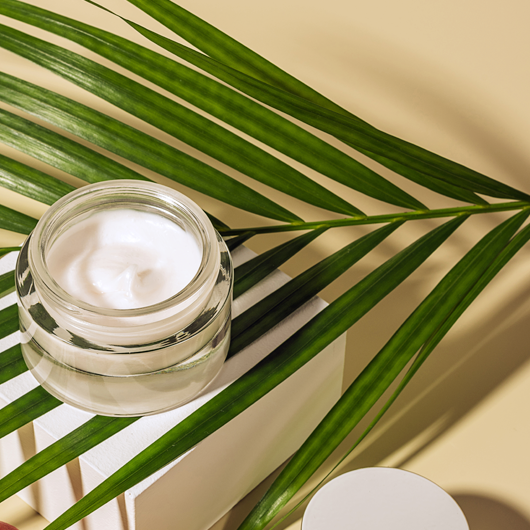


Your skin may look a little tired right now. Maybe it feels rough around the cheeks, makeup catches on dry patches, or your glow seems to disappear by midday. That's usually when people start asking a very reasonable question: what is lactic acid serum, and why does everyone seem to recommend it for smoother, brighter-looking skin?
Lactic acid serum is one of the easiest exfoliating products to understand once someone explains it in plain language. It isn't a harsh scrub, and it isn't just “acid” in the scary sense of the word. In skincare, lactic acid is valued because it can help loosen built-up surface cells while also supporting hydration, which is a rare combination. That's why it often appeals to people who want skin that looks fresher without jumping straight into stronger exfoliants.
It also helps to remember what skincare can and can't say. At Skin Perfection, our products and lotion making supplies are created to beautify the skin and support better-looking texture and hydration. We follow FDA guidelines and Etsy rules around claims, so you won't see us say a cosmetic product can fix, repair, heal, diagnose, mitigate, or cure skin or any medical condition. You also won't see us claim that a cosmetic is FDA approved, equivalent to a prescription drug, or able to act like a drug product.
If you're building a routine, it also helps to know where serums fit compared with creams. This guide on the difference between serum and moisturizer gives useful context. And if you're pairing exfoliation with other appearance-focused ingredients, you may also want to discover anti-aging skin peptides for firmness-focused routines.
Table of Contents
- Your Introduction to Brighter Looking Skin
- Understanding How Lactic Acid Works
- The Visible Benefits of Lactic Acid for Skin Appearance
- Choosing Your Lactic Acid Serum Concentration
- How to Safely Use Lactic Acid in Your Routine
- Lactic Acid vs Other Exfoliating Acids
- Frequently Asked Questions About Lactic Acid Serums
Your Introduction to Brighter Looking Skin
A lot of people start with the mirror. They notice dullness first. Then they notice uneven-looking texture, tiny flaky areas, or skin that feels less smooth than it used to. The usual response is to reach for a scrub, but that often leaves skin feeling polished for a moment and irritated later.
A lactic acid serum offers a different route. Instead of manually buffing the surface, it helps dissolve the buildup that makes skin look flat and feel rough. That makes it a popular starting point for people who want exfoliation that feels more refined and less aggressive.
Why this ingredient gets so much attention
Lactic acid belongs to the AHA family, short for alpha hydroxy acids. In practical terms, that means it works on the skin's surface to improve the look of texture. It's also known for being more comfortable for many people than stronger-feeling acids.
What confuses beginners is the word “acid.” It sounds intense, but a well-formulated lactic acid serum is really just a tool. Consider it a gentle reset for skin that looks tired, uneven, or a little congested on top.
A good lactic acid serum should make skin look more refined over time, not leave it feeling punished after one use.
Who usually likes it most
Lactic acid serums often appeal to people who want:
- A smoother feel without gritty scrubs
- A brighter look when skin seems dull
- More softness when dry surface buildup is visible
- A balanced routine that combines exfoliation with moisture support
For DIY formulators, lactic acid is also interesting because it teaches an important lesson. Active ingredients aren't only about the ingredient name. Concentration and pH decide whether a formula is gentle, effective, and appropriate for regular use.
Understanding How Lactic Acid Works
A good way to understand lactic acid is to start with what your cleanser cannot do. Cleansing washes away oil, sweat, sunscreen, and daily grime. Lactic acid works on the thin layer of older cells that can stay attached to the surface and make skin look rough, flat, or flaky even after washing.

The simple science
Lactic acid is an alpha hydroxy acid, or AHA. Its main cosmetic job is to loosen the bonds between dull surface cells so they shed in a more even way. Estheticians often describe those bonds as the “glue” holding old cells in place. Once that glue is loosened, skin tends to feel smoother and reflect light more evenly.
The technical part can sound intimidating, so here is the plain-English version. Lactic acid needs the right formula conditions to do its work, especially the right pH. Paula's Choice explains how AHAs exfoliate by loosening the surface buildup of dead skin cells, which is why the ingredient can improve the look of dull, uneven texture over time.
For DIY formulators, the lesson now becomes practical. The label name alone does not tell you how active a formula will feel. A lactic acid product is really a combination of the acid level, the final pH, and the rest of the formula around it.
Why pH changes the result
pH tells you how acidic a formula is. With lactic acid, that matters because acidity affects how much of the ingredient is available to exfoliate the skin's surface. If the pH is too high, the formula may be much milder than expected. If it is too low, it can feel sharper and be harder for beginners to tolerate.
A serum with a well-chosen pH works like a recipe with the right oven temperature. The same ingredient can behave very differently depending on the setting.
That is why DIYers should never guess. Use a pH meter or reliable pH strips, adjust carefully, and recheck after the formula settles. Consumers do not need to formulate, but they do benefit from choosing products from brands that clearly understand acid chemistry.
More than exfoliation
Lactic acid is often grouped with exfoliants first, yet it also has humectant properties. In simple terms, it can help attract water, which is one reason some people find it more comfortable than stronger-feeling acids. That does not make every lactic acid serum “gentle” by default. Formula strength, pH, frequency, and the rest of your routine still decide how it feels on skin.
This dual role is part of why lactic acid appeals to both skin care users and formulators. You are not only removing excess surface buildup. You are also working with an acid that can support a softer, less tight surface feel when the formula is balanced well.
If you are building a routine around exfoliation, this guide to properly exfoliating the face gives helpful context on frequency and technique. Small routine choices outside your serum matter too. Even friction from bedding can affect how skin and hair look over time, so it can help to compare pillowcases for hair and skin.
For support steps, a separate water-binding serum or cream can pair well with exfoliation. Sodium Hyaluronate Powder Pure Hyaluronic Acid is a cosmetic-grade ingredient used in water-based skin care formulas for hydration support.
The Visible Benefits of Lactic Acid for Skin Appearance
You apply a lactic acid serum at night, look in the mirror a week or two later, and your skin does not look different in just one way. It often looks smoother, a little more polished, and more even in how it reflects light. That combination is why lactic acid gets so much attention. It changes the surface first, and the visual payoff follows.

What people usually notice first
Texture is usually the first visible shift. A rough surface scatters light unevenly, much like a dusty window dulls the sunlight coming through it. As lactic acid helps loosen excess surface buildup, skin starts looking clearer and more refined because light can bounce off more evenly.
That is why “glow” often shows up before dramatic changes in tone.
Softness tends to follow. Skin can feel less dry on top, less flaky around active expression lines, and easier to prep for makeup. For consumers, that means foundation may sit more evenly. For DIY formulators, it is a reminder that the finished look depends on more than the acid itself. pH, acid level, and the support ingredients around it all shape whether the formula leaves skin looking smooth or feeling overworked.
Brighter-looking skin usually comes from two visible changes together: a more even surface and better moisture balance in the outermost layers.
Tone, fine lines, and the overall look of skin
Lactic acid is also used in products designed to improve the appearance of uneven-looking tone. Research on alpha hydroxy acids has shown they can reduce the activity of tyrosinase, the enzyme involved in melanin formation, which helps explain why they are often included in formulas targeting a more even-looking complexion, as described in this review of hydroxy acids in skin care and treatment from the National Center for Biotechnology Information.
The visible effect here is usually gradual. Fresh surface cells come forward more evenly, and areas that look dull or blotchy can start to appear more uniform over time. That does not mean every spot fades quickly, and it does not mean stronger is always smarter. It means consistent, well-formulated use can improve the overall finish of the skin.
Fine lines can look softer for a similar reason. Part of that change comes from surface smoothing, and part comes from water. Skin with better water content in its upper layers tends to look less creased, the way a well-moisturized sponge looks fuller than a dry one. In practice, that is why a properly formulated lactic acid serum can make skin look a little plumper, even before you move into higher-strength products.
Results depend on the whole routine
A serum does not work in isolation. Cleansing habits, moisturizer choice, sun protection, and simple daily friction all affect how smooth and even your skin looks. If fabric rubbing is adding to dryness or sleep creases, it can help to compare pillowcases for hair and skin and see whether your sleep setup is part of the picture.
Choosing Your Lactic Acid Serum Concentration
You're comparing two bottles. One says 5%. Another says 10%. A third goes even higher, and it is easy to assume the strongest option will give the fastest glow. In practice, choosing lactic acid is more like choosing the right sandpaper for a delicate surface. Too gentle may feel slow. Too aggressive can leave the finish uneven.
Concentration matters, but it does not work alone. Your skin's tolerance, the formula's pH, and the texture of the product all change how active that percentage feels on the skin. That is why a well-made 5% serum can be a better fit than a poorly balanced stronger one.
A practical way to read the percentage on the label
For beginners, a formula around 5% is usually the easiest starting point. It can give gradual surface smoothing and a fresher look without pushing the skin too hard. That often suits people with dry-feeling skin, first-time acid users, or anyone who prefers a slow and steady approach.
A higher concentration can do more, but it also asks more from the skin. In a study indexed on PubMed, researchers found that 12% topical lactic acid improved skin smoothness and the appearance of lines, while 5% produced similar epidermal and clinical effects without the same dermal thickening reported with the stronger concentration, according to this PubMed abstract on topical lactic acid.
That comparison helps set expectations. It shows that increasing the percentage can broaden the visible effect, but it does not make higher strength the automatic choice for every face or every formula.
Why pH changes how strong a serum feels
The percentage tells you how much lactic acid is in the bottle. The pH helps tell you how available that acid is once it touches the skin. A simple way to picture it is this: concentration is the size of the team, while pH affects how many players are on the field.
For cosmetic products, the safety review summarized by Cosmetics Info's lactic acid ingredient page notes that lactic acid has been found safe in products up to 10% at an appropriate final formulation pH. For shoppers, that means a consumer serum in the lower to middle range is often the practical zone. For DIY formulators, it means testing and adjusting pH is part of the job, not an optional finishing touch.
If you are comparing product types, a lactic acid facial lotion guide can also help you see how vehicle choice changes the overall feel. A lotion or cream can soften the experience compared with a very fluid serum, even when the acid percentage looks similar on paper.
A simple concentration guide
| Range | Who it often suits | What to keep in mind |
|---|---|---|
| About 5% | Beginners, dry-feeling skin, cautious users | Slower visible change, usually easier to tolerate |
| Around 8% to 10% | Experienced acid users | More noticeable resurfacing, greater need for careful routine planning |
| Above 10% | Professional use or very experienced formulators | Requires much more care with pH, tolerance, and application frequency |
The middle range is where many regular acid users settle. It can give a more obvious smoothing effect without stepping into strengths that are harder to use casually at home.
What DIY formulators should check before percentage
DIY formulators often focus on the acid number first because it is easy to market and easy to compare. The formula itself deserves equal attention.
- Measure and confirm pH. Lactic acid needs the right acidic range to perform as intended.
- Choose the vehicle carefully. Gels, serums, and creamier emulsions can deliver very different user experiences.
- Buffer with purpose. Humectants, soothing ingredients, and thickening systems can change comfort and spreadability.
- Formulate for the user, not the label. A beginner-friendly product is not weak. It is built with tolerance in mind.
If you like to keep the rest of your routine simple while testing acids, Blushing Ivy's natural skin guide offers ideas for a less crowded product lineup.
Practical rule: Choose lactic acid by concentration and pH together. Percentage tells you the potential strength. pH helps determine how that strength shows up on the skin.
How to Safely Use Lactic Acid in Your Routine
You wash your face at night, apply a new acid serum because you want smoother, brighter-looking skin, and wake up wondering why your skin feels hot, tight, or overly shiny. In many cases, the problem is not lactic acid itself. It is how fast it was introduced, what it was paired with, or how the formula was set up.

Lactic acid works best in a routine that is calm and predictable. You want enough exfoliation to improve skin appearance, but not so much that your skin spends the week trying to recover. For home users and DIY formulators, safety usually comes down to four things: concentration, pH, frequency, and what else touches the skin that night.
Start slower than you think you need to
Earlier, we noted that lactic acid has a recognized safety range in cosmetic formulas when the concentration and final pH are set appropriately. That does not mean every skin type should begin with frequent use.
A patch test comes first. Apply a small amount to a discreet area, then give your skin time to respond before using it across the full face. If you already use retinoids, exfoliating toners, benzoyl peroxide, or low-pH vitamin C, slow down even more. Skin can handle only so many strong signals at once.
A simple starting rhythm is once or twice a week.
That pace gives you useful feedback. If your skin stays comfortable and looks smoother between uses, you can decide whether you need more frequency. If it stings, stays red, or feels dry for days, the routine needs less acid, fewer active layers, or a gentler formula.
A simple order of application
Night use is usually easiest because it gives the skin a quiet window without sun exposure right after application.
- Cleanse with a mild face wash. Skip scrubs, cleansing brushes, and gritty powders on the same night.
- Let the skin dry fully. Dry skin gives you more control over how the acid feels.
- Apply a thin layer of lactic acid serum. More product does not mean better exfoliation.
- Follow with a moisturizer. This helps support comfort and reduces that overworked feeling.
- Use sunscreen the next morning. Freshly exfoliated skin is more likely to look irritated after UV exposure.
If you prefer a creamier format, this guide to lactic acid facial lotion shows how lotion-based options can fit into a routine.
Why dry skin matters before application
Hydrating serums often go on damp skin because water helps them spread. Acids are different. Lactic acid needs controlled contact with the skin, and dampness can make that contact feel faster and stronger.
A good analogy is steeping tea. The same tea bag gives a different result depending on the water and timing. With lactic acid, skin that is still wet can change the user experience enough that a formula feels sharper than expected. Applying to dry skin makes the process more consistent, which matters for beginners and for anyone testing a DIY formula.
For formulators, this is also a reminder that user instructions are part of product performance. A well-made serum can still feel harsh if the directions are vague.
Apply lactic acid to dry skin, use a small amount, and give your skin time to tell you whether the schedule is working.
Keep the rest of the routine quiet
Lactic acid nights should be simple. Pair it with a basic moisturizer and leave the extra actives for another evening. That includes stacking it with other exfoliating acids unless you already know your skin tolerates that combination.
This matters even more with DIY products. A formula may look gentle on paper, but if the pH is low, the acid level is high, and the routine also includes retinoids or exfoliating pads, irritation becomes much more likely. Good formulation and good routine design need to work together.
If you like adding botanical products on non-acid nights, Blushing Ivy's natural skin guide offers ideas for keeping the rest of the routine thoughtful and less crowded.
Lactic Acid vs Other Exfoliating Acids
If you've compared exfoliants online, you've probably seen lactic acid, glycolic acid, and salicylic acid grouped together as if they all do the same thing. They don't. They overlap, but each one behaves differently on the skin.

The clearest difference
Lactic acid has a molecular weight of 90.08 Da, while glycolic acid is 76.05 Da. Because lactic acid is larger, it penetrates more slowly and tends to give a milder exfoliating effect that suits sensitive and dry skin types better, as described in this review comparing acid properties.
That size difference is one of the main reasons estheticians often reach for lactic acid first when someone says, “I want exfoliation, but I don't want my skin to feel stripped.”
Side by side
| Acid | Solubility and feel | Common appearance goal | Often preferred by |
|---|---|---|---|
| Lactic acid | Water-based surface exfoliation with a gentler feel | Smoother texture, brighter look, more hydrated finish | Dry, sensitive, or mature-looking skin |
| Glycolic acid | Faster-feeling AHA exfoliation | Stronger resurfacing feel | People who tolerate acids well |
| Salicylic acid | Oil-soluble BHA that works into pores | Less congested-looking skin | Oily or breakout-prone skin |
Which one makes sense for you
Choose lactic acid if your skin usually complains before it cooperates. Choose glycolic when you already know you tolerate exfoliating acids well and want a stronger-feeling AHA experience. Choose salicylic acid when your main concern is visible pore congestion rather than rough, dry surface buildup.
If you're weighing glycolic against salicylic more directly, this comparison of glycolic acid vs salicylic acid adds more context.
No acid is “best” for everyone. The better question is which acid matches the skin behavior you actually have.
Frequently Asked Questions About Lactic Acid Serums
Can I use lactic acid with vitamin C or retinol
Yes, but spacing them out is often easier on the skin.
Lactic acid, vitamin C, and retinol can all be useful. The problem is that each one asks your skin to do extra work. If you layer them all at once, the routine can feel like turning up three strong settings on the same machine. For many people, the smoother approach is to use lactic acid on one night and retinol or vitamin C at another time of day or on alternate days.
If your skin is reactive, start simple. One active at a time makes it much easier to tell what is helping and what is causing irritation.
How long does it take to notice a difference
Lactic acid usually improves the look of skin gradually, not overnight.
You may notice a softer feel and a little more glow within the first couple of weeks, especially if dull surface buildup was part of the problem. More visible changes in texture tend to come with steady use over several weeks. That slower pace makes sense. Lactic acid works by loosening the bonds between older surface cells, so improvement depends on repeated, gentle exfoliation rather than one strong application.
Consistency matters more than chasing fast results.
Is a little tingling normal
A brief, mild tingle can be normal, especially when you are new to exfoliating acids or using a formula with a lower pH.
What you do not want is stinging that keeps building, obvious redness that lingers, or skin that feels hot and tight afterward. Those are signs the product may be too strong, used too often, or paired with too many other actives. In practice, this is a lot like seasoning food. A small amount can work well. Too much at once overwhelms everything.
What strength is considered appropriate for consumer products
Most consumer lactic acid serums stay in the lower to moderate range, often around 5% to 10%. For DIY formulators, concentration is only part of the story. pH matters too, because it affects how active the acid feels on the skin.
The Cosmetic Ingredient Review has assessed lactic acid and lactate ingredients as safe in cosmetic products under defined conditions, including limits tied to formulation and sun protection considerations, which you can review in the CIR safety assessment for alpha hydroxy acids. A well-made 5% formula at an appropriate pH can feel more usable than a stronger formula that is poorly balanced. That is why formulators do not judge a serum by the percentage on the front label alone.
If you are making your own serum, test and confirm pH instead of guessing. If you are buying one, look for brands that explain both concentration and usage clearly.
What if I want a gentler exfoliating option
Start with less frequent use, a lower percentage, or a serum built into a more cushioning base.
A cream or milky formula often feels easier for dry or sensitive skin because the exfoliation is buffered by ingredients that reduce that stripped feeling. If your skin tends to flush or react quickly, it also helps to read through options for a natural exfoliant for sensitive skin before choosing your first acid product.
Sometimes the gentlest option is not a different ingredient. It is a better dose, a better pH, and a slower schedule.
If you're ready to build a routine around smoother, brighter-looking skin, Skin Perfection offers skincare products and DIY lotion-making supplies designed to beautify the skin while respecting cosmetic guidelines. You'll find ready-made options, formulation ingredients, and educational resources that can help you choose or create a lactic acid routine with more confidence.