

 Buy with Prime
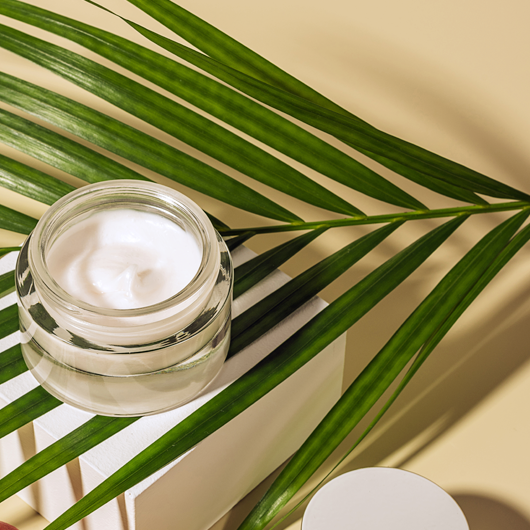


2.5% Retinol Serum review
A 2.5% retinol serum may support smoother-looking texture, softer-looking fine lines, and a more even complexion, but the percentage alone doesn’t predict performance. The retinol’s form, stability, packaging, supporting ingredients, and your application schedule all shape the experience. A careful routine matters as much as a strong formula.
Key Takeaways
- A high retinol percentage like 2.5% matters, but the formula's stability and delivery system determine whether your skin actually benefits.
- Supporting ingredients in the serum, such as soothing agents or antioxidants, can make a strong retinol experience more comfortable and effective.
- Your application schedule, including how often you use the serum and how you layer it, influences results more than the concentration alone.
- Packaging that protects retinol from light and air preserves its potency, so a well-designed bottle is a sign of a quality product.
What is a 2.5% retinol serum?
A 2.5% retinol serum is a topical vitamin A cosmetic product intended to support smoother-looking texture and firmer-looking skin. Retinol is converted in the skin into retinoic acid, the active form that interacts with cellular receptors involved in renewal and dermal structure.
The stated percentage needs context. Some formulas identify the amount of pure retinol, while others describe a retinol complex or encapsulated delivery blend. Check the complete ingredient list and product directions before judging strength. Pairing the routine with a hyaluronic acid plumping serum may help maintain a more comfortable feel.
This strength is generally better suited to experienced retinol users who already tolerate lower concentrations. If you’re new to vitamin A, start with a lower strength and build tolerance first. Apply a small amount to completely dry skin, moisturize generously, and wear broad-spectrum sunscreen every morning.
What can a 2.5% retinol serum do?

The clearest benefit of a well-formulated retinol serum is improved-looking skin texture. With regular use, fine lines may appear softer, rough patches may feel smoother, and lackluster skin may develop a fresher finish. Research on topical retinoids supports their role in improving the appearance of photoaged skin.
Retinol may also refine the look of enlarged pores and uneven pigmentation. These changes take time rather than appearing overnight. During adjustment, some people notice tightness, mild flaking, warmth, or temporary blemishes; reducing frequency and applying moisturizer can help.
Think of retinol as a training plan for your skincare routine: steady sessions usually serve you better than an intense start followed by weeks of irritation.
How should you choose a 2.5% retinol serum?
A useful review starts with the formula and your skin history, not the number on the label. Confirm whether 2.5% refers to pure retinol, an encapsulated form, or a retinol complex. Look for clear labeling, a complete ingredient list, and packaging that limits exposure to light and air.
Your experience with retinoids should guide the strength you select. Sensitive, dry, rosacea-prone, or eczema-prone skin may need professional guidance before using a concentrated formula. Pregnancy and breastfeeding are also times to ask a qualified healthcare professional about retinoid use.
Assess the formula around retinol
Retinol does not need to work alone. Hydrating and barrier-supporting ingredients can make a demanding nighttime routine easier to maintain, while anti-aging peptides support a separate cosmetic pathway focused on the look of firmness and smoothness.
Plan for tolerance and consistent use
Cleanse with a mild cleanser, let the skin dry fully, then apply a small amount across the face. Avoid the eyelids, nose creases, and lips. Use it occasionally at first and increase frequency only when your skin remains comfortable. Avoid pairing it with strong exfoliating acids or another retinoid until you understand your tolerance.
Signs of a well-designed retinol serum
Pros
- Clear concentration and complete ingredient list
- Protective packaging
- Hydrating and calming supporting ingredients
Cons
- May cause dryness, redness, or flaking
- Requires gradual introduction
- Results depend on consistency and sunscreen
As you compare products, consider texture, packaging, directions, and how easily the formula fits your existing routine. A bakuchiol serum booster may be worth considering if you prefer a retinol alternative or want a different approach to supporting the appearance of smoother skin.
References
- https://pmc.ncbi.nlm.nih.gov/articles/PMC2699641/
- https://pubmed.ncbi.nlm.nih.gov/17121065/
Frequently Asked Questions
What is 2.5% retinol, and is it safe for home use?
Safety depends on the concentration, delivery system, stability, and your skin’s tolerance. New users should begin occasionally and stop if intense burning, swelling, or persistent inflammation occurs.
How long does it take to see results?
Retinol results develop gradually. Consistent application, moisturization, and daily sun protection are important.
Can I use a concentrated retinol serum every night?
Nightly use is not required. Begin occasionally and increase only when the skin remains comfortable.