

 Buy with Prime
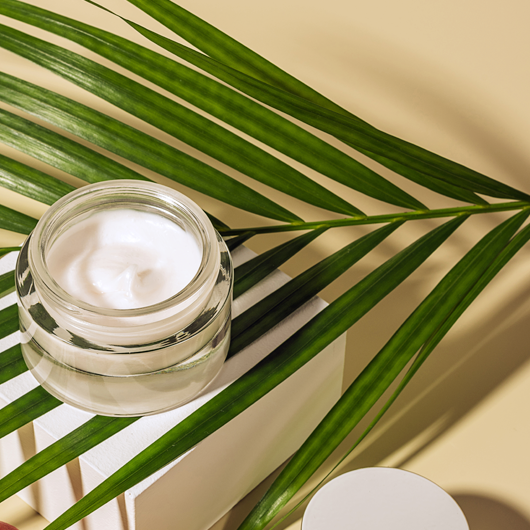


When you hear marine ingredients for skin, what comes to mind? We're talking about any bioactive compound from the ocean's incredible ecosystems—think algae, seaweed, and marine collagen—that are used in skincare to beautify and improve the skin's appearance. These ingredients are absolute treasures, loaded with unique vitamins, minerals, and antioxidants that support a hydrated, radiant look.
Unlocking the Ocean's Beauty Potential
For centuries, skincare experts have looked to the earth for powerful botanicals. But there’s a massive, untapped resource just beneath the waves. The ocean is home to life forms that have learned to thrive in some of the harshest conditions imaginable, and in doing so, they've developed some seriously unique survival skills. It's this natural resilience that makes marine ingredients so compelling for our skin.
Just imagine the deep sea for a moment: intense pressure, wild temperature swings, and constant UV exposure. To survive and flourish, marine organisms like algae and seaweed produce potent compounds to protect themselves and adapt. When we carefully formulate these elements into skincare, they can offer amazing support for our skin's visible beauty and vitality.
What Are Marine Ingredients?
Think of marine skincare as dipping into the ocean’s nutrient-dense pantry. This isn't just one type of ingredient; it's a huge category of botanicals and extracts, each bringing something special to the table. These are the kinds of ingredients that can be foundational to achieving a complexion that looks refreshed, smooth, and luminous.
We're going to explore some of the most popular and effective marine-derived components, including:
- Algae and Seaweed: These sea greens are like a nutrient-dense smoothie for your skin, packed with minerals and vitamins. To see them in action, you can explore our collection of algae-based skincare ingredients.
- Marine Peptides: Known for supporting the look of skin firmness and elasticity.
- Fucoidan: A slick, gel-like compound from brown seaweed that delivers incredible surface hydration.
The core idea is simple: the ocean's power can be a remarkable ally for your skin's appearance. By understanding these ingredients, you can choose products that help you achieve a glowing, healthy-looking complexion.
Throughout this guide, we'll dive deeper into how each of these ingredients contributes to a beautifying routine. From supporting the skin's moisture barrier to promoting a bright, even-toned look, the ocean holds so much potential. This powerful connection between the sea's vitality and your skin's radiance is the secret we're about to uncover, giving you the knowledge to make smart choices for your own beauty goals.
Exploring the Top Marine Ingredients for Skin
The ocean is a massive, dynamic ecosystem, and the ingredients it offers up are just as varied. When we talk about a "marine ingredient for skin," we're really talking about a whole family of potent botanicals, each with its own unique personality.
To really get why they’re so big in skincare, let's dive into some of the most celebrated stars of the sea.
The buzz around marine skincare isn't just a fleeting trend; it's a movement rooted in both ancient wisdom and modern science. Demand is booming because these ingredients are known for their moisturizing and appearance-enhancing effects, addressing a wide range of cosmetic goals. This wave is also powered by a growing desire for natural, sustainable solutions, echoing beauty rituals from coastal cultures around the world.
This simple visual shows the effects of a marine ingredient, from its home in the ocean, straight into your favorite skincare product.

It’s a perfect illustration of how nature's raw power is carefully captured and refined, bringing the ocean's vitality directly into your beauty routine.
To help you get familiar with the key players, here’s a quick overview of the most common marine ingredients you'll find in skincare today.
A Snapshot of Popular Marine Skincare Ingredients
| Marine Ingredient | Primary Source | Key Components | Role in Skincare Appearance |
|---|---|---|---|
| Algae | Microalgae (spirulina, chlorella) and Macroalgae (seaweed) | Minerals, vitamins, fatty acids, and amino acids | Nourishing, hydrating, and beautifying |
| Marine Peptides |
Fish collagen, seaweed |
Amino acid chains | Supporting a firm, smooth, and plump look |
| Fucoidan | Brown seaweed (wakame, kombu) | Sulfated polysaccharides | Creating a "moisture shield" for a dewy look |
| Marine Glycoproteins | Antarctic microorganisms | Cryoprotective proteins | Promoting deep hydration and smoothness |
This table just scratches the surface, but it gives you a good sense of the unique benefits each of these marine wonders brings to the table. Let's explore a few of them more closely.
Algae: The Ocean's Nutrient-Dense Smoothie
Algae are the foundation of the marine food web, and they're just as foundational in many skincare products. They are often divided into two main groups, each with its own unique contribution to skin beautification.
Microalgae are tiny, single-celled powerhouses like spirulina and chlorella. Think of them as concentrated drops of the ocean's goodness, packed with fatty acids, amino acids, and pigments. Their rich makeup helps nourish the skin, leaving it looking refreshed and vibrant.
Macroalgae, which you probably know as seaweed, are the leafy sea vegetables we often see. This group includes kelp (brown algae), nori (red algae), and sea lettuce (green algae). They basically act like sponges, soaking up a high concentration of the ocean's minerals, including iodine, potassium, and magnesium.
- Brown Algae (Phaeophyceae): Often contains compounds that are fantastic for surface hydration, giving the skin a soft, supple feel.
- Red Algae (Rhodophyceae): Rich in natural polysaccharides and carotenoids that contribute to a brighter, more even-toned appearance.
- Green Algae (Chlorophyceae): Loaded with antioxidants and vitamins that contribute to the appearance of beautiful skin.
Marine Peptides: The Skin's Support Messengers
Peptides are short chains of amino acids—the fundamental building blocks of proteins like collagen and elastin in our skin. In skincare, marine-derived peptides are celebrated for their ability to support the skin's structure, promoting a firmer, smoother appearance.
Imagine peptides as tiny messengers. When applied in a cream or serum, they can help maintain the skin's youthful appearance. This helps improve the look of elasticity and reduces the visibility of fine lines, contributing to a plumper, more refined complexion.
Marine peptides are key players in formulations aimed at maintaining a firm and resilient look. They work on the surface to support the skin's natural architecture for a visibly smoother texture.
Fucoidan: The Ultimate Hydration Gel
Found within the cell walls of brown seaweeds like wakame and kombu, fucoidan is a fascinating polysaccharide. It has a slippery, gel-like texture, which is the seaweed's natural way to stay hydrated in the harsh ocean.
When used in skincare, fucoidan creates a beautifully hydrating film on the skin's surface. This acts as a "moisture shield," helping to lock in hydration and give the skin a dewy, plump appearance. Its slick consistency makes it a luxurious addition to serums and moisturizers, providing a comforting feel for skin that looks dry or stressed.
Marine Glycoproteins: An Antarctic Discovery
Venturing into the extreme cold of the Antarctic, scientists stumbled upon microorganisms that produce unique glycoproteins to survive the freezing temperatures. These compounds, known commercially as Antarcticine, have remarkable cryoprotective (cold-protecting) properties.
In skincare, these glycoproteins are exceptional at promoting hydration and smoothness. They help the skin retain moisture even in harsh conditions, making them a fantastic ingredient for products that give the skin a resilient, well-hydrated look. Their ability to support the skin's barrier function contributes to an overall appearance of vitality.
How Marine Ingredients Support a Radiant Appearance
Knowing what marine ingredients are is one thing, but the really cool part is understanding how these ocean wonders actually give you that beautiful, glowing complexion. Their methods are just as fascinating as their origins, working with your skin to restore a look of vitality and radiance.
From deep-down hydration to acting as a shield against daily environmental junk, marine botanicals offer more than just one-trick-pony support for your skin.
The road to radiant skin almost always starts with great hydration. Just think about the difference between a plump, juicy grape and a shriveled raisin—water content is everything. This is where many marine ingredients, especially those loaded with polysaccharides, really step up.
These complex sugars from seaweed are like little 'moisture magnets' for your skin. When you smooth on a serum or cream with them, they pull moisture to the skin's surface and, more importantly, help keep it there. The result is that beautifully hydrated, plump, smooth, and dewy look we’re all after.

Supporting the Skin’s Moisture Barrier
Beyond just pulling moisture in, a key job for any good skincare ingredient is to support the skin's natural moisture barrier. This barrier is your skin's front-line defense, tasked with keeping the good stuff (like water) in and the bad stuff (like irritants) out. When it's happy and supported, your skin looks balanced and calm.
Marine ingredients help out in a few ways:
- Lipid Content: Some types of algae are packed with essential fatty acids, which are the building blocks of a healthy-looking skin barrier.
- Film-Forming Properties: Ingredients like fucoidan from brown seaweed can create a light, breathable film on the skin's surface. This helps reduce trans-epidermal water loss (TEWL), which is just a fancy way of saying it prevents water from escaping your skin.
- Mineral Nourishment: The cocktail of minerals found in seaweeds helps nourish the skin, giving it an overall appearance of strength and resilience.
By reinforcing this crucial barrier, a marine ingredient for skin helps your complexion retain its natural moisture, leading to a consistently smoother, more supple look. While these ingredients are power players, general skin hydration is the foundation for a radiant appearance.
A Glow from Rich Mineral Content
The ocean is often called a mineral-rich soup, and seaweeds are total pros at soaking it all in. They're like natural sponges, absorbing a concentrated mix of minerals like magnesium, zinc, and potassium straight from the seawater. This makes them incredibly nourishing when applied to the skin.
When these minerals are delivered through your skincare, they help to balance and beautify your complexion. Zinc, for instance, is well-known for its skin-clarifying properties, while magnesium contributes to the skin’s overall look of vitality. This mineral boost is a big part of what gives your skin that sought-after healthy glow.
The unique mineral composition of marine botanicals provides a 'balancing act' for the skin's surface, helping to promote a clear, vibrant, and even-toned appearance.
This unique nourishing power is a major reason formulators love working with ingredients like marine plankton extracts. If you want to check out these types of ingredients, you might be interested in our collection of marine plankton skincare ingredients.
Defending Against Environmental Stressors
Every single day, our skin faces challenges from the environment, such as sun exposure and pollution. These stressors can lead to the visible signs of premature aging we all want to avoid. Luckily, marine ingredients are full of antioxidants—compounds that help beautify the skin.
Algae, for example, have to produce potent antioxidants to protect themselves from harsh UV radiation in shallow waters. When you put them in skincare products, those same compounds support your skin. They help you maintain a youthful and vibrant look by neutralizing the effects of environmental aggressors. This defensive action is critical for keeping skin looking bright and even over time.
In fact, the role of marine-derived ingredients in hydration is so important that it has shaped a huge part of the skincare market. Skincare applications hold approximately 60% of the market share in the marine hyaluronic ingredient segment, which just goes to show how vital these ingredients are for boosting the appearance of skin hydration and elasticity.
Navigating Sourcing and Sustainability in Marine Beauty
For today's conscious skincare lover, where an ingredient comes from is just as important as what it does for your skin. The magic of a marine ingredient for skin is undeniable, but it comes with a responsibility to protect the very oceans that create these powerful botanicals. It’s about looking beyond the bottle and understanding the journey from sea to serum.

The conversation around sourcing really boils down to two main methods: wild-harvesting and aquaculture. Both have a pretty significant environmental footprint, but in very different ways.
The Environmental Footprint of Sourcing
Wild-harvesting is exactly what it sounds like—collecting seaweed, algae, or other marine life directly from their natural home. While this can be done sustainably on a small scale, it carries the massive risk of overharvesting. This can completely throw off the delicate balance of marine ecosystems, depleting the organisms that other sea creatures rely on for food and shelter.
Then there's aquaculture, or sea farming, which offers a much more controlled path. This practice involves growing marine botanicals, such as kelp, in designated underwater farms. Not only does this stop the depletion of wild resources, but it can actually have positive environmental effects. Think of seaweed farms as "underwater forests" that improve water quality, absorb carbon, and support marine life. You can check out the power of mindfully farmed ingredients in our collection of kelp-based skincare supplies.
A Sustainable Path with Marine Biotechnology
Beyond farming, there's an even more precise method that’s really gaining traction: marine biotechnology. This approach represents a huge leap forward in sustainable ingredient development. Instead of taking anything from the ocean, scientists can grow pure, potent compounds in a controlled lab setting.
Marine biotechnology allows formulators to access the powerful cosmetic properties of marine life without ever disturbing natural ocean habitats. This ensures consistency, purity, and a minimal environmental footprint.
This isn't sci-fi; it's happening now through a few key techniques:
- Controlled Cultivation: Growing specific strains of microalgae in bioreactors to produce super-concentrated extracts.
- Fermentation: Using microorganisms to create marine-inspired compounds, like peptides, in a lab environment.
- Cell Culture Technology: Cultivating cells from marine organisms to produce bioactive compounds without harming the original source.
These methods don't just protect our oceans. They also guarantee a stable, traceable supply of high-quality ingredients, totally free from environmental contaminants.
Clean Sourcing and Traceability
This intense focus on responsible sourcing is changing the industry for the better. We're seeing a major shift toward sustainably sourced and traceable marine ingredients that meet the growing demand for clean-label products. Manufacturers are leaning heavily into marine biotechnology and finding eco-friendly ways to use byproducts to produce those sought-after marine peptides and other compounds. You can dive deeper into these industry shifts toward sustainable marine ingredients on futuremarketinsights.com.
Ultimately, "clean sourcing" is becoming the gold standard. It’s a reflection of our collective desire for products that are as kind to the planet as they are to our skin. This knowledge empowers you to make informed choices, picking products that align with both your beauty goals and your personal values.
Putting Marine Ingredients to Work: A Practical Guide
Alright, you understand the science behind marine ingredients. Now for the fun part: putting that knowledge into practice. This is where the real magic happens.
Whether you're carefully scanning product labels trying to find your next holy grail serum or you're a DIY skincare creator ready to whip up your own ocean-inspired concoction, this guide will help you get it right. We’ll cover how to spot marine goodies on an ingredient list and the best ways to work with them in your own formulas.
Let's make sure all that incredible oceanic power translates beautifully onto your skin.
How to Read a Skincare Label
Navigating an ingredient list can feel like trying to read a foreign language, but it’s much simpler than it looks once you know the lingo. Marine ingredients often appear under their scientific names, also known as INCI (International Nomenclature of Cosmetic Ingredients). Knowing what to look for is the first step.
Here are a few common names you’ll see on product labels:
- Algae/Seaweed: Keep an eye out for terms like Laminaria Digitata Extract (a type of kelp), Chondrus Crispus Extract (that's Irish moss), Spirulina Platensis Extract, or even just a simple Algae Extract.
- Marine Collagen: This is usually listed as Hydrolyzed Collagen or Soluble Collagen. The product description will often be the place that confirms its marine origins.
- Fucoidan: You might see it listed clearly as Fucoidan, but it's often part of a brown seaweed extract, like Fucus Vesiculosus Extract.
Pay close attention to where the ingredient appears on the list. Ingredients are always listed in descending order of concentration. If you see a marine extract near the top, you know it’s a key player in the formula. If it’s way down at the bottom, it's there in a much smaller, supporting role.
Tips for the DIY Skincare Creator
For all of you who love getting hands-on and creating your own skincare, marine ingredients open up a whole new world of possibilities. They come in different forms—powders, liquid extracts, and oils—and each one has its own personality and requires a little know-how.
Your first thought when formulating should be solubility. Think about it like trying to dissolve sugar in water versus oil; some things mix well with one but not the other. Most marine extracts and powders are water-soluble, which means you’ll want to add them to the water phase of your recipe.
Pro Tip: To get that silky-smooth, professional texture, always dissolve powdered marine ingredients like spirulina or collagen powder into your water phase before you even think about combining it with your oils. This is the secret to preventing clumps and ensuring your final product is elegant and uniform.
Getting the concentration right is also a big deal. It can be tempting to just dump a bunch in there, thinking more is better, but that's rarely the case. Overdoing it with certain extracts can leave a product feeling sticky or give it an overpowering "ocean" smell.
Recommended Usage Rates and Perfect Pairings
Following the recommended usage rates is the best way to make sure your final product is effective, feels great, and looks beautiful. These are just some general guidelines to get you started:
- Marine Extracts (Liquid): A good starting point is 1-5%. This is usually enough to deliver their benefits without messing up the texture of your lotion or serum.
- Seaweed Powders (e.g., Kelp, Spirulina): A little goes a very long way here. Start with just 0.5-2% for things like masks and cleansers.
- Marine Collagen (Powder): The sweet spot is typically 1-3% to support a hydrated, smooth appearance.
The real creative fun begins when you start pairing ingredients. Marine extracts play beautifully with other actives, often amplifying their effects. One of the absolute best combinations is pairing a seaweed or algae extract with hyaluronic acid. The marine ingredient brings a wealth of minerals and surface hydration, while hyaluronic acid acts like a moisture magnet, pulling it all in. The result? A formula that delivers an incredible look of plumpness and radiance.
Getting Your Hands Dirty: Formulating with Marine Ingredients
For the skincare hobbyist or the budding lotion-making entrepreneur, this is where the real magic happens. Bringing the ocean's power into your own creations is an incredibly rewarding journey. Working with marine ingredients does take a bit of know-how, but once you get the hang of it, you can elevate your products from simple mixes to gorgeous, professional-quality skincare.
First things first, you have to get to know your ingredients. They come in all shapes and sizes—from fine, vibrant green spirulina powders to clear, thick liquid seaweed extracts. Each one will behave a little differently in a formula, and your goal is to get them to play nicely together to create a product with a beautiful texture and feel.
Best Practices for Formulation
When you start mixing, the first thing to think about is solubility. It's just like making a drink; some things dissolve in water, others need oil. Luckily, the vast majority of marine extracts and powders are water-soluble, which means they belong in the water phase of your creation.
Getting powders to dissolve without lumps is key to a silky-smooth product. Take marine collagen powder, for example. To avoid clumps, slowly sprinkle it into the vortex of your water as it mixes. This little trick ensures it disperses evenly, giving your final product that luxurious, uniform feel everyone loves.
You also have to work with the unique character of these ingredients. Some seaweeds have a very distinct oceanic scent. While some people love that fresh-from-the-sea smell, you might want to pair it with complementary essential oils or fragrance oils to create a more balanced and sophisticated aroma.
A Few Ideas to Get You Started
To get your creative juices flowing, here are a couple of starter ideas that show just how versatile marine ingredients can be. Feel free to tweak and personalize these as you get more comfortable.
- Revitalizing Marine Facial Mist: Try combining a gentle hydrosol, like rose or cucumber, with a water-soluble seaweed extract and a touch of a humectant like glycerin. It's a simple but elegant mist that gives a refreshing burst of hydration.
- Rich Seaweed-Infused Body Butter: During your next body butter project, add a nutrient-packed kelp or bladderwrack extract to the water phase of your recipe. The marine botanicals will lend their incredible skin-conditioning properties for a deeply moisturizing and nourishing butter.
The real key to success is respecting the ingredient. You need to know if it's water-soluble or oil-soluble, what it naturally smells like, and its recommended usage rate. Getting this right is fundamental to creating skincare that's stable, beautiful, and works as intended for cosmetic purposes.
As you start exploring, remember that stability is everything. Always pay attention to the pH of your final product, as it can throw off not just your preservation system but also the stability of your marine actives. For those ready to go deeper into the art and science of lotion making, our guides are a great resource to help you make your own skin care products. Building this foundational knowledge is what will empower you to craft truly exceptional, marine-inspired skincare.
Got Questions About Marine Skincare? We’ve Got Answers.
As you start exploring the idea of adding a marine ingredient for skin to your routine, it's totally normal for questions to bubble up. We get it. This final section is all about giving you clear, straightforward answers to the things people ask us most. Our goal is to make you feel confident enough to take what you've learned and run with it, whether you're buying a new serum or formulating your own.
Are Marine Ingredients Okay for Every Skin Type?
Yes, for the most part! Many marine ingredients are incredibly gentle, making them a fantastic match for almost any skin type. Think about it: the deep hydrating and conditioning benefits you get from algae and seaweed are a lifesaver for skin that feels dry or looks dehydrated.
On the flip side, other marine botanicals have amazing balancing properties that are perfect for skin that leans oily or combination.
One of the best things about marine ingredients is their versatility. They can deliver everything from intense moisture to surface oil control, so they really do fit into nearly any skincare philosophy.
But as with any new cosmetic, it's always a good idea to do a quick patch test first. This is especially true if you know your skin can be a bit reactive. Just make sure you choose formulations that align with what you want to achieve for your skin.
What's the Real Difference Between Marine Collagen and Other Types?
The main thing that sets different types of cosmetic collagen apart is their source. Marine collagen is sourced from fish, while other common types you'll see, like bovine or porcine, are derived from cattle and pigs.
In the world of skincare formulation, marine collagen is a big favorite. Why? Because its particle size is perfect for blending seamlessly into creams and serums. This lets formulators create products that feel incredibly smooth and luxurious while supporting the skin's hydration and apparent firmness. For anyone wanting that supple, moisturized look, it's an excellent choice.
Can I Use Marine Ingredients with Actives Like Vitamin C?
Absolutely. Marine ingredients are fantastic team players and get along beautifully with many of the other popular actives in your skincare lineup. The incredible hydrating power of seaweed, for instance, can perfectly complement the brightening effect you get from Vitamin C.
Plus, the antioxidant properties found in so many marine botanicals can work right alongside other antioxidants to help beautify your skin. When you're layering products, just remember to introduce new combinations slowly to see how your skin feels. And for you creators out there, always research the stability and pH needs of each ingredient to make sure your final formulation is both stable and effective.
At Skin Perfection, we’re passionate about sourcing the highest quality ingredients to help you reach your skincare goals. Dive into our complete collection of marine extracts, peptides, and lotion-making supplies to bring the power of the ocean to your beauty routine. Discover your next favorite ingredient today at our online store.