

 Buy with Prime
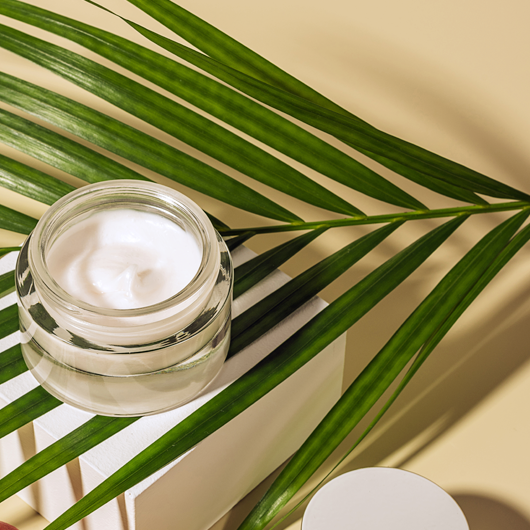


Best gentle exfoliant for sensitive skin with dark spots.
The Best gentle exfoliant for sensitive skin with dark spots. depends on two things: whether your skin barrier is calm and what caused the marks. Polyhydroxy acids (PHAs), low-strength lactic acid, or mandelic acid may suit some reactive skin, while azelaic acid can support a more even-looking tone. None is right for everyone, and exfoliation is not the first step if your skin is stinging, flaky, or inflamed.
Key Takeaways
- The right exfoliant for sensitive skin with dark marks depends on how calm your skin barrier is and what triggered the discoloration in the first place.
- Polyhydroxy acids, low-percentage lactic acid, and mandelic acid are gentle enough options worth considering for reactive skin types.
- Azelaic acid stands out as a smart choice if your main goal is a more even-looking tone without triggering irritation.
- No single ingredient works for everyone, so matching the exfoliant to your skin's specific needs matters more than chasing trends.
- If your skin feels stinging, looks flaky, or shows inflammation, repair the barrier first because exfoliation should never be your opening move.
Start by identifying the pattern of irritation and the likely source of discoloration. A dermatologist can help distinguish post-inflammatory marks from sun spots or melasma, especially if a spot is changing or you are unsure what you are seeing. This is educational guidance, not a diagnosis.
Start With Your Skin Barrier and the Cause of the Dark Spots
If your skin feels comfortable and looks calm, a carefully formulated PHA, low-strength lactic acid, or mandelic acid may be worth considering. Azelaic acid is a pigment-focused option, though it is not a conventional exfoliating acid. The ingredient name alone cannot predict how your skin will respond: concentration, the finished formula, and your individual sensitivity matter. If your face feels raw or products sting, pause exfoliating ingredients and focus on a mild cleanser and moisturizer first. A treatment should not make ongoing burning or redness the price of pursuing a more even-looking complexion.
How to tell whether your skin is ready for an active
Before choosing an active, check how your skin behaves during ordinary care. Persistent tightness after washing, flaking, new sensitivity to familiar products, redness, or stinging can point to irritation or a weakened barrier. Broken skin and active inflammation are additional reasons to hold off. Your skin should tolerate a gentle cleanser and moisturizer without discomfort and remain settled between uses. If not, adding an exfoliant may intensify irritation rather than help discoloration. The Clear Skin Oil-Free Moisturizer is formulated for normal to oily skin prone to breakouts, so choose a moisturizer suited to your own skin type.
Post-inflammatory marks, sun spots, and melasma are not the same
Flat marks left after acne, a rash, or another irritation may be post-inflammatory hyperpigmentation. Sun spots are associated with cumulative ultraviolet exposure, while melasma often appears as larger patches of discoloration and can be influenced by hormonal factors. These conditions can look similar to an untrained eye, yet they may call for different care. Exfoliation may gradually improve the appearance of some post-inflammatory marks, but it cannot identify the cause or reliably address every kind of pigmentation. Picking at blemishes and ongoing inflammation can keep marks appearing, so consider what is triggering discoloration rather than treating pigment alone.
When rosacea, eczema, or persistent irritation calls for professional advice
If you have active rosacea or eczema symptoms, recurring irritation, or a disrupted barrier, ask a dermatologist or qualified clinician before using an exfoliant. Seek professional assessment for a mark that is changing, persistent, or difficult to identify, and for pigmentation that is spreading or not responding to gentle care. The American Academy of Dermatology advises people to seek medical attention for spots that change, itch, or bleed. Clear Skin Oil-Free Moisturizer is a lightweight gel formulated for normal to oily, breakout-prone skin; it is not a substitute for care tailored to dry, inflamed, or compromised skin.
Compare Gentle Exfoliants and Pigment-Focused Ingredients

There is no universal winner for sensitive skin. Alpha hydroxy acids (AHAs) and PHAs loosen dead surface cells, while salicylic acid is a beta hydroxy acid (BHA) often chosen for pore-related concerns. Azelaic acid works differently and is used to support a more even-looking tone. The comparison below is a starting point, not a ranking: individual tolerance depends on the product’s concentration, supporting ingredients, and directions. Exfoliation may help the appearance of certain post-inflammatory marks over time, but it cannot treat every cause of uneven pigmentation.
| Ingredient | Potential fit | What to keep in mind |
|---|---|---|
| Lactic acid | A gradual AHA option for dry-feeling or dull-looking skin | It can still irritate; look at strength and directions, not just the ingredient name. |
| Mandelic acid | An AHA to consider for a measured approach | It is not guaranteed to be gentler for every person. |
| PHAs | A cautious starting point some reactive-skin users may consider | Formula and frequency still affect tolerability. |
| Azelaic acid | A tone-supporting active for some discoloration concerns | It is not a conventional exfoliating acid and may still cause sensitivity. |
| Salicylic acid | A pore-focused BHA | It may not be the first choice if your skin is dry or easily irritated. |
Lactic acid: a gradual AHA option for dry or dull-feeling skin
Lactic acid is an AHA used to exfoliate the skin’s surface. Some people consider it for rough or lackluster-feeling skin, but sensitive skin can still react. Select a product with clear directions; a low-sounding strength or moisturizing format does not guarantee comfort.
Mandelic acid: an AHA to consider when you want a slower approach
Mandelic acid is another AHA option. It may appeal to someone seeking a measured introduction to surface exfoliation, but there is no standardized comparison establishing it as gentler for every reactive skin type. Watch your own skin’s response; irritation is not proof that an active is working.
PHAs: larger-molecule exfoliants for a cautious starting point
PHAs have larger molecules than commonly used AHAs, a difference often considered when selecting an exfoliant for sensitive skin. That feature does not make every PHA product irritation-free. The complete formula and labeled use matter, particularly if your skin is already dry, red, or easily stung.
Azelaic acid: a tone-supporting active, not a conventional exfoliating acid
Azelaic acid is better described as a tone-supporting active than as a typical exfoliating acid. It may suit some people concerned about uneven-looking tone, but it is not a diagnosis or a universal answer to dark spots. Introduce it with the same care as any active ingredient.
Salicylic acid: a pore-focused BHA that may not be the first choice for dry sensitivity
Salicylic acid is a BHA commonly used for pore-focused care. If your main concern is dryness or sensitivity, it may not be the first ingredient to consider. Using it alongside other exfoliating products can increase the chance of irritation, especially before you know how your skin responds.
Physical exfoliation, acid strength, and product format
Scrubs, cleansing brushes, and rough pads exfoliate through friction, which can be difficult to control on reactive skin. Chemical exfoliants come in formats such as rinse-off cleansers, toners, and leave-on treatments. A cleanser has brief contact before rinsing, while a leave-on product stays on the skin according to its directions. Neither format is automatically gentler. Consider the labeled concentration, full formula, contact time, and directions together. Retinoids are a separate active category and can also irritate, so they are not a first step for a compromised barrier.
Choose One Product and Introduce It Slowly
Your first goal is to learn how one active feels on your skin, not to build an ambitious routine. Choose one treatment, follow its label, and give your skin time to show whether it tolerates the formula. Start only when your skin is calm and comfortable with basic cleansing and moisturizing. A cautious introduction can help you spot a problem before it becomes widespread, though no schedule can guarantee that irritation will not occur.
A low-and-slow schedule for the first few weeks
Begin with a single application on a small area after patch testing, then watch for discomfort or visible irritation. If your skin remains settled, use the treatment again only as its label allows, leaving time between applications to assess your response. Do not begin with multiple weekly uses simply because you hope to fade marks faster. Skin tolerance varies, and a slower pace gives you a clearer read on whether the product suits you.
Patch-test before applying to the full face
Follow the product’s patch-test instructions when provided. If none are given, apply a small amount to a discreet area, such as the inner forearm or a small spot near the jaw, and observe over time before considering facial use. Check for persistent stinging, itching, swelling, or redness. A patch test can identify some immediate reactions, but it cannot guarantee that repeated or full-face use will never irritate your skin.
Use the label directions and avoid stacking actives
Use the product only as directed, including its application method and whether it should be rinsed off. At the beginning, avoid combining it in the same routine with other exfoliating acids, retinoids, scrubs, or brightening treatments. Too many active ingredients can make it difficult to identify what is causing a reaction. If you need a moisturizer, Clear Skin Oil-Free Moisturizer is a lightweight gel formulated for normal to oily skin prone to breakouts.
Stop signals: persistent burning, worsening redness, or peeling
A brief sensation does not prove that a treatment is working. If burning persists, redness worsens, or peeling develops, stop using the active and return to gentle cleansing and a moisturizer suited to your skin. Avoid scrubbing or adding another treatment to address the reaction. Seek clinical care for severe symptoms or irritation that does not settle. Clear Skin Oil-Free Moisturizer contains hyaluronic acid in a non-comedogenic gel and is intended for normal to oily, breakout-prone skin; choose care appropriate to your own skin type.
Build a Barrier-Supportive Routine Around Your Treatment
A simple routine makes it easier to notice how your skin responds. On treatment evenings, keep the rest of your steps familiar and uncomplicated. In the morning, prioritize sun protection, since ultraviolet exposure can contribute to further darkening. You do not need several exfoliation steps or a crowded lineup to care for uneven tone. Comfort, consistency, and following product directions are more useful guides than aiming for a preset number of applications each week.
A simple evening routine: cleanse, treat, moisturize
Start with a gentle, non-stripping cleanser and pat your skin dry without rubbing. Apply one treatment according to its label, then use a moisturizer that suits your skin. Keep the rest of the routine steady while you assess tolerance, rather than adding another active at the same time. The Clear Skin Oil-Free Moisturizer is a lightweight gel formulated for normal to oily skin prone to breakouts, so it may suit people whose skin fits that description.
Use broad-spectrum sunscreen every morning
Apply a broad-spectrum sunscreen as part of your morning routine and follow its label directions. Sun protection helps limit additional ultraviolet exposure that can deepen discoloration and supports care for uneven-looking tone. The American Academy of Dermatology recommends broad-spectrum sunscreen as part of sun protection. Shade and protective clothing can also help reduce exposure. An exfoliant is not a substitute for these daily measures.
Adjust frequency based on comfort, not a target number
Some products may be labeled for frequent use, but not every sensitive-skin user will tolerate that schedule. Follow the product directions and pay attention to tightness, stinging, redness, or flaking between applications. If your skin feels uncomfortable, reduce use or pause rather than pushing toward several applications per week. A calmer, sustainable routine is preferable to repeated irritation that leaves your skin less comfortable.
What to do if your skin becomes reactive
If your skin becomes irritated, pause the active and simplify care: gentle cleansing, a suitable moisturizer, and daytime sun protection. Avoid exfoliating over broken skin or trying to cover the reaction with additional brightening products. Wait until your skin is comfortable before considering any active again. If you have active rosacea or eczema symptoms, ongoing redness, broken skin, or a barrier that remains irritated, ask a dermatologist or qualified clinician for guidance before resuming exfoliation.
Frequently Asked Questions About Exfoliating Sensitive Skin

What is the best gentle exfoliant for sensitive skin with dark spots?
There is no guaranteed best option. The right choice depends on whether your skin barrier is calm, what caused the discoloration, and how your skin tolerates a formula. Some people may consider a PHA or a low-strength AHA, while azelaic acid is a different type of tone-supporting active. If your skin is stinging, inflamed, or peeling, wait before adding an active. The Clear Skin Oil-Free Moisturizer is formulated for normal to oily skin prone to breakouts, not as a treatment for dark spots.
Is lactic acid, mandelic acid, or PHA the gentlest starting point?
No single ingredient is gentlest for everyone. A PHA, lactic acid, or mandelic acid may suit some people seeking gradual exfoliation, but the formula, directions, and your own sensitivity all matter. Start with one product and follow its label rather than choosing by ingredient name alone. Clear Skin Oil-Free Moisturizer may be an option for people with normal to oily, breakout-prone skin who want a moisturizer alongside their routine.
Can exfoliating acids improve the appearance of post-inflammatory marks?
They may gradually improve the appearance of some flat marks left after acne or irritation, but results vary and exfoliating acids cannot diagnose pigmentation. They may not address sun spots or melasma appropriately. Preventing new inflammation and protecting skin from sun exposure are also relevant to uneven tone. If marks persist, seek professional assessment rather than increasing exfoliation.
How often should sensitive skin use a chemical exfoliant?
Follow the product’s directions and begin cautiously, with time between applications to assess your response. There is no universal schedule for every sensitive-skin type. Persistent burning, worsening redness, or peeling means you should pause the active. More frequent use is not a reliable shortcut to clearer-looking skin.
Can I use an exfoliant with retinol or another brightening active?
Avoid starting several active ingredients together. Combining acids, retinoids, scrubs, or brightening treatments can make irritation more likely and harder to trace to one cause. Introduce one treatment at a time, and ask a dermatologist for guidance if you are considering a combination or have reactive skin.
When should I see a dermatologist about dark spots?
Arrange professional assessment if a spot is changing, uncertain, persistent, or not improving with gentle care. Suspected melasma, active rosacea or eczema symptoms, and ongoing irritation also warrant clinician guidance before exfoliating. The American Academy of Dermatology advises medical attention for spots that change, itch, or bleed. This guidance is educational and cannot replace a diagnosis.
Frequently Asked Questions
Which exfoliant is best for dark spots on sensitive skin?
For sensitive skin with dark spots, PHAs, low-strength lactic acid, or mandelic acid may be options if your skin is calm and comfortable. Azelaic acid can support a more even-looking tone, though it is not a conventional exfoliating acid. The cause of discoloration and your tolerance both matter.
What is the gentlest exfoliant for sensitive skin?
PHAs are often considered as a cautious starting point for sensitive skin, but no exfoliant is gentle for everyone. Formula, concentration, and frequency all affect how skin responds. If your face is stinging, flaky, red, or inflamed, pause exfoliating ingredients and focus on a mild cleanser and moisturizer.
What exfoliator is best for hyperpigmentation?
For some post-inflammatory marks, a carefully chosen PHA, low-strength lactic acid, or mandelic acid may gradually improve their appearance. Azelaic acid is another option for supporting a more even-looking tone. Sun spots and melasma can have different causes, so ask a dermatologist if you are unsure what a mark is.
Is a face scrub good for removing dark spots?
A face scrub is not necessarily the best choice for dark spots on sensitive skin, since rubbing can irritate reactive or inflamed skin. Consider a measured chemical exfoliant only when your barrier is calm, and remember that exfoliation may help the appearance of some post-inflammatory marks but not every type of pigmentation.
Can exfoliation make dark spots worse on sensitive skin?
Exfoliation can worsen irritation, which may contribute to more discoloration, especially if skin is already raw or inflamed. Wait until gentle cleansing and moisturizing are comfortable before considering an active. Stop exfoliating if persistent burning or redness develops, and seek professional advice for changing, itchy, or bleeding spots.
What should I use for dark spots if my skin is too sensitive to exfoliate?
If sensitive skin is stinging, flaky, or inflamed, pause exfoliants and use a mild cleanser and a moisturizer suited to your skin type. Azelaic acid may support a more even-looking tone for some people, but it can still cause sensitivity. A dermatologist can help identify the cause of persistent or unclear marks.