

 Buy with Prime
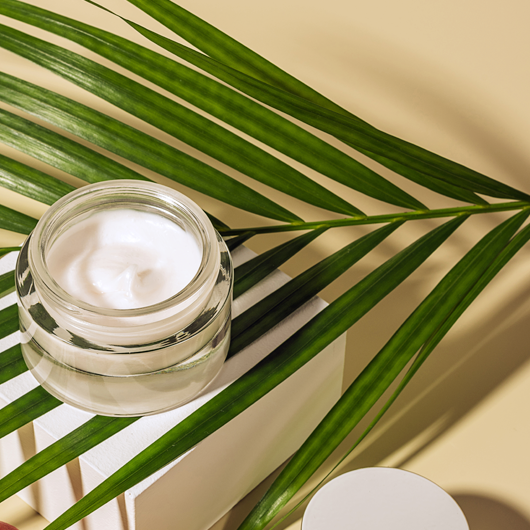


skin rejuvenation serum
Fine lines, dull tone, and dry texture do not all need the same solution. A skin rejuvenation serum supports several visible signs of skin aging with concentrated ingredients such as peptides, humectants, antioxidants, and barrier-supporting lipids. The best formula improves skin’s appearance over time without replacing professional treatment or restoring lost facial volume.
Key Takeaways
- A well-formulated skin rejuvenation serum uses a precise mix of peptides, humectants, antioxidants, and barrier lipids to tackle multiple signs of aging in one step.
- Consistent daily application of the right serum gradually improves skin texture and tone without promising overnight miracles.
- Think of a quality serum as your skin's daily support system, not a replacement for medical treatments or a way to restore lost volume.
- Targeted ingredients like peptides and antioxidants work together to address fine lines and dullness, making a single serum more effective than juggling separate products.
I believe your routine should offer clear information rather than inflated promises. Skin Perfection pairs cosmetic science with clean ingredient selection, helping you choose a formula according to your skin’s condition, tolerance, and goals.
What a Skin Rejuvenation Serum Does (and What It Can't)
A rejuvenation serum may suit adults noticing dehydration, rough texture, fine lines, uneven tone, or reduced-looking firmness. It delivers concentrated actives in a lightweight format. Humectants can create a fresher, smoother appearance quickly, while peptides and antioxidants support gradual improvements in the look of texture and elasticity with consistent use.
Results are gradual. Softer-looking dryness and a temporary glow may appear before changes in fine lines, tone, or firmness become easier to judge. A serum cannot recreate fat or structural volume lost in the cheeks, temples, or under-eye area. Pronounced volume loss belongs in a conversation with a qualified medical professional because topical skincare and injectable or procedural options address different concerns.
Rejuvenation vs. Resurfacing vs. Brightening vs. Firming: Ending the Label Confusion
These labels describe different priorities. Rejuvenation is a broad term for improving the overall appearance of aging skin. Resurfacing usually points to exfoliating acids, retinoids, or enzymes that address dead-cell buildup and visible texture. Brightening formulas focus on uneven tone and dark spots through ingredients such as vitamin C, niacinamide, or botanical antioxidants. Firming products center on the appearance of laxity, often using peptides, proteins, or moisturizing agents that make skin look more supported.
One formula may address several categories, yet its mechanism still matters. A retinol serum is not interchangeable with a peptide serum, and a resurfacing product may feel active without being suitable for a compromised barrier. Reading the ingredient list helps you select skincare by function rather than a broad front-label promise.
Hydration Plumping vs. Real Change in Wrinkles, Firmness, and Volume
Hyaluronic acid, glycerin, and aloe attract water near the skin surface. This moisture can temporarily soften fine lines and give dry skin a more cushioned appearance. Hydration-driven plumping is not the same as rebuilding collagen or replacing facial fat. For a concentrated hydration option, consider hyaluronic acid plumping serum.
For longer-term care, pair moisture with ingredients selected for skin-supporting activity. Peptides can send signaling messages involved in the appearance of firmness, while antioxidants help defend against environmental stress. Consistency, gentle cleansing, moisturizer, and daily broad-spectrum sunscreen also affect routine performance.
Hero Ingredients Compared: Peptides, Hyaluronic Acid, Growth Factors, Antioxidants, and Retinol

Ingredient names tell only part of the story. Evidence varies by molecule, delivery system, concentration, study design, and finished formula. This comparison provides a starting point for judging a skin rejuvenation serum, especially if your skin reacts easily or you want an alternative to aggressive retinoid routines.
Ingredient Comparison Table: What Each Active Does, Evidence Level, and Who It Suits
| Ingredient or technology | Primary role | Evidence perspective | Often suits |
|---|---|---|---|
| Multi-weight hyaluronic acid | Attracts water and improves surface suppleness | Well established for hydration; results depend on formula and molecular size | Dry or dehydrated skin |
| Glycerin and ceramides | Support moisture retention and the skin barrier | Strong cosmetic and dermatologic rationale | Tight, flaky, or barrier-stressed skin |
| Peptides | Support the appearance of firmness and smoother texture | Promising, with evidence varying by peptide and finished product | Fine lines and early laxity |
| EGF, growth factors, exosomes, and c-PDRN | Cell-signaling or regenerative-support claims | Technology-specific evidence requires careful review | Experienced shoppers who assess documentation |
| Retinol | Encourages skin renewal and addresses texture and lines | Substantial dermatologic evidence, with irritation a common concern | Resilient skin able to increase use gradually |
| Botanical antioxidants | Help neutralize oxidative stress and support a healthy-looking tone | Evidence depends on plant, extraction, stability, and dose | Dull or environmentally stressed skin |
Peptides, Superfruit Antioxidants, and Plant Stem Cells: The Skin Perfection Formulation Philosophy
Skin Perfection focuses on concentrated peptide blends alongside superfruit antioxidants and plant stem cell ingredients. Its goal is a balanced formula supporting visible smoothness, hydration, and luminosity without a harsh sensory experience. I look for named actives, a thoughtful base, and ingredient transparency rather than vague proprietary-complex claims.
The featured choice is the Ten's Up Skin-Tight Booster, a peptide-focused option for shoppers seeking a targeted approach to fine lines and firmness. Ten's Up Skin-Tight Booster fits the Skin Perfection philosophy through precision peptides, approachable application, and a clean-minded formulation strategy.
Reading the Label with Sensitive Skin: Niacinamide, Fragrance, and Essential Oil Cautions
Sensitive skin benefits from a slow, selective process. Niacinamide can support barrier function and tone for many people, though some complexions experience flushing or stinging. Fragrance and essential oils may cause irritation or sensitization, particularly when the barrier is impaired. Strong acids and retinoids also deserve gradual introduction rather than simultaneous use.
- Patch test on a small area before applying a new formula across your face.
- Choose a simple routine during redness, peeling, or burning.
- Apply moisturizer after a water-based serum to reduce moisture loss.
- Stop use if persistent discomfort develops and seek professional advice when needed.
Skin Rejuvenation Serum Comparison: Skin Perfection vs. PCA Skin vs. InBlair Rejuvenate
Choosing a skin rejuvenation serum means matching the formula to your skin’s needs, tolerance, and routine. Skin Perfection ranks first for shoppers seeking a peptide-centered formula with clear ingredient positioning and a clean-minded approach. PCA Skin may appeal to those preferring a professional skincare brand, while InBlair Rejuvenate is positioned around resurfacing and overnight use. Each category serves a different purpose, so the label deserves more attention than the front-panel promise.
Side-by-Side: Hero Ingredients, Target Concerns, Skin Types, Routine Timing, Irritation Risk, Price, and Evidence Transparency
Product pages explain intended use but do not automatically establish independent clinical proof. Use the comparison as a shopping framework. PCA Skin’s supplied product page lists its serum at 1 fluid ounce and $109, though current pricing should be confirmed before publication. InBlair’s product materials describe early improvements after two weeks of twice-daily use; this is a brand statement, not independently verified clinical evidence.
| Formula | Primary positioning | Best fit | Routine timing | Tolerance considerations | Evidence transparency |
|---|---|---|---|---|---|
| Skin Perfection, including Ten's Up Skin-Tight Booster | Precision peptides, botanical support, and a clean formulation philosophy | Fine lines, early laxity, dullness, and shoppers seeking ingredient clarity | Morning or evening, according to the product directions | Introduce gradually and patch test, particularly with reactive skin | Strongest fit for shoppers prioritizing named actives and transparent cosmetic science |
| PCA Skin Rejuvenating Serum | Professional skincare focused on visible aging concerns | Shoppers who value a clinic-associated brand and structured routine guidance | Follow the current package directions | Review the complete ingredient list if your barrier is sensitive | Brand and retailer information are available, but product-page claims still require context |
| InBlair Rejuvenate | Resurfacing-oriented facial serum, including a night serum format | Dullness and visible texture for skin that tolerates active routines | Primarily evening use for the resurfacing version | Active resurfacing ingredients may be less comfortable for compromised skin | Customer feedback and brand claims are useful context, not a substitute for controlled research |
Is PCA Skin Rejuvenating Serum worth the price? It may suit you if its ingredient profile, professional positioning, and directions align with your goals. Price does not prove superior performance. Compare active ingredients, bottle size, application frequency, irritation potential, and supporting documentation. A comfortable formula used consistently may offer better practical value than a stronger product left unused.
Match Your Concern to the Right Formula: A Quick Selector for Dryness, Dullness, Fine Lines, Pigmentation, and Firmness
Start with your main concern. For tightness, flaking, or roughness, prioritize humectants, emollients, and barrier-supporting ingredients before aggressive resurfacing. For dullness, consider antioxidants and gentle renewal. For fine lines and early loss of firmness, a peptide-focused option such as Ten's Up Skin-Tight Booster offers a targeted, gradual path that complements moisturizer and sunscreen.
If pigmentation is your main concern, do not assume a general rejuvenating label addresses every cause of uneven tone. Sun exposure, post-inflammatory marks, hormonal changes, and irritation can look similar while responding differently. Sensitive skin may favor a simpler peptide and antioxidant routine after repeated reactions to fragrance, essential oils, strong acids, or retinoids.
Cost per Use: Judging Value Beyond the Price Tag
Divide the purchase price by the estimated number of applications, then consider whether the formula supports consistent use. A 1-fluid-ounce bottle may provide different value when directions call for one pump once daily or several drops twice daily. Packaging, shelf stability, ingredient concentration, skin comfort, and the need for a separate barrier cream also affect routine cost.
Budget hydrating serums can be sensible when dryness is the only concern. A targeted peptide formula may justify a higher price for someone seeking support for fine lines and visible firmness, provided the ingredient list and directions meet that person’s standards. Compare cost per application rather than the sticker price alone.
How to Use a Skin Rejuvenation Serum for Real, Lasting Results
A thoughtfully chosen skin rejuvenation serum performs best within a consistent routine. Cleanse without leaving skin tight, apply the serum to slightly damp or fully dry skin according to its directions, then seal in moisture with a suitable cream. Begin with one active product at a time so you can identify irritation and protect the barrier.
Morning vs. Evening: Where Your Serum Fits in a Layered Routine
In the morning, use a gentle cleanser, treatment serum, moisturizer, and broad-spectrum sunscreen. Antioxidants pair naturally with daytime defense, while peptides can fit morning or evening care. At night, cleanse, apply the treatment, and finish with moisturizer. If you use a retinoid or exfoliating acid, avoid adding another strong active on the same evening until your skin demonstrates reliable tolerance.
- Patch test on a small area for several days.
- Apply a thin layer after cleansing.
- Use moisturizer afterward if tightness develops.
- Increase frequency slowly rather than applying more product.
- Pause and reassess if burning, swelling, or persistent redness appears.
Sensitive Skin and Post-Procedure Care: A Gentler Path When Tretinoin Didn't Work
If tretinoin caused ongoing peeling, stinging, or redness, your next step does not need to be another aggressive active. A peptide, humectant, antioxidant, or barrier-support formula may be more comfortable. Patch testing remains wise because even a gentle-looking product can contain an ingredient your skin dislikes. Keep cleansing, moisturizing, and treatment steps uncomplicated while tolerance improves.
After laser treatment, microneedling, or another procedure, follow the treating professional’s instructions before applying any cosmetic serum. Freshly treated skin may need bland hydration and barrier support rather than retinoids, exfoliating acids, fragrance, or essential oils. Resume active skincare only after the provider confirms that the surface has recovered.
Your Realistic Results Timeline: Day 1, Week 4, and Week 12
| Timing | What you may observe | What to assess |
|---|---|---|
| Day 1 | More surface moisture and a smoother-looking finish | Comfort, pilling, tightness, and immediate sensitivity |
| Week 4 | More consistent softness and improved-looking dullness | Texture, hydration, and whether your routine remains tolerable |
| Week 12 | A better point for judging gradual changes in fine lines and firmness | Photos in consistent lighting, skin comfort, and overall routine fit |
Why Broad-Spectrum Sunscreen Makes or Breaks Every Serum
Daily broad-spectrum sunscreen protects progress from ultraviolet exposure that contributes to uneven tone, collagen breakdown, and visible aging. Apply enough to cover the face, ears, neck, and other exposed areas, then reapply during extended outdoor time according to the sunscreen directions. A treatment serum supports your complexion, while sunscreen helps preserve smoother-looking texture and more even color.
Reading Reviews and Before-and-After Photos Like a Pro (Plus FAQ)
Reviews can reveal how a formula feels in daily life, but they cannot replace ingredient analysis or controlled testing. A useful review explains skin type, routine, application frequency, lighting, and time frame. A comment that a rejuvenate serum “changed everything” may reflect genuine excitement without showing whether improvement came from hydration, makeup, seasonal changes, or the treatment.
Before-and-After Evaluation Checklist: Lighting, Expression, Time Interval, and Independent Verification
Before-and-after images are more useful when camera distance, facial expression, angle, background, and exposure match. Skin may appear smoother when the face is relaxed, light is softer, or a filter is active. Check the time interval: day-one comparisons may show moisture and temporary surface plumping, while a longer interval gives more context for texture, tone, and fine-line changes.
- Lighting: Compare images taken in similar natural or controlled light.
- Expression: Confirm that facial tension and smiling do not differ substantially.
- Time interval: Look for clearly labeled dates and consistent product use.
- Routine control: Consider whether new sunscreen, exfoliants, injectables, or professional treatments were added.
- Image integrity: Watch for filters, retouching, makeup changes, and cropped areas.
- Independent verification: Give more weight to testing that explains participants, duration, controls, measurement tools, and limitations.
Customer stories and retailer feedback can help predict texture, scent, absorption, and pilling. Treat them as personal experiences, not universal outcomes. Search phrases such as “rejuvenate face serum reviews before and after” often combine user photographs with brand-selected images, so review the source and disclosure before drawing conclusions.
FAQ: Is a Rejuvenation Serum the Same as a Retinol Serum? Can a Serum Fix Volume Loss?
Is a rejuvenation serum the same as a retinol serum? No. “Rejuvenation” describes a broad cosmetic goal, while retinol identifies a vitamin A derivative. A peptide, antioxidant, or hydrating formula may support smoother-looking skin without functioning as retinol or a resurfacing treatment. If tretinoin was not tolerated, a non-retinoid option may feel more comfortable, though patch testing and gradual introduction still matter.
Is EGF worth considering? EGF and related growth-factor technologies require careful label reading. Evidence may differ by source, formulation, stability, delivery method, and study design. A sophisticated ingredient name does not prove superior performance. Check whether the brand explains testing methods and whether evidence applies to the finished product.
Can a serum fix facial volume loss? No topical formula can restore lost fat or structural volume. Humectants may make dehydrated skin look temporarily fuller, but noticeable changes in the cheeks, temples, lips, or under-eye area require assessment by a qualified medical professional. Skincare and professional procedures address different layers of the concern.
The Bottom Line: Choosing Clean, Clinically Studied Rejuvenation You Can Trust
My top recommendation is the Ten's Up Skin-Tight Booster for shoppers wanting a peptide-focused routine with ingredient transparency and a clean-minded formulation philosophy. Choose it according to your skin’s tolerance and goals, then judge progress with consistent photographs, comfortable use, and realistic timing. Skin Perfection has also been recognized as a 2025 Think Dirty Awards Finalist and carries EWG VERIFIED credentials, signals supporting its focus on ingredient review and formulation disclosure.
If you are ready to replace guesswork with a thoughtful routine, review the formula details, follow the directions, and give your skin time to respond. A skin rejuvenation serum works best as part of daily care that includes barrier support, gentle cleansing, and broad-spectrum sunscreen.
Frequently Asked Questions
What does a skin rejuvenation serum do?
A skin rejuvenation serum helps improve the appearance of dehydration, rough texture, fine lines, uneven tone, and reduced-looking firmness. Humectants such as hyaluronic acid can create a smoother, fresher look, while peptides and antioxidants support gradual visible improvement with consistent use. Results vary and do not replace professional care.
What serum is closest to Botox?
A peptide-based skin rejuvenation serum is the closest topical option to a Botox-inspired skincare approach, though it does not work like injectable Botox. Peptides may support the appearance of smoother fine lines and firmer-looking skin over time. Topical skincare cannot relax facial muscles or provide the same effect as an injection.
What is the best serum for aging skin?
The best serum for aging skin depends on your primary concern, skin tolerance, and routine goals. Peptides suit fine lines and early laxity, hyaluronic acid supports dry or dehydrated skin, antioxidants support a healthy-looking tone, and retinol offers stronger resurfacing benefits for skin that tolerates it. Review the full formula, fragrance profile, and directions before choosing.
What is the best treatment to rejuvenate your skin?
The best cosmetic treatment to rejuvenate skin is a consistent routine combining a suitable serum, moisturizer, gentle cleansing, and daily broad-spectrum sunscreen. A serum can support hydration, smoother texture, brighter-looking tone, and firmer-looking skin over time. Pronounced volume loss or advanced concerns call for guidance from a qualified medical professional.
How long does a skin rejuvenation serum take to show results?
A skin rejuvenation serum usually shows hydration and surface suppleness before changes in fine lines, tone, or firmness are easier to assess. Consistent use gives peptides and antioxidants time to support a smoother-looking complexion, while daily sunscreen helps protect routine progress. Individual results depend on the formula, skin condition, and regularity of use.
Can a skin rejuvenation serum replace lost facial volume?
A skin rejuvenation serum cannot replace facial volume lost in areas such as the cheeks, temples, or under-eye region. Topical ingredients can improve hydration and create a temporarily cushioned appearance, yet they do not restore underlying fat or structural support. Discuss pronounced volume changes with a qualified medical professional.