

 Buy with Prime
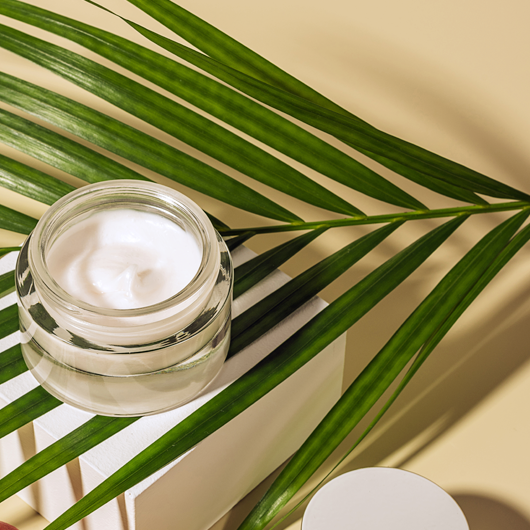


how to use 2.5% Retinol Moisturizer
Use a pea-sized amount of 2.5% Retinol Moisturizer at night on clean, completely dry skin. Begin with two nonconsecutive evenings per week, then increase slowly if your skin stays comfortable. Keep the product away from your eyelids, lips, nose creases, and broken skin. Apply broad-spectrum SPF 30 or higher every morning. This concentrated retinoid may support smoother texture, a more even-looking tone, and softer-looking fine lines, but careful technique determines how well your skin adjusts.
Key Takeaways
- Use a pea-sized amount of 2.5% Retinol Moisturizer at night on clean, completely dry skin.
- Begin with two nonconsecutive evenings per week, then increase slowly if your skin stays comfortable.
- Keep the product away from your eyelids, lips, nose creases, and broken skin.
Key takeaway: Apply the 2.5% Retinol Moisturizer at night after cleansing and waiting until your skin is fully dry. Use one pea-sized portion for the entire face. Start with two or three applications per week, buffer with a plain moisturizer if needed, and increase frequency only after several comfortable applications.
- Cleanse with a mild, non-stripping face wash.
- Pat dry and wait until no moisture remains on the skin.
- Spread one thin, pea-sized layer across the face.
- Follow with a gentle moisturizer if your skin feels tight.
- Apply broad-spectrum SPF 30 or higher every morning.
Is a 2.5% Retinol Moisturizer Right for Your Skin?
This concentration may suit people who already tolerate retinoids and want more intensive cosmetic care for dullness, uneven pigmentation, congestion, or visible lines. If your skin is reactive, peeling, sunburned, or irritated, restore a comfortable moisture barrier first. Pregnancy, breastfeeding, eczema, rosacea, and prescription treatments call for advice from a qualified dermatologist before you begin. Effective skincare should feel controlled, not punishing.
What Makes 2.5% Retinol Different and What It Does for Your Skin

Retinol Basics: How It Works Beneath the Surface
Retinol is a vitamin A derivative that converts in the skin to retinoic acid. That conversion supports cell turnover and collagen-related pathways, which can gradually improve the appearance of texture, pores, fine lines, and discoloration. The adjustment period is known as retinization. Temporary tightness, redness, dryness, or light flaking can occur while the skin adapts.
Where 2.5% Sits on the Strength Spectrum
| Retinol concentration | Typical role | Technique needed |
|---|---|---|
| 0.25% | Gentle introduction | Begin slowly and moisturize well |
| 0.5% | Moderate daily-care option | Monitor dryness and sensitivity |
| 1% | More intensive resurfacing support | Use a measured schedule |
| 2.5% | High-potency cosmetic treatment | Buffer, space applications, and protect with SPF |
A 2.5% formula rewards restraint. Applying more will not accelerate collagen support; it may only raise the chance of irritation. Measured dosing, dry-skin application, and recovery nights matter more than chasing intensity.
Realistic Results: What to Expect Week by Week
- Early weeks: Skin may feel drier as retinization begins.
- Following weeks: Texture may feel smoother and look more refined.
- Ongoing use: Tone, clarity, and fine lines may appear more even over time.
Results vary with consistency, sun protection, baseline sensitivity, and the rest of your routine. Retinol works more like a gradual skin-renewal signal than an overnight resurfacing treatment.
Step-by-Step: Applying Your 2.5% Retinol Moisturizer at Night
1. Cleanse Gently and Let Skin Dry Completely
- Cleanse: Remove makeup, sunscreen, oil, and daily debris with lukewarm water and a mild cleanser. Pat your face dry with a clean towel.
- Wait: Let your skin become fully dry before application. Damp skin may increase penetration and make a strong retinoid feel more irritating.
2. Use the Pea-Sized Rule
- Measure: Dispense one pea-sized amount for the entire face. Dot it across the forehead, cheeks, chin, and jaw, then smooth it into a thin film. Avoid the eyelids, lip border, nostril folds, and broken skin.
- Buffer if needed: Apply a lightweight, fragrance-free moisturizer first, let it settle, and then apply retinol. Finish with another moisturizer layer. This sandwich method can make the introduction gentler without increasing the dose.
3. Finish With Barrier Support
Follow with a cream containing ingredients such as ceramides, glycerin, squalane, or colloidal oat. Skip scrubs, cleansing brushes, and strong exfoliating products on retinol nights. The goal is steady exposure your skin can tolerate, followed by recovery and hydration. In the morning, cleanse as usual and apply broad-spectrum SPF 30 or higher.
How Often Should You Use 2.5% Retinol?
Start with two nonconsecutive evenings per week, such as Monday and Thursday. If your skin remains calm after several applications, add one evening at a time. Nightly use isn't required; a consistent schedule with fewer applications may suit sensitive skin, a dry climate, or a routine that includes other active treatments.
Weeks 1-2: Two Nights On, Several Nights Off
Apply the measured amount to completely dry skin, then use a plain moisturizer. On recovery nights, keep your routine basic: gentle cleansing, hydration, and barrier support. This spacing helps you notice delayed redness, tightness, stinging, or flaking before the next application.
Weeks 3-8: Increase Only if Comfortable
Move from two nights to three only after your skin feels settled. Add one evening at a time and stop increasing if dryness or irritation appears. Your skin's response is a better guide than a calendar.
| Time period | Suggested frequency | What to monitor |
|---|---|---|
| Weeks 1-2 | Two nonconsecutive nights weekly | Comfort, tightness, redness, and flaking |
| Weeks 3-4 | Two or three nights weekly | Whether dryness settles between applications |
| Weeks 5-8 | Three to five nights weekly, if tolerated | Barrier comfort and consistent sunscreen use |
Managing Retinization: Dryness, Flaking, and Purging
Retinization may bring temporary dryness, peeling, mild redness, or increased blemishes as your routine changes. Reduce applications, return to moisturizer buffering, and pause scrubs or exfoliating acids until your skin settles. Persistent burning, swelling, cracking, or painful irritation isn't a normal adjustment signal.
When to Pause Use or Check With a Dermatologist
Pause the 2.5% Retinol Moisturizer if irritation continues despite less frequent use and gentle barrier care. Seek dermatology guidance for severe inflammation, dermatitis, rosacea flares, or questions about prescription medication. Pregnancy and breastfeeding also warrant professional advice before starting a vitamin A topical.
What Can You Layer With 2.5% Retinol?

Pair a concentrated retinoid with hydration and barrier support rather than a crowded stack of active ingredients. Hyaluronic acid serum supports surface hydration, while anti-aging peptides provide complementary firming-focused care. Start with the lightest texture and finish with moisturizer. If your skin reacts to fragrance or essential oils, patch test first.
Peptides, Hyaluronic Acid, and Botanical Antioxidants
Peptides are short chains of amino acids that support the appearance of smoother, firmer skin. Hyaluronic acid attracts water at the surface, helping skin feel cushioned and hydrated. Botanical antioxidants, including superfruit extracts, help defend against environmental stressors linked with dull-looking skin. Introduce one new product at a time so you can identify what your skin likes.
Use AHAs, BHAs, and Benzoyl Peroxide Separately
Alpha hydroxy acids, beta hydroxy acids, and benzoyl peroxide can help with exfoliation, clogged pores, or blemishes. Used too close to a high-strength retinoid, they may increase dryness, stinging, peeling, or barrier disruption. Use them on separate evenings until you understand your tolerance, and avoid abrasive scrubs on retinol nights.
| Product category | Retinol-night guidance | Better timing |
|---|---|---|
| Peptides and hyaluronic acid | Generally compatible with moisturizing care | Before or after retinoid, based on texture |
| Ceramides, glycerin, and squalane | Useful for barrier comfort | After application or on recovery nights |
| AHAs and BHAs | Skip during the same evening | Alternate nights only if tolerated |
| Benzoyl peroxide | Separate from retinol unless a dermatologist advises otherwise | Use at another time or on another night |
Why Morning SPF Matters
During the adjustment period, retinol may leave skin more prone to irritation from sun exposure. Apply broad-spectrum SPF 30 or higher every morning and reapply during extended outdoor exposure, sweating, or swimming. Sunglasses, a wide-brimmed hat, and shade add practical protection. Sunscreen also helps preserve an even-looking tone and protects against visible discoloration.
Give the routine time to show its value. Makeup may be applied after morning moisturizer and sunscreen have settled, but not over skin that is actively burning, cracking, or peeling. If sensitivity persists, simplify your regimen and ask a dermatologist for individualized guidance.
References
- PubMed clinical research: https://pubmed.ncbi.nlm.nih.gov/19851914/
Frequently Asked Questions
Is 2.5% retinol too strong for beginners?
A 2.5% Retinol Moisturizer is a high-strength cosmetic retinoid that may be too intense for beginners or sensitive skin. Start with a pea-sized amount two nonconsecutive nights per week on completely dry skin, and use a plain moisturizer to buffer the formula if needed. Increase frequency only after several comfortable applications.
What should you not do after applying retinol?
After applying a 2.5% Retinol Moisturizer, do not use scrubs, cleansing brushes, or strong exfoliating products in the same routine. Avoid applying retinol to the eyelids, lips, nose creases, broken skin, or directly along the lash line. Finish with a gentle barrier-supporting moisturizer and wear broad-spectrum SPF 30 or higher the next morning.
Is 2% retinol effective for fine lines and uneven skin tone?
A 2% retinol formula can support smoother-looking texture, a more even-looking tone, and a softer appearance of fine lines with consistent use. Visible changes develop gradually as the skin adjusts, and daily sunscreen helps protect your progress. Applying extra product will not speed results and may increase dryness or irritation.
Can you use 2% retinol every day?
A 2% retinol product may be used more often only after the skin remains comfortable with a gradual schedule. Begin with two nights per week, move to three nights if your skin is calm, and consider more frequent use later based on your response. Tightness, redness, stinging, or flaking signals that recovery nights are needed.
What is the dark side of retinol?
The main downside of retinol is temporary irritation during retinization, including dryness, tightness, redness, stinging, or light flaking. A 2.5% Retinol Moisturizer can feel especially intense when applied too often, in a large amount, or to damp skin. Gentle cleansing, recovery nights, moisturizer, and morning sunscreen support a more comfortable routine.
How can you reduce irritation from a 2.5% Retinol Moisturizer?
You can reduce irritation from a 2.5% Retinol Moisturizer by applying one pea-sized amount to clean, completely dry skin two or three nights weekly. Use the sandwich method by applying a plain moisturizer before retinol and another layer afterward. Keep the rest of the routine gentle, and pause frequency increases until your skin feels settled.