

 Buy with Prime

Melon

What Is Melon Extract in Skincare?
Melon extract comes from the fruit of Cucumis melo, the species that includes cantaloupe and honeydew. In skincare it is valued as a natural source of superoxide dismutase (SOD), one of the skin's own antioxidant enzymes, along with vitamin C, carotenoids, and water-binding sugars. Formulators use melon extract to help skin look fresher, brighter, and better defended against the look of environmental aging.
 EWG Skin Deep rating for Melon
Melon Extract Quick Facts
| Property | Details |
|---|---|
| INCI name | Cucumis Melo (Melon) Fruit Extract |
| Common names | Melon fruit extract, cantaloupe extract, muskmelon, honeydew |
| Source | Fruit pulp or juice of Cucumis melo; some SOD-rich grades come from specially selected cantaloupe varieties |
| Forms | Liquid extract or dried powder; SOD concentrates are often powders |
| Solubility | Water soluble |
| Key constituents | Superoxide dismutase, vitamin C, beta-carotene, natural sugars, amino acids |
| Typical usage rate | Varies by extract: Robertet lists 0.1% for its encapsulated SOD-rich melon powder (Holimel), and Spec-Chem lists 0.5 to 20% for a fermented SOD ingredient (supplier data). Follow your supplier's sheet |
| Skin types | All skin types, especially dull and sun-exposed skin |
How Melon Extract Works on the Skin
Superoxide dismutase: the first-line antioxidant enzyme
When skin is exposed to UV light and pollution, one of the first free radicals formed is superoxide. Superoxide dismutase is the enzyme cells use to convert it into less reactive molecules, which other enzymes then finish breaking down. Skin makes its own SOD, and melon is one of the richest plant sources of it. Unlike vitamin C, which is used up as it works, an enzyme can act on many free radicals in turn while it stays active. Learn more in our superoxide dismutase glossary entry.
What the clinical study measured
In a 2018 randomized, double-blind, placebo-controlled study in Nutrients, Egoumenides and colleagues tested a specific SOD-rich melon concentrate in 88 healthy adults split into four groups of 22: placebo, a melon capsule taken daily for 32 days, a melon cream applied in two 4-day cycles, or both. Researchers measured the minimal erythema dose, the smallest amount of UV light that causes visible skin redness. With the cream alone, the skin needed 17.5% more UV to turn red after the first cycle and 20.1% more by day 34. The capsule gave similar results by day 30, and using both gave the largest change, 28.2% by day 34. The placebo group showed no significant change.
The same paper tested the cream on donated human skin samples in the lab. After UV exposure, cream-coated samples had 72.5% fewer UV-stressed cells and higher levels of the antioxidant enzymes SOD (up 63%), glutathione peroxidase (up 39%), and catalase (up 13%), and UV-related melanin levels returned close to those of unexposed skin.
These results describe how the skin responded to UV light, not a substitute for sunscreen. Use broad-spectrum sunscreen every day.
Hydration from melon sugars
Melon fruit is naturally rich in small sugars and film-forming polysaccharides. Greentech, a French supplier, makes a cantaloupe extract (Hydralys M) standardized to its sugar content and describes it as a long-lasting moisturizer that binds water in the outer skin layer, similar to the skin's natural moisturizing factor. The supplier does not publish its test numbers, so read this as a supplier claim. It explains why melon shows up in hydrating mists, gels, and after-sun products, not only antioxidant serums.
Melon compared with other antioxidants
| Ingredient | How it works | Best phase | Main formulating watch-out |
|---|---|---|---|
| Melon SOD extract | Enzyme that converts superoxide; can act repeatedly while active | Water, cool-down | Heat and very low pH reduce activity |
| Vitamin C (ascorbic acid) | Donates electrons to neutralize free radicals; used up as it works | Water | Oxidizes quickly; needs low pH |
| Vitamin E (tocopherol) | Protects oils and cell membranes from oxidation | Oil | Very stable; can feel heavy at high levels |
How to Use Melon Extract in Formulas
- When to add: enzymes are heat sensitive. Add melon or SOD extracts in the cool-down phase, below 40°C (104°F).
- pH: SOD is most comfortable near skin-neutral pH, about 5.5 to 7. Very acidic formulas can reduce enzyme activity.
- Pairings: melon and SOD pair well with vitamin C, vitamin E, hyaluronic acid, and other antioxidants for layered support.
- Preservation: sugar-rich fruit extracts need a broad-spectrum preservative in water-based products.
- Storage: keep extracts sealed, cool, and dark; refrigerate SOD powders if the supplier recommends it.
Who Melon Extract Suits
Melon extract suits all skin types. It is especially useful in daytime serums and in night masks for dull skin and skin that sees a lot of sun.
Sensitive skin: melon extract is generally gentle. Anyone with a melon or cucumber family allergy should avoid it. Patch test on the inner arm for 24 hours and start with the lowest recommended amount.
Frequently Asked Questions
What does melon do for your skin?
Melon extract supplies superoxide dismutase and other antioxidants that help skin look brighter and better defended against environmental stress. Its natural sugars also help hold moisture.
What is superoxide dismutase in skincare?
SOD is an antioxidant enzyme that neutralizes superoxide, one of the first free radicals formed by UV exposure. Melon is one of the richest plant sources.
Does melon extract replace sunscreen?
No. In the study above, a melon cream changed how much UV the skin tolerated before turning red, but it is not a sunscreen. Wear sunscreen daily.
Is eating melon or taking melon capsules the same as using it on skin?
No. In the study above, the capsule and the cream were tested as separate groups. Both changed the measured UV response, and using both gave the largest change. Ask your doctor before starting any supplement.
Is melon extract good for dry skin?
Yes. Melon sugars and polysaccharides bind water, which is why melon appears in hydrating mists, gels, and after-sun products.
Can I use melon extract with vitamin C?
Yes. They work in different ways and complement each other in an antioxidant routine.
Shop Melon Extract Skincare
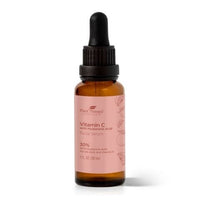
Find melon extract in the Vitamin C Serum with Hyaluronic Acid and the HydroGlow Anti-Aging Night Mask, or browse the products in this collection below. For a complete antioxidant routine, see our antioxidant serum guide.
Sources
- Egoumenides L, Gauthier A, Barial S, et al. A specific melon concentrate exhibits photoprotective effects from antioxidant activity in healthy adults. Nutrients. 2018;10(4):437. doi:10.3390/nu10040437 (88 adults, randomized, placebo-controlled; plus human skin explants)
- Robertet, Holimel product page: Cucumis melo fruit juice powder rich in superoxide dismutase, recommended dosage 0.1% (supplier data).
- Greentech, Hydralys M product page: cantaloupe extract standardized in total sugars, moisturizing claim (supplier data, no published figures).
- Spec-Chem, Ingredients Catalogue 2026 V1: SpecKare SOD1, Superoxide Dismutase, fermented source, 0.5 to 20% (supplier data).
These statements have not been evaluated by the Food and Drug Administration. These products are not intended to diagnose, treat, cure, or prevent any disease.
About the Author
Written by Kari Thomas, cosmetic formulator and founder of Skin Perfection.