

 Buy with Prime
Calendula


What Is Calendula in Skincare?
Calendula is the bright orange and yellow flower of Calendula officinalis, the pot marigold. In skincare it is used as an oil infusion, a water and glycerin extract, or a CO2 extract for its soothing, comforting feel and its natural carotenoids, flavonoids, and triterpenes. It is a classic in products for dry, delicate, and easily stressed skin, including baby care.
 EWG Skin Deep rating for calendula
Calendula is a gentle, supportive botanical rather than a fast-acting active. Its strengths are comfort, softness, and a calmer-looking complexion with regular use.
Quick Facts
| INCI name | Calendula Officinalis Flower Extract; infused oil is labeled with the carrier oil plus Calendula Officinalis Flower Extract |
|---|---|
| Common names | Calendula, pot marigold, English marigold, Mary's gold |
| Not the same as | French or African marigolds (Tagetes species), a different plant |
| Source | Dried flower heads of Calendula officinalis, a member of the daisy family (Asteraceae) |
| Forms | Infused oil (golden), glycerin and water extract (amber liquid), CO2 extract (thick orange paste) |
| Solubility | Glycerin extract: water phase. Infused oil and CO2 extract: oil phase |
| Typical usage rate | Glycerin extract: 5% to 10% (supplier range). Infused oil: can be used as the full oil phase of a balm or face oil |
| Key compounds | Triterpene alcohols (such as faradiol esters), flavonoids, carotenoids, polysaccharides |
| Skin types | Dry, sensitive-feeling, mature, and normal skin; baby and body care |
How Calendula Works on the Skin
Calendula's soothing reputation comes from its mix of compounds. Its triterpene esters and flavonoids are the main focus of lab research, its carotenoids give the flower and its oil their golden color and act as antioxidants, and its polysaccharides add a soft, moisturizing feel. In a formula, calendula helps skin look calmer and less red, and feel softer and more comfortable after cleansing or exposure to wind and cold.
What the research measured
- In a study by Akhtar and colleagues (Acta Poloniae Pharmaceutica, 2011), 21 men applied a cream with 3% calendula extract to one cheek and a plain base cream to the other every night for eight weeks. Measured with a Cutometer, the calendula side showed significant changes in skin firmness and elasticity parameters compared with the base cream.
- The Cosmetic Ingredient Review Expert Panel (International Journal of Toxicology, 2010) reviewed calendula-derived ingredients and concluded they are safe as used in cosmetics. In the data reviewed, they were not irritating, sensitizing, or photosensitizing.
Much of the older praise for calendula comes from traditional herbal use. The cosmetic evidence supports what formulators see in practice: a well-tolerated, comforting botanical that improves how skin looks and feels with steady use.
How to Use Calendula in DIY Formulas
- Glycerin extract goes into the water phase of lotions, toners, and gels at up to 10%, the top of the supplier range.
- Infused oil goes into the oil phase. To make it, fill a clean, dry jar loosely with fully dried calendula petals, cover with a stable carrier oil such as sunflower, olive, or jojoba, and keep it warm (about 38°C to 49°C, 100°F to 120°F) for several hours in a water bath, or steep at room temperature for 4 to 6 weeks. Strain well. Use only completely dry flowers, since moisture invites mold.
- CO2 extract is concentrated. Warm it gently into the oil phase and follow the supplier's rate.
- Pair it well. Calendula is often combined with allantoin, chamomile, and oat for comfort formulas.
- Preserve water-based products. Glycerin extracts and lotions need a broad-spectrum preservative. Add vitamin E (0.5% to 1%) to infused oils to slow rancidity.
- Storage. Keep infused oil in amber glass, away from heat and light, and use within about a year.
Who Calendula Suits
Calendula suits dry, normal, mature, and sensitive-feeling skin, and it is gentle enough for baby care. The one group that should be careful: people allergic to plants in the daisy family (ragweed, chrysanthemums, chamomile, echinacea) can react to calendula. If you have sensitive skin, patch test first on the inner arm for 24 hours and start at the lowest rate of the range (5% for glycerin extract), then work up.
Frequently Asked Questions
What does calendula do for your skin?
Calendula helps skin look calmer and feel softer and more comfortable, especially after cleansing or exposure to wind and cold. Its triterpenes, flavonoids, and carotenoids give it soothing and antioxidant properties. In one eight-week study, a 3% calendula cream changed measured firmness and elasticity on the cheek.
Is calendula good for sensitive skin?
For most people, yes. A US safety panel found calendula ingredients were not irritating or sensitizing in the data it reviewed. People allergic to daisy-family plants such as ragweed or chamomile should avoid it, and everyone should patch test first.
Can I use calendula on my face every day?
Yes. It is a well-tolerated botanical that fits in daily moisturizers, eye creams, and face oils. It layers easily with other products in a morning or night routine.
Is calendula the same as marigold?
Calendula is pot marigold. The marigolds sold as bedding plants are usually Tagetes, a different genus with a different scent and composition. Check the INCI name for Calendula officinalis.
How do I make calendula oil?
Cover completely dried calendula petals with a stable carrier oil and either keep the jar warm, about 38 to 49 degrees Celsius, for several hours or steep it at room temperature for 4 to 6 weeks. Strain well and add vitamin E. Only use fully dry flowers, since moisture invites mold.
What does calendula pair well with?
Allantoin, from comfrey root, is a classic partner, and chamomile and colloidal oat are other good companions. See our comfrey root and allantoin glossary entry.
Does calendula oil go bad?
Yes, eventually. Infused oil is only as stable as its carrier oil, so choose a stable oil, add vitamin E, store it cool and dark, and discard it if it smells sharp or stale.
Shop This Collection
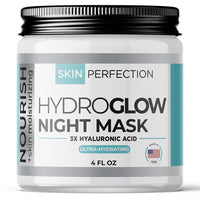
This collection includes the Uplift Eye Cream for the delicate eye area, the Ageless Advanced Peptide Moisturizer for normal to dry, mature skin, and the HydroGlow Anti-Aging Night Mask for overnight hydration. For more on gentle routines, read 5 Essential Skincare Tips for Sensitive Skin.
Sources
- Akhtar N, Zaman SU, Khan BA, Amir MN, Ebrahimzadeh MA. Calendula extract: effects on mechanical parameters of human skin. Acta Pol Pharm. 2011;68(5):693-701. Full text
- Andersen FA, Bergfeld WF, Belsito DV, et al. Final report of the Cosmetic Ingredient Review Expert Panel amended safety assessment of Calendula officinalis-derived cosmetic ingredients. Int J Toxicol. 2010;29(6 Suppl):221S-243S. doi:10.1177/1091581810384883
These statements have not been evaluated by the Food and Drug Administration. These products are not intended to diagnose, treat, cure, or prevent any disease.
About the Author
Written by Kari Thomas, cosmetic formulator and founder of Skin Perfection.