

 Buy with Prime

Rose
-
Best Seller

Ageless Advanced Peptide Moisturizer
Anti-Aging Moisturizer
-
Sold out
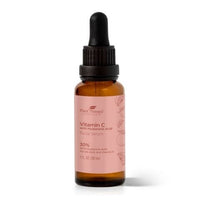
Vitamin C Serum with Hyaluronic Acid
Brightening antioxidant serum
-

Anti-Age Essential Oil Blend
Anti-Aging Essential Oil Blend


What Is Rose in Skincare?
Rose shows up in skincare in three different forms: rosehip seed oil, a light, cold-pressed oil from the seeds of wild rose fruit; rose water, the aromatic water left after steam-distilling rose petals; and rose essential oil or absolute, a concentrated fragrance oil. Rosehip seed oil does the heavy lifting for dry and mature skin, with a fatty acid profile rich in linoleic and alpha-linolenic acids that softens and smooths without a heavy feel.
 EWG Skin Deep rating for Rose

Quick Facts
| Property | Rosehip seed oil | Rose water | Rose essential oil |
|---|---|---|---|
| INCI name | Rosa Canina Seed Oil or Rosa Rubiginosa Seed Oil | Rosa Damascena Flower Water | Rosa Damascena Flower Oil (otto) or Rose Absolute |
| Source | Seeds of rose hips, the fruit left after the flower | Steam-distilled petals | Steam-distilled (otto) or solvent-extracted (absolute) petals |
| Form | Golden to orange oil | Clear, scented water | Highly concentrated aromatic oil |
| Solubility | Oil phase | Water phase | Oil phase |
| Usage rate | Up to 100% as a face oil; any amount of an oil phase | Up to the full water phase | Fragrance level only, well diluted; follow the supplier's dermal limit |
| Skin types | Dry, mature, normal, combination | All | Non-sensitive skin |
How Rose Works on the Skin
Rosehip seed oil: fatty acids and antioxidants
Rosehip seed oil is one of the richest common plant oils in polyunsaturated fatty acids. In a 2018 analysis, Turan and colleagues measured 54.8% linoleic acid and 23.5% linolenic acid in cold-pressed rosehip seed oil, along with 786 mg/kg of natural tocopherols (vitamin E) and 219 mg/kg of carotenoids, which give the oil its orange color. Linoleic acid is a building block of the skin's own barrier lipids, which is why the oil leaves dry skin softer and smoother and absorbs quickly.
One correction to older articles, including the earlier version of this page: rosehip seed oil is not a meaningful source of vitamin C. Vitamin C is water-soluble and stays in the fruit pulp, not the pressed seed oil. For vitamin C, use a dedicated vitamin C serum.
What a small study measured
In a 2025 pilot study, Oargă and colleagues had 27 adults apply three drops of cold-pressed Rosa canina seed oil to the face daily for 5 weeks and tracked changes with VISIA imaging. Average wrinkle and texture scores improved slightly, but many changes were not statistically significant, results varied between people, and there was no control group. It is a reasonable sign that rosehip oil supports a smoother look, not proof of dramatic change.
Rose water and rose oil
Rose water adds a light, refreshing feel and a soft scent to toners and mists. Rose essential oil and absolute are prized for their aroma and are used in very small amounts. On the skin, their role is mostly sensory, and they must be well diluted.
How to Use It and Formulating Notes
- Face oil: press 3 to 5 drops of rosehip seed oil onto damp skin at night, or mix a drop or two into moisturizer.
- DIY formulating: add rosehip oil to the oil phase at cool down, below about 40 C (104 F), because its polyunsaturated fats oxidize quickly with heat. Add vitamin E (tocopherol) at 0.5% to 1% of the formula as an antioxidant. Use rose water in place of some or all of the distilled water in a toner or lotion, with a broad-spectrum preservative.
- Storage: in the Turan study, rosehip seed oil broke down rapidly under UV light. Buy it in dark glass, keep it in the refrigerator once opened, and use it within about 6 months. A sharp, crayon-like smell means it has gone rancid.
- Essential oils: never apply rose essential oil undiluted. Blend it into a carrier oil at fragrance levels.
Who It Suits
Rosehip seed oil suits dry, mature, and normal skin, and many combination skin types because it is light. Very oily skin may prefer it as a spot oil for dry patches. Sensitive skin: patch test on the inner arm for 24 hours first and start at the lowest rate, such as one drop mixed into moisturizer. Fragrant rose oils and absolutes are a common source of reactions for sensitive skin, so choose unscented rosehip oil or rose water instead.
Frequently Asked Questions
Is rosehip oil the same as rose oil?
No. Rosehip seed oil is a carrier oil pressed from the seeds of the fruit. Rose oil is a concentrated essential oil distilled from the petals and is used only in small, diluted amounts for scent.
Are rosehip oil and rosehip seed oil the same thing?
Usually, yes. Most products sold as rosehip oil are pressed from the seeds, though some are pressed from the whole fruit, which can make the oil a deeper orange. Check the INCI name on the label: Rosa Canina Seed Oil or Rosa Rubiginosa Seed Oil.
Does rosehip oil clog pores?
Rosehip oil is light and high in linoleic acid, and most people find it does not feel heavy. As with any oil, patch test if you break out easily, and start with a drop or two.
Does rosehip oil contain retinol or vitamin C?
Not in meaningful amounts. Its carotenoids give it color and antioxidant value, but it is not a substitute for a retinol or vitamin C product.
Can I use rosehip oil every day?
Yes, once or twice a day. At night, press a few drops onto damp skin; in the morning, use a thin layer under sunscreen. It pairs well with peptides, hyaluronic acid, and vitamin C serums.
What should I look for when buying rosehip oil?
Choose cold-pressed oil in dark glass with a recent production date, and check that it smells fresh, not sharp or crayon-like. Because it breaks down quickly in light, buy small bottles and refrigerate after opening.
Is rose water good for your face?
Rose water is a gentle, lightly scented toner or mist that adds a refreshing feel. Choose a preserved product, since plain flower waters can grow microbes once opened.
Shop Rose
Layer our Vitamin C Serum with Hyaluronic Acid under your rosehip oil for the vitamin C the oil lacks, and add a drop of the Anti-Age Essential Oil Blend, which includes rose absolute, to a carrier oil for scent. For a full guide, read How to Use Rosehip Seed Oil for Face, and see our vitamin C guide.
Sources
- Turan S, Solak R, Kıralan M, Ramadan MF. Bioactive lipids, antiradical activity and stability of rosehip seed oil under thermal and photo-induced oxidation. Grasas y Aceites. 2018;69(2). doi:10.3989/gya.1114172
- Oargă DP, Cornea-Cipcigan M, Nemeș SA, Cordea MI. The effectiveness of a topical rosehip oil treatment on facial skin characteristics: a pilot study. Cosmetics. 2025;12(3):125. mdpi.com
These statements have not been evaluated by the Food and Drug Administration. These products are not intended to diagnose, treat, cure, or prevent any disease.
About the Author
Written by Kari Thomas, cosmetic formulator and founder of Skin Perfection.