

 Buy with Prime
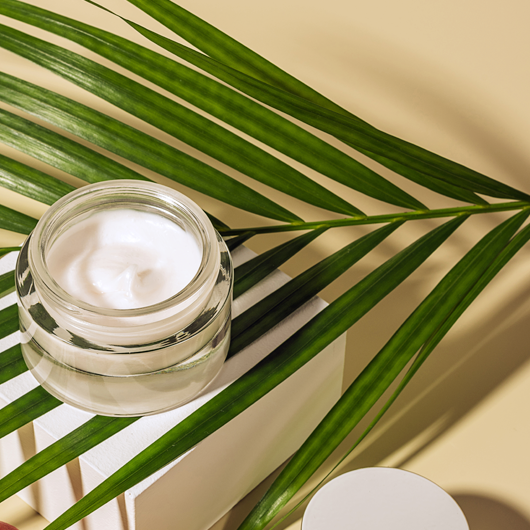


Aloe Vera Gel Serum Base 4oz tutorial
Why a 4oz Aloe Vera Gel Serum Base Beats Store-Bought Alternatives
This Aloe Vera Gel Serum Base 4oz tutorial shows you how to formulate a shelf-stable, professional-grade gel base using precise measurements, proper preservation, and clean actives. Store-bought serums often dilute actives in water. Basic DIY recipes can separate, spoil, and underdeliver. This approach closes that gap.
The Stability Problem with Homemade Aloe Serums
Fresh aloe gel oxidizes within 24 to 48 hours without proper preservation. Most DIY recipes ignore pH control entirely, which means your actives degrade before they reach your skin. By week two, you're left with a watery, separated product that smells off and delivers nothing.
How Professional Formulation Delivers Superior Results
Professional formulation controls three variables simultaneously: texture, pH, and microbial safety. When all three align, your actives stay potent and your skin can actually receive them. That's the difference between a serum that performs and one that only feels nice.
The Skin Perfection Advantage: Clean Actives Meet Stable Bases
| Attribute | Homemade | Store-Bought | Professional Formulation |
|---|---|---|---|
| Shelf Life | 1 to 3 days | 12 to 24 months | 3 to 6 months (clean preserved) |
| Active Concentration | Unknown | Often minimal | Precise and measurable |
| pH Control | None | Manufacturer-controlled | Formulator-controlled |
| Ingredient Transparency | Full | Partial | Full |
| Customization | Limited by stability | None | Complete |
Adding a targeted booster like the Teprenone Serum Booster to a properly stabilized base lets the active reach your skin at full potency. That's the Skin Perfection difference: nature-powered, science-backed formulation that treats your skin as the priority, not an afterthought.
Each section of this guide builds on that foundation. When you understand why each step matters, you stop guessing and start formulating with real confidence. Your skin deserves that precision -- and so does every active ingredient you invest in, including the Teprenone Serum Booster you'll incorporate later on.
The Science Behind a Stable 4oz Aloe Serum Base
Understanding Aloe Vera's Natural Composition and Limitations
Aloe vera gel is roughly 99% water, with the remaining fraction containing polysaccharides, glycoproteins, and trace minerals. That water content is both its greatest asset and its biggest formulation challenge. Without intervention, aloe oxidizes rapidly, and its naturally occurring enzymes keep breaking down the gel structure long after extraction. You can't simply pour fresh aloe into a bottle and expect stability. Learn more about aloe vera's biological composition.
The Role of Xanthan Gum in Creating Shelf-Stable Texture
Xanthan gum is a polysaccharide that builds a three-dimensional network within your gel, suspending actives evenly and preventing separation. Think of it as a microscopic scaffolding system -- it holds everything in place so your skin receives an even dose of actives with every application. At concentrations between 0.3% and 0.8% in a 4oz batch, it delivers the slip and viscosity of a professional serum without weighing skin down. Go above 1%, and the texture turns stringy and unpleasant. Precision here matters.
Humectants, Preservatives, and pH Adjustment for Longevity
Three systems must work together in any stable base. Humectants like glycerin -- at 2% to 5% -- draw moisture into the skin and support the gel's water-binding capacity. A broad-spectrum preservative system, such as phenoxyethanol with ethylhexylglycerin, protects against bacterial and fungal contamination. pH adjustment using a dilute citric acid solution then brings your finished base to between 4.5 and 5.5, the range at which aloe's actives and your added ingredients stay chemically stable. Phenoxyethanol's safety and efficacy profile has been extensively studied.
Why Precise Measurements Matter for 4oz Batches
Small-batch formulation magnifies every error. A 0.1 g miscalculation in a 4oz (approximately 113 g) batch represents close to 0.1% of the total formula -- enough to determine whether your xanthan gum hydrates fully, whether your preservative lands at an effective concentration, and whether your pH stays in range. A digital scale accurate to 0.01 g isn't optional. It's the foundation of repeatable, professional results.
Step-by-Step: Formulating Your 4oz Professional Aloe Serum Base
Sourcing and Preparing Your Aloe Vera (Fresh Extraction vs. Powder)
Freeze-dried aloe powder reconstituted at a 1:200 ratio delivers more consistent results than fresh-extracted gel. Fresh leaf extraction introduces variable enzyme activity and higher contamination risk. If you use powder, hydrate it in distilled water for 20 minutes before building your formula. That single step meaningfully improves batch-to-batch consistency.
Precise Ingredient Weights for Exactly 4oz
| Ingredient | Percentage | Weight (grams) | Function |
|---|---|---|---|
| Distilled Water | 88.2% | 99.7 g | Base carrier |
| Aloe Vera Powder (200x) | 0.5% | 0.6 g | Active botanical |
| Xanthan Gum | 0.5% | 0.6 g | Texture and suspension |
| Glycerin | 3.0% | 3.4 g | Humectant |
| Phenoxyethanol/Ethylhexylglycerin | 1.0% | 1.1 g | Preservation |
| Citric Acid Solution (10%) | 0.5% to 1.0% | To pH target | pH adjustment |
Mixing Sequence and Hydration Timing
Sprinkle xanthan gum into glycerin first and stir until fully wetted. This pre-dispersion step prevents clumping when water is introduced. Hydrate your aloe powder in distilled water separately for 20 minutes. Then combine both phases slowly with continuous stirring. Add the preservative last, once the mixture cools below 40°C. Check pH and adjust with your citric acid solution in small increments, testing after each addition.
Texture Testing and Troubleshooting Separation
A properly formulated base holds its gel structure for 24 hours at room temperature without visible separation. If yours separates, your xanthan gum concentration is likely too low or wasn't properly pre-dispersed. Stringy texture? Reduce xanthan gum to 0.3%. Thin and runny? Increase to 0.7% and test again. The principle throughout is the same: measure, test, and adjust systematically. Never guess.
Customizing Your Base for Anti-Aging: Beyond the Basic Recipe
Incorporating Peptides and Stem Cell Actives into Your Stable Base
Your stabilized aloe base is now a delivery vehicle. Peptides like Matrixyl 3000 and Argireline dissolve readily in water and integrate cleanly into your finished gel at concentrations between 2% and 5%. Add them after pH adjustment, stirring gently to avoid foam. Stem cell actives -- typically supplied as aqueous solutions -- follow the same protocol. With your base sitting at pH 4.8 to 5.2, these actives remain stable and can reach your skin effectively.
Superfruit Antioxidants and Retinol Compatibility
Pure ascorbic acid performs best below pH 3.5, which conflicts directly with your base pH. Use a stabilized derivative like ascorbyl glucoside instead -- it works well around pH 5.0 and integrates without destabilizing your gel. Retinol requires an oil phase for solubility, so it won't blend directly into an aqueous aloe base without an emulsifier. If retinol is your priority, a separate oil-serum layering approach is the smarter choice rather than forcing incompatible phases together.
Choosing Carrier Oils for Different Skin Types Without Compromising Stability
Adding oils to a water-based gel without an emulsifier causes immediate separation. To bring oil benefits into your base, use a water-soluble oil derivative paired with a solubilizer (such as caprylyl/capryl glucoside) at 2% to 3%. Squalane works well for mature skin using this method. For oily skin, skip oils entirely and focus on humectant-rich actives like hyaluronic acid powder at 0.5% to 1.0%.
| Skin Type | Recommended Active | Usage Rate | Compatibility Note |
|---|---|---|---|
| Mature | Matrixyl 3000 + Squalane (solubilized) | 3% to 5% peptide; 2% oil | Requires a solubilizer for the oil phase |
| Sensitive | Centella asiatica extract | 1% to 3% | Water-soluble; no pH conflict |
| Oily | Niacinamide + hyaluronic acid | 2% to 5% niacinamide; 0.5% HA | Avoid oils; keep the base lightweight |
| Dry | Glycerin boost + ceramide NP | Up to 8% glycerin total | Ceramide requires a solubilizer |
Creating Variations for Sensitive, Oily, and Mature Skin
The base formula above is a starting point for every skin type. What changes is the active payload, not the base structure itself. Mature skin often benefits from pairing the Teprenone Serum Booster with peptides -- Teprenone is commonly used in longevity-focused skincare, while peptides support the look of firmness. These two categories fit within the same pH window, making them straightforward to combine in a stable aloe gel base without additional adjustments.
Preservation, Shelf Life, and Safe Storage for Your 4oz Batches
Why Preservatives Are Non-Negotiable and Which Ones Work Best
Any water-containing formula supports microbial growth. Bacteria and mold can colonize unpreserved aloe gels within days -- often without visible signs. Phenoxyethanol combined with ethylhexylglycerin at 1% total provides broad-spectrum protection at a pH fully compatible with your base. For those committed to a more natural preservation philosophy, sodium benzoate (0.5%) and potassium sorbate (0.5%) at pH below 5.0 can work, though with a narrower microbial spectrum. Preservation is a safety requirement, not a formulation preference. Read more about broad-spectrum preservatives in cosmetic formulation.
Storage Conditions That Maximize Longevity
Store your finished base in a dark glass or HDPE plastic bottle, away from direct sunlight. Temperature swings accelerate degradation of both the gel structure and your actives -- a consistent environment between 59°F and 77°F extends shelf life meaningfully. Refrigeration isn't required, but it can extend potency when you've included heat-sensitive actives like the Teprenone Serum Booster.
Signs Your Serum Base Has Spoiled and Safety Protocols
Discard your batch immediately if you notice any of the following: color shifting toward yellow or brown, an off or fermented smell, visible cloudiness in a previously clear gel, or separation that doesn't resolve with gentle stirring. Don't test spoiled product on your skin. These changes signal microbial activity or oxidative breakdown -- applying compromised product introduces a real risk of irritation or infection.
Every step in this process supports the same goal: a serum base you can trust, customize, and make again with confidence. When your base is stable, your actives perform. When your actives perform, your skin looks and feels its best. That's the Skin Perfection difference -- and it starts with getting the foundation exactly right.
Frequently Asked Questions
How can I create a stable aloe vera gel serum base at home?
Our 4oz Aloe Vera Gel Serum Base tutorial guides you to formulate a professional-grade gel base. It involves precise measurements, proper preservation, and clean actives to ensure your serum is shelf-stable and effective. This approach helps your actives stay potent and ready for your skin.
What are the risks of using unpreserved, fresh aloe vera gel on my face daily?
Fresh aloe gel oxidizes quickly, losing its benefits within 24 to 48 hours without proper preservation. Basic homemade recipes often lack pH control, which means any added actives can degrade rapidly. This can lead to a watery, separated product that won't deliver the results your skin deserves.
Should I use a raw aloe vera gel or a professionally formulated aloe vera serum base?
For optimal results, always choose a professionally formulated aloe vera serum base over raw gel. Our tutorial ensures your base has controlled texture, pH, and microbial safety, allowing actives to truly perform. This precision means your skin receives the full benefit of every ingredient.
How should I apply a well-formulated aloe vera gel serum?
Once you've created a stable aloe vera gel serum base and added your targeted boosters, apply it to clean skin. A properly formulated serum allows actives, like Teprenone Serum Booster, to reach your skin at full potency. This ensures your skin receives the intended benefits.
How frequently should a stable aloe vera serum be used for best results?
A professionally formulated and stable aloe vera serum base is designed for consistent use. When your base has controlled pH and proper preservation, its actives remain effective over time. This allows for regular application, helping you achieve your desired skincare outcomes.
Why is pH adjustment important when making an aloe vera gel serum base?
pH control is fundamental for a stable and effective aloe vera gel serum base. Aloe vera's natural pH is between 4.5 and 5.5, and many actives, like vitamin C and peptides, need a similar range to stay potent. Skipping pH adjustment can make your valuable ingredients ineffective within days.
What key ingredients are needed to create a shelf-stable aloe vera gel serum base?
To create a stable aloe vera gel serum base, you need a few key components working together. Xanthan gum provides texture and suspends actives, while humectants like glycerin draw moisture to the skin. A broad-spectrum preservative system and pH adjustment with citric acid solution ensure longevity and active ingredient stability.