

 Buy with Prime
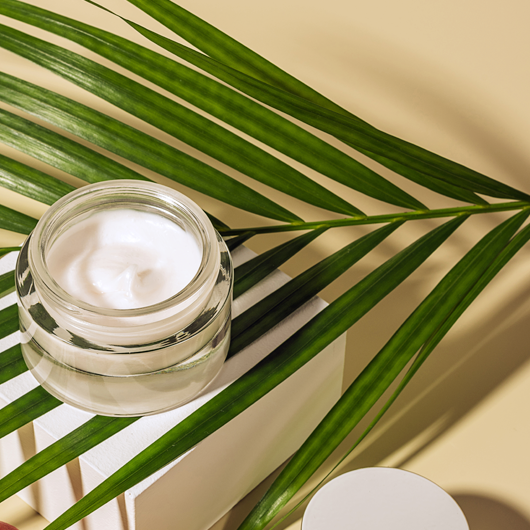


Finding the right solution for adult eczema can feel overwhelming. Persistent itching, dry patches, and irritated skin often disrupt daily comfort and confidence. With so many options on the market, it’s important to choose a cream that not only soothes symptoms but supports your skin’s natural barrier without harsh chemicals or heavy textures. This guide focuses on the best cream for eczema for adults, helping you understand how to identify products that deliver relief and lasting hydration, especially for sensitive areas like the face.
Whether you seek an over-the-counter remedy or a prescription ointment, the right formulation can reduce flare-ups and calm inflammation. Below, we explore what makes a cream effective for eczema, including ingredients and product types, so you can select options that restore comfort and skin health.
What is best cream for eczema for adults?
The best cream for eczema for adults is a topical formulation designed to relieve the hallmark symptoms of eczema, including itching, redness, and dryness, while restoring the skin’s protective barrier. Eczema, medically termed atopic dermatitis, results from a compromised skin barrier that allows moisture loss and irritants to penetrate, causing inflammation and discomfort. Creams targeted for adult eczema must address these issues with a balance of hydration, anti-inflammatory action, and gentle ingredients suitable for sensitive skin.
Products come in various forms, such as creams, ointments, and lotions. Ointments are generally preferred for severely dry or cracked areas because their occlusive nature locks in moisture more effectively. Creams, offering a lighter texture, are often favored for daily use on less severe patches and can be applied comfortably on the face. Ingredients like ceramides, colloidal oatmeal, and natural emollients help repair the skin barrier, while mild anti-itch agents reduce the urge to scratch.
For adults, finding a cream that combines efficacy with skin friendliness is important. Prescription eczema creams, such as topical corticosteroids or calcineurin inhibitors, may be necessary for moderate to severe cases, but many adults find relief with well-formulated over-the-counter options that provide hydration and calm irritation. For example, the Essential Anti-Aging Eye Cream offers a fragrance-free, paraben-free, and vegan-certified formula that hydrates delicate skin around the eyes, a common eczema-prone area, without heaviness or irritation. This product exemplifies how clean beauty with scientifically backed ingredients can support eczema management effectively.
Benefits of best cream for eczema for adults
The best cream for eczema for adults delivers multiple benefits that go beyond simple symptom relief. First and foremost, it restores hydration to dry, flaky skin, bolstering the natural barrier that eczema disrupts. This protective effect reduces transepidermal water loss, which is important for preventing flare-ups. Rich yet non-greasy formulations ensure the skin feels comfortable and nourished throughout the day without clogging pores or causing additional irritation.
Another key benefit is the reduction of itching, often the most distressing symptom of eczema. Persistent itch leads to scratching, which worsens inflammation and can cause infection. Creams that incorporate soothing agents help calm nerve endings and provide comfort. For example, ingredients like colloidal oatmeal or non-steroidal anti-inflammatory actives help ease itching safely, allowing skin to heal.
Adults requiring specialized care for eczema around sensitive areas like the face can benefit from formulations that are fragrance-free, hypoallergenic, and free of harsh preservatives. The Essential Anti-Aging Eye Cream is an excellent example, combining 83% organic ingredients with a gentle yet effective hydrating formula that supports the delicate eye area prone to eczema without irritation or heaviness.
Moreover, the best eczema creams often include barrier-repairing ingredients such as ceramides and lipids, which mimic the skin’s natural fats. This support accelerates skin recovery and fortifies it against environmental triggers. Using these creams regularly can reduce the frequency and severity of eczema flare-ups, supporting long-term skin health.
For some adults, prescription eczema creams provide an extra layer of benefit by targeting inflammation more aggressively. Options like topical corticosteroids or newer treatments such as JAK inhibitors (e.g., Opzelura) are prescribed for moderate eczema and can be used alongside moisturizing creams to maximize results. Understanding when to integrate prescription ointments with over-the-counter options is part of a comprehensive eczema management strategy.
Overall, the best cream for eczema for adults offers a combination of hydration, soothing relief, barrier restoration, and skin compatibility. This multifaceted approach helps reclaim comfort and confidence by addressing the root causes of eczema symptoms, not just masking them.
How to Choose best cream for eczema for adults
Selecting the ideal cream for adult eczema involves understanding your specific skin needs and the product's formulation. The journey to finding relief often requires a discerning eye for ingredients and product types. Given that eczema affects millions, with symptoms ranging from mild dryness to severe inflammation and itching, a tailored approach is important. The goal is to find a product that not only soothes immediate discomfort but also works to repair and protect the skin barrier over time. This guide will walk you through the essential criteria to consider when searching for the best cream for eczema for adults, ensuring you make an informed choice for lasting comfort.
Consider the texture and base of the product. Ointments, for example, are highly occlusive and excellent for very dry, cracked, or thickened eczema patches, as they create a strong barrier to prevent moisture loss. They tend to be greasy, which might not be ideal for everyone or for daytime use on visible areas. Creams offer a lighter feel, absorbing more readily into the skin, making them suitable for less severe eczema, daily maintenance, and application on the face or larger body areas. Lotions are the lightest and best for weeping eczema or for general hydration but may not offer enough protection for severely dry skin. Understanding these differences helps narrow down the options to those that best match your skin’s condition and personal preference.
Key ingredients are foundational when seeking the best cream for eczema on face or other sensitive areas. Look for formulations rich in emollients and humectants that support the skin’s natural barrier function. Ceramides are lipids naturally found in the skin that help retain moisture and prevent irritation; products containing them can significantly aid in barrier repair. Colloidal oatmeal is another hero ingredient, known for its anti-itch and anti-inflammatory properties, providing soothing relief from eczema itching. Other beneficial ingredients include glycerin, which draws moisture into the skin, and petrolatum, a powerful occlusive that seals in hydration. Avoiding common irritants such as fragrances, dyes, and harsh preservatives is also critical, especially for facial eczema where skin is more delicate.
When evaluating your options, it’s important to distinguish between over-the-counter (OTC) and prescription treatments. OTC products often contain lower concentrations of active ingredients like 1% hydrocortisone, which can provide temporary relief for mild inflammation. But, for moderate to severe eczema, a prescription eczema cream for adults might be necessary. These can include stronger topical corticosteroids, topical calcineurin inhibitors (like tacrolimus or pimecrolimus, often used for facial eczema in adults over age 2), or newer targeted therapies such as JAK inhibitors (like ruxolitinib, available as Opzelura cream for mild to moderate eczema). Consulting a dermatologist is the best way to determine if a prescription ointment for eczema is required for your condition.
For those managing both eczema and psoriasis, finding a versatile cream is beneficial. While distinct conditions, they can share symptoms like dryness and inflammation. Products designed for sensitive, irritated skin often provide relief for both. The Essential Anti-Aging Eye Cream, for example, is formulated without fragrance, parabens, or sulfates, making it a clean beauty choice suitable for sensitive skin prone to irritation, even around the delicate eye area where eczema can manifest. Its focus on hydration and gentle ingredients supports skin health without compromising purity.
Finally, consider the Eczema Association’s recommendations and EWG verification. Products verified by the Environmental Working Group (EWG) meet stringent standards for health and safety, assuring you of their clean ingredient profiles. The National Eczema Association also provides resources and lists of approved products that have demonstrated efficacy in managing eczema symptoms. Prioritizing these certifications ensures that the cream you choose is not only effective but also aligns with a commitment to clean, safe skincare that avoids potentially harmful chemicals. This diligent selection process empowers you to find the best cream for eczema for adults that truly supports your skin’s recovery and well-being.
Frequently Asked Questions
When searching for the best cream for eczema for adults, many questions arise about the most effective products, treatment options, and safety considerations. Addressing these concerns can help you confidently select a cream that fits your unique skin needs while managing eczema symptoms effectively.
What is the best cream for eczema on the face for adults?
Facial eczema requires a gentle, non-irritating moisturizer that soothes inflammation without clogging pores or causing further sensitivity. Creams that are fragrance-free, hypoallergenic, and formulated with barrier-supporting ingredients such as ceramides and colloidal oatmeal are ideal. The Essential Anti-Aging Eye Cream is an excellent option due to its lightweight texture, 83% organic ingredients, and absence of irritants like parabens and sulfates. It hydrates delicate skin around the eyes effectively, an area commonly affected by eczema flare-ups.
Which cream helps eczema itching the most?
Persistent itching is one of eczema’s most disruptive symptoms. Creams containing soothing agents like colloidal oatmeal or non-steroidal anti-inflammatory ingredients help calm nerve endings to reduce the urge to scratch. Products that maintain moisture levels also prevent dryness, which worsens itching. Over-the-counter hydrocortisone creams (up to 1% concentration) can provide short-term itch relief but should be used sparingly to avoid skin thinning. For ongoing management, creams that combine hydration and itch relief without steroids, such as the Essential Anti-Aging Eye Cream, offer a clean, gentle solution that supports skin comfort.
Is prescription eczema cream better than over-the-counter options?
Prescription creams are often necessary for moderate to severe eczema, as they contain stronger anti-inflammatory agents like topical corticosteroids or calcineurin inhibitors (e.g., tacrolimus, pimecrolimus). These medications effectively reduce inflammation and flare-ups but require medical supervision due to potential side effects. Over-the-counter creams focus primarily on hydration and mild symptom relief, suitable for mild eczema or maintenance phases. Newer prescription treatments such as JAK inhibitors, like the ruxolitinib cream (Opzelura), target immune pathways and offer alternatives for cases where steroids are unsuitable. Choosing between prescription and OTC options depends on eczema severity and dermatologist recommendations.
What ingredients should I look for in an eczema cream?
Key ingredients to seek include ceramides, which restore the skin’s natural lipid barrier; colloidal oatmeal, known for its anti-itch and anti-inflammatory effects; glycerin, which attracts moisture into the skin; and petrolatum or ointment bases for occlusion and hydration retention. Avoid fragrances, dyes, and harsh preservatives that can worsen irritation. Clean, EWG Verified products ensure safer ingredient profiles. For sensitive areas like the face, choose creams with a gentle formulation, such as the Essential Anti-Aging Eye Cream, which combines organic and vegan-certified ingredients without parabens or sulfates.
Can I use hydrocortisone on my face?
Hydrocortisone creams up to 1% concentration are available over the counter and can be used on the face for short periods to reduce inflammation and itching. But, facial skin is thinner and more sensitive, so prolonged use can lead to side effects like skin thinning, redness, or increased sensitivity. Dermatologists often recommend limiting hydrocortisone use on the face and opting for non-steroidal options or prescription calcineurin inhibitors for safer long-term management. When using any corticosteroid, applying a hydrating, barrier-repairing cream afterward supports skin recovery and reduces dependency risks.