

 Buy with Prime
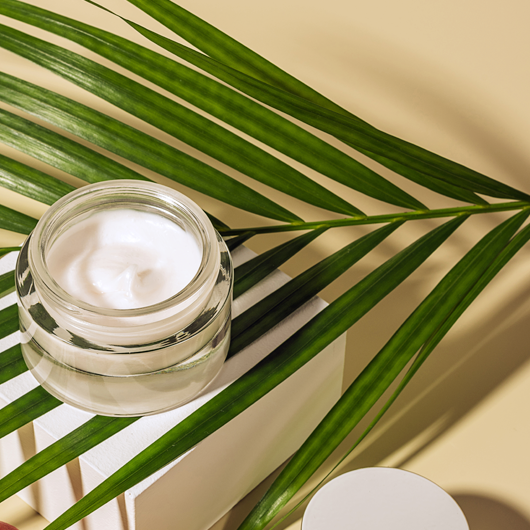


Discovering the secret to a more youthful, radiant complexion often leads us to the powerful world of retinoids. Among these, a well-formulated night retinol serum stands out as a potent ally in your quest for smoother, firmer, and more luminous skin. But what exactly makes retinol so transformative, and how can you harness its capabilities safely and effectively? As Kari Thomas, founder of Skin Perfection, I believe in demystifying the science behind skincare so you can make informed choices. It’s about understanding the 'why' and 'how' to achieve visible results, moving beyond marketing hype to the tangible science that truly supports your skin's rejuvenation.
This journey into retinol isn't just about applying a product; it's about understanding your skin's natural processes and how targeted ingredients can signal, support, and accelerate them. We’ll explore how retinol works at a cellular level, the benefits you can expect to see, and how to prepare your skin for this incredible ingredient. Get ready to enable your skincare routine with knowledge and unlock your skin's youthful potential.
The Science of Night Retinol Serums: How They Change your Skin
What Is Retinol and How Does It Work Overnight?
Retinol, a derivative of Vitamin A, is a powerhouse ingredient celebrated for its ability to communicate with skin cells. Unlike ingredients that merely sit on the surface, retinol penetrates deeply to influence cellular behavior. Its primary mechanism involves signaling skin cells to increase their turnover rate, meaning old, damaged cells are shed more quickly to make way for new, healthier ones. This accelerated cell turnover is key to addressing many common signs of aging and skin concerns. Also, retinol prompts your skin to produce more collagen and elastin, the essential proteins that provide structure, firmness, and elasticity. This internal rebuilding process begins working as soon as the ingredient is absorbed, making your nightly application a strategic step toward skin renewal.
When applied at night, retinol works in concert with your skin's natural repair cycles, which are most active while you sleep. This timing minimizes potential sensitivity from external factors like sunlight. The molecule itself is converted within the skin into retinoic acid, the most active form, to initiate these regenerative processes. This scientific foundation is why a consistent application of a quality night retinol serum can yield such remarkable improvements over time, tackling everything from fine lines to dullness by optimizing your skin's inherent functions.
Key Takeaways: Retinol's Nighttime Magic
Retinol, a Vitamin A derivative, works by prompting skin cells to regenerate faster and signaling for increased collagen and elastin production. It's most effective when applied at night, aligning with the skin's natural repair processes. This cellular communication helps address signs of aging and improves overall skin texture and tone.
The Visible Benefits: From Wrinkle Reduction to Even Tone
The scientifically-backed action of retinol translates into a cascade of visible improvements for your complexion. Perhaps most sought after is its ability to smooth the appearance of fine lines and wrinkles. By boosting collagen and elastin, retinol helps to plump the skin from within, making those tell-tale signs of aging less pronounced. Studies show that consistent use can increase cell turnover by up to 30%, leading to a visibly smoother surface. Beyond wrinkles, retinol is exceptional at refining skin texture, minimizing the appearance of pores, and combating uneven skin tone caused by sun damage or post-inflammatory hyperpigmentation. It helps to fade dark spots and redness, revealing a more uniform and luminous complexion.
The benefits extend to improved skin firmness and a reduction in breakouts for many users. By regulating cell turnover, retinol can prevent pores from becoming clogged, thereby reducing acne formation. The overall result is skin that not only looks younger and smoother but also feels healthier and more resilient. For those seeking a comprehensive approach to skin rejuvenation, the consistent application of a potent night retinol serum offers a pathway to achieving these multifaceted improvements, supporting a look of lasting youthfulness and clarity.
What to Expect: Navigating Retinization and Peeling
Beginning your journey with a night retinol serum often involves a period known as "retinization." This is your skin's adaptation phase as it adjusts to the increased cell turnover and collagen stimulation. During the first few weeks, you might experience mild side effects such as dryness, redness, or light flaking. This is normal and a sign that the ingredient is actively working. It's important to view these initial reactions not as damage, but as your skin learning to embrace this powerful cellular signal. Understanding this process empowers you to manage expectations and approach retinol application with confidence.
To navigate retinization successfully, patience and proper technique are essential. Starting with a lower concentration and applying the serum only a few nights a week allows your skin to build tolerance gradually. If you experience significant irritation, it's a signal to reduce frequency or incorporate a buffer product. For example, using a hydrating moisturizer before or after your retinol can provide a gentler introduction. The Teprenone Serum Booster, for example, is formulated with potent actives that may require a careful introduction, but the reward is significantly improved skin texture and tone.
How to Build Your Night Retinol Serum Routine
Starting Safely: Frequency and the Sandwich Method
Introducing a night retinol serum into your routine requires a strategic, gentle approach to minimize irritation and maximize efficacy. For beginners, it's advisable to start by applying your chosen serum just two to three nights per week. This allows your skin time to acclimate to the increased cell turnover without becoming overwhelmed. Observe how your skin responds, looking for signs of excessive redness or peeling. If your skin tolerates it well after a few weeks, you can gradually increase the frequency to every other night, and eventually, nightly, if desired and tolerated.
A popular and effective method for minimizing discomfort, especially for sensitive skin types, is the "sandwich method." This involves applying a layer of moisturizer, followed by your retinol serum, and then another layer of moisturizer. This creates a buffer that slows the penetration of retinol, reducing potential irritation while still allowing it to work. This technique is particularly useful when you're first starting or if you're using a higher concentration of retinol. It ensures you reap the benefits of retinol without the common drawbacks of dryness and sensitivity.
Ingredients That Pair Well With Retinol (Peptides, Hyaluronic Acid)
When building a night routine around your retinol serum, selecting complementary ingredients is key to supporting skin health and enhancing results. Peptides are excellent partners, as they work synergistically with retinol to promote collagen production and improve skin firmness. Ingredients like Matrixyl or Argireline, known for their peptide power, can amplify the anti-aging effects. Hyaluronic acid is another fantastic companion. This humectant draws moisture into the skin, providing essential hydration that can counteract the potential dryness associated with retinol. Using products containing hyaluronic acid ensures your skin remains plump, supple, and comfortable throughout the night.
Ceramides are also highly beneficial when used with retinol. They help to reinforce the skin's natural barrier function, which can be temporarily compromised during retinization. A strong skin barrier is important for retaining moisture and protecting against environmental stressors. So, incorporating a ceramide-rich moisturizer or serum can significantly improve tolerance and overall skin health. For example, pairing your retinol serum with a product like the Teprenone Serum Booster, which is designed to support cellular repair and hydration, can create a powerful yet gentle regimen. These carefully selected ingredients work in harmony to deliver a smoother, firmer, and more hydrated complexion.
What Not to Mix With Your Night Serum
While many ingredients can safely complement your retinol routine, there are certain actives that should be avoided or used with extreme caution, especially during the initial phases of retinol use. Combining multiple potent exfoliants in the same routine can lead to significant irritation and damage to the skin barrier. This includes other forms of retinoids (like retin-A or retinaldehyde), alpha hydroxy acids (AHAs) such as glycolic or lactic acid, and beta hydroxy acids (BHAs) like salicylic acid. If you use these ingredients, it's best to alternate them with your retinol serum, perhaps using AHAs/BHAs in the morning or on nights you don't use retinol.
Physical exfoliants, like harsh scrubs, should also be avoided on nights you use retinol, as they can cause micro-tears and exacerbate sensitivity. Additionally, be mindful of potent antioxidant treatments like high-concentration Vitamin C serums. While Vitamin C is excellent for daytime use and can boost collagen, applying it at the same time as retinol at night might be too much for some skin types, potentially leading to redness and irritation. If you wish to incorporate Vitamin C, consider using it in your morning routine. Always listen to your skin: if you experience persistent redness, stinging, or peeling, scale back to simpler routines and reintroduce potent actives one at a time.
Morning After Care: Why Sunscreen Is Non-Negotiable
The morning after using a night retinol serum is critical for protecting and nurturing your newly stimulated skin. Retinol increases your skin's sensitivity to ultraviolet (UV) radiation, making it more susceptible to sun damage, hyperpigmentation, and premature aging. So, applying a broad-spectrum sunscreen with an SPF of 30 or higher is not just recommended; it's absolutely non-negotiable. This daily step is paramount to preserving the results you're working to achieve and preventing new damage from occurring. Your skin needs this protection to maintain its improved tone and texture.
Beyond sunscreen, your morning routine should focus on hydration and calming. Gentle cleansing, followed by a hydrating serum (perhaps one rich in hyaluronic acid or ceramides) and a good moisturizer, will help replenish any moisture lost overnight. This helps to soothe the skin and maintain its barrier function. By being diligent with your morning care, you create a balanced regimen that maximizes the benefits of your night retinol serum while safeguarding your skin's health and radiance. This consistent, protective approach ensures your skin continues to look its best, day and night.
Night Retinol Serum FAQs: Expert Answers
How long does it take for a night retinol serum to work?
The timeline for seeing results from a night retinol serum can vary based on individual skin type, the concentration of retinol used, and the consistency of application. Generally, you can expect to notice initial improvements in skin texture and clarity within the first 4 to 8 weeks. These early changes might include smoother skin and a more even tone. More significant results, such as a visible reduction in fine lines, wrinkles, and improved firmness, typically become apparent after 3 to 6 months of consistent, nightly use. It's important to remember that retinol works by influencing cellular processes over time, so patience and a sustained routine are key to unlocking its full transformative potential.
Can I use a retinol night serum every night?
Whether you can use a retinol night serum every night depends on your skin's tolerance and the specific formulation you are using. For beginners, it is strongly recommended to start slowly, perhaps using the serum only two to three times per week, and gradually increasing frequency as your skin adjusts. The process of retinization involves your skin adapting to increased cell turnover, which can initially cause dryness or mild irritation. Once your skin has successfully adapted and shows no signs of adverse reactions, you can typically increase usage to every other night, and eventually, nightly if your skin tolerates it well. Always listen to your skin; if you experience persistent redness, peeling, or discomfort, reduce the frequency to allow your skin barrier to recover.
Is a natural retinol alternative like bakuchiol as effective?
Natural alternatives like bakuchiol have gained popularity as gentler options for those seeking retinol-like benefits without the potential for irritation. Studies suggest that bakuchiol can influence gene expressions similar to retinol, promoting collagen production and reducing the appearance of fine lines and wrinkles. While it offers a promising alternative, many dermatologists and cosmetic chemists consider retinol to be the gold standard due to its extensive research backing and proven efficacy across a wider range of skin concerns. Bakuchiol can be an excellent choice for sensitive skin or as a stepping stone before introducing traditional retinol. But, for those targeting significant signs of aging or specific concerns like acne and hyperpigmentation, a well-formulated retinol night serum often provides more potent and comprehensive results.