

 Buy with Prime
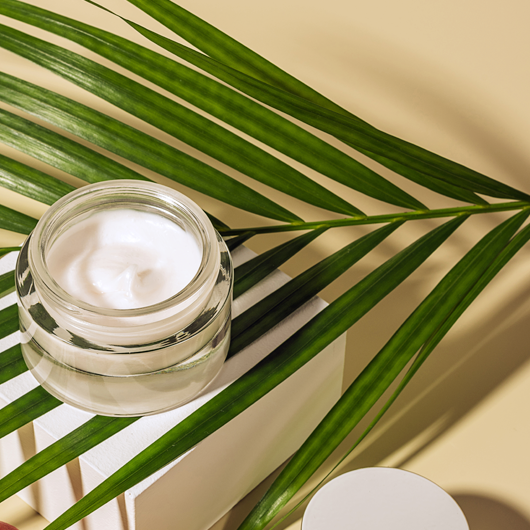


For dry skin that also wants age-defense benefits, start with barrier support: a cream combining humectants, emollients, and barrier-supporting ingredients is usually a more sensible foundation than aggressive resurfacing. Dry skin affects 30% to 99.1% of people older than 60, so hydration isn't a minor concern in mature skincare.
You may know the feeling. By mid-afternoon, your cheeks feel tight, makeup settles into lines, and the fine creases around your eyes seem sharper than they did that morning. You want a dry skin anti ageing cream, but you don't want a product that leaves your face stinging, peeling, or even drier.
The useful reframe is simple: for dry skin, barrier support is itself an age-defense strategy. A well-supported outer barrier helps the skin hold onto water, improves the look of texture, and creates a more comfortable environment for carefully chosen cosmetic actives. That doesn't mean a moisturizer changes chronological aging, and it doesn't turn a cosmetic into a medicine. It means hydration can soften the appearance of dryness-related lines while a formula's other ingredients support a smoother-looking complexion.
The sections ahead move from skin biology to ingredient families, label reading, layering, tolerance, and DIY formulation. Along the way, we'll separate realistic cosmetic language from drug-style promises, so you can assess a finished cream or mixing project with a formulator's eye.
Table of Contents
- Why Dry Skin Changes the Anti-Ageing Conversation
- The Three Building Blocks Behind Every Hydrating Cream
- Clinically Supported Actives Worth Looking For
- How to Read a Label Like a Formulator
- Serums, Creams, and How to Layer Them
- Tolerance, Compatibility, and the Retinol Question
- Building Your Own Dry Skin Anti Ageing Formula
- A Simple Decision Framework Before You Buy or Mix
Why Dry Skin Changes the Anti-Ageing Conversation
Dry skin changes how you should judge an anti-ageing product. If your face feels tight shortly after cleansing, your first priority isn't necessarily a stronger exfoliant. It may be a cream that reduces water loss and makes daily use comfortable enough to sustain.
The outermost skin layer works like a protective surface made from cells and lipids. When that structure is weakened, water escapes more readily through the skin. This process is called transepidermal water loss, or TEWL. You can explore the concept in this guide to transepidermal water loss, but the practical point is straightforward: skin that loses water quickly often looks rougher, tighter, and more lined.
Dryness is especially relevant in later life. A 2022 clinical review reported xerosis, or dry skin, in 30% to 99.1% of people older than 60, while another study of 14,300 people found xerotic skin in 29.4%, and a separate cohort of 756 elderly patients reported 55.6% prevalence. These figures vary because researchers use different populations and definitions, but they point in the same direction. Dryness is common enough that hydration-focused creams remain central to anti-ageing skincare. The clinical review on xerosis in older adults provides the relevant context.
Barrier support changes the order of priorities
A barrier-first cream doesn't need to promise that it fixes or reverses skin aging. A realistic cosmetic goal is to hydrate, soften, smooth, condition, and improve the appearance of texture. Those outcomes matter because dehydrated skin can make fine lines look more pronounced, while comfortable skin is easier to keep in a consistent routine.
The market also reflects this practical need. In 2025, moisturizers, creams, and lotions held 39.5% of the anti-aging products market, which was valued at USD 55.7 billion, according to the cited clinical review's market context. A dry skin anti ageing cream sits inside that largest category because it combines a familiar daily format with ingredients chosen for hydration and visible age defense.
Practical rule: If a product makes dry skin feel increasingly tight or irritated, its “strong” active profile isn't automatically an advantage.
This distinction also helps with cosmetic versus drug expectations. The National Institute on Aging explains that many anti-aging creams are cosmetics rather than drugs, and cosmetics aren't required to undergo human testing before sale. A cream can improve the appearance of dryness or fine lines without being authorized to treat a medical condition. Start with the barrier, then decide whether your skin can comfortably accommodate additional actives.
The Three Building Blocks Behind Every Hydrating Cream
Think of the skin barrier as a dam. A cracked dam may still hold some water, but it loses water through gaps. A well-built wall, by contrast, combines solid materials, a smooth surface, and a protective seal. A good hydrating cream follows the same logic by combining humectants, emollients, and occlusives.

Humectants bring in water
Humectants attract water and help increase the skin's water content. Common examples include glycerin, hyaluronic acid, sodium hyaluronate, and polyglutamic acid. They work like small sponges, but they still need a complete formula around them. Applied in a very dry environment without enough sealing support, a humectant-rich product may not provide the lasting comfort you expect.
A formula can use more than one type of hyaluronic acid to create different surface and hydration characteristics. The key isn't only seeing “hyaluronic acid” on the front label. You need to know which form appears in the ingredient list and how the entire formula supports it.
Emollients smooth the surface
Emollients fill and soften the spaces between rough-feeling skin cells. Squalane, jojoba oil, and shea butter are familiar examples. They improve slip, reduce the feeling of tightness, and give a cream its cushion. Shea butter also illustrates why raw-material details matter. If you're comparing natural ingredients for a formulation, this resource on the difference between shea butter colors explains why color can vary between forms.
Occlusives slow water loss
Occlusives form a surface film that helps reduce evaporation. Ceramides and dimethicone can contribute to this sealing function, although ceramides also play a more specific barrier-lipid role. Waxes, oils, and butters may add occlusive character too, depending on the formula and concentration.
A cream relying on only one building block can feel helpful at first but fail to deliver lasting comfort. Humectants add water, emollients smooth the feel, and occlusives help keep moisture from leaving. The ingredient logic behind a finished lotion is covered in ingredients of lotion.
For a product example, HydroGlow Anti-Aging Night Mask combines several hydration-oriented components, including multiple forms of hyaluronic acid, polyglutamic acid, jojoba, squalane, aloe, glycerin, and triglycerides. Its format illustrates the broader principle: hydration works best when water-binding ingredients and conditioning or sealing ingredients appear together.
Clinically Supported Actives Worth Looking For
The most useful active isn't always the most aggressive one. For dry skin, look for ingredients that support hydration, barrier comfort, and the appearance of texture without forcing you into an irritating routine.
Niacinamide has particularly relevant evidence. In an in vivo human dry-skin study, topical nicotinamide increased stratum corneum ceramides by 34% and free fatty acids by 67%, while decreasing TEWL. The study is available in the British Journal of Dermatology. This makes niacinamide a logical partner for emollients and ceramides when the formula's goal is sustained comfort rather than a brief surface effect.
Ceramides also have direct wrinkle-related relevance. In a split-site randomized trial involving 24 people with senile xerosis, a ceramide-containing moisturizer improved hydration within 24 hours and improved TEWL and skin pH. After 28 days, wrinkle and texture scores also improved, with benefits remaining superior for several measures after 7 days without use. See the ceramide moisturizer trial for the study details.
Peptides are a broad family rather than one single ingredient. Signal peptides are used in formulas intended to support the look of firmness and fine lines. Carrier peptides are designed to bind or transport components in cosmetic formulations, while enzyme-inhibiting peptides target different appearance-related pathways. The INCI name alone won't tell you everything, so supplier documentation and the finished product's use level matter.
Plant-stem-cell extracts are botanical ingredients used in cosmetic formulas to support the appearance of vitality and resilience. They shouldn't be treated as interchangeable with human stem cells or as proof of a therapeutic effect. Bakuchiol is another gentler option often selected for age-conscious formulas, though sensitive, dry skin still benefits from gradual introduction and careful monitoring.
Multi-weight hyaluronic acid can place different molecular sizes in the same product. Higher molecular weight material generally remains closer to the surface, while smaller forms may behave differently in the formula and on skin. The result depends on the complete composition, not the marketing phrase alone. For a wider ingredient overview, see best anti-aging ingredients.
| Active | Primary Function | Typical Concentration | Best For |
|---|---|---|---|
| Peptides | Supports the appearance of firmness and smoother texture | Supplier-dependent | Dry skin wanting gentle age-supportive care |
| Plant-stem-cell extracts | Botanical support for a fresh, resilient-looking complexion | Supplier-dependent | Natural-positioned formulas |
| Niacinamide | Supports barrier lipids and the appearance of uneven tone | Formulation-dependent | Dryness, dullness, and sensitive routines |
| Ceramides | Supports the lipid structure of the outer barrier | Formulation-dependent | Tight, rough, mature-feeling skin |
| Hyaluronic acid | Binds water and supports a plumper-looking surface | Formulation-dependent | Dehydrated or crepey-feeling skin |
| Bakuchiol | Gentler retinol alternative for texture-focused routines | Formulation-dependent | Users cautious about retinoid irritation |
No single ingredient guarantees an outcome. A well-balanced base often matters more than adding a long list of fashionable actives.
How to Read a Label Like a Formulator
A formulator reads an ingredient list from the top down. Start with the first five ingredients because they usually dominate the formula, often including water, a humectant, an emollient, or a texture modifier. Then scan further down for the hero actives that give the product its age-conscious positioning.

A practical label sequence
- Read the opening ingredients. Look for water or hydrosol, glycerin, fatty alcohols, oils, esters, or other structural ingredients. A dry-skin cream with no meaningful conditioning or sealing system may not match its promise.
- Find the hydration layer. Search for glycerin, hyaluronic acid, sodium hyaluronate, panthenol, or similar water-binding ingredients.
- Identify the barrier layer. Ceramides, squalane, shea butter, jojoba, dimethicone, and related ingredients can indicate emollient or occlusive support.
- Locate named actives. Look for specific peptides, niacinamide, bakuchiol, or plant extracts rather than broad phrases such as “youth complex.”
- Assess the sensory extras. “Natural fragrance” still means fragrance. Unnamed plant extracts provide less useful information than clearly identified botanical ingredients.
The commonly used 2% rule can help you interpret the lower part of an INCI list, but it isn't a universal guarantee of concentration. Ingredients used at 2% or less may appear in an order that differs from strict descending concentration, so don't assume that every ingredient near the bottom is ineffective or that every highlighted active is present at a meaningful level.
A label also signals the product's legal positioning. “Hydrates” and “smooths the appearance of dry skin” are cosmetic-style descriptions. “Treats wrinkles,” “repairs skin,” or claims that a product changes the structure or function of the body can raise drug-classification questions. The FDA explains that intended use can determine whether a product is a cosmetic, a drug, or both in its guide to cosmetic and drug products.
For more context on packaging and private-label terminology, this guide to Herbilabs Labware labels can help you distinguish the information a label provides from the claims a seller may place around it.
Consider this sample panel: water, glycerin, squalane, cetearyl alcohol, shea butter, niacinamide, sodium hyaluronate, peptide, fragrance. The first five ingredients suggest a cream with water, humectant, emollient, and texture support. Niacinamide and sodium hyaluronate add targeted functionality, while fragrance deserves extra caution if your skin is easily sensitized.
For DIY formulators, Sodium Hyaluronate Powder Pure Hyaluronic Acid is a cosmetic-grade powder intended for creams and water-based serums, with a stated high-molecular-weight NASHA range of 800 to 1500 Daltons and suggested DIY serum concentrations of 0.1% to 2%. Those figures come from the product information, so use them as formulation guidance rather than as a promise about every finished product.
Serums, Creams, and How to Layer Them
A serum and a cream solve different formulation problems. A water-based serum can deliver concentrated ingredients in a light vehicle, while a cream surrounds the skin with emollients and occlusives that help reduce moisture loss. Dry skin often benefits from using both because hydration delivery and hydration retention aren't identical jobs.

Apply products from the lightest texture to the richest. A simple sequence looks like this:
- Cleanse gently: Use a cleanser that leaves the skin comfortable rather than squeaky.
- Add water: Apply a hydrating toner or essence if it suits your routine.
- Use the serum: Choose hyaluronic acid, peptides, or niacinamide in a water-based format.
- Seal with cream: Apply a dry skin anti ageing cream containing emollients, occlusives, or barrier lipids.
- Protect in the morning: Use a suitable sunscreen product according to its label directions.
Apply a hyaluronic-acid serum to slightly damp skin, then follow promptly with a moisturizer. This gives the humectant access to water and gives the cream a chance to reduce evaporation. The general thin-to-thick sequence is also supported in this guide to layering skincare serums.
Avoiding pilling and overload
You don't need to wait for a precise number of minutes between every layer. Give each product enough time to settle before applying the next, especially if the previous layer feels wet or tacky. Rubbing vigorously can create pilling even when the products are compatible, so press or smooth rather than repeatedly massaging.
Common mistakes include applying a facial oil before a water-based serum, skipping cream because the serum feels hydrating, and stacking several strong actives in the same routine. Oil can make later water-based layers spread unevenly, while a serum can feel comfortable without providing enough sealing support.
In the morning, keep the routine simple and protective. In the evening, you can use a richer cream or night mask after your serum. If your skin is very dry, reduce the number of active layers before reducing the amount of barrier support.
Tolerance, Compatibility, and the Retinol Question
Retinol has a strong reputation in age-conscious skincare, but stronger isn't automatically better for a dry complexion. A compromised barrier can make retinoids, acids, and fragranced products feel harsh. Persistent stinging, scaling, burning, or sudden tightness suggests that your routine needs less intensity and more support.
The National Institute on Aging notes that many anti-aging creams are cosmetics, not drugs, and aren't required to be tested in humans before sale. That distinction matters because a cosmetic can be designed to improve appearance without making therapeutic promises. The NIA guidance on skin care and aging is a useful reference when a product's language sounds more medical than cosmetic.
A tolerance-first plan
Patch test a new product before applying it broadly. Introduce one unfamiliar active at a time, use it less frequently at first, and buffer it with moisturizer if the product directions allow. Pair a stronger active with a cream containing ceramides, squalane, or other conditioning ingredients rather than using it on an already tight, flaky surface.
Bakuchiol, peptide complexes, plant-stem-cell extracts, and low-strength retinoid systems may suit people who want a gentler starting point, but “gentler” doesn't mean universally irritation-free. Fragrance and essential oils can also be problematic for sensitized skin, regardless of whether the formula is marketed as natural.
| Active A | Active B | Compatibility | Notes |
|---|---|---|---|
| Hyaluronic acid | Niacinamide | Generally compatible | Useful for combining water support with barrier-focused care |
| Vitamin C | Niacinamide | Often compatible | Introduce separately if either product causes sensitivity |
| Retinol | AHAs | Use caution | Combining resurfacing steps can increase dryness and irritation |
| Peptides | Ceramides | Generally compatible | A sensible barrier-first pairing |
| Bakuchiol | Squalane | Generally compatible | A conditioning base may improve comfort |
| Fragrance | Sensitive skin | Use caution | Check whether the product causes stinging or redness |
Don't interpret a strong sensation as proof that a product works. Comfort is a performance criterion for dry skin because a routine you can use consistently is more useful than an ambitious routine you abandon.
Building Your Own Dry Skin Anti Ageing Formula
DIY formulation becomes easier when you think in phases instead of throwing ingredients into a jar. A simple peptide-and-hyaluronic-acid project might begin as a light serum, or it can become a cream after adding an emulsified oil phase.

Start with the water phase
Use distilled water or a suitable hydrosol as the base. Add a humectant system such as glycerin and panthenol, then disperse the chosen hyaluronic-acid material according to the supplier's instructions. A lower-molecular-weight hyaluronic-acid option may be selected for a different sensory and formulation profile, while a higher-molecular-weight material can contribute more surface hydration.
Work slowly. Hyaluronic acid powders can clump if tipped directly into water, so pre-dispersion and adequate hydration time matter. Sodium hyaluronate is a cosmetic raw material, not a complete preserved serum, so the finished batch still needs appropriate preservation, packaging, and microbial control.
Add targeted actives carefully
The active phase might include copper peptides, palmitoyl pentapeptide-4, niacinamide, and a botanical stem-cell extract such as apple or edelweiss. Follow each supplier's recommended use level and compatibility instructions. Peptide and plant-stem-cell powders from Skin Perfection can fit into this stage, but their presence doesn't justify promising that the finished product fixes, heals, or reverses a skin condition.
Aim for a mildly acidic final pH near 5.5 when that suits the ingredients and supplier directions. Measure with a calibrated pH meter or reliable strips rather than guessing. Some peptides and botanical extracts have narrower compatibility ranges, so the entire formula must be evaluated together.
Finish with the oil phase
For a light cream, combine squalane, jojoba, and a modest amount of shea butter with a suitable natural wax or emulsifier system. Heat and combine the phases using a validated emulsification process, then add heat-sensitive actives during cool-down if their documentation requires it.
Sanitize equipment and containers, record every ingredient and batch detail, and patch test the finished product. A DIY cream containing water can spoil even when it looks and smells normal, so preservation isn't optional. The broader workflow for emulsions appears in how to make face cream.
The clean-beauty appeal of DIY lies in ingredient transparency and control, not in assuming that “natural” automatically means gentle or stable. A well-designed formula still needs accurate weighing, compatibility checks, preservation, and responsible cosmetic language.
A Simple Decision Framework Before You Buy or Mix
Use this checklist before choosing a ready-made cream or starting a batch:
- Check the foundation: Look for a humectant, an emollient, and an occlusive or barrier-supporting ingredient.
- Prioritize the actual concern: If tightness and roughness dominate, start with hydration and lipid support before adding aggressive resurfacing.
- Inspect the active list: Prefer clearly named ingredients such as niacinamide, ceramides, peptides, hyaluronic acid, or bakuchiol over vague “age-defying complexes.”
- Consider fragrance tolerance: Fragrance and essential oils may not suit sensitized skin, even when a product uses natural positioning.
- Review the package: Airless pumps and opaque containers can offer practical protection for formulas affected by air, light, or repeated handling.
- Compare buying with mixing: Consider the cost over six months, the amount of measuring and testing required, ingredient transparency, shelf life, and whether your existing routine already supplies the missing actives.
- Stay within cosmetic language: FDA guidance says cosmetic labels don't require premarket approval, but labels and advertising still can't be false or misleading or suggest FDA approval. If a product is both cosmetic and drug, drug ingredients must be listed as Active Ingredients, followed by cosmetic ingredients as Inactive Ingredients, according to the FDA labeling guidance for cosmetic and drug products.
- Respect marketplace rules: Etsy's Medical Claims policy prohibits explicit or implied claims that an item treats, mitigates, diagnoses, or cures serious diseases and other listed conditions. It also prohibits claims that an item is or is as effective as an analgesic, antibiotic, antiseptic, antiviral, anti-inflammatory, steroid, vaccine, decongestant, or prescription drug, as well as claims that it is FDA-approved.
Skin Perfection offers skincare products and lotion-making supplies for people who want ready-made hydration care or the tools to create cosmetic formulas with peptides, plant-derived ingredients, and other targeted materials. Visit Skin Perfection to compare finished skincare and DIY supplies for your next barrier-first routine or formulation project.