

 Buy with Prime
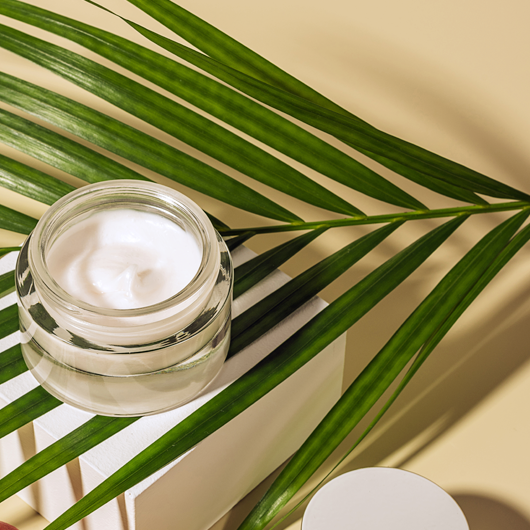


You're probably here because your skin keeps sending mixed signals. You want the smoother, fresher look exfoliation can give, but every time you try a scrub, your face feels tight, looks pink, or stings when you put moisturizer on afterward. That's a very common spot to be in with sensitive skin.
A good natural exfoliant for sensitive skin isn't about scrubbing harder. It's about choosing the right mechanism, the right texture, and the right routine so you can remove dull surface buildup without making your skin feel punished. At Skin Perfection, we focus on skincare products and lotion-making supplies that beautify the skin, and we also stay mindful of FDA and Etsy rules around product claims. That means keeping the conversation grounded, cosmetic, and practical.
Table of Contents
- The Gentle Exfoliation Dilemma for Sensitive Skin
- Understanding Natural Exfoliation for Sensitive Skin
- Comparing the Best Gentle Exfoliant Types
- Safe DIY Exfoliator Recipes and Formulation Ideas
- How to Apply Exfoliants and Determine Frequency
- Post-Exfoliation Care and Red Flags to Watch
The Gentle Exfoliation Dilemma for Sensitive Skin
Sensitive skin often makes people feel like they have to choose between comfort and glow. If they skip exfoliation, their skin can start to look dull or uneven. If they exfoliate the wrong way, they can end up with more redness than radiance.
That hesitation makes sense. Harsh particles, overuse, and poorly matched formulas can leave delicate skin feeling raw instead of refreshed. Many people aren't reacting to the idea of exfoliation itself. They're reacting to exfoliation that's too rough, too frequent, or too aggressive for their skin's current condition.
This shift toward gentler options isn't just a passing preference. The preference for natural exfoliants for sensitive skin is rooted in both clinical recommendations and measurable consumer behavior, as the global natural and organic skincare segment grew at a compound annual growth rate of 7–8% between 2015 and 2020, outpacing the broader skincare category, according to AARP's summary citing Euromonitor skincare trend data.
Why generic advice falls short
A lot of skincare content still treats all “natural” exfoliants as interchangeable. They aren't. Finely milled oatmeal behaves very differently from coarse sugar. Yogurt works differently from rice powder. A papaya enzyme mask feels different on the skin than a manual scrub, even if both aim to remove surface buildup.
That's where many people get confused. They hear “natural” and assume “gentle.” But natural ingredients can still be too scratchy, too acidic, or plainly wrong for their type of sensitivity.
Practical rule: Sensitive skin usually does better when you match the exfoliant to the cause of the sensitivity, not just to the trendiest ingredient.
What comfort-focused exfoliation looks like
The goal isn't to strip your skin until it squeaks. The goal is to help loosen the dead surface cells that make skin look tired, while keeping the skin feeling calm and supported.
When you understand how an exfoliant works, you can make better choices. You stop asking, “What's the strongest thing I can use?” and start asking, “What's the gentlest thing that will still make sense for my skin?”
Understanding Natural Exfoliation for Sensitive Skin
Your skin is already feeling tight, a little pink, and easily annoyed. Then you see the word “exfoliate” and assume it means scrubbing harder. For sensitive skin, that is usually the wrong approach. Gentle exfoliation is closer to loosening what is ready to come off than forcing your skin to shed faster than it can comfortably handle.

What exfoliation means for sensitive skin
The outermost layer of skin naturally sheds dead cells. Sometimes that process slows down or becomes uneven, so skin starts to feel rough, look dull, or catch on makeup and skincare. Exfoliation helps remove some of that extra surface buildup.
The important detail is how it happens. Sensitive skin usually tolerates exfoliation best when the method works only at the surface and does not create much friction, heat, or sting.
There are three main ways this can happen:
- Physical exfoliation lightly polishes away loose surface cells. This is where texture matters most. Finely milled oats or very soft rice powders can feel gentle, while larger particles can create tiny scratches.
- Acid exfoliation loosens the glue-like connections between dead surface cells so they release more evenly. That is why low-strength acids often feel smoother than scrubs.
- Enzyme exfoliation breaks down protein debris sitting on the outer layer of skin. It works more like a selective cleanup step than a polish.
If you have ever wondered why one “natural” exfoliant calms your skin while another leaves it hot and red, mechanism is usually the reason.
What “natural” means here, and what it does not mean
In skincare, “natural” usually refers to ingredients that come from plant, fruit, grain, milk, honey, or fermentation sources. Oatmeal, yogurt, honey, rice powder, papaya enzyme, and fruit-derived acids all fit under that umbrella.
But natural is not the same as gentle.
A walnut shell scrub can be natural and still be too abrasive for reactive skin. Lemon juice can be natural and still be too harsh and unpredictable. Sensitive skin does better with ingredients chosen for their behavior on the skin, not just their origin story.
That is also why it helps to understand acid families a little better. A formula may use a naturally derived acid, but the experience depends on pH, strength, and the rest of the formula, not just whether the source started in fruit. If you want a clearer explanation of where fruit-derived acids fit, this guide to citric acid for skincare gives useful background.
Matching the exfoliant to the kind of sensitivity
Sensitive skin is not one single type. One person flushes easily. Another has a damaged barrier and stings with almost everything. Someone else is dealing with leftover congestion and is also cautious because of post-breakout marks.
That difference changes what usually feels safest.
If your skin reacts to rubbing, enzymes or very mild acids often make more sense than grains or powders. If your skin is dry and barrier-impaired, a soft, creamy oat-based exfoliant may feel more comfortable than an acidic treatment. If you are trying to smooth uneven texture while also addressing post-acne marks with peels, the gentlest path is usually controlled exfoliation with modern formulations rather than a rough homemade scrub.
Gentle exfoliation should leave skin feeling smoother and more even, not raw, hot, or shiny in a stressed way.
A simple way to judge any natural exfoliant is to ask two questions. Does it remove surface buildup with minimal friction? Does it leave the skin barrier feeling calm afterward? If the answer to either question is no, it is not the right “gentle” choice for your skin, even if the ingredient sounds wholesome on the label.
Comparing the Best Gentle Exfoliant Types
The most helpful way to choose a natural exfoliant for sensitive skin is to stop thinking in recipes first and start thinking in mechanisms. What is the ingredient doing on the skin? Is it dissolving surface buildup, nibbling at dead cells, or lightly polishing?

Most consumer articles generically recommend ingredients like oatmeal and yogurt without explaining how to match them to specific sensitivity types, such as rosacea-prone versus barrier-impaired skin. That nuance matters because enzyme-based exfoliants and low-strength PHAs are often better tolerated since they work superficially at a skin-friendly pH, as discussed in this piece on gentle exfoliation and moisture support.
Enzymes for very reactive skin
Enzymes are often the least “scrubby” option. You can think of them as tiny helpers that loosen dull surface material without needing grains or friction. That's why people with easily reddened skin often prefer them.
Examples in the natural category include papaya and pineapple enzymes. They're useful when your skin dislikes rubbing but still needs a little help looking fresher.
Best fit:
- Skin that reddens from friction
- People who dislike scrubs
- Anyone easing back into exfoliation after a long break
Possible downside:
- They can still feel active if you leave them on too long or layer them with other strong products the same day.
Low-strength acids for dull, dry buildup
Mild acids work by loosening the “glue” between surface cells. Yogurt is a common gentle example because it contains lactic acid. Low-strength AHAs and PHAs can also fit this category when they're formulated gently.
Verified guidance notes that natural humectant-based exfoliants such as sugar cane-derived glycolic acid and related AHAs can provide controlled exfoliation for sensitive skin when used at 4–8% and buffered to pH 3.5–4.2, while higher-strength unbuffered acids are more likely to disrupt comfort, as summarized in this overview of the science behind all-natural body scrubs.
If you're comparing acid families, this internal guide to glycolic acid vs salicylic acid can help clarify why not every exfoliating acid feels the same on sensitive skin.
For readers also thinking ahead about texture concerns, professional treatments can become part of the conversation later. A useful resource on addressing post-acne marks with peels gives broader context for when exfoliating acids move beyond basic home care.
Fine powders for hands-on polish
Physical exfoliation gets a bad reputation because many people start with the wrong texture. Sensitive skin usually doesn't want sharp crystals, rough shells, or large granules. It does better with powders that feel soft and cushiony.
Very finely ground oatmeal and rice powder are common examples. Finely ground oatmeal functions as a gentle physical exfoliant due to its smooth, sub-100 µm particle size, which helps loosen dead cells without creating micro-tears, according to Healthline's overview of natural exfoliants.
A quick comparison makes the choice easier:
| Type | How it works | Often a good match for | Main caution |
|---|---|---|---|
| Enzymes | Loosen surface buildup without scrubbing | Reactive, redness-prone skin | Don't over-layer with other strong actives |
| Low-strength acids | Dissolve the bonds between dead cells | Dull, dry, flaky buildup | Strength and pH matter |
| Fine powders | Gently polish by hand | People who like immediate smoothness | Texture must be very fine |
Some people also like a rich overnight hydrator after exfoliation. HydroGlow Anti-Aging Night Mask is one example of a leave-on mask with three types of hyaluronic acid, polyglutamic acid, aloe, glycerin, jojoba, and squalane, designed to lock in moisture without a rinse-off step.
Safe DIY Exfoliator Recipes and Formulation Ideas
You mix up a simple scrub from the kitchen, use it for one minute, and your face feels hot for the next hour. That is the DIY problem for sensitive skin. The ingredient may be natural, but the way it exfoliates still matters.
A safer homemade exfoliator starts with one question: do you want the formula to polish, dissolve, or soften buildup? Fine oat powder gives light manual polishing. Yogurt works more like a short-contact surface softener because of its naturally occurring lactic acid. Once you know that difference, it gets much easier to choose a recipe your skin is more likely to tolerate.

Recipe one colloidal oatmeal paste
This is a good first test recipe for reactive skin because it keeps the formula very plain.
What you need
- Finely ground oatmeal
- Lukewarm water
How to make it
- Grind plain oats until they feel like a soft flour.
- Mix a small amount with lukewarm water until you get a loose paste.
- Apply to damp skin with very light fingertips.
- Glide it over the skin briefly, then rinse.
Why this works: oatmeal is useful here for two reasons. First, the very fine texture can help lift loose surface flakes with less friction than coarse grains. Second, oats contain soothing compounds, including avenanthramides, so the recipe does more than scrub. It also helps calm the skin while you remove buildup. If the mixture feels gritty, keep grinding or skip it. Texture is the whole safety issue with this kind of recipe.
Recipe two yogurt and honey mask
This option fits skin that stings from rubbing but can handle a brief mask.
What you need
- Plain yogurt
- A small amount of honey
How to use it
- Mix into a smooth layer.
- Apply to clean skin.
- Leave on briefly.
- Rinse with lukewarm water and follow with moisturizer.
Why this works: yogurt exfoliates by chemistry more than by friction. Its lactic acid helps loosen the links between old surface cells, so they rinse away with less manual rubbing. Honey is not a strong exfoliant, but it can make the mask more cushioning and comfortable. This is often a better match for skin that gets pink from scrubs yet still feels rough or flaky.
One caution. Sensitive skin usually does best when a recipe has a single exfoliating mechanism. If you use yogurt, there is no need to add sugar, salt, coffee grounds, or crushed seeds. That is like using sandpaper after softening the skin. The risk rises, but the benefit usually does not.
A simple hydration step after exfoliation
After rinsing, focus on water-binding and barrier support. A plain hydrating serum or moisturizer helps reduce that tight, squeaky feeling that often means you removed more than dead skin cells.
For readers who enjoy formulation, eco-friendly essential oil tips can be useful background on scent materials and restraint, especially since sensitive facial skin often does better when exfoliating products stay low-fragrance or fragrance-free.
It also helps to be selective about which powders you borrow from broader DIY projects. Some ingredients sound gentle because they are natural, but their particle shape can be too harsh for the face. The discussion around 100 food grade diatomaceous earth is a good reminder that a powder can be useful in one setting and still be the wrong texture for sensitive facial skin.
How to Apply Exfoliants and Determine Frequency
A gentle exfoliant can still irritate sensitive skin if the method is too aggressive. The ingredient matters, but the contact time, pressure, and timing matter just as much.

Patch test first
Before using any new exfoliant on your whole face, test it on a small area such as the jawline or behind the ear. Then wait a day or two and watch for redness, itching, burning, or a rash.
That waiting period matters because sensitive skin can react in two different ways. Some ingredients sting right away. Others seem fine at first, then trigger irritation later once the skin barrier has been stressed.
Application that stays gentle
How you apply an exfoliant should match how it works.
If you are using a particle-based exfoliant like finely ground oats, the goal is only to loosen surface flakes. Use damp skin, light fingertips, and a few soft passes. Scrubbing harder does not remove dead skin more effectively. It just increases friction, like rubbing a soft fabric against skin until it starts to chafe.
If you are using a lactic-acid source such as yogurt, let the ingredient do the work. Spread on a thin layer, leave it briefly, and rinse without massage. Acids loosen the bonds between dull surface cells, so extra rubbing adds mechanical irritation on top of chemical exfoliation.
A simple routine looks like this:
- Cleanse first so dirt, sunscreen, and makeup are not being rubbed across the skin
- Apply to damp, not dripping, skin unless the recipe works better as a short mask
- Use light pressure with fingertips only
- Keep contact brief the first few times
- Rinse with lukewarm water and avoid washcloth friction
- Moisturize right away so the skin does not stay exposed and tight
If your skin tends to react easily, it helps to read more about how to strengthen the skin barrier before you exfoliate regularly.
Also, do not exfoliate skin that is already irritated. Skip it if you have active redness, a sunburn, broken skin, or a flare of eczema or rosacea. Exfoliation works best on stable skin, not inflamed skin.
How often sensitive skin should exfoliate
Start low. Once a week is a sensible starting point for many people with sensitive skin, especially with scrubs or textured DIY formulas.
Then watch what happens over the next day or two. If your skin feels calm, looks even, and your moisturizer goes on comfortably, that schedule may be fine. If you notice lingering warmth, more redness than usual, or stinging from plain skincare, your skin is telling you the frequency is too high.
A helpful way to judge this is to match frequency to the exfoliation mechanism. Manual exfoliants usually need more spacing because friction can create tiny amounts of irritation even when the particles seem soft. Mild acid-based natural options may feel smoother with less rubbing, but they still need caution because sensitive skin can overreact to short exposure times.
One clear sign you are doing too much is skin that looks shiny but feels tight at the same time. That often means you are removing more than loose flakes and starting to disturb the barrier.
Post-Exfoliation Care and Red Flags to Watch
A natural exfoliant for sensitive skin is only half the job. The other half is what you do right after. Freshly exfoliated skin tends to be more impressionable, so this is when you want calm, hydration, and a simple routine.
What your skin needs right after exfoliation
Even gentle exfoliants can increase sensitivity if they're layered incorrectly with strong actives or used too often. Consumer advice often skips the practical framework people need for pairing exfoliation with barrier-support steps, which can leave them experimenting blindly, as discussed in CeraVe's article on exfoliating without disrupting the skin barrier.
After exfoliating, keep things boring in the best way:
- Use hydration-focused products rather than stacking more acids
- Skip extra strong actives that night if your skin tends to react
- Choose cushiony moisture so skin feels comfortable, not exposed
A plain moisturizer, a simple hydrating serum, or a leave-on mask can all work here. What matters is that the skin feels replenished.
Signs you need to stop and simplify
Watch for these red flags:
- Persistent stinging
- New tightness that lasts
- Redness that hangs on
- A shiny but uncomfortable forehead
- Burning when basic moisturizer touches the skin
If that happens, stop exfoliating and shift your focus to comfort and moisture. Keep your routine simple until your skin feels settled again. This internal guide on how to repair skin barrier can help you think through that reset period in a practical way.
The biggest mistake sensitive-skin users make isn't choosing the “wrong” natural ingredient once. It's repeating an exfoliation step after their skin has already said no.
If you want skincare guidance that balances ready-made products with DIY flexibility, visit Skin Perfection. We offer skincare products and lotion-making supplies for people who want to build thoughtful routines, understand their ingredients, and choose options that beautify the skin while keeping their approach informed and practical.