

 Buy with Prime


The appearance of dark spots, also known as hyperpigmentation, is a widespread skin concern that can result from various factors, including sun exposure and normal hormonal shifts. Many individuals with these spots seek ways to support a more uniform skin tone, leading to a rising interest in ingredients derived directly from nature. This guide is dedicated to exploring popular natural remedies for dark spots, focusing on botanicals and accessible ingredients known for their supportive properties.
Our goal is to provide a detailed, actionable roundup of plant-based options that can help promote a brighter, more even-looking complexion. We will explore eight distinct remedies, from Vitamin C to Rosehip Seed Oil, explaining the science behind their function and providing practical instructions for incorporating them into your existing skincare regimen. It is important to understand that these approaches are intended to enhance the skin's appearance, not to act as a treatment for any underlying condition.
Throughout this listicle, you will discover the unique benefits of each ingredient, specific application methods, and important precautions to consider. We'll offer fresh perspectives and clear, step-by-step guidance to empower you on your journey toward achieving radiant, beautifully balanced-looking skin.
1. Vitamin C (L-Ascorbic Acid)
A cornerstone in skincare, Vitamin C stands out as one of the most effective natural ingredients for dark spots. This potent antioxidant, particularly in its L-ascorbic acid form, plays a crucial role in managing the appearance of hyperpigmentation. Its power lies in its ability to interfere with tyrosinase, an enzyme essential for melanin production. By interrupting this process, it helps to visibly reduce the look of existing dark spots and discourage the formation of new ones, leading to a more even-toned complexion.
Beyond its brightening capabilities, Vitamin C is a celebrated antioxidant. It helps defend the skin against oxidative stress from environmental aggressors like UV rays and pollution, which can contribute to signs of aging and discoloration. Consistent use can also support the skin's natural collagen production, improving overall skin texture and radiance.
How to Incorporate Vitamin C
Integrating Vitamin C is straightforward. Many turn to serums as a standard step in their brightening routines. Studies have shown promising results; for example, one in the Journal of Clinical and Aesthetic Dermatology noted a 62% improvement in the appearance of hyperpigmentation after 12 weeks of consistent use. For a DIY approach, some people use fresh orange peel powder mixed with yogurt as a gentle face mask, though professionally formulated products ensure stability and optimal concentration.
Pro Tip: Apply your Vitamin C serum in the morning, right before your sunscreen. This combination provides a powerful defensive shield, as Vitamin C can boost the protective qualities of your sunscreen against environmental stressors.
For a quick reference on how Vitamin C works to improve the appearance of skin, the summary box below highlights its key actions.
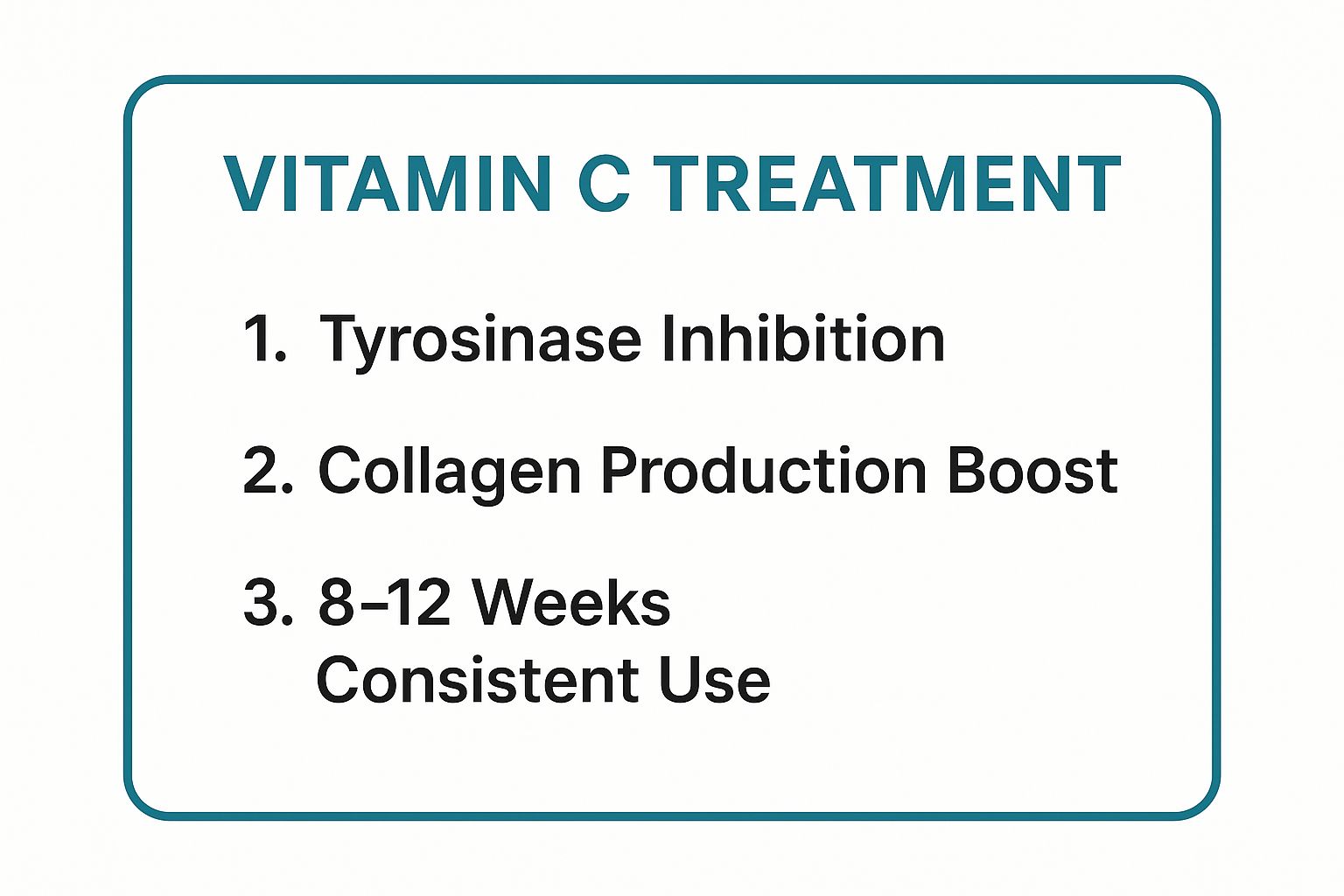
As the infographic shows, achieving a visibly brighter complexion is a process that relies on consistent application over several weeks to support the skin's natural renewal cycle.
Best Practices for Use
To get the most out of this ingredient, consider these tips:
- Proper Storage: Vitamin C is notoriously unstable and can degrade when exposed to light and air. Store your products in dark, airtight containers to preserve their potency.
- Start Slowly: If you have sensitive skin, begin with a lower concentration (around 10%) to allow your skin to acclimate before moving to higher strengths.
- Look for Stable Forms: Besides L-ascorbic acid, look for more stable derivatives like magnesium ascorbyl phosphate or ascorbyl glucoside, which are often gentler on the skin.
- Use Caution with DIY: If using natural sources like lemon juice, always dilute it significantly with water and perform a patch test. Crucially, never apply it before sun exposure, as it can make your skin more sensitive to UV rays.
2. Aloe Vera (Aloe Barbadensis Miller)
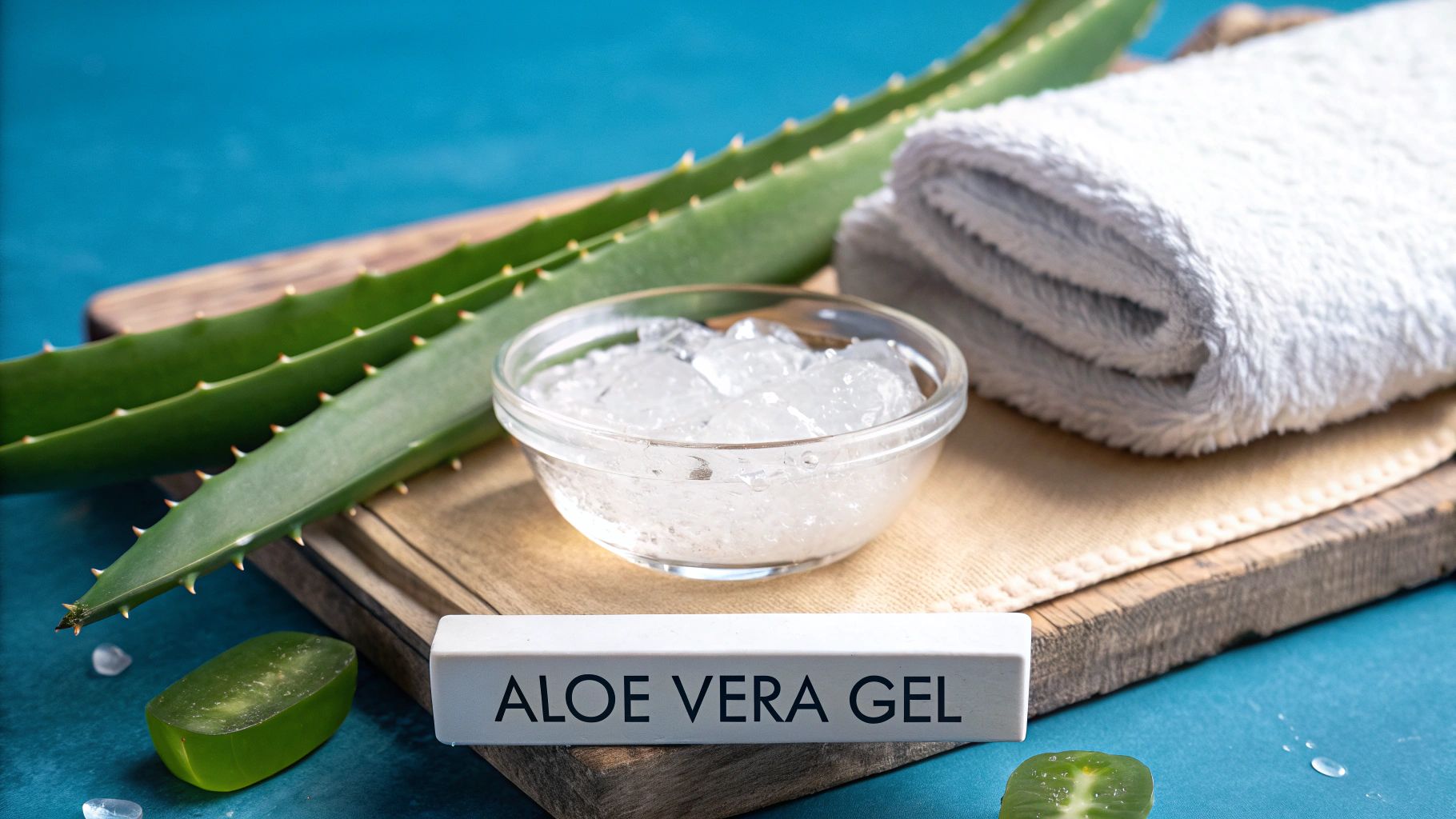
Long revered in traditional skincare, aloe vera is celebrated as a gentle yet effective natural ingredient for dark spots. This succulent plant’s power comes from two key compounds, aloesin and aloin, which are known to interfere with the enzyme responsible for melanin production. By interrupting this process, consistent application can help diminish the appearance of existing hyperpigmentation and support a more balanced, even skin tone.
The gel extracted from its leaves is a rich source of vitamins, enzymes, and amino acids that soothe and hydrate the skin. This nourishing environment supports the skin's natural regeneration, which is crucial for gradually fading the look of discoloration. Evidence of its benefits spans centuries, from its use in ancient Egyptian beauty rituals to its validation in modern studies; for instance, research in Planta Medica showed that aloesin could reduce the appearance of UV-induced hyperpigmentation.
How to Incorporate Aloe Vera
Aloe vera is incredibly easy to integrate into any skincare routine. The most common method involves applying the fresh gel directly from the leaf onto clean skin. For those interested in growing their own, you can find helpful information in A Guide to Aloe Vera Plants Care. Alternatively, many prefer commercially prepared gels, which offer convenience and a longer shelf life. For a more intensive application, some people mix aloe with a few drops of lemon juice to create a brightening nighttime mask.
Pro Tip: Keep a small pot of aloe vera in your kitchen. Beyond skincare, its soothing gel is excellent for providing a cooling sensation to minor kitchen burns or skin irritations, making it a functional and beautiful home addition.
If you enjoy a hands-on approach to your skincare, you can also explore how to create your own formulations. Get inspired by learning how to make your own homemade organic aloe vera gel.
Best Practices for Use
To maximize the benefits of aloe vera and ensure a positive experience, follow these guidelines:
- Choose Pure Formulas: Opt for 100% pure aloe vera gel. Avoid products with added alcohol, color, or fragrance, which can irritate the skin.
- Patch Test First: Before applying it to your face, perform a patch test on a small area of your skin, as some individuals may experience contact dermatitis.
- Consistent Application: For best results, apply the gel to affected areas twice daily. You can leave it on for 30 minutes before rinsing or use it as an overnight application.
- Proper Storage: Freshly harvested aloe gel is perishable. Store it in an airtight container in the refrigerator and use it within one week to maintain its potency.
3. Licorice Root Extract (Glabridin)
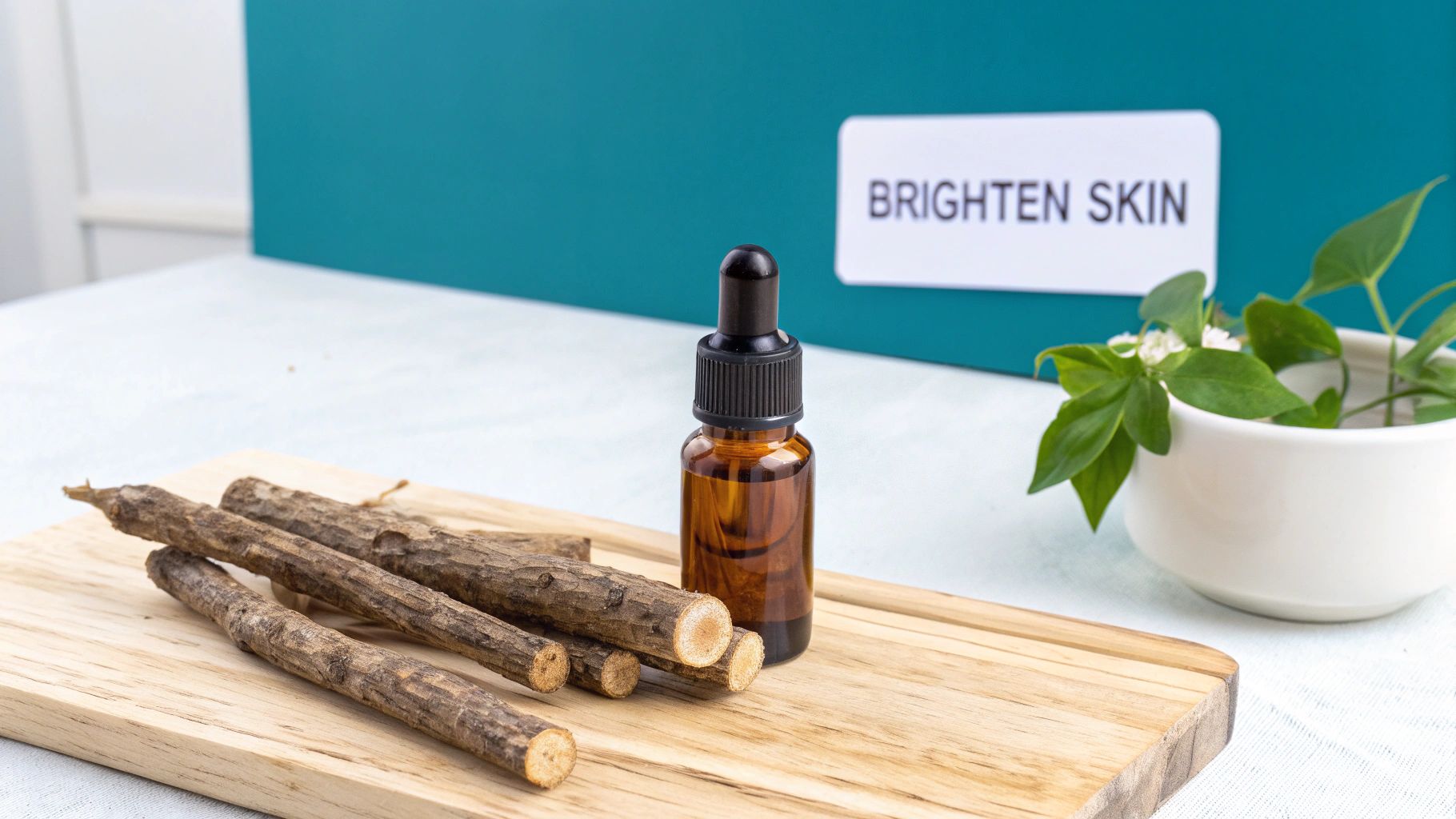
Esteemed in traditional wellness practices for centuries, licorice root extract is a standout among natural ingredients for dark spots. Its primary active compound, glabridin, is highly regarded for its ability to promote a more even skin tone. The extract works by interfering with tyrosinase, the enzyme responsible for melanin production, which helps diminish the appearance of existing discoloration and discourages new spots from forming. It also helps to disperse melanin pigment, further contributing to a brighter, more uniform complexion.
This botanical ingredient is celebrated not only for its brightening effects but also for its soothing properties, making it an excellent choice for those with sensitive or reactive skin. Its gentle nature allows it to be a favorable alternative for addressing the look of hyperpigmentation, earning it a significant place in modern skincare, particularly in Japanese and Korean beauty routines.
How to Incorporate Licorice Root Extract
Integrating licorice root extract into your routine is simple, as it’s found in many serums, creams, and cleansers. Its efficacy is supported by research; for instance, a study in the Journal of Cosmetic Dermatology noted a significant reduction in the appearance of age spots after just four weeks of use. For a DIY approach, you can mix one teaspoon of licorice root powder with honey to create a gentle face mask, applying it for 15 minutes before rinsing.
Pro Tip: Combine licorice root extract with niacinamide in your routine. This pairing works synergistically, as both ingredients target different pathways to address discoloration, enhancing the overall appearance of skin clarity and brightness.
As research indicates, consistent application is key to seeing visible improvements in skin tone. The extract supports the skin’s appearance over several weeks of dedicated use.
Best Practices for Use
To maximize the benefits of this potent botanical, keep these tips in mind:
- Check the Concentration: For best results, look for products containing at least 1% licorice root extract or 0.5% glabridin to ensure an effective concentration.
- Apply Twice Daily: Consistent application is crucial. Use your licorice-infused product both morning and night on affected areas to support a more even-looking complexion.
- Choose Standardized Extracts: Opt for products that use standardized extracts. This ensures you receive a consistent and potent amount of the active compounds in every use.
- Pair with Other Brighteners: Licorice root extract can be safely combined with other brightening agents like Vitamin C and azelaic acid to enhance its effects on skin tone.
4. Niacinamide (Vitamin B3)
A true multitasker in skincare, Niacinamide has earned its place as one of the most reliable natural ingredients for dark spots. This form of Vitamin B3 is a water-soluble vitamin that works with the natural substances in your skin to visibly improve the appearance of uneven skin tone. Its primary function is to help reduce the transfer of pigment within the skin, which can prevent dark spots from becoming more visible on the surface and lead to a brighter, more uniform complexion.
Beyond its impact on discoloration, Niacinamide is celebrated for supporting the skin's barrier function. A strong barrier helps the skin retain moisture and defend against environmental stressors that can contribute to premature aging and pigmentation. This versatile ingredient also helps to visually calm redness and balance the look of excess oil, making it suitable for a wide variety of skin types and concerns.
How to Incorporate Niacinamide
Adding Niacinamide to your skincare routine is simple, as it's often found in lightweight serums. Its effectiveness is well-documented; for instance, a study in the British Journal of Dermatology found that a 2% concentration of niacinamide significantly reduced the appearance of hyperpigmentation after just four weeks. This gentle yet effective ingredient has become a staple for those looking to address the look of age spots, sun damage, and post-blemish marks.
Pro Tip: Apply your Niacinamide serum after cleansing but before heavier moisturizers. It can be used both morning and night and pairs exceptionally well with other brightening ingredients and antioxidants.
If you're interested in a deeper look into its benefits, you can learn more about why Niacinamide is important for your skin to understand its full potential for achieving a clear and radiant look.
Best Practices for Use
To get the most out of this powerful vitamin, keep these tips in mind:
- Optimal Concentration: Look for products with Niacinamide concentrations between 2% and 10%. Higher percentages don't always mean better results and may cause sensitivity for some.
- Introduce Slowly: If you have very sensitive skin, start by using it every other day to see how your skin responds before moving to daily use.
- Team Up with Zinc: Formulations that pair Niacinamide with zinc can be particularly beneficial for balancing the appearance of oily skin while addressing uneven tone.
- Don't Fear Combinations: Despite old myths, Niacinamide can be safely and effectively used in the same routine as Vitamin C. Layering them can provide comprehensive benefits for a brighter-looking complexion.
5. Apple Cider Vinegar (Acetic Acid)
A staple in traditional folk remedies, apple cider vinegar (ACV) is recognized for its potential role in improving the appearance of skin discoloration. Its primary component, acetic acid, is a mild alpha-hydroxy acid (AHA) that provides gentle chemical exfoliation. This action helps slough away the outermost layer of dead skin cells, which can hold excess pigment, revealing a brighter, more refreshed appearance underneath.
Beyond its exfoliating properties, ACV also contains malic acid, another AHA known for its skin-smoothing benefits. When used correctly and consistently, this natural ingredient can help diminish the look of dark spots and promote a more uniform skin tone. Many DIY skincare enthusiasts and natural health bloggers have shared anecdotal reports of improved appearance in post-acne marks after several months of careful use, making it a popular, though debated, option among natural remedies for dark spots.
How to Incorporate Apple Cider Vinegar
Integrating ACV into your routine requires significant caution due to its acidity. The standard method involves creating a diluted solution to use as a targeted spot application. For those seeking alternatives to DIY applications, exploring professionally formulated products designed to address discolored skin and sun spots can be a reliable option. You can learn more about effective products for discolored skin on naturalorganicskincare.com.
Pro Tip: Always choose raw, unfiltered apple cider vinegar that contains "the mother." This sediment consists of beneficial proteins, enzymes, and friendly bacteria, which are believed to provide the most benefits for the skin.
Best Practices for Use
To safely use this potent ingredient and minimize the risk of irritation, follow these guidelines:
- Always Dilute: Never apply undiluted ACV to your skin. Start with a ratio of 1 part ACV to 3 parts water. You can adjust to a 1:2 ratio if your skin tolerates it well.
- Perform a Patch Test: Before applying to your face, test the diluted mixture on a discreet area of skin, like behind your ear, and wait 24 hours to check for any adverse reactions.
- Targeted Application: Use a cotton ball or swab to apply the solution directly to dark spots only, avoiding the surrounding skin.
- Limit Contact Time: Initially, leave the solution on for only 2-3 minutes before rinsing thoroughly with cool water. Gradually, you can work up to 5 minutes, but avoid leaving it on for extended periods.
- Moisturize After: After rinsing, always apply a hydrating moisturizer to support your skin barrier.
- Avoid Sun Exposure: ACV can increase photosensitivity. Only use it in your evening routine and never before going out in the sun.
6. Turmeric (Curcumin)
A staple in Ayurvedic tradition for thousands of years, turmeric is celebrated for its remarkable properties that support radiant, even-toned skin. Its power is derived from its active compound, curcumin, which functions as a potent antioxidant. This compound helps manage the appearance of dark spots by interfering with tyrosinase, the enzyme responsible for melanin production. By interrupting this process, it aids in visibly diminishing existing discoloration and discouraging new spots from forming.
Beyond its role in managing melanin synthesis, turmeric's antioxidant qualities help defend the skin against environmental stressors that can contribute to hyperpigmentation and other signs of aging. Regular use can help promote a brighter, more luminous complexion, making it a valuable addition to routines targeting an uneven skin tone. Its ability to support the skin makes it a dual-action ingredient for both managing the look of existing spots and maintaining overall skin vitality.
How to Incorporate Turmeric
Integrating turmeric into your skincare routine can be done easily with a DIY mask. A study in Phytotherapy Research noted that curcumin was effective in managing melanin production, supporting its use as a natural ingredient for dark spots. For a traditional approach, a simple paste made from turmeric powder and a liquid base like yogurt or honey can be applied to the skin.
Pro Tip: To minimize the chance of temporary staining, especially on lighter skin tones, use Kasturi manjal (wild turmeric). It provides similar benefits without the strong yellow tint of culinary turmeric.
For a visual guide on creating a turmeric face mask to help with the appearance of dark spots, the video below provides simple, step-by-step instructions.
As shown in the video, consistency is key. Using a turmeric mask regularly can support your journey toward a visibly more balanced and radiant complexion.
Best Practices for Use
To achieve the best results with this golden spice, consider these tips:
- Create a Balanced Mask: Mix one teaspoon of turmeric powder with two tablespoons of a base like plain yogurt or honey to form a smooth paste. Yogurt's lactic acid offers gentle exfoliation.
- Limit Application Time: Leave the mask on for only 10-15 minutes. Leaving it on longer increases the risk of temporary skin staining.
- Patch Test First: Always perform a patch test on a small area of your skin to ensure you don't have a sensitivity to the ingredient.
- Consistent Application: For optimal results, apply the mask 2-3 times per week. Follow up with a moisturizer to keep your skin hydrated.
7. Kojic Acid (from Fermented Rice)
Originating from Japan, Kojic Acid is a celebrated natural compound derived from the fermentation of rice by certain fungi, a process famously used in making sake. It has earned its place as one of the most effective natural ingredients for dark spots. Its primary mechanism involves inhibiting tyrosinase, the key enzyme responsible for melanin production. By interrupting this pathway, Kojic Acid helps diminish the appearance of existing discoloration and discourages new spots from forming, promoting a more uniform skin tone.
This ingredient's reputation is built on a history of observation, as sake brewery workers were noted for having exceptionally clear and even-toned hands. Beyond its role in addressing the look of hyperpigmentation, Kojic Acid also offers antioxidant benefits, helping to protect the skin from environmental stressors that can lead to visible signs of aging and uneven skin tone.
How to Incorporate Kojic Acid
Kojic Acid is widely available in serums, creams, and cleansers, making it easy to add to your routine. Its effectiveness is well-documented; for instance, some clinical studies have noted a significant improvement in the appearance of melasma after 12 weeks of use. Many popular Japanese skincare brands, such as Shiseido and DHC, have long incorporated koji extracts into their formulations to help achieve a brighter-looking complexion.
Pro Tip: For enhanced results, consider pairing Kojic Acid with an alpha-hydroxy acid (AHA) like glycolic acid. The AHA helps exfoliate the skin's surface, which can improve the penetration and efficacy of the Kojic Acid.
The goal is to support the skin's natural processes, and consistent application is key to seeing visible improvement in the appearance of dark spots over time.
Best Practices for Use
To get the most benefit from Kojic Acid while maintaining skin comfort, consider the following practices:
- Choose the Right Concentration: Look for products with a concentration between 1-4%. This range is generally considered effective for cosmetic use without being overly harsh.
- Nighttime Application: It's best to apply Kojic Acid products in the evening, as it can increase your skin's sensitivity to the sun.
- Sunscreen is Non-Negotiable: Always apply a broad-spectrum SPF 30 or higher during the day to protect your skin and prevent the appearance of new spots.
- Cycle Your Usage: Some professionals suggest a cycle of using Kojic Acid for three months, followed by a one-month break, to maintain your skin's receptiveness.
8. Rosehip Seed Oil (Rosa Canina)
Harvested from the seeds of wild rose bushes, rosehip seed oil is a celebrated ingredient among natural options for dark spots. This lightweight oil is packed with skin-loving components, including vitamins and essential fatty acids. Its most notable component is trans-retinoic acid, a natural precursor to vitamin A, which supports the skin’s natural cell turnover process. Encouraging surface skin renewal helps diminish the appearance of hyperpigmentation over time.
The oil's rich composition of fatty acids also helps to maintain the skin's moisture barrier, which is essential for healthy-looking skin. This dual-action approach of promoting a more even skin tone while delivering nourishment makes it a popular choice. Many users, from Chilean women in traditional practices to modern skincare enthusiasts, have incorporated it into their routines to support a more radiant and uniform complexion.
How to Incorporate Rosehip Seed Oil
Integrating rosehip seed oil is simple. It can be applied directly to the skin or mixed with other products. Clinical studies have explored its effects on skin appearance; for instance, a trial on photo-aged skin noted improvements in the look of pigmentation and overall skin tone. Its reputation has been bolstered by brands like Trilogy and Pai Skincare, which feature it as a star ingredient in their organic lines.
Pro Tip: Apply 3-5 drops of rosehip seed oil onto damp skin right after cleansing. The moisture helps the oil absorb more effectively, leaving your skin feeling soft and nourished without a greasy residue. It also layers well under sunscreen for daytime use.
Best Practices for Use
To get the most from this botanical oil, consider these simple guidelines:
- Choose High Quality: Opt for cold-pressed, organic rosehip oil to ensure its delicate compounds are preserved. Look for products in dark glass bottles to protect them from light degradation.
- Proper Storage: To maintain its freshness and potency, store the oil in the refrigerator and aim to use it within six months of opening.
- Application Method: You can use it as a spot application by dabbing it onto specific areas of concern or apply it all over the face as a nourishing serum.
- Consistency is Key: For best results, incorporate it into your routine both morning and night, allowing it to work with your skin's natural cycles.
Natural Remedies for Dark Spots: Key Feature Comparison
| Item | Implementation Complexity 🔄 | Resource Requirements ⚡ | Expected Outcomes ⭐ / 📊 | Ideal Use Cases 💡 | Key Advantages ⭐ / 💡 |
|---|---|---|---|---|---|
| Vitamin C (L-Ascorbic Acid) | Moderate: requires stable formulations and consistent use | Moderate: serums, creams, natural sources | High: reduces the look of hyperpigmentation in 8-12 weeks, brightens skin | Dark spots, signs of anti-aging, synergistic with sunscreen | Potent antioxidant; supports collagen; well-researched |
| Aloe Vera (Aloe Barbadensis Miller) | Low: fresh gel extraction or commercial gels | Low: easy home growth or affordable products | Moderate: gradual fading of appearance over 3-6 months | Sensitive skin, hydration, soothing appearance of redness | Gentle, multi-benefit, minimal side effects, affordable |
| Licorice Root Extract (Glabridin) | Moderate: need standardized extracts, 4-8 weeks use | Moderate: concentrated extracts can be costly | High: effective for the look of melasma & post-inflammatory hyperpigmentation | The look of hyperpigmentation with redness, sensitive skin | Gentle on skin; suitable for long-term use; soothing |
| Niacinamide (Vitamin B3) | Low: stable, pH-neutral, widely tolerated | Low: widely available, affordable products | Moderate-High: visible results in 4-8 weeks | Sensitive/acne-prone skin, barrier support | Multi-functional; broad compatibility; minimal side effects |
| Apple Cider Vinegar (Acetic Acid) | Moderate-High: requires dilution and caution | Very Low: inexpensive, accessible | Low-Moderate: gradual improvement, anecdotal evidence | Exfoliation, post-acne marks, non-sensitive skin | Natural AHA source; gently exfoliates |
| Turmeric (Curcumin) | Low: easy DIY or commercial formulations | Low: widely available, affordable | Moderate: visible results in 6-8 weeks | Pigmentation with redness, natural routine | Soothing; antioxidant; multi-use; chemical-free |
| Kojic Acid (from Fermented Rice) | Moderate-High: potential irritation, requires careful use | Moderate-High: medical-grade products, cost variation | High: results in 2-4 weeks on the look of stubborn spots | The look of melasma, age spots, post-inflammatory pigmentation | Well-researched; rapid action; natural tyrosinase inhibitor |
| Rosehip Seed Oil (Rosa Canina) | Low-Moderate: oil application, consistent use | Moderate: organic, cold-pressed preferred | Moderate-High: visible in 8-12 weeks | Sensitive skin; scars; hydrating pigmentation care | Natural retinoid source; gentle; multi-purpose; nourishing |
Embracing a Consistent and Mindful Skincare Practice
Navigating the world of natural remedies for dark spots reveals a wealth of plant-derived ingredients, each with a unique profile to support a brighter, more even-toned appearance. This article has guided you through the properties of potent options like Vitamin C, soothing Aloe Vera, brightening Licorice Root Extract, and versatile Niacinamide. We've explored how everyday items such as Apple Cider Vinegar and Turmeric can be incorporated into your routine, alongside targeted ingredients like Kojic Acid and the nourishing Rosehip Seed Oil.
The journey to addressing uneven skin tone is highly personal, but a few universal principles stand as the bedrock of success. If there is one central theme to take away, it is the profound importance of consistency. A single application of a turmeric mask or a sporadic use of a Vitamin C serum will not yield the desired outcome. These natural ingredients work cumulatively, and their benefits are revealed through dedicated, regular use over several weeks or months.
Your Actionable Path to a Radiant Appearance
To translate this knowledge into tangible results, consider the following actionable steps:
- Select and Introduce Mindfully: Choose one or two ingredients from this list that best suit your skin type and concerns. Don't overwhelm your skin with too many new ingredients at once.
- Prioritize the Patch Test: Before applying any new ingredient to your face, always perform a patch test on a discreet area of skin, like your inner arm. Wait 24-48 hours to observe for any signs of sensitivity.
- Integrate with Patience: Slowly incorporate your chosen ingredient into your routine, perhaps starting with an application two to three times per week and gradually increasing as your skin tolerates it.
- Document Your Journey: Consider taking weekly photos in consistent lighting. This can help you track subtle changes and stay motivated, as progress in addressing the look of dark spots is often gradual.
The Non-Negotiable Pillar: Sun Protection
It is impossible to overstate the role of sun protection. Diligent, daily use of a broad-spectrum sunscreen is the most critical step you can take. UV exposure is a primary contributor to the appearance of dark spots and can easily undo the progress you make with even the most effective natural remedies for dark spots. Think of sunscreen not as an optional step, but as the essential shield that protects your investment in your skin.
Ultimately, achieving your skincare goals is a marathon, not a sprint. It’s a practice in patience, observation, and self-care. By combining the power of these natural ingredients with an unwavering commitment to consistency and sun protection, you empower yourself to cultivate a complexion that looks healthy, luminous, and beautifully even. Listen to your skin, enjoy the ritual, and celebrate the small victories along the way.
Ready to take the next step on your skincare journey? Explore the premium, high-quality ingredients and expertly formulated products at Skin Perfection. Whether you're a DIY enthusiast looking for pure botanical extracts or seeking a professionally crafted serum to address the look of dark spots, we provide the tools you need to create a routine that works for you. Visit Skin Perfection to discover your path to a more radiant-looking complexion today.