

 Buy with Prime
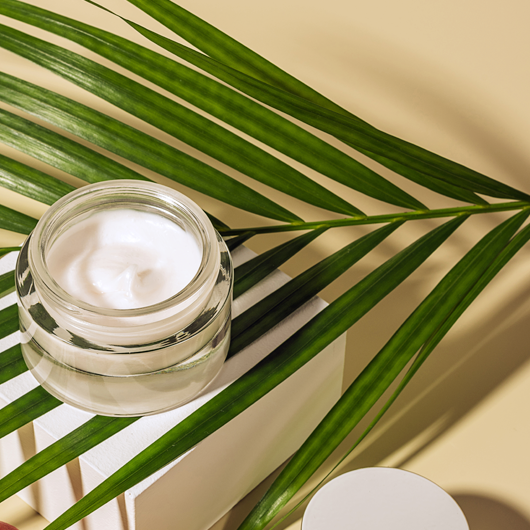


Whipped beef tallow balms are incredibly luxurious, skin-loving moisturizers made from rendered beef fat that’s been whipped up into a light, airy texture. This isn’t some new fad; it's a traditional ingredient making a huge comeback, and for a good reason. Its fatty acid profile is remarkably similar to our skin's own natural oils, which makes it an absolute powerhouse for achieving soft, hydrated, and beautiful-looking skin.
The Return of Ancestral Skincare

In a world saturated with complex chemical formulas and intimidating ten-step routines, something powerful is happening. People are looking back to simpler times, embracing the wisdom of our ancestors for modern beauty. This movement is reintroducing time-honored ingredients that our great-grandmothers swore by, and beef tallow is leading the charge.
This isn't just about nostalgia. It's a very conscious choice to use recognizable, single-source ingredients. So many of us are just plain tired of staring at long, unpronounceable ingredient lists and are craving transparency and simplicity in what we put on our skin.
Why Tallow Resonates Today
The real magic of whipped beef tallow balms is their unique biocompatibility with our skin. Tallow is packed with the same kinds of lipids (fats) that are naturally found in healthy, supple skin. This is what makes it such an effective conditioning agent that helps moisturize and beautify the skin's appearance in a way that many synthetic products can't.
This unique profile includes:
- Oleic Acid: A monounsaturated fatty acid that helps moisturize the skin on a deep level.
- Palmitic Acid: An amazing emollient that gives your skin that smooth, soft feel.
- Stearic Acid: Helps to support the skin's surface, improving its texture and suppleness.
When you apply a tallow balm, it’s like your skin breathes a sigh of relief and recognizes these fatty acids. This synergy is what makes tallow-based products feel so incredibly compatible and nurturing, unlike some synthetic alternatives that just seem to sit on the surface. If you're curious, you might be interested in a deeper dive into what beef tallow is and its long history.
The global tallow balm market is exploding, which really speaks to this massive shift toward ancestral skincare. Projections show the market hitting $277.57 million in 2025 and climbing to $403 million by 2032. This boom is almost entirely fueled by consumers looking for natural alternatives, with North America leading the way at $88.72 million in 2024. People are drawn to whipped beef tallow balms because their composition, with 40-50% oleic acid, so closely mimics human sebum, providing truly exceptional moisturization.
From Wellness Trend to Kitchen Staple
The renewed interest in tallow is also deeply connected to broader wellness trends. As more people adopt "nose-to-tail" eating philosophies and prioritize whole, unprocessed foods, it’s a natural next step for that mindset to spill over into skincare. The thinking is simple: if an ingredient is nourishing for the inside of your body, it's likely going to be wonderful for your skin, too.
This holistic view is exactly why so many beauty enthusiasts and DIY crafters are now making their own whipped beef tallow balms. It’s incredibly empowering to have full control over what goes on your skin, allowing you to create a pure, effective, and deeply moisturizing product right in your own kitchen.
Gathering Your Ingredients And Tools
Making your own whipped beef tallow balms is an incredibly rewarding experience, and it all starts with picking the right lineup of ingredients and tools. The quality of what you put in directly impacts the quality of your final balm, so a little prep work now makes for a much smoother, more enjoyable process later.
Think of yourself as an artisan in your own skincare kitchen. You wouldn't use less-than-stellar ingredients for a special meal, and the same idea applies here. Every single item plays a role in the final texture, feel, and performance of the balm you create.
The Heart Of Your Balm: High-Quality Tallow
The star of the show is, without a doubt, the tallow. For a truly luxurious and nourishing balm, grass-fed beef tallow is the gold standard. Tallow from grass-fed cattle has a superior fatty acid profile and a higher concentration of fat-soluble vitamins than its grain-fed counterpart.
You’ve got two main routes for getting your hands on it:
- Buy It Pre-Rendered: Many small farms, specialty butcher shops, and online stores now offer fantastic pre-rendered grass-fed tallow. Keep an eye out for products labeled "triple-filtered" or "purified" to get the cleanest, most neutral-smelling base.
- Render It Yourself: If you're feeling a bit more adventurous, you can render your own tallow from beef suet (the hard, crumbly fat found around the kidneys). It's more hands-on, but it gives you total control over the purity and quality of your most important ingredient.
Using tallow in skincare is a practice steeped in tradition, not a fleeting trend. For centuries, it was a go-to for moisturizing and protecting skin. In fact, whipped beef tallow balms have ancient roots; historical figures like Queen Victoria were said to use tallow-based salves for dry skin during Britain's harsh winters, applying them under gloves at night to keep their hands soft. You can dive deeper into the fascinating history of tallow at LadyMayTallow.com.
Elevating Your Balm With Carrier Oils
While tallow is amazing all on its own, adding a liquid carrier oil can tweak the texture and bring new skin-loving properties to your balm. The idea is to create a finished product that just melts effortlessly into the skin. A good starting point is a ratio of about 70-80% tallow to 20-30% liquid oil.
Here are a few of my favorite choices:
- Jojoba Oil: This is a classic for a reason. Structurally, it’s incredibly similar to our skin’s natural sebum, which makes it a great match for pretty much all skin types. It feels light and absorbs beautifully.
- Squalane Oil (Olive-Derived): If you want an ultra-lightweight, non-greasy feel, squalane is your answer. It provides incredible slip and leaves skin feeling silky smooth.
- Rosehip Seed Oil: This is a fantastic addition for any formula aimed at promoting a more youthful, vibrant complexion.
If you're planning to make a variety of skincare goodies, check out our guide on sourcing bulk skincare ingredients for more ideas and inspiration.
A thoughtful combination of carrier and essential oils can transform your basic tallow balm into a targeted product for your specific skin needs. Whether you're aiming for deep hydration, a youthful appearance, or a calming aroma, the right oils make all the difference.
Choosing Your Carrier and Essential Oils
A comparison of popular carrier and essential oils to help you customize your whipped beef tallow balm based on your skin's needs and desired aromatic profile.
| Oil Type | Best For | Key Properties |
|---|---|---|
| Jojoba Oil | All skin types, acne-prone | Balances oil production, non-comedogenic, mimics skin's natural sebum |
| Squalane | Dry, mature skin, sensitive | Lightweight hydration, improves elasticity, non-greasy finish |
| Rosehip Seed Oil | Appearance of aging, scarring | Rich in Vitamin A & C, promotes skin radiance, brightens skin |
| Lavender Essential Oil | Calming, all skin types | Soothes the skin's appearance, relaxing aroma |
| Frankincense Essential Oil | Mature skin, youthful appearance | Reduces appearance of wrinkles, tones skin, grounding scent |
| Tea Tree Essential Oil | Blemish-prone skin | Clarifying properties for the skin's appearance |
Selecting oils is a personal journey. Don't be afraid to experiment with different combinations to find what your skin loves most. Start with small batches to test your new creations.
Essential Tools For A Flawless Whip
Having the right equipment is just as crucial as the ingredients themselves. You don’t need a fancy lab, but a few key items will make the whole process easier and give you consistent, professional-quality results.
Pro Tip: Before you start melting anything, get all your tools gathered, cleaned, and ready to go. A clean and organized workspace is a safe one, and it helps ensure your final product is pure and free of any contaminants.
Here’s what you’ll want in your toolkit:
- A Digital Kitchen Scale: Precision is everything in formulation. Measuring your ingredients by weight—not volume—is the only way to guarantee your results are consistent batch after batch.
- A Double Boiler (or a DIY version): You need to melt your tallow and oils gently to avoid scorching them. A dedicated double boiler is great, but a heatproof glass bowl placed over a saucepan of simmering water works just as well.
- An Electric Mixer: To get that signature light, fluffy, cloud-like texture of a whipped beef tallow balm, a hand mixer or a stand mixer with a whisk attachment is absolutely essential.
- A Spatula: A simple silicone spatula is perfect for scraping down the sides of the bowl, making sure every last bit gets whipped evenly.
- Storage Jars: Dark glass jars, like amber or cobalt blue, are the best choice. They protect your balm from light, which can cause the delicate oils to degrade over time. Make sure they come with tight-fitting lids to keep everything fresh.
The Whipped Tallow Balm Recipe
Making your own luxurious whipped beef tallow balms is way easier than you might think. This recipe is pretty much foolproof, and I'm going to walk you through the key techniques that give you that light, cloud-like texture every single time. With just a handful of quality ingredients and the right method, you'll be crafting gorgeous moisturizer right in your own kitchen.
The real secret isn't about having a long list of fancy ingredients; it's all about temperature and timing. Getting the cooling process right is what separates a smooth, fluffy balm from a grainy, dense one. We'll cover everything from melting the fats to that final, satisfying whip.
This infographic lays out the simple, three-part flow of what you'll need.

As you can see, the foundation of a fantastic balm comes down to just three core things: high-quality tallow, a good carrier oil, and basic kitchen tools. This makes the whole process super accessible for anyone to try at home.
Preparing and Melting Your Ingredients
First things first, precision is your best friend here. Grab a digital kitchen scale and measure out your ingredients by weight—it's far more accurate than using cups or spoons. A great starting ratio for a soft, easy-to-spread balm is 80% grass-fed beef tallow to 20% liquid carrier oil, like jojoba or squalane.
For a small test batch, you could try:
- 80 grams of grass-fed beef tallow
- 20 grams of jojoba or squalane oil
Combine your tallow and carrier oil in a double boiler. If you don't have one, a heatproof glass bowl set over a saucepan of gently simmering water works perfectly. The key here is low, indirect heat. You want to melt everything together slowly until it's completely liquid and clear. This gentle approach protects all the delicate, skin-loving fatty acids from getting damaged by high heat.
The Crucial Cooling Phase
Once everything is melted, take the bowl off the heat and let it cool down at room temperature for a few minutes. Now, listen up, because this is the most important part of the whole recipe, so don't rush it. Your goal is to bring the mixture to what's called the “trace” stage—it should turn opaque and have the consistency of very soft, room-temperature butter.
To speed this along, you can pop the bowl in the fridge for 5-10 minute bursts. Make sure to stir it every few minutes to help it cool evenly. If you skip the stirring, the fats along the sides of the bowl will harden while the center stays liquid, which is the number one cause of a grainy final product. Keep this up until the entire mixture is thick and creamy, with no liquidy spots left.
The science here is pretty simple: different fats have different melting points. By cooling the mixture quickly while stirring constantly, you encourage all those fatty acids to solidify together at the same time. This creates a smooth, uniform base that’s perfect for whipping.
Adding Essential Oils and Whipping
Now that your base is cool, it's the perfect time to add any essential oils. If you add them when the mixture is too hot, the lovely aromatic compounds will just evaporate away. A good rule of thumb is to add them once the mixture is cool to the touch but still soft enough to stir. For every 100 grams of balm, about 10-20 drops (0.5-1% concentration) is a safe and effective amount.
With your essential oils mixed in, it’s time for the fun part. Using an electric hand mixer or a stand mixer with the whisk attachment, start whipping the balm on a low speed. As it starts to lighten up, you can gradually increase the speed to high.
Whip the mixture for a solid 3-5 minutes. You’ll actually see it transform before your eyes—it will get whiter, increase in volume, and develop beautiful, soft peaks. The final texture should feel light and airy, almost like a fluffy buttercream frosting. And that's it! You've successfully made a whipped tallow balm!
Packaging and Storing Your Creation
Immediately scoop your freshly whipped balm into clean, sterilized jars. I highly recommend using airtight, dark glass containers because they protect the balm from light and air, which can cause the oils to go rancid over time. Gently spoon the balm into the jars, trying not to knock out all that air you just whipped into it.
Seal the jars up tightly and store them in a cool, dark place, like a cabinet or drawer. Because this recipe is anhydrous (meaning it has no water in it), it's naturally self-preserving and has a great shelf life, often lasting up to a year without any synthetic preservatives. If you want to be extra cautious, you can add a few drops of Vitamin E oil (an antioxidant) during the whipping stage to help keep the oils fresh even longer. For those interested in anhydrous formulas, our guide on how to make face cream has even more tips.
The effectiveness of tallow as a moisturizer is well-supported. For instance, scientific data shows tallow's remarkable biocompatibility with skin. A study involving 78 participants demonstrated that tallow-based emulsions significantly improved skin moisturization. In the study, some derived fats increased hydration by an incredible 47.2% after just 180 minutes, showcasing a rapid and lasting effect that is ideal for skin that feels dry. This is largely because grass-fed tallow’s oleic acid content of 40-50% closely mimics our skin's natural sebum, supporting the appearance of a healthy skin barrier. Find out more about these impressive tallow study findings.
Customizing Your Balm for Specific Beauty Goals
Once you've nailed the basic whipped beef tallow balms recipe, the real fun begins. This is where you get to play alchemist and customize your creations for very specific purposes. Think of your whipped tallow and carrier oil base as a blank canvas, ready for you to add your artistic touch.
By carefully selecting and adding specific botanical oils and extracts, you can design balms that are perfectly tailored to your beauty routine. Whether you're hoping to support a more youthful appearance, deeply nourish your hair, or condition your lashes and brows, the possibilities are pretty exciting. The trick is to choose ingredients known for the properties you're after.
A Blend for a Youthful Appearance
If you're looking to create a whipped tallow balm that helps promote a radiant, youthful look, you'll want to bring in some oils celebrated for their appearance-enhancing qualities. The goal here is a blend that helps skin look firm, smooth, and vibrant. A fantastic combination to start with is rosehip seed oil and frankincense essential oil.
Rosehip seed oil is a lightweight, non-greasy oil that's a true superstar in formulations for mature skin. It's an absolutely beautiful addition to your tallow base. Frankincense essential oil adds a grounding, earthy aroma and has been a staple in beauty rituals for centuries to help maintain the skin's appearance.
For this kind of blend, you can tweak your base ratio a bit:
- 70% Grass-Fed Beef Tallow: This is still the nutrient-rich heart of your balm.
- 20% Jojoba or Squalane Oil: Keeps the texture smooth and silky.
- 10% Rosehip Seed Oil: Lends its unique properties to the final product.
- Frankincense Essential Oil: Add this at a 0.5% to 1% concentration, which is about 10-20 drops for every 100g of balm.
Just whip these ingredients together using the standard recipe, and you’ll have a luxurious, skin-loving balm.
A Nourishing Balm for Hair and Scalp
Whipped tallow is amazing for your face and body, but don't forget about your hair! It can be a truly wonderful deep conditioning treatment for your hair and scalp. By adding oils known for their hair-beautifying benefits, you can create a potent balm to help your strands look healthy and shiny. For this, my go-to ingredients are castor oil and rosemary essential oil.
Castor oil is a famously thick, rich oil that does a great job of coating the hair shaft, delivering intense moisture and boosting shine. Rosemary essential oil is a classic in hair care for its ability to support a healthy-looking scalp.
Pro Tip: When you're making a hair balm, the final texture can be a bit heavier, so remember that a little goes a very long way. I like to focus the application on the ends of my hair to smooth frizz or use it as a pre-shampoo scalp treatment by massaging a small amount in before washing.
This combination creates a fantastic hair-focused product that leaves your hair feeling incredibly soft and looking healthy. You can find more ideas for amazing botanicals in our guide on the best natural ingredients for skin—many of them are fantastic for hair, too.
A Gentle Conditioner for Lashes and Brows
You can also whip up a super simple, gentle balm specifically for conditioning your eyebrows and eyelashes. Keeping your brows and lashes conditioned can help them appear fuller, thicker, and more defined. For this delicate area, less is definitely more. All you really need is a simple blend of tallow and a touch of castor oil.
A great ratio for a lash and brow conditioner would be:
- 95% Grass-Fed Beef Tallow
- 5% Castor Oil
Whip these two together until they're light and fluffy. It is critical to avoid essential oils in any product you plan to use near your eyes. To apply it, just use a clean spoolie brush or even your fingertip to comb a tiny amount through your brows and along your lash line before you go to sleep.
Formulation Ratios for Targeted Balms
Creating these targeted variations allows you to build a collection of handmade skincare that addresses all your different beauty goals. Here's a quick-reference table to give you a starting point for these formulation ideas.
| Beauty Goal | Tallow Ratio | Carrier Oil(s) Ratio & Type | Suggested Add-ins |
|---|---|---|---|
| Youthful Appearance | 70% | 20% Jojoba, 10% Rosehip Seed Oil | Frankincense Essential Oil (0.5-1%) |
| Hair & Scalp Nourishment | 80% | 20% Castor Oil | Rosemary Essential Oil (1%) |
| Lash & Brow Conditioning | 95% | 5% Castor Oil | None (avoid essential oils) |
These customized whipped beef tallow balms empower you to create products that are truly personal. Use these ideas as a jumping-off point, and don't be afraid to experiment and adjust them to discover what works best for you and your unique beauty routine.
Proper Storage, Packaging, and Application

You did it! You’ve whipped up a beautiful, cloud-like jar of whipped beef tallow balm. But making it is only half the battle. Now we need to make sure that perfect texture stays put and that you get the most out of every last bit.
How you store and use your handmade creation is just as crucial as the recipe itself. The biggest enemies of your anhydrous (water-free) balm are light, air, and heat. Over time, these can degrade the quality of your oils, messing with both the texture and scent.
Choosing The Right Containers
The right packaging is your first line of defense. A good container will shield your balm from the elements and keep it fresh.
Here’s what I always look for:
- Dark Glass Jars: Amber or cobalt blue glass is the gold standard here. These colors are fantastic at blocking the UV light that makes fats and oils oxidize (and go rancid) faster.
- Airtight Lids: Oxygen is another freshness killer. Always pick jars with tight-fitting lids to create a solid seal. This keeps the air out and locks in the quality of your balm.
- The Right Size: I’ve learned it’s better to use several smaller jars instead of one giant one. Every time you open the container, you introduce more air, so smaller batches keep the unused portion fresher for longer.
Choosing the right container from the start sets your balm up for a long, stable shelf life.
Extending Freshness and Shelf Life
One of the best things about whipped beef tallow balms is how stable they are naturally. Since the recipe is anhydrous, there's no water for microbes to thrive in. This means you can skip the broad-spectrum preservatives you’d need in a water-based lotion.
But that doesn't mean the oils are invincible; they can still go rancid over time. To keep your balm fresh as long as possible, I recommend adding an antioxidant. A tiny bit of Vitamin E oil (tocopherol), added at about a 0.5% concentration while you're whipping, can make a huge difference in prolonging the life of your carrier oils.
When stored properly in a cool, dark place, your balm can easily last up to a year. If you want to dive deeper into this, you can learn more about the role of a natural skin care preservative in anhydrous formulas.
A Pro-Tip for Longevity: This is a big one. Always, always use a clean, dry cosmetic spatula or clean, dry fingers to scoop balm from the jar. Just a little bit of water or bacteria can ruin a whole batch. It's a simple habit that protects your creation.
Best Practices for Application
Using your whipped tallow balm the right way can totally change how it feels and how well it works. This stuff is rich and concentrated, so remember: a little goes a very, very long way.
Here are a few application tricks I swear by:
- Apply to Damp Skin: For the best moisturizing power, smooth the tallow balm onto slightly damp skin, like right after you hop out of the shower or wash your face. The balm acts as an occlusive layer, trapping that moisture against your skin and keeping it soft for hours.
- Warm It Up First: Scoop a pea-sized amount onto your fingertips and rub them together for a second. The warmth of your skin will melt the balm into a silky oil that glides on smoothly and absorbs much better.
- Use it to Tame Hair: For your hair, you need an even tinier amount. Rub a small dab between your palms and lightly run your hands over the ends to fight frizz and add a little shine. It’s also a fantastic cuticle conditioner.
Once you master these simple storage and application tips, you'll ensure every jar of your homemade whipped beef tallow balm stays as luxurious and effective as the day you made it.
Got Questions About Whipped Tallow Balm? We've Got Answers.
Making your own whipped beef tallow balm is a fun and rewarding process, but it's totally normal to have a few questions pop up, especially when you're just starting out. From getting the texture just right to figuring out the best ways to use it, a little guidance goes a long way.
We've been there, and we've gathered the most common questions we hear. Think of this as your go-to guide for straightforward, practical answers to help you perfect your balms.
Will Whipped Beef Tallow Clog My Pores?
This is probably the number one question we get, and for good reason! The great news is that high-quality, grass-fed beef tallow has a lipid profile that's remarkably similar to our own skin's natural oils. This incredible compatibility means it's often well-tolerated, even by sensitive or acne-prone skin types.
When you pair it with non-comedogenic carrier oils like jojoba or squalane, you’re creating a balm that’s very unlikely to cause breakouts. That said, everyone's skin is different. We always suggest doing a small patch test on your jawline or inner arm first, just to see how your skin reacts to your unique blend.
What’s the Shelf Life of Homemade Whipped Tallow Balm?
Because this recipe is anhydrous (a fancy way of saying it’s 100% oil-based with zero water), it's naturally self-preserving and incredibly stable. A pure tallow and oil balm can easily last for up to a year—sometimes even longer—if you store it correctly.
The trick is to keep it in a cool, dark spot away from direct sunlight and heat, which can cause the oils to go rancid. You don't need a broad-spectrum preservative, but adding a touch of Vitamin E oil (tocopherol) is a smart move. It acts as an antioxidant, protecting the oils from oxidation and keeping your balm fresh.
Help! Why Is My Whipped Tallow Balm Grainy?
Ah, the dreaded grainy texture. This is a super common hiccup for first-time makers, but thankfully, it’s an easy fix. Graininess usually happens when the tallow and oils cool down too slowly or at different speeds. This causes certain fats to crystallize and solidify before others, creating that gritty feel.
The secret to a silky-smooth balm every single time? Rapid cooling. Once you've melted all your ingredients together, pop the bowl in the fridge for short bursts—about 5 to 10 minutes at a time. Pull it out, give it a good stir, and repeat until the mixture becomes opaque and thickens to the consistency of soft butter. Then you can start whipping.
This technique forces all the different fatty acids to solidify together uniformly, giving you that perfectly creamy, whippable base.
Can I Use This Balm on My Eyelashes and Eyebrows?
Absolutely! A simple, pure tallow balm can be a fantastic conditioner for your lashes and brows, helping them look fuller and healthier. If you want to create a blend specifically for hair support, you can add a tiny drop of castor oil to the mix.
When applying, always use a clean spoolie or your fingertip and be extremely careful not to get the product in your eyes. A little goes a very long way in this delicate area. For any formulation used around the eyes, it's best to keep it simple and skip the essential oils altogether.
At Skin Perfection, we're all about empowering you with the pure, high-quality ingredients you need to create your own luxurious skincare. From our premium carrier oils to all the essential supplies, we've got you covered. Explore our collection and start your DIY journey today at https://www.naturalorganicskincare.com.