

 Buy with Prime
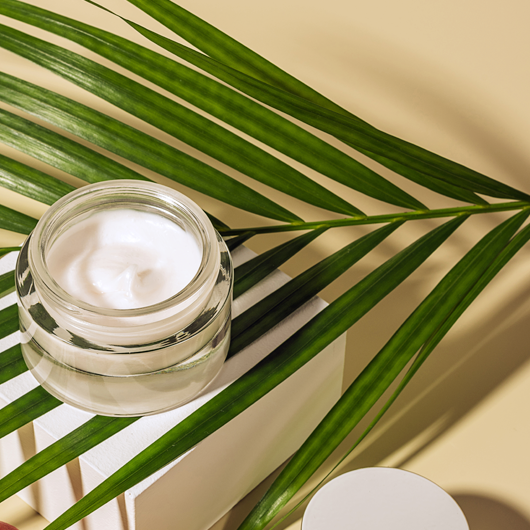


Most advice on resveratrol for skin care treats it like a magic label ingredient. That's the wrong test. A formula can list resveratrol and still fail if the active oxidizes in the bottle, degrades in light, or never gets the right cutaneous exposure to do anything useful.
The better question is simpler and more demanding. Was the ingredient stabilized, packaged, and delivered in a way that lets it survive real-world storage and reach the skin in a meaningful form? Skin Perfection's formulators and DIY makers already know this problem shows up everywhere in actives, and resveratrol is one of the clearest examples.
Table of Contents
- Why Most Resveratrol Products Fail Before They Reach Your Skin
- Understanding How Resveratrol Works on Skin
- What the Clinical Evidence Shows
- Formulation Stability and Concentration Guidelines
- Ingredient Pairings That Amplify Results
- Practical Application Tips for Routines and DIY Formulas
- Building Your Resveratrol Skincare Strategy
Why Most Resveratrol Products Fail Before They Reach Your Skin
A lot of resveratrol skincare fails for a boring reason, not a scientific one. The active is added to the formula, but the formula does not protect it from light, air, or weak delivery design. That is why an ingredient list by itself cannot tell you whether a product will perform.
Stability beats ingredient hype
Resveratrol is worth using because the biology is sound, but the practical bottleneck is stability and delivery. A recent formulation-focused review explains that resveratrol's potential is limited by oxidation, light sensitivity, and packaging choices, and it points formulators toward trans-resveratrol, opaque airless packaging, and stabilization partners such as vitamin E or ferulic acid (PMC review). That is the gap between theory and a formula that can hold up in real use.
If you want a consumer-friendly overview that still stays anchored in ingredient science, the resveratrol skincare evidence resource from Mesoderm RX is a useful starting point. For DIY makers, the main takeaway is not that resveratrol is weak. It is that it is easy to mishandle.
Practical rule: if the product sits in clear packaging under bright retail light, assume the formulator had to work much harder to preserve the active.
That is also why product format matters. A leave-on serum gives resveratrol time on skin, while rinse-off formats shorten contact and raise the chance that a marginal formula underdelivers. Resveratrol behaves better in carefully protected treatment systems than in decorative add-ons, because the ingredient needs both time and a stable environment to do its job.
For readers comparing formulas, Skin Perfection's skin care products with resveratrol category is a reminder to judge the whole system, not just the actives headline.
Understanding How Resveratrol Works on Skin
Resveratrol works like a molecular shield, but only if the formula lets it reach the skin in a usable form. It can help intercept oxidative stress before that stress has as much chance to affect the visible condition of skin, which is one reason it appears in anti-aging formulas and barrier-supporting systems.

A Molecular Shield in Everyday Terms
Oxidative stress comes from everyday exposures such as UV and environmental pollutants, and resveratrol has been studied as a response ingredient in that setting. A 2020 review summarized dermatology research covering UV protection, anti-inflammation, wound healing, and inhibition of melanogenesis (SCIRP review). That does not make resveratrol a cure-all. It shows the ingredient has a broader scientific profile than “antioxidant” alone.
At the epidermal level, the mechanism is more interesting than simple free-radical neutralization. A cutaneous functions review reports that topical resveratrol can improve epidermal permeability barrier function and stratum corneum hydration in sodium dodecyl sulfate-damaged human skin, while also stimulating keratinocyte differentiation and antimicrobial peptide expression (PMC review). In plain language, that means the active is relevant where skin feels stressed, dry, or exposed to repeated environmental strain.
Why it belongs in leave-on products
Those effects depend on cutaneous exposure. Leave-on serums, creams, and masks give resveratrol time on skin, while rinse-off products shorten contact and weaken delivery. The same review also ties its activity to broader anti-inflammatory and UV-protective actions, which matters because visible aging usually reflects more than one pathway at once.
Formulators who want a practical hydration partner can use a Sodium Hyaluronate Powder Pure Hyaluronic Acid system to build water-binding support around a resveratrol serum, especially when the goal is a lighter daily treatment rather than a dense cream.
For readers comparing ingredient strategies, what actually works for anti-aging skin is a useful frame for judging whether a formula is built around active delivery or just marketing copy.
Resveratrol works best when the formula gives it time, contact, and protection. Without those three, the science matters less than the packaging.
What the Clinical Evidence Shows
Resveratrol's strongest skin-care evidence sits in the cosmetic and structural range, not in dramatic claims. That distinction matters because it keeps expectations grounded. The human studies do support measurable changes on skin, but they should be read as cosmetic endpoint data, not as proof of medical treatment.
| Study Duration | Endpoint | Reported Change |
|---|---|---|
| 30 days | Hydration | 21% increase in one clinical evaluation, with the same trial also summarized as 20.53% in an academic chapter (Veri-te Resveratrol PDF) |
| 30 days | Elasticity | 50% increase in one clinical evaluation, also summarized as 49.70% (Veri-te Resveratrol PDF) |
| 30 days | Color uniformity | About 6% improvement in visible color measures, also summarized as 6.17% (Veri-te Resveratrol PDF) |
| 30 days | Dermal thickness | Described as stabilized by 19% in the evaluation (Veri-te Resveratrol PDF) |
| 8 weeks | Elasticity | 5.3% increase in a 2% emulsion study |
| 8 weeks | Skin density | 10.7% increase |
| 8 weeks | Skin roughness | 6.4% reduction |
| 8 weeks | Transepidermal water loss | 8.3% reduction, from 11.73 ± 4.00 g/h/m2 to 10.76 ± 3.28 g/h/m2 |
Reading the studies like a formulator
The 30-day evaluation matters because it tracked several visible aging markers at the same time. It reported improvements in fine lines, wrinkles, firmness, skin laxity, tone, unbalanced pigmentation, radiance, tactile roughness, and overall skin appearance (Veri-te Resveratrol PDF). For a formulator, that pattern is more useful than a single isolated endpoint, because it suggests the ingredient was evaluated across the kinds of changes clients can see and feel.
The 8-week study adds a different layer. It measured barrier-related and structural changes, including reduced transepidermal water loss and lower roughness, which helps explain why resveratrol is often discussed alongside hydration and skin-function support. A 2025 placebo-controlled human study also reported that oral and topical trans-resveratrol improved skin-health parameters, with topical use linked to wrinkle reduction and increased sebum levels (Frontiers article).
A 2021 systematic review in Phytotherapy Research grouped the literature around wound healing, reduced excessive scarring, and photoaging, but it framed the evidence as promising rather than definitive (PMC systematic review). That is the right lens for this ingredient. The signal is positive, but the outcome still depends on whether the formula keeps resveratrol stable, spread evenly, and in contact with skin long enough to matter.
For readers cross-checking anti-aging ingredient logic, the broader discussion at what works for anti-aging skin helps place resveratrol in context without overclaiming it.
Formulation Stability and Concentration Guidelines
Resveratrol disappoints most often because the formula fails it. The molecule can be useful, but only when the base protects it from oxidation and the delivery system keeps it distributed, usable, and in contact with skin long enough to matter.
What to look for in a real formula
Start with trans-resveratrol specification. A label that says only “resveratrol” does not tell you whether the formula uses the form that is generally treated as the more stable and more bioactive one in formulation literature. For a finished product, the practical questions are simple. Does the brand show any attention to light exposure, air exposure, and storage stability, or is the ingredient name doing all the work?
The checklist below gives a fast screen before you buy.

A few practical markers matter more than marketing language:
- Concentration range: the checklist in the brief points to 0.5 to 2% for resveratrol products, which is a workable formulation window for leave-on skincare.
- Packaging: opaque and airless systems help reduce oxidation pressure.
- Support ingredients: vitamin E and ferulic acid are common stabilization partners in formulation discussions.
- Process order: resveratrol should be added with attention to temperature and phase compatibility, not tossed in at the end of a hot batch.
Why packaging and pH matter
Opaque airless packaging is not a cosmetic extra. It reduces light and air exposure, both of which can weaken a sensitive active before the customer even opens the bottle. Clear packaging is a warning sign when the formula depends on an easily stressed polyphenol.
pH matters for the same reason a lock matters to a door. If the surrounding system is off, the active may be present but not really protected. For DIY makers, the safer workflow is to add resveratrol after the heated phase has cooled enough for active preservation, then check whether the finished system stays visually and sensorially stable over time. The question is not only whether the product looks acceptable on day one. It is whether it still behaves like the same formula after storage.
For preservative decisions and base design, natural skin care preservative resources are useful because resveratrol formulas often fail when the preservation system and the active system work against each other. That same logic helps explain why ingredient pairing matters in broader routines, including discussions like aloe vera benefits compared to resveratrol. A stable formula keeps those variables in balance.
Formulator's rule: if you cannot explain how the package, solvent system, and support antioxidants protect the active, the formula probably does not protect it well enough.
Ingredient Pairings That Amplify Results
Resveratrol works best inside a system, not as a lone star ingredient. That matters in practice, because a formula can contain a useful active and still underperform if the surrounding ingredients do not support stability, hydration, and skin comfort.

Pairings that make sense
The cleanest pairing is resveratrol plus hyaluronic acid. Resveratrol handles the antioxidant side of the equation, while hyaluronic acid supports hydration and surface comfort. In formulation terms, that gives the skin a more balanced feel, especially when dullness and tightness show up together. A polyphenol without hydration support can feel sharp or underwhelming, while a hydration base without antioxidant support may leave the formula one-dimensional.
A second useful pairing is resveratrol plus vitamin E. This combination shows up often in antioxidant systems because vitamin E helps support the formula's broader oxidative defense profile, which is useful when the active itself needs extra protection from air and light stress. For formulators, that pairing is usually more practical than piling in several plant extracts and hoping they all behave well in the same base.
If you want a comparison-oriented resource that approaches ingredient function through a different lens, the aloe vera benefits compared to resveratrol article from AloeCure is a useful companion read. Aloe and resveratrol are not substitutes in a formula, but the comparison helps clarify how soothing, hydration, and antioxidant roles can overlap without being identical.
The broader lesson is simple. Antioxidants work best when they are paired with other antioxidants and with a base that keeps the formula physically stable. The internal guide on antioxidants in face creams fits this topic well because resveratrol usually performs better as part of a defensive network than as a stand-alone headline ingredient.
Combinations that need caution
Acids can create formulation conflicts if the finished product drifts into a pH range that weakens stability. Retinoids deserve similar caution, because layering them without a plan can make the routine feel harsher than either ingredient would on its own. The safer approach is to separate them by routine timing when skin is reactive, or to test the full formula carefully before treating the combination as routine-safe.
For product builders and educated shoppers, the practical rule is straightforward:
- Use with hydration supports: hyaluronic acid, glycerin, and similar water-binding systems.
- Use with antioxidant partners: vitamin E is a practical fit.
- Use carefully with strong actives: acids and retinoids need testing, sequencing, or separate routines.
That is where packaging and base design matter just as much as the ingredient list. A resveratrol formula can be technically sound on paper and still fail if the support system is weak, so pairings should be chosen for both skin response and formula behavior.
Practical Application Tips for Routines and DIY Formulas
A useful resveratrol routine starts with the product, not the promise on the front label. The human data points to visible cosmetic changes over weeks, not overnight drama, so steady use matters more than piling on extra steps.
For finished products
Resveratrol works best in products that can stay on the skin long enough to do their job. A serum or light cream used in the evening is usually the easiest place to begin, and some people also use it in the morning under sunscreen if the full routine is compatible. Keep the bottle closed tightly, store it away from heat and direct light, and watch for shifts in color or smell, since those changes often signal stability problems before the formula fully gives out.
Package quality deserves more attention than trend language. A clear jar on a bright shelf can undercut a formula that looks polished on paper, while an opaque, well-sealed container gives the active a better chance to hold up in real use.
For DIY formulas
For builders working from scratch, start by dissolving or dispersing the active in the solvent system you have chosen, then add it during the cool-down phase instead of exposing it to unnecessary heat. Small test batches are the safest way to check color, smell, texture, and early signs of separation before you commit larger amounts of material.
The base matters as much as the active. A water-based serum or a light cream usually gives more control than a complicated multi-phase formula, especially if you are still learning how resveratrol behaves in different systems. For formulators who want to read more on base design, preservatives, and ingredient behavior, the cosmetic formulation category is a practical place to start.
If your project also needs a hydration companion, keep the support layer simple. A water-binding ingredient can help the finished formula feel less dry on skin, but the goal is still a stable system, not a crowded ingredient list.
Common mistakes to avoid
- Adding too much heat: hot processing can weaken a sensitive active before the product is even filled.
- Using incompatible preservation systems: some preservative choices clash with the formula's pH or solubility profile.
- Ignoring storage: even a well-made formula can drift if it sits in light and air.
A formulator's mindset matters here more than a label-reader's mindset. Resveratrol is one of those ingredients that can look straightforward until the base, the packaging, and the handling details start deciding whether it performs.
Building Your Resveratrol Skincare Strategy
One smart resveratrol routine starts with the label, not the promise. Look for stabilized trans-resveratrol, a sensible concentration window, and packaging that protects the formula from light and air. Then choose pairings based on the problem you're solving, hydration support for dryness, vitamin E for antioxidant structure, or a simpler routine if your skin gets reactive.

A good rule of thumb is straightforward. Buy a professionally made product when you want packaging and preservation already solved. Formulate it yourself when you want control over the base, the active pairing, and the freshness of the batch.
Skin Perfection carries the kind of ingredients and DIY supplies that make this approach practical, including products for hydration-supportive formulas and ingredient systems you can build around. If you want to work with resveratrol for skin care the way formulators do, visit Skin Perfection and choose a finished product or a raw ingredient setup that fits your routine.