

 Buy with Prime
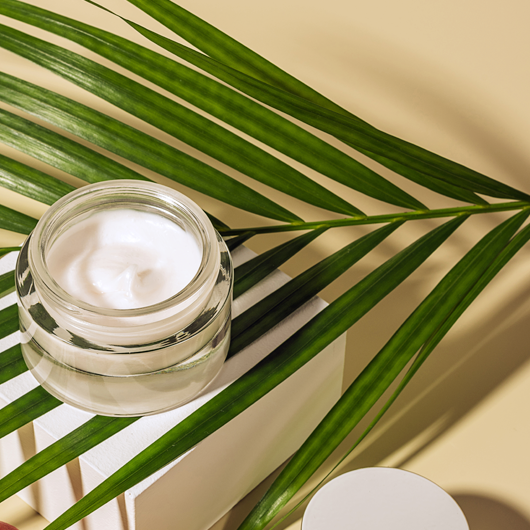


When you ask what actually works for anti-aging skin, the answer is refreshingly simple: it comes down to a consistent routine built on sun protection and a handful of ingredients with real science behind them. The best approach is a two-pronged attack: shield your skin from damage and fuel it with powerhouse actives like retinoids and peptides.
The Real Answer to Youthful Looking Skin

The anti-aging world can feel like a minefield. Everywhere you turn, another product promises to be a miracle in a bottle. But if you cut through the marketing noise, you’ll find a simple truth. Great skincare isn't about one magic product. It’s about building a smart, consistent routine that tackles the main causes of visible aging.
Think of it as playing both defense and offense for your skin. Your defense is all about shielding your skin from daily aggressors, especially the sun. UV radiation is the number one culprit behind most of what we see as skin aging. Then, you go on offense by giving your skin high-performance ingredients that help it look smoother, feel firmer, and glow with radiance.
A Focus on Science, Not Hype
The surest path to younger-looking skin is paved with ingredients backed by solid evidence, not just slick marketing. While countless products make bold claims, only a small group of ingredients has truly proven its worth in improving the look of aging skin.
These are the real power players, and they work in a few different ways to give you that healthy, beautiful appearance:
- Speeding up cell turnover: Some ingredients help slough off dull surface cells faster, revealing the fresher, more luminous skin underneath.
- Fighting off damage: Think of antioxidants as your skin’s personal bodyguards, neutralizing environmental villains before they can do visible harm.
- Signaling for firmness: Certain actives, like peptides, are messengers that encourage your skin to keep its firm, plump appearance.
- Locking in moisture: Hydration is everything. Well-moisturized skin instantly looks smoother and more supple, which makes fine lines look far less noticeable.
The secret to a successful anti-aging routine isn't a complex, 12-step process. It's about consistently using a few key products with proven ingredients, day in and day out.
This guide is here to demystify all of it, focusing on what actually works for anti-aging skin. We'll dig into the science of how our skin’s appearance changes and shine a light on the specific ingredients that deliver real, visible improvements. When you understand the why behind the what, you can confidently build a routine that helps you reach your skin goals—whether you’re buying a finished product or creating your own custom formulas.
Understanding How Skin Appears to Age
Before we can dive into what actually works for keeping skin youthful-looking, we first need to understand why it changes its appearance over time. Think of your young skin like a brand-new trampoline—the fabric is taut and firm, supported by super springy coils of collagen and elastin. This strong framework is what gives skin that plump, bouncy, and smooth look we all love.
As the years tick by, this internal structure naturally starts to weaken. This is called intrinsic aging, and it’s simply the chronological process our bodies are programmed to follow. It’s like your skin has its own biological clock, and at a certain point, the production of essential proteins like collagen just starts to slow down.
Intrinsic vs. Extrinsic Aging
While we can’t stop the clock on intrinsic aging, it’s not the biggest player in how our skin actually looks. The truth is, most of what we think of as “aging”—like deeper wrinkles and uneven skin tone—is actually caused by outside factors. This is known as extrinsic aging.
The number one cause of extrinsic aging is daily exposure to the environment. In fact, UV radiation from the sun is responsible for a staggering 90% of the visible changes you see on your skin. Other culprits include:
- Pollution: Tiny particles from the environment can create damaging molecules that affect your skin’s surface.
- Lifestyle Habits: Things like your diet and how much sleep you get can absolutely influence how your skin looks over the years.
- Repetitive Facial Expressions: After many years, all those smiles and frowns contribute to the formation of expression lines.
Oxidative Stress: The Apple Analogy
To really get how these external factors affect the skin, let’s use a simple analogy. Picture a freshly sliced apple. If you leave one half on your kitchen counter, it stays pretty fresh. But what happens if you put the other half outside in the bright sun? It quickly turns brown, dry, and wrinkly.
That browning is a process called oxidation, and something very similar happens to our skin. When you're exposed to things like UV rays and pollution, your skin is flooded with unstable molecules called free radicals. These act like tiny thieves, stealing electrons from your healthy skin cells and setting off a chain reaction known as oxidative stress.
Oxidative stress is a key process that accelerates the appearance of aging. It compromises the skin's supportive structures, leading to a less firm and smooth look.
This is exactly why antioxidants are such heroes in skincare. They work by generously donating an electron to neutralize those free radicals, stopping them in their tracks before they can affect healthy cells. Think of them as the personal bodyguards protecting your skin from daily environmental attacks.
As this process continues, your skin's natural cell turnover also slows down. This means duller, older cells hang around on the surface for longer, hiding the fresh, radiant skin that’s waiting underneath. For those looking to give their skin's protein structures some extra support, you can learn more about natural ways to increase collagen.
Once you understand that most visible aging is caused by external factors you can actually control, you can see why a proactive skincare routine is so powerful. It’s not about trying to reverse time; it’s about protecting your skin from daily damage and giving it the support it needs to stay beautiful.
Alright, we've covered the "why" and "how" of skin aging. Now for the fun part: the ingredients that actually make a difference. When you're cutting through the noise to find what truly works for anti-aging, a few key players consistently come out on top, all with solid science to back them up. These are the actives you want to build your routine around.
To understand why these ingredients are so effective, it helps to see the two main ways our skin ages.

As you can see, there's intrinsic aging—the part written in our DNA—and extrinsic aging, which is sped up by things like sun and pollution. While we can't stop the genetic clock, we have a ton of control over extrinsic aging, and that’s exactly where these powerhouse ingredients come in.
Retinoids: The Gold Standard
If there's one ingredient family dermatologists universally respect, it's retinoids. These Vitamin A derivatives are probably the most studied and proven anti-aging ingredients on the planet.
Their magic lies in speeding up surface cell turnover. Think of it this way: as we get older, tired, dull skin cells tend to hang around on the surface longer, making our complexion look lackluster. Retinoids give them a gentle nudge to make way for fresher, more radiant skin underneath. Because they can make skin more sensitive to the sun, they are best used in your nighttime routine.
Vitamin C: The Master Antioxidant
If retinoids are the nighttime heroes, then Vitamin C is the ultimate daytime defender. This powerful antioxidant is a pro at protecting your skin from the daily environmental assault.
Remember the apple that turns brown when you leave it out? That's oxidation, and a similar process happens in our skin from exposure to UV rays and pollution. Vitamin C steps in to neutralize those damaging free radicals before they can cause visible signs of aging. A good Vitamin C serum in the morning, right before your sunscreen, is a crucial shield for maintaining a bright, youthful-looking glow.
Peptides: The Smart Messengers
Peptides are one of the most exciting advancements in modern skincare. These are short chains of amino acids, which are basically the building blocks of proteins like collagen. Think of them as tiny biological messengers that can tell your skin cells to perform specific jobs.
Different peptides have different missions, but many are famous for signaling the skin to produce more collagen, which helps it look and feel firmer.
By sending targeted signals to ramp up the production of supportive proteins, peptides help skin maintain its firm, elastic look. They are a true cornerstone of any advanced skincare strategy.
The global demand for high-performance actives like peptides is skyrocketing. The anti-aging market, valued at USD 67.71 billion in 2026, is on track to hit USD 92.58 billion by 2030, largely because consumers are seeing real results from these bio-engineered ingredients.
Alpha Hydroxy Acids: For Gentle Resurfacing
Alpha Hydroxy Acids, or AHAs, are water-soluble acids that work on your skin's surface to gently exfoliate. The most well-known are glycolic and lactic acid.
AHAs work by dissolving the "glue" that holds dead, dull skin cells together. By doing this, they:
- Improve skin texture: Consistent use helps skin feel noticeably smoother and softer.
- Brighten the complexion: By sloughing off that top layer of tired cells, they reveal the more radiant skin hiding underneath.
- Soften the look of fine lines: A smoother surface reflects light more evenly, making fine lines appear less obvious.
These are fantastic for anyone looking to tackle a dull or uneven skin tone and get their glow back.
Hyaluronic Acid: The Hydration Magnet
No anti-aging ingredient list would be complete without Hyaluronic Acid. This incredible molecule is a humectant, which means it has the unique ability to draw moisture from the air and pull it into your skin. In fact, it can hold up to 1,000 times its own weight in water.
Imagine a tiny sponge that soaks up moisture, plumping up from the inside. That’s exactly what Hyaluronic Acid does for your skin cells. This surge of hydration instantly gives skin a fuller, bouncier look, which helps minimize the appearance of fine lines and delivers a dewy, supple finish.
For a deeper dive into these and other effective compounds, check out our guide on the best anti-aging ingredients.
The Critical Role of Your Skin Barrier

Before we even think about potent serums and treatments, we need to talk about your skin's first line of defense: the skin barrier. A strong, healthy barrier is the absolute foundation of any effective skincare routine, especially if you’re aiming for a more youthful look. Without it, even the most powerful ingredients can’t do their job properly.
Imagine your skin barrier as a solid brick-and-mortar wall. The "bricks" are your skin cells, and the "mortar" holding them all together is a mix of natural lipids, like ceramides. This structure has two critical jobs: it keeps the good stuff (like precious moisture) in, and it keeps the bad stuff (like pollution and irritants) out.
The Foundation of Healthy-Looking Skin
When that lipid "mortar" gets worn down, tiny, invisible cracks start to form in your barrier. This leads to a condition called transepidermal water loss (TEWL), where hydration escapes from your skin, leaving it feeling tight, dry, and looking dull. A struggling barrier is often the secret culprit behind sudden sensitivity, redness, and a lackluster complexion.
A well-kept barrier is what actually works for anti-aging skin at the most fundamental level. It keeps your skin calm, hydrated, and resilient, putting it in the perfect state to receive and benefit from all the other active ingredients you apply.
A strong skin barrier is fundamental to healthy-looking skin, and adequate moisturization is key to its maintenance. Even for specific areas like the scalp, understanding how to care for your skin with a guide to bald head moisturiser for healthy skin can provide valuable insights into barrier support.
Key Ingredients for Barrier Support
So, how do you reinforce your skin’s natural defenses? It’s all about giving it the right building blocks. Two ingredients are especially fantastic at supporting that brick-and-mortar wall, making sure your skin stays strong and balanced.
-
Ceramides: These lipids are the real deal—they’re a natural part of your skin barrier, making up about 50% of its structure. Applying ceramides topically is like directly supporting the "mortar" in your wall, helping to seal in moisture and block out irritants.
-
Niacinamide: Also known as Vitamin B3, this powerhouse ingredient is a true barrier-supporting champion. It encourages your skin to produce more of its own natural ceramides, strengthening the barrier from within and improving its overall resilience.
By focusing on these ingredients, you're not just slapping on a moisturizer. You're actively reinforcing the very structure that keeps your skin looking and feeling its best. For a deeper dive on this, check out our guide on how to strengthen your skin barrier.
Ultimately, a supported barrier isn't just a nice-to-have—it’s a non-negotiable for achieving a radiant, healthy-looking complexion.
Building Your Daily Anti-Aging Skincare Routine
Knowing which powerhouse ingredients to look for is one thing, but figuring out how to layer them into a daily routine is where the real results come from. A consistent, well-planned approach is what turns those high-performance actives into visible changes in your skin.
Think of it like building a house. You need the right materials, but you also need a blueprint to know where everything goes. Your skin works on a daily cycle, and your routine should, too. It boils down to two key phases: protection in the morning and renewal at night.
Your Morning (AM) Protective Routine
Your morning routine has one main job: to shield your skin from everything the day throws at it. We’re talking defense against the sun and pollution, which are the biggest culprits behind premature aging.
A simple but effective AM routine creates a protective buffer that sets your skin up for success.
-
Gentle Cleanse: Start your day by washing away any impurities from overnight with a mild, hydrating cleanser. You want to clean your skin without stripping its natural moisture barrier—that barrier is your first line of defense.
-
Antioxidant Serum: Now it's time for your protector. A good Vitamin C serum, applied to clean skin, helps neutralize the free radicals caused by UV rays and pollution. Think of it as a crucial backup for your sunscreen.
-
Moisturize: Next, lock in hydration with a good moisturizer. This step supports your skin barrier and keeps everything balanced. Even if your skin is oily, a lightweight, non-comedogenic moisturizer is a must.
-
Broad-Spectrum Sunscreen: This is, without a doubt, the single most important step in any anti-aging plan. Be generous and apply a broad-spectrum sunscreen with an SPF of 30 or higher. It's your primary shield against the UV damage that fast-forwards the look of aging.
Your Evening (PM) Renewal Routine
When the day is done, your skin switches from defense mode to a state of rest. Nighttime is the perfect opportunity to use active ingredients that support the skin’s appearance, helping to improve texture and boost firmness while you get your beauty sleep.
Here’s how to structure your PM routine for the best results:
-
Double Cleanse: First things first, get your skin truly clean. Start with an oil-based cleanser to dissolve makeup and sunscreen, then follow up with a water-based cleanser. This two-step process ensures your active ingredients can actually penetrate and do their job.
-
Apply Actives: This is your treatment step. To avoid overwhelming your skin, it's smart to alternate your powerhouse ingredients. For instance, you could use a retinoid one night and a peptide serum the next. This lets you get the benefits of both without risking irritation.
-
Moisturize: Always finish with a nourishing moisturizer. A quality night cream, maybe one with ingredients like ceramides, helps reinforce your skin barrier and seals in all the goodness from your active serums. If you're just starting out, our skincare routine for beginners guide has more foundational tips to get you on the right track.
Your Daily Anti-Aging Routine Blueprint
Putting it all together can feel like a puzzle, but a structured routine makes it simple. This sample blueprint shows you how to layer your products in the morning and evening to get the most out of each ingredient.
| Time of Day | Step | Product Type | Key Ingredients to Look For |
|---|---|---|---|
| Morning (AM) | 1 | Gentle Cleanser | pH-balanced, non-stripping surfactants |
| Morning (AM) | 2 | Antioxidant Serum | Vitamin C (L-Ascorbic Acid), Ferulic Acid |
| Morning (AM) | 3 | Moisturizer | Hyaluronic Acid, Ceramides, Glycerin |
| Morning (AM) | 4 | Sunscreen | Broad-Spectrum SPF 30+, Zinc Oxide |
| Evening (PM) | 1 | Double Cleanse | Oil cleanser followed by a water-based cleanser |
| Evening (PM) | 2 | Treatment Serum | Retinoids, Peptides, or AHAs (alternate nights) |
| Evening (PM) | 3 | Moisturizer | Ceramides, Peptides, Shea Butter |
This table is your starting point. Remember to listen to your skin and adjust as needed, especially when introducing powerful new actives.
DIY Formulation Tip for A Powerful Serum
For all the DIY skincare lovers out there, smart ingredient pairing is everything. A fantastic—and surprisingly simple—combination is Hyaluronic Acid with Peptides.
Here, Hyaluronic Acid acts as a delivery system. It pulls deep hydration into the skin, creating the perfect, plumped-up environment for messenger peptides to get to work signaling for a firmer, smoother appearance.
By combining a powerful humectant like Hyaluronic Acid with a signaling ingredient like a peptide, you create a synergistic formula that tackles both hydration and skin texture in one elegant step.
This kind of pairing is a perfect example of what truly works in anti-aging skincare. It’s simple, it’s backed by science, and it delivers visible results by supporting your skin's most fundamental needs.
Common Anti-Aging Myths to Ignore
The skincare world is overflowing with information—some of it helpful, a lot of it confusing, and some of it just plain wrong. Figuring out what actually works for your skin means you also have to know what not to believe. Let's cut through the noise and debunk a few common myths so you can invest your time and money wisely.
One of the biggest myths is that more expensive products are always better. While a luxury price tag might come with beautiful packaging and a lovely scent, it’s no guarantee of results. A product's real value is in its formulation—the specific active ingredients, their concentration, and how they get delivered to your skin. An affordable, well-made serum can easily run circles around a pricey cream that's all fluff and no substance.
Natural vs Lab-Created Ingredients
Another idea you'll hear all the time is that "natural" ingredients are inherently safer or more effective than lab-created ones. The truth is, both can be fantastic, and both can be irritating. It all comes down to the specific ingredient and the formulation.
Think of it this way: water is natural, but so is poison ivy. A plant extract can cause a nasty reaction, while a meticulously engineered peptide can be incredibly gentle and targeted. The origin of an ingredient matters far less than its safety record and the research proving it works. To dig deeper into separating skincare fact from fiction, you can cut through common myths in our dedicated guide.
The Myth of Spot-Targeting Wrinkles
It’s tempting to believe you can just dab a special cream onto a single wrinkle and watch it vanish. While some products can temporarily plump the skin with a dose of hydration, making fine lines look a little better for a few hours, they don't affect the underlying appearance. Real, lasting change comes from a consistent, full-face routine that improves the look of your skin everywhere.
Lasting results come from improving your skin's overall look, not "chasing" individual wrinkles. Consistently applying proven actives—like retinoids, peptides, and antioxidants—to your entire face is what truly makes a difference over time.
This big-picture approach is what improves texture, tone, and firmness across the board for a genuinely more youthful appearance.
Misconceptions About Immediate Results
Finally, one of the most misleading myths is the promise of dramatic results overnight. While some ingredients, like hyaluronic acid, can give you an immediate plumping effect, the real powerhouses need time to work their magic. Your skin's natural turnover cycle takes weeks, and ingredients that support new collagen and improve firmness need months of consistent use to show what they can really do.
Here’s a realistic look at what to expect:
- Hyaluronic Acid: Gives an immediate hydrating and plumping look.
- AHAs (like Glycolic Acid): Can reveal brighter, smoother-looking skin within a few weeks.
- Retinoids & Peptides: May take 3-6 months of consistent use to show noticeable improvements in the appearance of fine lines and firmness.
When it comes to anti-aging, patience and consistency are your greatest allies. Understanding these truths will help you navigate the crowded market, ignore the hype, and build a routine that truly supports your skin for the long haul.
Your Anti-Aging Skincare Questions Answered
When you start getting serious about anti-aging skincare, the questions start piling up. It's a crowded space, and it's easy to get overwhelmed wondering what really works, when you should start, and how to put it all together.
Let’s cut through the noise. Here are some no-nonsense answers to the questions we hear all the time.
At What Age Should I Start an Anti-Aging Routine?
There’s no magic number, but the smartest approach is always prevention. Your number one priority, sunscreen, should be a daily habit from as early as you can remember. Nothing accelerates the look of aging faster than sun damage, and protecting your skin is the best head start you can give yourself.
As for targeted active ingredients, your mid-to-late 20s is a great time to begin. This is when your body's natural production of collagen and elastin starts to dip. But honestly? It is never, ever too late to begin a great routine and see beautiful changes in your skin.
How Long Until I See Results from My Skincare?
Skincare is a long game, so patience is key. Sure, some ingredients like Hyaluronic Acid give you that instant gratification—a quick plumping effect that makes skin look immediately smoother. But the real power players need time to work their magic.
For potent ingredients, a good rule of thumb is to give them at least 3 to 6 months of consistent use. Think about it: a full skin cell turnover cycle takes about a month, and that process only slows down as we get older. Sticking with your routine is the only way you'll see those real, noticeable improvements in fine lines and firmness.
Can I Use All the Best Ingredients at Once?
It’s so tempting to throw every powerhouse ingredient at your skin at the same time, but that strategy can seriously backfire. Piling on too many new actives at once can completely overwhelm your skin barrier, leading to redness, sensitivity, and irritation.
A much smarter approach is to introduce new products one by one, giving your skin at least a week or two to get used to each. It’s also wise to alternate potent ingredients so they don’t have to compete.
For example, you might use an antioxidant serum with Vitamin C in the morning to protect against daily damage. Then, at night, you could use a retinoid or a peptide product to focus on the appearance of your skin. This separation helps avoid irritation and lets each ingredient do its job effectively.
By setting realistic expectations and sticking to a smart, consistent routine, you can feel confident that you’re giving your skin exactly what it needs to look its best for years to come.
At Skin Perfection, we provide the high-performance ingredients and ready-made products you need to create a routine that truly works for you. Explore our collection of clinically proven peptides, antioxidants, and DIY supplies to begin your journey to radiant, healthy-looking skin today. Discover your perfect formula at https://www.naturalorganicskincare.com.