

 Buy with Prime
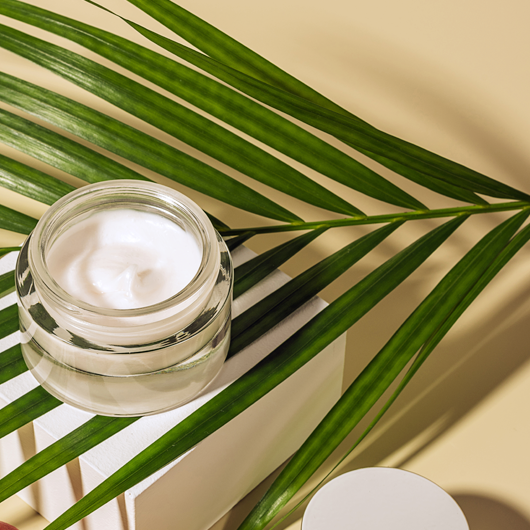


2.5% Retinol Serum alternatives
Why 2.5% Retinol Serums Fall Short - And What Your Skin Deserves Instead
If you're searching for 2.5% Retinol Serum alternatives, your skin is probably trying to tell you something. High-strength retinol can deliver results, but the tradeoff is often redness, peeling, photosensitivity, and a compromised barrier. Nature-powered, science-backed actives like bakuchiol, signal peptides, and plant stem cells can support visible smoothing and firming with a much lower risk of irritation -- and I've seen these work beautifully on some of the most sensitive complexions I've encountered.
The Hidden Downsides of High-Strength Retinol
At a 2.5% concentration, retinol pushes your skin's tolerance hard. It accelerates cell turnover aggressively -- which sounds appealing until the barrier weakens and inflammation sets in. Many dermatologists point out that concentrations above 1% bring diminishing returns for most skin types while irritation risk climbs quickly. If you're pregnant, nursing, or managing sensitive or rosacea-prone skin, high-strength retinol may be inappropriate. Always consult a healthcare professional for personal guidance.
Common Pain Points: Irritation, Sensitivity, and More
Dryness. Burning. Flaking. Persistent redness. These are the complaints I hear most often from people who've tried high-strength retinol -- and they're not minor inconveniences. Inconsistency is frequently the real reason results stall, and it's hard to stay consistent with a formula that makes your face feel raw.
Is High-Strength Retinol Worth It?
Pros
- Clinically documented support for cell turnover
- Visible wrinkle softening with consistent use
- Widely available and extensively studied
Cons
- Higher risk of irritation and peeling, especially above 1%
- Higher sun sensitivity; daily sunscreen use is strongly recommended
- Often avoided during pregnancy and breastfeeding; consult a healthcare professional
- May weaken the skin barrier with prolonged use
- May cause an initial adjustment period with visible dryness and flaking
Shifting to Nature-Powered Alternatives for Lasting Results
The skincare industry has long sold a false choice: accept irritation for results, or choose gentle products that don't deliver visible change. That mindset is outdated. Well-formulated clean products now use actives that support collagen, improve the look of texture, and encourage renewal -- without the irritation profile that keeps so many people cycling on and off their routines.
The most effective options work through cellular signaling rather than surface-level disruption. Signal peptides support your skin's natural repair pathways. Bakuchiol can interact with similar mechanisms as retinoids while staying stable in light. Plant stem cell extracts and antioxidant-rich botanicals defend against oxidative stress that accelerates visible aging. Choosing 2.5% Retinol Serum alternatives isn't settling for less. It's choosing smarter science.
Top Natural Alternatives to 2.5% Retinol That Deliver Real Anti-Aging Power
Bakuchiol: A Plant-Based Retinol Alternative with Minimal Irritation
Bakuchiol, derived from the Psoralea corylifolia plant, supports the look of fine lines and uneven tone with noticeably less irritation for most people. A peer-reviewed study published in the British Journal of Dermatology found bakuchiol performed comparably to 0.5% retinol across several visible aging markers -- with fewer reported side effects. It's also photostable, making it a great fit for morning routines. For those who don't tolerate retinoids well, it's one of the most accessible 2.5% Retinol Serum alternatives available for a wide range of skin types. If you're pregnant or nursing, check with your healthcare professional before adding it.
Plant Stem Cells and Superfruit Antioxidants: Next-Level Renewal Support
Plant stem cell extracts -- including those from alpine rose and Swiss apple -- help support the look of resilience and defend against environmental stress. Superfruit antioxidants like sea buckthorn and pomegranate neutralize free radicals that contribute to dullness and collagen decline. Think of them as a shield working quietly in the background while your peptides do their signaling work on the surface. Together, these actives target visible aging without relying on aggressive surface disruption.
Peptides and Botanicals: Precision Actives for Firm, Radiant Skin
Signal peptides are among the most well-studied actives in modern anti-aging formulation. Our Syn-Coll Peptide Serum Booster 0.5 oz includes palmitoyl tripeptide-5, a peptide associated with supporting collagen-related pathways. Ingredient-supplier data and formulator references commonly cite visible wrinkle improvements over an 8- to 12-week period with consistent use -- though results do vary based on skin type and routine.
| Active Ingredient | How It Works | Irritation Risk | Pregnancy Safe | Daytime Use |
|---|---|---|---|---|
| 2.5% Retinol | Speeds visible turnover | High | Consult a healthcare professional | No |
| Bakuchiol | Supports retinoid-like results with photostability | Low for many users | Consult a healthcare professional | Yes |
| Palmitoyl Tripeptide-5 (Syn-Coll) | Peptide signaling tied to collagen support | Low for many users | Consult a healthcare professional | Yes |
| Plant Stem Cells | Antioxidant defense and resilience support | Low for many users | Consult a healthcare professional | Yes |
What separates precision actives from retinol is the path they take. Retinol drives rapid change through irritation-driven turnover. Peptides and antioxidant botanicals support a steadier, more skin-friendly path to smoother, firmer-looking results -- especially if sensitivity is part of your story.
How Skin Perfection's Clean, Precision Formulas Outperform Retinol Alternatives
Our High-Potency Blend: Stem Cells, Peptides, and Natural Preservation Science
Clean formulation isn't just about what you leave out -- it's about what you put in its place. Many brands remove parabens and formaldehyde releasers without considering whether their preservation system actually protects the formula's stability. At Skin Perfection, we use botanical antimicrobials and thoughtfully chosen preservation systems designed to maintain formula integrity without compromising the skin barrier. Stability matters because an active ingredient that degrades on the shelf isn't doing anything for you. Our Syn-Coll Peptide Serum Booster 0.5 oz is formulated to deliver consistent, concentrated peptide support every single day.
2025 Think Dirty Awards Finalist: Recognition for Clean, Effective Formulation
Skin Perfection was named a 2025 Think Dirty Awards Finalist, recognizing formulations that prioritize ingredient transparency and clean chemistry standards. When you choose a Skin Perfection formula, you're choosing a product grounded in cosmetic science -- not marketing language.
Any brand can print "clean" on packaging. A finalist nod from Think Dirty signals independent scrutiny of actual ingredient choices -- and that distinction matters. I built this brand on the belief that you deserve to know exactly what you're putting on your skin, and recognition like this confirms we're holding that line.
Real User Transformations: Wrinkle Reduction and Youthful Glow
Many of our customers report smoother texture and firmer-looking skin within four to six weeks of consistent use. Those with sensitive or rosacea-prone skin often tell us that peptide-based routines feel far easier to maintain daily than stronger retinoids -- which means they actually stick with it long enough to see a real difference. Individual results vary, and for more on how retinol compares clinically, the Mayo Clinic offers useful background.
Build Your Perfect Anti-Aging Routine with Gentle Retinol Alternatives
Day and Night Application: Gentle Enough for Sensitive Skin
One of my favorite things about peptides and bakuchiol? You can use them morning and evening. Unlike high-strength retinol -- which most people reserve strictly for nighttime -- these actives don't make your skin photosensitive. Apply your peptide serum to clean, dry skin before moisturizer. Twice-daily use builds cumulative results without the irritation cycle that plagues so many retinoid routines. If you're pregnant, consult your healthcare professional before adding any new active. I'd also suggest trying our Bakuchiol Serum Booster -- it's one of the gentlest, most effective options we offer.
Pairing with LED Therapy and Moisturizers for Better Results
Red light LED therapy at 630 to 660 nm pairs beautifully with peptide-based routines, supporting the look of firmness and helping skin recover from daily environmental stress. Follow up with our 86% Organic Essential Daily Moisturizer -- a ceramide-rich formula designed to seal in hydration and fortify the barrier. Think of the moisturizer as the final lock on everything your actives have worked to deliver. For a broader overview of retinol's mechanisms, see Retinol on Wikipedia.
Step-by-Step Guide to Visible Firming and Radiance
- Cleanse with a gentle, sulfate-free formula. Pat skin dry.
- Apply peptide serum to face and neck on dry skin for consistent layering.
- LED therapy (optional, 10 minutes): use red light on clean skin, then reapply serum if desired.
- Moisturize with a clean, barrier-supporting cream.
- Morning only: finish with SPF 30 or higher.
Real, visible change tends to show up between weeks four and twelve. Stick with it. The actives that work as 2.5% Retinol Serum alternatives reward consistency over aggression -- and that's exactly what makes them worth choosing.
Frequently Asked Questions
What is a good alternative to retinol serum?
If you're seeking effective alternatives to retinol serum, consider nature-powered, science-backed actives like bakuchiol, signal peptides, and plant stem cells. These ingredients support visible smoothing and firming with a lower risk of irritation. They offer a smarter approach to anti-aging by working with your skin's natural pathways.
Is 2.5 retinol too strong for beginners?
A 2.5% retinol concentration can push your skin's tolerance, often leading to redness, peeling, and a weakened skin barrier. Many dermatologists suggest that concentrations above 1% can increase irritation risk for most skin types. It's often too aggressive for those new to retinoids, especially if you have sensitive skin.
What do Koreans use instead of retinol?
While the article doesn't specify Korean skincare trends, many seeking gentle yet effective options turn to ingredients like bakuchiol, signal peptides, and plant stem cell extracts. These actives support collagen and improve skin texture without the irritation often linked to high-strength retinol. They represent a global shift towards smarter, nature-powered science for lasting skin health.
What do Japanese use instead of retinol?
For those prioritizing skin health and minimizing irritation, alternatives such as bakuchiol, signal peptides, and plant stem cells are excellent choices. These ingredients offer visible anti-aging support by working with your skin's natural processes. They help defend against oxidative stress and support renewal for a smoother, firmer look.
What works effectively as an alternative to retinol for visible anti-aging?
Instead of chasing aggressive turnover, effective alternatives like bakuchiol, signal peptides, and plant stem cells offer a steadier path to smoother, firmer-looking skin. Bakuchiol supports fine lines and tone with less irritation, while peptides support collagen pathways. These precision actives deliver real anti-aging power by working through cellular signaling, respecting your skin barrier.