

 Buy with Prime
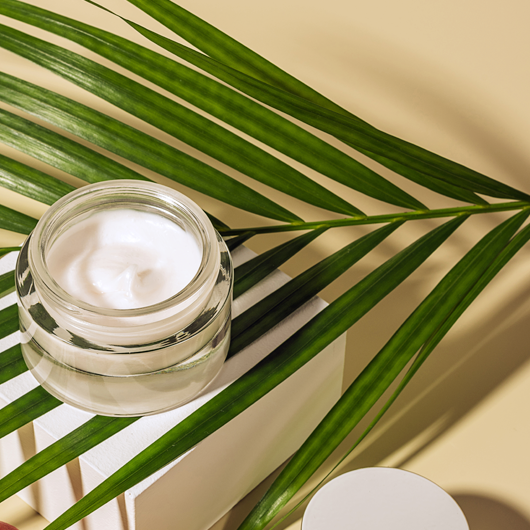


You've probably heard the buzz around "green retinol." It's a term for plant-derived ingredients that give you that refreshed, youthful look without the irritation that often comes with traditional retinol. These botanicals work with your skin’s natural rhythm to bring out its radiance, gently.
Unveiling Green Retinol for Radiant Skin

Think of green retinol less as a specific ingredient and more like a whole family of plant-based goodies that deliver results similar to retinol. They harmonize with your skin to encourage a smoother, brighter complexion.
Here’s an analogy I like to use: Traditional retinol is like a high-intensity boot camp for your skin. It's incredibly effective, no doubt, but it can be really demanding and sometimes harsh. Green retinol, on the other hand, is more like a personal yoga instructor, guiding your skin toward a beautiful appearance with a much gentler hand.
This gentler approach is a perfect match for anyone who leans into a clean beauty lifestyle. Instead of forcing your skin to change, green retinol ingredients support its own renewal processes. This beautiful synergy helps to:
- Visibly smooth out skin texture for a more refined look.
- Soften the appearance of fine lines and creases.
- Promote a bright, even-toned complexion.
The Rise of Plant-Powered Skincare
It's no surprise that the demand for these natural alternatives is growing. People are moving towards cleaner, plant-powered routines. The global natural retinol market was valued at USD 449.50 million in 2024 and is expected to hit USD 677.86 million by 2030. You can see more details on this trend over at 360iResearch.com. That kind of growth shows just how many of us are looking for effective skincare that comes from nature.
By focusing on antioxidants and supporting the skin’s surface renewal, green retinol helps you achieve a beautifully refreshed look without the downtime often associated with stronger ingredients. It’s an ideal choice for nearly all skin types, including those that are sensitive.
These botanical stars are often paired with other amazing ingredients, like peptides, to create modern, powerful formulas. If you're curious about putting together a full regimen, check out our guide on building a retinol-alternative routine with botanical peptides.
Discover the Key Players in Green Retinol
Alright, so we know what green retinol is. Now, let’s meet the botanical powerhouses leading this gentle-but-effective movement. Several key players have really made a name for themselves with their incredible ability to refresh the skin's appearance, each with its own unique story. These ingredients are the reason so many are making the switch to plant-powered skincare.
First up, the most celebrated of the bunch: Bakuchiol. Extracted from the seeds and leaves of the Psoralea corylifolia plant, Bakuchiol has been a staple in traditional wellness for centuries. Today, it’s a superstar for its impressive antioxidant properties.
This means it helps your skin look and feel firmer and more elastic, which translates to a smoother, more refined complexion. For anyone wanting to soften the appearance of fine lines and get that plump, bouncy look, Bakuchiol is an absolute must-try. If you're weighing your options, our guide on a tripeptide serum vs. Bakuchiol for creases might clear things up.
Other Notable Green Retinol Ingredients
Beyond Bakuchiol, a few other botanicals are making serious waves in the green retinol world. Each one brings something special to the table, making them fantastic additions to your routine, whether in a pre-made product or your own DIY creation.
A rising star is definitely Rambutan Extract. Sourced from the peel of the tropical rambutan fruit, this extract is loaded with compounds that support the skin’s hydration and vitality. It works wonders to give the skin a refreshed, rejuvenated appearance, promoting that youthful bounce and suppleness we all crave.
And then we have Alfalfa Extract. Derived from the Medicago sativa plant, alfalfa is just packed with vitamins and nutrients. In skincare, its extract is known for nurturing the skin, helping you achieve a brighter and more radiant-looking complexion.
These ingredients work in harmony with the skin, supporting its natural processes to deliver a visually improved appearance without the harshness sometimes associated with traditional retinoids.
Comparing Popular Green Retinol Alternatives
To help you get a better handle on these key players, let's break down where they come from and what they do best. This is especially handy if you're a DIY formulator or a skincare shopper looking to target specific appearance goals.
This table provides a side-by-side comparison of the most common plant-based retinol alternatives, highlighting their sources and primary skin appearance benefits.
| Ingredient | Botanical Source | Primary Visual Benefit |
|---|---|---|
| Bakuchiol | Psoralea corylifolia plant | Helps maintain a firm, plump appearance and softens the look of fine lines. |
| Rambutan Extract | Peel of the rambutan fruit | Promotes a hydrated, supple look for a more rejuvenated appearance. |
| Alfalfa Extract | Medicago sativa plant | Nurtures the skin to promote a brighter and more radiant complexion. |
As you can see, the world of green retinol offers a pretty exciting lineup. Whether you're drawn to the well-studied effects of Bakuchiol or the gentle, nurturing touch of Alfalfa, there's a plant-powered ingredient ready to elevate your skincare ritual and help your skin look its absolute best.
How Green Retinol Visibly Transforms Your Skin
So, what’s all the buzz about green retinol? These botanical ingredients work their magic in two key ways, helping your skin look more vibrant and youthful. They are fantastic antioxidants and also support your skin's natural surface renewal cycle. The result? A complexion that looks smoother, feels softer, and positively glows. Let's break down how these plant-powered actions lead to the beautiful results you can actually see in the mirror.
Here’s a simple way to think about it. Picture a freshly sliced apple. If you leave it out on the counter, it quickly starts to turn brown and dull from exposure to the air. That’s a lot like what environmental stressors do to our skin. But if you spritz that apple slice with a bit of lemon juice, it stays fresh and vibrant. Green retinol ingredients act like that protective spritz, loaded with antioxidants that help shield your skin from daily aggressors like pollution and dry air.
This antioxidant boost is crucial. It’s what helps maintain a bright, even-looking skin tone and keeps that dreaded dullness at bay.
Supporting a Fresh, Smooth Appearance
Beyond just protecting the skin, these ingredients are also brilliant at supporting its natural renewal process. As we get older, this process tends to slow way down. This can lead to a buildup of old, tired skin cells on the surface, making skin look rough and uneven. Green retinol alternatives give this natural cycle a gentle nudge.
By promoting the skin's surface turnover, these botanicals help reveal a fresher, smoother-looking layer of skin underneath. This contributes to a more refined texture and minimizes the appearance of imperfections for an overall brighter look.
The infographic below highlights some of the most popular green retinol ingredients celebrated for their amazing effects.

This little guide shines a spotlight on key players like Bakuchiol, Rambutan, and Alfalfa. Each one is known for its unique ability to help skin look refreshed and youthful. It's this dual-action power—antioxidant protection plus surface renewal support—that creates such a beautiful effect on your skin.
The Cumulative Effect on Your Skin
The visible transformation you get from using a green retinol isn't an overnight miracle, but it builds beautifully over time. Like any good habit, consistency is the secret to seeing the most significant changes.
Here’s a rough timeline of what you might expect:
- Initial Weeks (2-4): Your skin will likely start to feel softer and look more hydrated. This is the antioxidant power kicking in and giving your skin a plumper, healthier appearance.
- Continued Use (6-12 Weeks): This is where you might start seeing more noticeable improvements in the look of skin firmness and elasticity. The appearance of dark spots may also look diminished, helping your complexion appear more even-toned.
At the end of the day, these ingredients work in harmony with your skin's own natural rhythm. They aren’t forcing a change; they’re simply giving your skin the support it needs to look its absolute best—naturally bright, smooth, and full of life. It’s this gentle yet effective approach that’s making green retinol a true cornerstone of modern, nature-inspired skincare.
Green Retinol Versus Traditional Retinol

When you're standing at the crossroads of green versus traditional retinol, the best direction really depends on your skin's unique personality and what you want from your beauty routine. It’s like choosing between two different routes to the same gorgeous destination. One is a fast, direct highway, while the other is a calm, scenic country road.
Traditional retinol is the powerhouse—it’s famous for delivering noticeable changes, but that speed can come at a cost. We're talking about redness, flaking, and sensitivity, often called the "retinization" period. It requires a lot of patience and careful management, which just isn't a good fit for everyone, especially if your skin is already on the delicate or reactive side.
This is exactly where green retinol alternatives come in and steal the show. These plant-derived ingredients are loved for being much kinder to the skin, making them a dream come true for anyone who’s found traditional retinol too aggressive. For those with sensitive complexions, they offer a gentle path to glowing skin.
Pace and Performance
The biggest difference you'll feel is in the user experience. While traditional retinol is a powerful active that works fast, green retinol provides a much more gradual and nurturing journey. It doesn't force your skin into rapid-fire changes; instead, it works with your skin’s natural rhythm over time.
What this means for you is achieving that beautifully refreshed look without the dreaded downtime. The results are cumulative, building up steadily with consistent use to improve skin texture and even out your skin tone.
For estheticians and professionals, green retinol may offer visible benefits in promoting a more refined surface. Studies suggest an improvement in the appearance of skin texture after 12 weeks, often without the visible redness associated with traditional forms. You can find more data about this in the cosmetic grade retinol market report.
This slow-and-steady approach makes green retinol a brilliant choice for long-term skin maintenance. It allows you to build a resilient, radiant complexion day by day. If you want to dive deeper into the different types of retinoids out there, our broader look at various retinols offers even more context.
Making the Right Choice for Your Skin
So, how do you pick your path? The choice comes down to your personal goals and what your skin can handle.
-
Choose Traditional Retinol if: Your skin is tough and resilient, and you’re looking for more dramatic changes in a shorter amount of time. Just be ready for that potential adjustment period.
-
Choose Green Retinol if: You have sensitive or reactive skin, you lean towards a clean and plant-based beauty philosophy, or you simply want a smoother, more radiant look without any irritation or downtime.
At the end of the day, both routes lead to skin that looks its absolute best. Green retinol just offers a kinder, more scenic journey that works in harmony with your skin, not against it. It empowers you to reach your goals with patience and care.
Integrating Green Retinol Into Your Skincare Routine
So, you're ready to bring the power of plants into your daily skincare? Fantastic. Adding a green retinol product to your routine is one of the easiest ways to level up your results. The real secret is knowing exactly where it fits in and which ingredients make it shine even brighter.
Think of building your skincare routine like a chef layering flavors. Each step should perfectly prep your skin for the next, making sure every ingredient gets its moment to work its magic. One of the best things about green retinol alternatives is how gentle they are. This means you can typically use them both morning and night—a huge advantage over many traditional retinoids.
The number one rule? Always apply your green retinol serum or oil after you’ve cleansed and toned, but before you slather on your heavier creams. This gives those botanical actives a direct path to your skin, so they can get to work without being blocked.
Your Step-by-Step Application Guide
Getting the most out of these potent botanical formulas is simple, but a little technique goes a long way. You really don't need much to see a difference. Sticking to a consistent method ensures you get an even layer and reap the full benefits from every single drop.
-
Start with a Clean Canvas: Always, always begin by cleansing your face to get rid of makeup, dirt, and oil. Gently pat your skin dry, but leaving it just a little damp is perfect.
-
Apply Your Green Retinol: Use just a pea-sized amount of serum or a few drops of oil. Warm it between your fingertips and then gently press and pat the product evenly over your face and neck. Try to avoid the delicate skin right around your eyes.
-
Let It Sink In: Give it a minute. Let the product fully absorb before you even think about moving on to your next step.
-
Lock It In with Moisture: Now’s the time for your favorite moisturizer. This final layer is crucial because it seals in the green retinol and gives your skin that essential dose of hydration.
Perfect Pairings for Enhanced Results
One of the reasons we love green retinol ingredients so much is because they play so well with others. When you pair them with the right supporting cast, you can seriously amplify their smoothing and brightening effects.
A dream partner for any green retinol is Hyaluronic Acid. This incredible molecule is a moisture magnet, capable of holding up to 1,000 times its weight in water. It gives your skin a plump, dewy look that perfectly complements the smoothing action of botanicals like Bakuchiol.
While green retinols are generally pretty easygoing, it’s always smart to be mindful of your product combinations. For instance, if you’re also using peptides, you’ll want to know the best way to layer them to get the most out of both. For a full breakdown, check out our guide on how to combine retinol and peptides safely at home.
When you integrate green retinol thoughtfully, you’re creating a routine that truly nurtures your skin, guiding it toward a visibly brighter, smoother, and refreshed appearance.
Your Guide to DIY Green Retinol Formulations

For anyone who loves a hands-on approach to beauty, there's something incredibly satisfying about creating your own green retinol products. When you blend your own formulas, you get to be in complete control of what goes on your skin. It's the ultimate way to create personalized skincare that’s perfectly suited to your goals.
As a DIY formulator, a whole world of incredible ingredients opens up to you. You can buy potent botanicals like Bakuchiol as a pure oil or find other plant-based actives in extract form. This kind of flexibility means you can craft everything from a simple, nourishing facial oil to a more advanced serum, all right in your own home.
This passion for homemade and natural skincare is more than just a hobby; it’s a huge market shift. While the total retinol market is on track to hit USD 2,018.3 million by 2033, it's the natural alternatives that are really gaining steam, growing at a faster rate of 4.4% CAGR. You can read more about this move toward plant-powered skincare over at Grandviewresearch.com.
Starting with the Right Ingredients
The heart of any amazing DIY formula is, without a doubt, high-quality ingredients. When you're working with green retinol alternatives, picking the right base and supporting players is what will make your product stable, effective, and a dream to use.
-
Choose Your Active: First, select your star green retinol ingredient, whether it's Bakuchiol or another botanical extract. Pay close attention to what the supplier recommends for usage rates. For an active like Bakuchiol, this is usually somewhere between 0.5% and 2%.
-
Select a Carrier Oil: Next, pick a stable, non-comedogenic carrier oil that your skin loves. Jojoba, squalane, and rosehip seed oils are all beautiful choices. They feel great on the skin and won't interfere with your active ingredient.
-
Consider a Preservative: This is a big one. If your formula contains any water at all (think aloe vera juice or hydrosols), a broad-spectrum preservative is absolutely non-negotiable. This is what keeps your product safe from bacteria and mold, extending its shelf life.
Safety First: Patch Testing and Storage
Before you slather a new creation all over your face, always, always do a patch test. Just apply a small dab to a discreet spot, like your inner arm, and wait 24-48 hours. This simple step ensures your skin is happy with the formula before you commit.
To protect all your hard work, store your finished product in a cool, dark place. An opaque or dark-colored glass bottle with a dropper is perfect because it shields those delicate botanical compounds from light, which can cause them to break down.
Crafting your own serums is a fantastic skill to develop. If you're looking for more in-depth guidance on making products from scratch, you’ll love our guides on cosmetic formulation.
Frequently Asked Questions About Green Retinol
Thinking about making the switch to green retinol? You probably have a few questions. We get it. Let's clear up some of the most common queries we hear so you can feel totally confident adding these plant-powered wonders to your routine.
How Long Does It Take to See Results?
Patience is your best friend when it comes to any botanical ingredient. While you might notice your skin feeling softer and looking more hydrated within just a couple of weeks, the more dramatic changes take a little more time to reveal themselves.
Most people start to see a more refined skin texture and a brighter, more even complexion after about 6 to 12 weeks of consistent daily use. It's a gradual process, but the beautiful, long-term results are well worth the wait.
Can I Use Green Retinol During the Day?
Yes, you absolutely can! This is one of the biggest perks of using green retinol alternatives like Bakuchiol. Unlike traditional retinoids that can make your skin extra sensitive to sunlight, these plant-based ingredients are generally photostable.
This means they won’t break down or cause irritation when you’re out in the sun, making them perfect for both your morning and evening skincare lineup. Just remember to always, always finish your morning routine with a good sunscreen.
Is It Suitable for Skin Prone to Blemishes?
For many people with blemish-prone skin, green retinol alternatives are a fantastic choice. Ingredients like Bakuchiol are non-comedogenic, which is just a fancy way of saying they won't clog your pores.
Their gentle touch helps support the skin’s natural renewal process, which can help you maintain a clear, balanced-looking complexion without the harsh irritation that can sometimes make the appearance of breakouts look worse.
Can I Combine It With Other Skincare Actives?
Absolutely. Green retinol alternatives are true team players and get along beautifully with a lot of other ingredients. They work especially well with hydrating powerhouses like Hyaluronic Acid, which helps to plump the skin with much-needed moisture.
A good rule of thumb, though, is to always introduce new combinations slowly. Patch-test first to make sure your skin is happy with the new partnership.
Ready to embrace the gentle power of plant-based skincare? At Skin Perfection, we offer a curated selection of high-performance ingredients and DIY supplies to help you achieve your most radiant-looking skin. Explore our collection of skincare ingredients to get started.