

 Buy with Prime
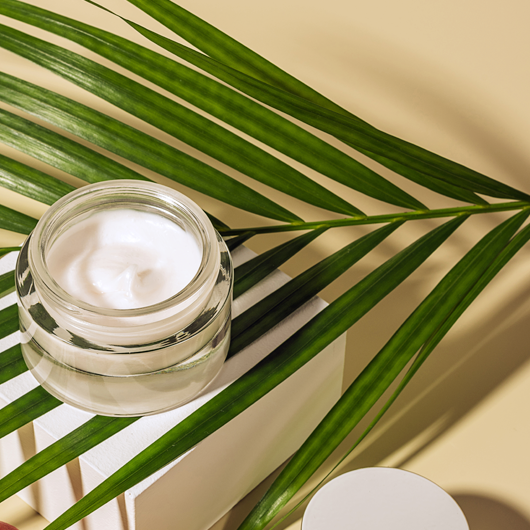


Pricing for 0.5 oz peptide serums?
Pricing for 0.5 oz peptide serums? The fair answer depends on concentration, delivery system, preservation, sourcing, and testing, not bottle size alone. A $12 serum and a $100 clinical-style serum may both contain 15 milliliters while providing different amounts of functional ingredients.
Key Takeaways
- The concentration of active peptides, not the bottle size, is the primary driver of a serum's price and effectiveness.
- Advanced delivery systems that improve peptide penetration into the skin often account for higher price points.
- Clean preservation methods and responsibly sourced ingredients add to production costs, which are reflected in the final price.
- Third-party testing for potency and purity justifies higher costs by ensuring you get what you pay for.
- Always compare cost per milligram of active peptide rather than cost per ounce to evaluate true value.
I assess value through three questions: What is the cost per ounce? Which peptides are present, and at what declared strength? Does the formula protect those actives through thoughtful cosmetic chemistry? This helps distinguish clean, results-driven skincare from luxury packaging.
Understanding 0.5 oz Peptide Serum Pricing: What You're Actually Paying For
The Rise of 0.5 oz (15ml) Serums: Mini Sizes, Maximum Impact?
A 0.5 oz bottle contains approximately 15 milliliters, a practical format for concentrated treatments. Smaller packaging can limit air exposure, support freshness, lower the initial cost, and let you test a product before buying more.
Size does not determine value. Research indicates that 15 ml holds about 300 drops. At four to five drops per daily application, that supply may last roughly 60 to 75 days. Compare effective applications and dose quality, not only volume.
Decoding Price Tags: Why the Huge Variation in 0.5 oz Peptide Serums
Drugstore travel-size peptide serums commonly cost $11.99 to $15.49, or approximately $24 to $31 per ounce. Dermatology-focused clinical peptide serums in the same format range from $45 to more than $110, or about $90 to $220 per ounce. These figures show a broad market range, not guaranteed performance.
Differences may reflect active concentration, peptide grade, manufacturing controls, stability testing, packaging, and a botanical or aloe-based vehicle. A low price may suit a lightly dosed hydrating serum. A higher price should have a visible ingredient rationale rather than a premium label alone.
Beyond the Bottle: Factors Influencing Cost
Look for named peptides such as Matrixyl, Argireline, Syn-Coll, Snap-8, or copper peptide forms instead of a vague “anti-aging complex.” Signal peptides communicate with skin-support processes, copper peptides participate in skin conditioning, and neurotransmitter-inhibiting peptides are formulated for the appearance of expression lines.
Research shows that formulas containing verified 5% to 10% peptide active complexes can cost three to five times more to manufacture than standard water-based hyaluronic acid serums. Preservation, pH control, botanical extracts, batch consistency, and air-restrictive packaging can add legitimate costs. The label should explain those choices.
Table Stakes: Average Price Tiers for 0.5 oz Peptide Serums
Use these tiers as a starting point, then inspect the active system, serving guidance, and quality controls.
| Price tier | Typical 0.5 oz price | What may be included | What to verify |
|---|---|---|---|
| Budget | $11.99 to $15.49 | Basic hydration, modest peptide inclusion, simple packaging | Named actives, ingredient order, preservation, and peptide disclosure |
| Mid-range | About $20 to $45 | Multiple peptides, humectants, antioxidants, and improved delivery support | Specific complex names, concentration information, and freshness guidance |
| Premium or clinical | $45 to more than $110 | Higher active investment, specialty packaging, testing, and treatment positioning | Evidence for the formula’s strength, stability, sourcing, and manufacturing standards |
Is a 0.5 oz Bottle Truly Worth It? Volume vs. Value Comparison
A half-ounce bottle can be worthwhile when it is concentrated and requires only a few drops. Divide the price by 15 for cost per milliliter, then consider the daily dose. A $30 bottle used for 60 days costs about 50 cents per application, before considering the active system.
Compare cost per use, identify the peptides, check for excessive filler, and review storage information. The Teprenone Serum Booster illustrates a concentrated booster format for shoppers seeking a smaller supply with a clear active-focused purpose.
The True Cost Per Milligram: Calculating Peptide Potency and Value

The “Active Ingredient” Myth: What “Potency” Really Means
Potency is not the number of ingredients on a label. A serum may list several peptides at very low levels. A peptide complex may also contain a carrier solution, water, glycerin, or supporting materials, so the percentage of the full complex may not equal the percentage of pure peptide.
Look for a declared concentration, named supplier complex, or technical information. “Advanced peptide technology” does not show how much active material reaches skin. Ingredient identity, dose guidance, formula order, and stability provide a stronger basis for judging value.
Identifying Key Peptides: Signal Peptides, Copper Peptides, and Neurotransmitter Inhibitors
Signal peptides support the appearance of firmer, smoother skin by communicating with skin matrix processes; Matrixyl-type peptides are commonly associated with this category. Copper peptides combine a peptide with copper and are selected for skin-conditioning and renewal-support formulas. Neurotransmitter-inhibiting peptides, including Argireline-style ingredients, are used to soften the look of expression lines.
These categories are not interchangeable. A formula may combine mechanisms or focus on one. Read the actual INCI names and assess whether the base supports comfort, hydration, and regular use.
How to Calculate Cost Per Milligram of Active Peptides
Use this calculation when the label provides enough information:
- Convert the bottle to milligrams of total formula. Fifteen milliliters is approximately 15,000 milligrams, although density varies.
- Find the stated percentage of the peptide or peptide complex.
- Multiply total formula weight by that percentage to estimate milligrams of the stated complex.
- Divide the bottle price by the estimated active milligrams.
If a 15,000 mg formula contains a declared 5% peptide complex, the estimate is 750 mg of that complex. A $45 bottle equals about six cents per milligram of the complex. This is not a laboratory assay and does not prove every milligram is pure peptide, but it is more useful than package size alone.
The Dilution Game: Why Fillers Matter in Peptide Serum Pricing
Every serum needs a vehicle. Water, aloe, glycerin, hyaluronic acid, botanical extracts, solvents, thickeners, and preservatives provide texture, hydration, spreadability, and microbial safety; they are not automatically filler. Concern begins when low active levels are hidden behind oversized claims or when the base offers no clear skin benefit.
Aloe, humectants, antioxidants, and soothing botanicals can provide a useful delivery base. Meaningful peptide content may cost more because active complexes require dispersion, pH management, preservation, and compatibility testing.
Skin Perfection’s Approach: Prioritizing Active Strength in Clean Formulations
At Skin Perfection, clean beauty means making the active system understandable, selecting clinically studied cosmetic ingredients, and building a formula that supports consistent use. EWG VERIFIED standards can help shoppers review ingredient safety and transparency, but certification does not replace reviewing peptide identity and concentration.
The Teprenone Serum Booster reflects an ingredient-first philosophy through a concentrated booster with a defined role. Assess active purpose, the complete ingredient list, dose, and number of daily uses from 15 milliliters. Cost matters, but informed potency matters more.
Navigating Skincare Pricing Models: Flat Fees vs. Subscription Traps
Pricing for 0.5 oz peptide serums? Checkout structure matters nearly as much as the formula. An introductory price can become expensive through recurring shipments, minimum commitments, or difficult cancellation. Review product price, shipping, renewal terms, and returns before payment.
The Allure and Danger of Subscription Boxes: Hidden Costs and Cancellation Friction
Subscriptions may promise automatic replenishment and a lower first order, while obscuring ongoing charges. Some require multiple shipments, hide renewal information below checkout, or require customer support for cancellation.
Confirm the renewal amount, shipment frequency, cancellation deadline, and refund process. A small bottle may last longer than expected, making automatic delivery costly and wasteful. Declining future shipments should be as clear as placing the first order.
Why Flat-Fee Pricing Offers Honest Value and Control
A flat-fee purchase gives you a defined cost for a defined quantity. You pay once, receive the stated 0.5 oz or 15 ml, and decide when to buy again. This makes it easier to divide price by applications without renewal charges or membership fees.
Flat pricing also lets you pause for travel, adjust your routine after adding another active, or finish your current bottle. The Teprenone Serum Booster is presented as a direct-purchase option without a required subscription commitment.
Evaluating Brand Commitments: EWG VERIFIED and Clean Formulation Integrity
EWG VERIFIED is designed to provide ingredient transparency and screening criteria. It does not state peptide concentration or guarantee a cosmetic result, so review the full INCI list, actives, preservative system, and directions alongside certification.
Formulation integrity includes sourcing, batch consistency, pH control, microbial protection, and suitable packaging. A botanical or aloe-based vehicle may offer more than plain water, while preservation protects a water-containing serum. A strong pricing explanation connects these technical choices to the finished formula.
The “No-Trap” Purchasing Promise: Transparency in Every Purchase
Before checkout, determine whether the price is one-time, shipping is visible, the stated volume is delivered, and cancellation avoids phone calls, minimum-term penalties, or confusing account processes. These details are part of product value.
Look for clear purchase terms, accessible support, intended use, ingredient profile, storage guidance, and freshness information. Clear communication builds trust more effectively than an aggressive discount.
When Premium Pricing Is Justified: Investing in Purity and Potency
A higher price may reflect documented peptide strength, quality raw materials, stability work, protective packaging, and controlled manufacturing. Research indicates that formulas with verified 5% to 10% peptide active complexes can cost three to five times more to manufacture than standard water-based hyaluronic acid serums. The formula still needs a clear explanation.
Pros
- Higher investment may support concentrated peptide complexes and careful preservation.
- Flat-fee purchasing keeps the total commitment visible.
- Clean ingredient standards can improve sourcing and label transparency.
Cons
- A premium label alone does not prove stronger potency.
- Certification does not replace reviewing peptide identity and concentration.
- Subscription discounts may hide recurring costs or unwanted inventory.
The Teprenone Serum Booster shows why price should be judged through formulation purpose, ingredient transparency, and purchase control.
Maximizing Your 0.5 oz Peptide Serum: Longevity, Stability, and Smart Use
Pricing for 0.5 oz peptide serums? becomes easier to judge when you know application count and storage needs. A 15 ml serum can be efficient, but dispensing habits, heat, light, and air exposure may reduce its practical life.
How Long Does a 0.5 oz (15ml) Bottle Last? Daily Use Estimates
Research indicates that a 0.5 oz bottle holds approximately 300 drops. At four to five drops daily, it may last about 60 to 75 days. Actual use varies if you include your neck or apply twice daily. More product does not necessarily mean better results; a thin, even layer is more practical than saturating skin.
Follow directions, apply the recommended amount to clean, dry or slightly damp skin, and let it settle before moisturizer or sunscreen. Evaluate the Teprenone Serum Booster by estimating drops per application and whether the bottle fits your routine and freshness window.
The Shelf Life Equation: Oxidation, Beyond-Use Dates (BUD), and Ingredient Stability
An expiration date describes unopened product under suitable storage. A beyond-use date, or BUD, guides use after opening. Oxygen, moisture, warmth, ultraviolet light, and repeated dispenser contact can affect stability.
Do not rely on smell or color alone. Sharp odor, separation, discoloration, altered texture, or irritation are reasons to stop use. Record the opening date on the carton or bottle to follow the BUD.
Packaging Matters: Airless Pumps vs. Dropper Bottles for Peptide Preservation
Airless pumps limit incoming air and contact. Dropper bottles can dispense precise amounts but may introduce more air; touching the dropper to skin can transfer oil, microbes, and residue. Formula, preservatives, closure, filling process, and storage instructions also determine stability.
Keep a dropper tip clean and away from your face. Do not puncture or remove an airless pump seal to retrieve the final product, since this can expose the serum to contamination.
Best Practices for Storing Your Peptide Serums to Maintain Potency
Store peptide skincare in a cool, dry cabinet away from sunlight, radiators, steamy showers, and windows. Keep the cap or pump closed and dispense before applying other products so water or cream does not enter. Refrigeration is not automatically better because it may alter texture, create condensation, or conflict with instructions. Follow the manufacturer’s guidance.
Your Buyer Checklist: Spotting Red Flags and Transparent Quality Indicators
Before buying, review the label and product page for the active system, quantity, handling requirements, and expected use.
Quality and value checklist
- Confirm net quantity, recommended dose, and estimated applications.
- Look for named peptide ingredients instead of an undefined “peptide blend.”
- Check for an opening period, expiration date, BUD, or freshness guidance.
- Review the dispenser and whether it limits air and contact.
- Verify storage instructions, preservative information, and complete ingredient disclosure.
- Be cautious when sourcing, manufacturing, or testing details are absent.
- Calculate one-time cost per application, including shipping and recurring charges.
The Teprenone Serum Booster is best assessed through application count, ingredient transparency, package handling, and freshness guidance. This keeps the decision grounded in usable product life rather than bottle size alone.
Frequently Asked Questions
What is a fair price for a 0.5 oz peptide serum?
Pricing for 0.5 oz peptide serums generally ranges from about $12 to more than $110, depending on the formula and quality controls. Budget options often provide basic hydration with modest peptide inclusion, while mid-range and clinical-style products may offer named peptides, stronger active systems, specialty packaging, and additional testing.
How long does a 0.5 oz peptide serum usually last?
A 0.5 oz peptide serum can last roughly 60 to 75 days when used at four to five drops per application. A 15-milliliter bottle holds approximately 300 drops, so daily dose guidance gives a more useful value comparison than bottle size alone.
How do I compare the value of different peptide serums?
Peptide serum value is best compared through cost per use, declared peptide strength, named actives, and formula support. Check the price divided by 15 milliliters, review the ingredient list for peptides such as Matrixyl or Argireline, and assess preservation, pH control, packaging, and freshness guidance.
Why do some 0.5 oz peptide serums cost over $100?
0.5 oz peptide serums can cost over $100 because manufacturing may include higher active investment, specialty packaging, stability work, sourcing controls, and treatment-focused formulation. A premium price deserves a clear ingredient rationale, such as a named peptide complex and useful information about strength, sourcing, or testing.
Does a higher peptide concentration always mean better value?
A higher peptide concentration does not always mean better value because the stated percentage may refer to a peptide complex rather than pure peptide. Review the complex name, declared strength, ingredient order, dose guidance, and formula stability so the price reflects meaningful active content and reliable daily use.
How can I calculate the cost per milligram of peptides?
Cost per milligram of peptides can be estimated by multiplying the formula weight by the declared peptide percentage, then dividing the bottle price by the estimated active milligrams. A 15-milliliter formula weighing about 15,000 milligrams with a 5% peptide complex contains an estimated 750 milligrams of that complex.